Best charters for photographing the Kona coastline
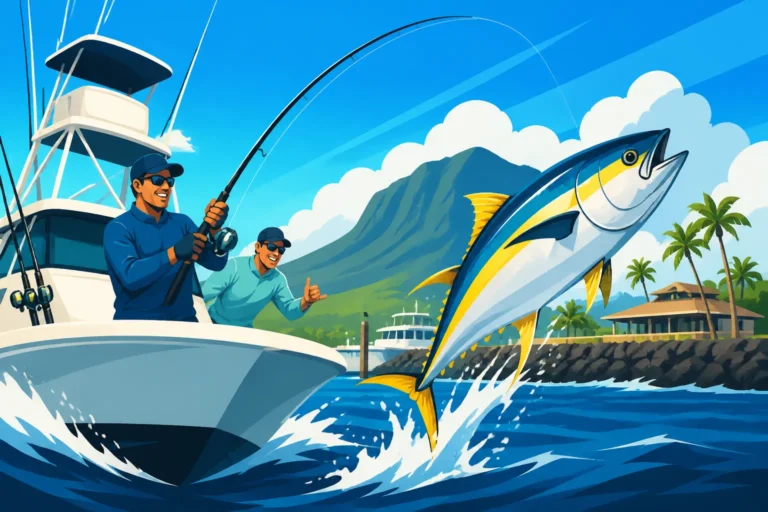
It can feel like you have to choose between two passions when you’re out on the water: reeling in that epic catch or capturing the breathtaking beauty of Hawaii's coast. Many anglers dream of bringing home not just a cooler full of fish, but also a memory card full of stunning photos, especially along the iconic Kona coastline. The good news is, you don't have to sacrifice one for the other. This guide will help you navigate the world of Kona fishing charters to find those special operators who understand the value of a great shot, ensuring you get both your fish and your fantastic photographic memories.
What Makes the Kona Coast So Photogenic?
The Kona coastline on the Big Island isn't just a world-class fishing destination; it's a visual feast that demands to be photographed. Its unique geography and perpetually clear waters offer a backdrop unlike any other. Understanding what makes it so special visually will help you appreciate why certain charters are better equipped to help you capture its essence.
Dramatic Volcanic Landscapes and Coves
Kona's shoreline is sculpted by ancient lava flows, creating a rugged, dramatic landscape that plunges directly into the deep blue Pacific. Imagine black lava rock cliffs contrasting sharply with vibrant turquoise waters, dotted with lush green pockets of vegetation. As your charter boat moves parallel to the shore, you'll see hidden coves and pristine beaches accessible only by water, each offering a unique photographic composition. The way the early morning sun or late afternoon light hits these varied textures and colors creates incredible depth and mood for your images. It’s not just a flat horizon; it’s a living, breathing geological marvel unfolding before your lens.
Vibrant Marine Life and Ocean Hues
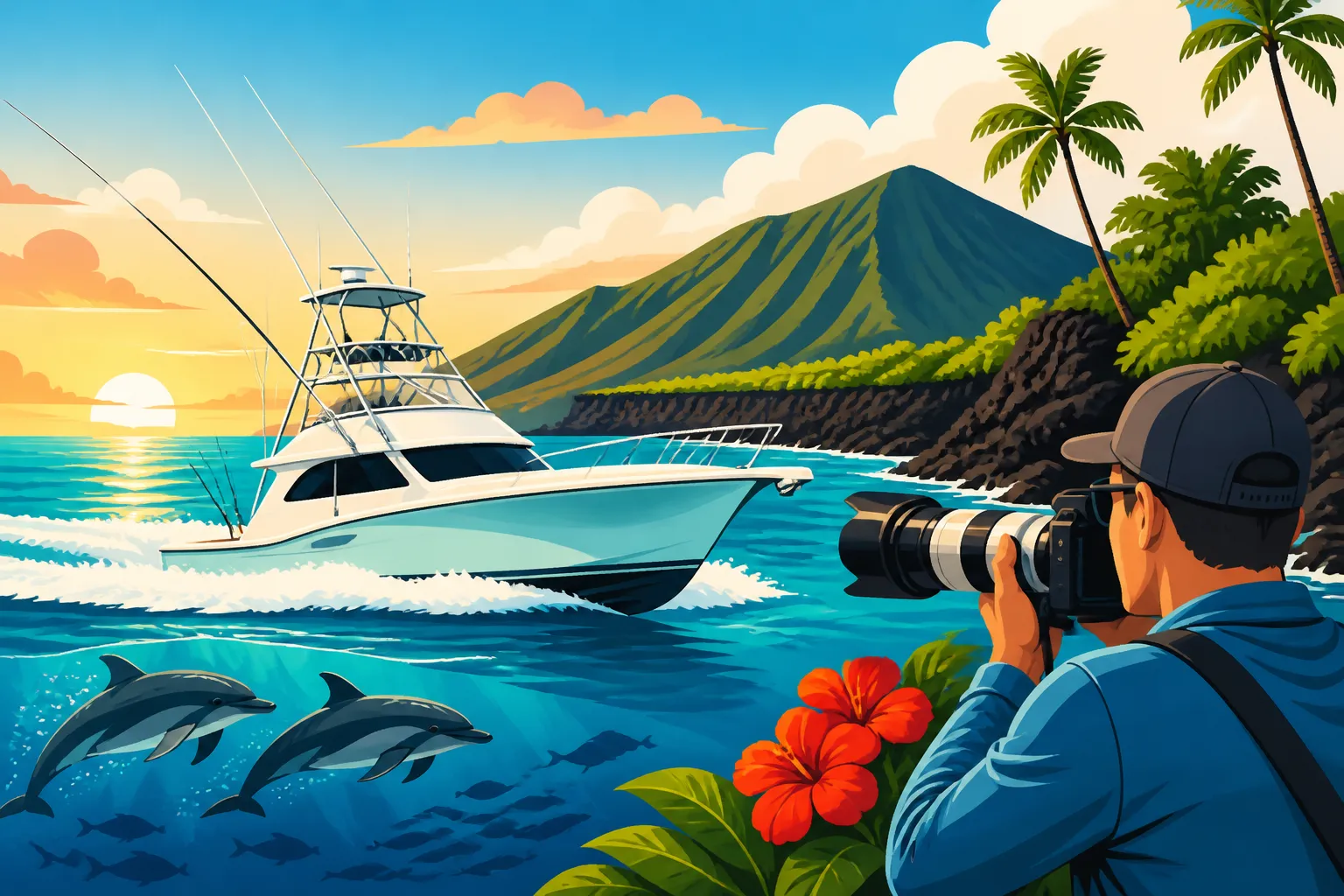
Beyond the land, the ocean itself provides an incredible spectrum of colors and life. The waters off Kona are famously deep and clear, ranging from brilliant sapphire near shore to an inky indigo in the deeper pelagic zones. When you're out fishing, you might encounter playful spinner dolphins leaping through the waves, majestic humpback whales breaching during their season, or sea turtles gliding effortlessly near the surface. These encounters, set against the backdrop of the vast ocean or the distant volcanic peaks, offer unparalleled opportunities for wildlife photography. Even the act of reeling in a shimmering mahi-mahi or a powerful ahi provides dynamic, colorful subjects that tell the story of your adventure. If you're looking for an unforgettable experience, a Kona Coast Fishing Guide can help you pinpoint the best times and locations.
Golden Hour Magic and Panoramic Views
Any photographer will tell you about the "golden hour"—the period shortly after sunrise or before sunset when the light is soft, warm, and utterly magical. The Kona coast, facing west, is particularly renowned for its spectacular sunsets, painting the sky in fiery oranges, purples, and reds that reflect on the glassy ocean surface. Imagine capturing the silhouette of your boat and crew against such a sky, or a panoramic shot of the coastline bathed in that ethereal glow. Mornings offer a different, equally stunning light, often calmer waters, and the chance to photograph the sun rising over the towering volcanoes in the distance. Charters that are flexible with their timing or offer specific "golden hour" trips can be a game-changer for serious photographers.
Key Features of a Photography-Friendly Fishing Charter
Not all fishing charters are created equal when it comes to accommodating photographers. While every captain wants you to have a great trip, some are more attuned to the specific needs and desires of someone looking to capture stunning images. Knowing what to look for can make all the difference in choosing the Best Fishing Charters in Hawaii for your photo ambitions.
Experienced Captains and Crew Who Understand Photography
The most crucial element of a photography-friendly charter is a captain and crew who genuinely "get it." This doesn't mean they're professional photographers, but they understand the importance of good light, a clear background, and a steady shot. They'll be willing to:
- Position the boat: They might subtly adjust the boat's angle to get the best light on a fish, or position it for a better view of a landmark.
- Be patient: Instead of rushing to net a fish, they might give you a few extra seconds to compose your shot.
- Offer advice: They know the coastline intimately and can point out scenic spots or tell you when a good photo opportunity is approaching.
- Help with handling: A crew member who knows how to hold a fish for a photo (without harming it) or can quickly clean a deck for a clear shot is invaluable.
When searching, look for reviews that mention the crew's helpfulness with photos or their patience. Platforms like FishingBooker can sometimes feature charter descriptions that highlight these aspects, or you can use their messaging feature to ask directly.
Boat Design and Layout for Optimal Angles
The physical layout of the charter boat plays a huge role in your ability to capture great photos. You’ll want a vessel that offers space, stability, and unobstructed views.
- Spacious Deck: A roomy deck allows you to move around freely, get different angles, and ensures you're not constantly bumping into other anglers or gear. This is particularly important on shared trips.
- Clear Sightlines: Look for boats with minimal obstructions from railings, towers, or other equipment that could block your view of the coastline or the action.
- Stable Platform: While all boats move, a more stable boat will make it easier to hold your camera steady, especially if you're using a telephoto lens. Larger vessels or those with a wider beam often provide more stability.
- Access to Bow and Stern: Being able to shoot from both the front (bow) and back (stern) of the boat gives you diverse perspectives. The bow often provides excellent head-on coastal views, while the stern is where most of the fishing action happens.
Before booking, check out photos of the boat online or inquire about its layout. Websites like FishingBooker often include multiple photos of the vessel, giving you a good visual sense.
Flexible Itineraries and "Photo Ops" Mindset
Some charters stick rigidly to fishing grounds, but a photography-friendly charter might offer a bit more flexibility. This doesn't mean you skip prime fishing, but it implies a willingness to incorporate scenic elements into the trip.
- Coastal Cruising: Some trips might involve a short period of cruising closer to the shoreline specifically for sightseeing and photography, perhaps on the way to or from the fishing grounds.
- Brief Pauses: A captain might be willing to pause briefly near a particularly beautiful cove or a unique rock formation if the fishing is slow, or during transition times.
- Sunrise/Sunset Options: As mentioned, early morning or late afternoon trips are ideal for golden hour shots. Some charters specifically offer these timings, recognizing their scenic appeal.
- Customization on Private Charters: If you book a private trip, you have the most control over the itinerary. This allows you to specifically request a balance between fishing and dedicated photo stops. The Best Private Fishing Charters in Hawaii are often your top choice for this level of customization. Always make your photography desires clear when discussing your trip details with the captain.
Types of Charters Best Suited for Coastal Photography
The kind of fishing charter you choose can significantly impact your photographic opportunities. While all offer a chance to be on the water, some are inherently better designed for capturing the beauty of the Kona coastline.
Private Charters for Personalized Experiences
If photography is a major priority for you, a private charter is hands down your best option. When you book the entire boat, the itinerary becomes much more flexible, tailored to your group's desires.
- Tailored Itinerary: You can explicitly discuss your photography goals with the captain beforehand. Do you want to spend extra time cruising near the lava fields? Are you hoping to capture a specific landmark? A private charter allows for these requests.
- Dedicated Space: You'll have the entire deck to yourself, meaning no competing with other anglers for the best camera angles or worrying about accidentally bumping someone's gear.
- Captain's Full Attention: The captain and crew can focus entirely on your group, offering assistance with both fishing and photography. They might even act as an extra set of hands, holding fish for a quick photo or pointing out prime photo spots.
- Flexible Timing: Want to start a bit earlier for sunrise shots or stay out a little later for sunset? A private charter often offers more leeway with departure and return times, especially crucial for capturing those magical golden hours.
While they come at a higher cost per person than shared trips, the ability to customize your experience for both fishing and photography is invaluable. When booking, be sure to clearly communicate your dual interest in fishing and photography. Many captains listed on platforms like FishingBooker are happy to accommodate, especially if they know upfront.
Half-Day Trips for Best Lighting Windows
While a full-day trip offers more fishing time, a Best Half-Day Fishing Charters in Hawaii can be strategically excellent for photography, especially if timed right.
- Golden Hour Focus: Many half-day trips are offered as morning (sunrise) or afternoon (sunset) excursions. These directly align with the golden hours, providing the best natural light for coastal and on-water photography.
- Less Fatigue, More Focus: A shorter trip means less time battling the sun or sea, allowing you to maintain energy and focus on both your fishing and your camera work. You're less likely to be tired and miss a great shot.
- Targeted Experience: If your primary goal is to combine some solid fishing with beautiful coastal shots, a half-day trip can be perfectly sufficient without committing to an entire day on the water.
When considering a half-day trip, inquire about the exact timing and how it aligns with sunrise or sunset in Kona. A morning departure might offer calm waters and a stunning backdrop of the sun climbing over the Big Island's mountains, while an afternoon trip provides that famous Kona sunset.
Smaller Vessels for Intimate Perspectives
While big sportfishing yachts are impressive, sometimes a slightly smaller or more agile vessel can offer unique photographic advantages, particularly for coastal shots.
- Closer to Shore: Smaller boats can often navigate into shallower waters or closer to coves and rock formations that larger boats can't access, giving you a more intimate perspective of the shoreline.
- Lower Angle: Being closer to the water level can offer dramatic, immersive shots of the coastline, especially when combined with foreground elements like waves or volcanic rock.
- Maneuverability: More agile boats can sometimes turn and position themselves more quickly for a fleeting photo opportunity, like a dolphin sighting close to shore.
Examples might include smaller center console boats or even specialized fly-fishing skiffs for inshore waters, though these might not be targeting the same pelagic species as larger offshore vessels. It's about balancing your fishing targets with your photographic desires. For general knowledge about choosing a boat, check out How to Choose a Hawaii Fishing Charter.
| Charter Type | Best For Photography | Primary Fishing Focus | Ideal Photo Subject | Notes for Photographers |
|---|---|---|---|---|
| Private Charter | Ultimate flexibility, personalized timing, dedicated space | Any, tailored to group | Coastal scenery, specific landmarks, action shots of fish | Communicate goals clearly, allows for "photo pauses" |
| Shared Charter | Budget-friendly access to offshore action | Pelagic species (marlin, tuna) | Fish fights, open ocean, distant coastline | May have less deck space, limited flexibility for photos |
| Half-Day Charter | Maximizing golden hour light, less fatigue | Varied, often includes nearshore | Sunrise/sunset, coastal views | Choose morning or afternoon departure wisely |
| Full-Day Charter | Extended time for varied light & locations | Offshore pelagic, bottomfishing | Broader range of conditions, more fish opportunities | Can be tiring, ensure crew is photo-aware |
| Smaller Vessel | Close-up coastal shots, intimate angles | Nearshore, reef, sometimes light tackle offshore | Coves, lava formations, marine life closer to shore | May have less comfort for long offshore runs |
Tips for Maximizing Your Photo Opportunities on a Kona Fishing Trip
Now that you know what kind of charter to look for, here are some practical tips to ensure you come away with truly spectacular images from your Kona fishing adventure. This involves preparation, communication, and smart on-the-water practices. Don't forget to review What to Expect on a Hawaii Fishing Charter so you're ready for the full experience.
Communicating Your Photography Goals Upfront
This cannot be stressed enough: tell your captain and crew about your photography intentions before you even step on the boat.
- During Booking: When you're making your reservation, especially if it's a private charter, mention that you're an avid photographer and hoping to capture some great shots of the coastline and the fishing action. Ask if they are accustomed to working with photographers or if their boat offers good vantage points.
- Upon Arrival: Reiterate your goals to the captain and deckhand as soon as you board. Let them know you're looking for opportunities to get scenic shots of the land and sea, in addition to the fishing photos.
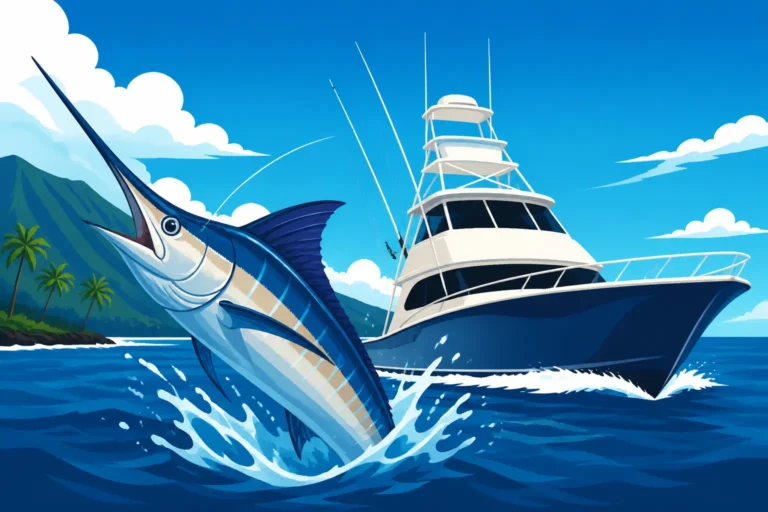
- Be Realistic: Understand that fishing is the primary purpose of the trip. A good captain will try to accommodate you, but they can't stop the boat every five minutes if the fishing is hot. Be gracious and flexible. A simple "Hey Captain, the light on that cliff is amazing, any chance for a quick shot?" can go a long way when the timing is right. Having an open dialogue will help them help you. For example, if you're hoping to capture a Marlin Fishing off the Kona Coast photo, they might advise you on the best time to have your camera ready during a hook-up.
Protecting Your Gear and Staying Safe
The ocean environment is incredibly beautiful but also harsh on electronics. Your photography gear needs protection.
- Waterproof Bag: Invest in a high-quality dry bag or waterproof backpack for your camera, lenses, and other accessories. Even on a calm day, spray can unexpectedly come over the bow.
- Rain Covers: Keep a rain cover or a simple plastic bag handy for sudden squalls or heavy spray.
- Strap Your Camera: Always use a neck strap or wrist strap. A loose camera can easily slip and fall overboard with an unexpected wave or a sudden lurch of the boat.
- Secure Your Spot: Find a stable, out-of-the-way spot for your camera bag when not in use. You don't want it sliding around or getting stepped on.
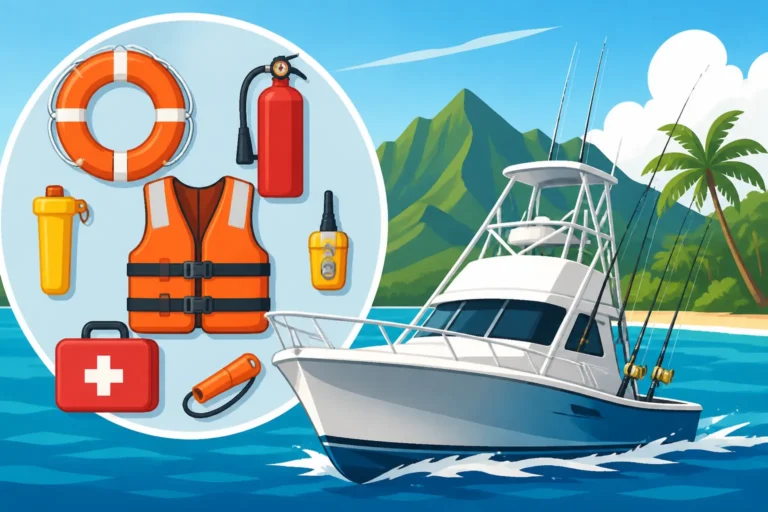
- Be Aware of Your Surroundings: When moving around the boat for a shot, always be mindful of where you're stepping, fishing lines, and the movement of the vessel. Don't let your focus on the viewfinder compromise your safety. Keep one hand free to hold onto something if possible. A charter out of Best Charters Out of Honokohau Harbor will prioritize safety for all guests.
- Cleaning Supplies: Have a microfiber cloth ready to wipe away any spray or smudges from your lens. Saltwater can quickly leave spots that ruin photos.
Balancing Fishing with Photo Moments
This is perhaps the trickiest part, especially for serious anglers who also love photography. It's a dance between two passions.
- Prioritize Moments: You can't photograph everything. Decide beforehand what your "must-get" shots are. Is it the coastline? A specific fish species? The act of fishing? This helps you be ready when those key moments arise.
- Set the Camera Down: Sometimes, you just have to put the camera down and enjoy the moment, or focus on fishing. If you're constantly looking through a lens, you might miss the actual experience.
- Quick Draws: Practice quickly grabbing your camera, taking a few shots, and putting it back in its protective case. The faster you are, the less disruptive you'll be to the fishing flow.
- Delegate (If Possible): If you're on a private charter with friends or family, or even a very helpful crew member, ask if they could snap a few photos of you fishing or with your catch. This frees you up to enjoy the moment.
- Choose the Right Gear: A versatile lens (e.g., a 24-70mm or 24-105mm equivalent on a full-frame camera) can cover both wide coastal shots and closer action. A good prime lens with a wide aperture (f/1.8 or f/2.8) can be excellent for low light during golden hour. Don't forget a What to Bring on a Hawaii Fishing Charter list that includes your camera gear essentials!
- Consider a GoPro or Action Camera: These are fantastic for hands-free video and photos, especially during fish fights, and they are inherently waterproof. You can mount them in strategic locations to capture unique perspectives without having to hold a DSLR.
By being prepared, communicating effectively, and remaining flexible, you can ensure your Kona fishing trip is not only successful in terms of catches but also provides a stunning photographic chronicle of your adventure along Hawaii's spectacular coastline. Whether it's the thrill of reeling in a trophy or the quiet beauty of a sunset over the Pacific, you’ll have the images to relive those moments forever.
Disclaimer
This article is for general informational purposes only and does not constitute professional advice. Laws, prices and regulations vary by location and change over time. Consult a qualified professional for guidance on your specific situation.