Hawaii freshwater license cost for residents
Figuring out the exact requirements and costs for a fishing license in Hawaii can feel like navigating a complex maze, especially when you're a local just trying to enjoy a peaceful day on the water. It’s easy to get confused by the different rules for ocean versus freshwater fishing, and whether residents even need a license at all. This guide is here to clear up all that confusion, focusing specifically on the Hawaii freshwater license cost for residents, ensuring you have all the necessary information to fish legally and confidently.
Understanding Hawaii's Freshwater License System for Residents
For many kama'aina (residents), the idea of needing a fishing license might seem a bit foreign, especially since Hawaii has traditionally offered a unique exemption for residents engaging in marine recreational fishing. However, when it comes to freshwater, the rules are distinctly different, and understanding these nuances is crucial to avoid any unexpected run-ins with the Hawaii Department of Land and Natural Resources (DLNR).
Why a Freshwater License is Different
Unlike the vast, open ocean surrounding our islands, Hawaii's freshwater resources – primarily reservoirs and a few select streams – are much more limited and require active management to sustain healthy fish populations. These waters often contain introduced species like rainbow trout, peacock bass, largemouth bass, and tilapia, which are managed through stocking programs and specific regulations. Because these fisheries are actively stocked and maintained by the state, a license fee helps fund these conservation and management efforts. This ensures that future generations of anglers can also enjoy the unique experience of freshwater fishing in Hawaii. So, while you might not need a license to drop a line in the ocean from a local beach, you absolutely do need one for freshwater endeavors. This distinction is one of the most common points of confusion, but once you understand the reasoning, it makes a lot more sense.
The Specific Costs for Hawaii Residents
When it comes to the cost, the Hawaii freshwater license for residents is refreshingly straightforward and affordable, especially compared to many mainland states. As of current regulations, a Hawaii resident aged 18 years or older needs to purchase an annual freshwater fishing license.
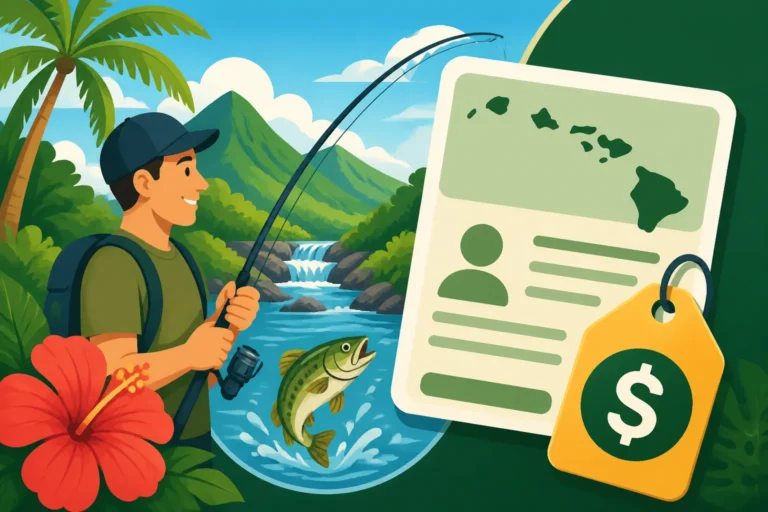
The current cost for an annual Hawaii resident freshwater fishing license is $5.00.
Yes, you read that right – just five dollars for a full year of freshwater fishing access! This nominal fee makes it highly accessible for residents to enjoy the state's unique freshwater fisheries. The license is valid for one calendar year, typically from January 1st to December 31st, regardless of when it's purchased within that year. So, if you buy it in July, it will still expire on December 31st of the same year. This is an important detail to remember for planning your purchases.
Annual vs. Short-Term Options and Why Annual is Usually Best
While there are various short-term freshwater license options available, primarily designed for non-residents (like the Hawaii 30-day tourist freshwater license cost or the Hawaii 7-day tourist freshwater license cost), for Hawaii residents, the annual license is almost always the most sensible and cost-effective choice.
Let's break it down:
- Annual Resident License: $5.00 for the entire calendar year.
- Non-Resident 7-Day License: Significantly higher (e.g., around $20.00).
- Non-Resident 30-Day License: Even higher (e.g., around $40.00).
Considering the minimal $5.00 cost for a resident annual license, opting for any short-term permit simply doesn't make financial sense unless you're a non-resident. Even if you only plan to fish freshwater once or twice a year, the annual resident license is such a small investment that it's worth getting to cover all your bases. Plus, having it in hand means you can seize any spontaneous opportunity to go fishing without worrying about getting a temporary permit. It's truly designed to encourage local participation in freshwater angling.
Where to Purchase Your Resident Freshwater Fishing License
Getting your Hawaii resident freshwater fishing license is a simple process, with options for both online convenience and in-person assistance. The DLNR has worked to make the process as accessible as possible, ensuring you can quickly get licensed and out on the water. For a broader overview of all licensing options, you might find our guide on Where and How to Buy a Hawaii Fishing License helpful.
Online Purchase Through the DLNR Portal
The easiest and most common way for residents to purchase their freshwater fishing license is directly through the Hawaii DLNR's online licensing system. This digital portal is available 24/7, meaning you can get your license from the comfort of your home at any time.
Here's a general step-by-step process:
- Visit the Official DLNR Website: Navigate to the Division of Aquatic Resources (DAR) section on the Hawaii DLNR website. Look for the "Licenses" or "Permits" section.
- Select Freshwater Fishing License: Choose the "Freshwater Fishing License" option. You'll then specify "Resident" and "Annual."
- Provide Personal Information: You'll be prompted to enter your personal details, including your name, address, date of birth, and a valid form of identification (typically a Hawaii driver's license or state ID number) to verify your residency. This is crucial for adhering to Hawaii fishing license residency requirements.
- Payment: Complete the payment using a credit or debit card. The $5.00 fee is processed securely online.
- Print or Save Your License: After successful payment, you'll usually receive an email confirmation with a printable PDF of your license. You can print it out to carry with you or save a digital copy on your phone. Remember to always have proof of your license while fishing; our article on Printing or Carrying a Digital Fishing License in Hawaii has more details on this.
The online system is user-friendly and usually takes only a few minutes to complete. It's a great option for those who prefer to handle things digitally.
In-Person Vendors and License Agents
For those who prefer a more traditional approach, or if you need assistance, you can also purchase your resident freshwater fishing license in person. The Hawaii DLNR partners with various authorized vendors and license agents across the islands. These agents are typically local tackle shops, sporting goods stores, and some larger retail outlets.
- How to Find a Vendor: The DLNR website usually provides a list or a searchable map of authorized license agents. A quick call to your local bait and tackle shop can also confirm if they sell fishing licenses.
- What to Bring: When purchasing in person, make sure to bring a valid Hawaii ID (driver's license or state ID) to verify your residency. Payment can typically be made with cash or card. The staff at these locations are often very knowledgeable and can answer any specific questions you might have about local regulations or fishing spots.
What You'll Need for Purchase
Regardless of whether you purchase online or in person, the fundamental requirements are the same:
- Proof of Residency: A valid Hawaii Driver's License or Hawaii State ID is the primary document needed to confirm you qualify for the resident rate.
- Date of Birth: To ensure you're applying for the correct age bracket (especially for age exemptions).
- Payment: A credit/debit card for online purchases or cash/card for in-person transactions.
It's a straightforward process, designed to be accessible for all resident anglers.
Important Considerations Beyond the Initial Cost
While the $5.00 price tag is incredibly appealing, there are a few other important factors for Hawaii residents to keep in mind when it comes to freshwater fishing. These considerations can impact your fishing experience and ensure you remain compliant with all state regulations.
Age Exemptions and Senior/Disabled Discounts
Not everyone needs to pay that $5.00 fee. The DLNR recognizes specific age groups and circumstances for exemptions or discounts, which is a wonderful benefit for our community.
- Youth Exemptions: Children under the age of 18 are generally not required to purchase a freshwater fishing license. This is fantastic news for families looking to introduce their keiki (children) to the joys of fishing without an additional cost barrier. Our detailed article on Hawaii Freshwater License Age Requirements provides the exact age cutoff.
- Senior and Disabled Exemptions: Hawaii also offers generous exemptions for its kupuna (seniors) and disabled residents. Specifically, Hawaii residents who are 65 years of age or older, or those who are certified as totally disabled, are exempt from the freshwater fishing license requirement. This is a wonderful way to honor and support our elder and disabled communities. You can find more comprehensive information on this topic in our article about the Hawaii Senior and Disabled Freshwater License Exemption.
It's important to note that even if you are exempt, it's a good idea to carry proof of age or disability status (like a driver's license or disability card) with you while fishing, just in case you are asked by a DLNR enforcement officer.
Special Regulation Waters and Additional Permits
While your standard resident freshwater license covers most public freshwater fishing opportunities, there are a few specific locations in Hawaii that have their own unique rules, and sometimes, even require an additional permit. These are typically waters with very specific management plans, often involving stocking or sensitive ecosystems.
- Wahiawa Public Fishing Area (Oahu): This is one of the most popular freshwater fishing spots on Oahu, known for its peacock bass, largemouth bass, and tilapia. While your state freshwater license is required, the Hawaii Wahiawa Reservoir Fishing Rules detail some additional rules and perhaps a separate entry permit or reservation system at certain times. Always check the current regulations before heading out.
- Kokee Public Fishing Area (Kauai): The streams and reservoirs in the Kokee area are famous for their rainbow trout fishery, which is actively stocked. Fishing here is highly seasonal, and while your freshwater license is necessary, additional specific permits might be required during the Hawaii Kokee Trout Fishing Season Dates, especially on opening days. The Kokee Public Fishing Area Guide is a must-read if you plan to fish here.
Always, always double-check the specific regulations for the body of water you intend to fish. The Hawaii DLNR fishing regulations PDF is the definitive source for all current rules and can save you a lot of headache.
The Cost of Non-Compliance: Penalties for Fishing Without a License
It might be tempting to think that for a $5.00 license, the enforcement won't be strict. However, fishing without a required freshwater license in Hawaii can lead to significant penalties, far outweighing the minimal cost of the license itself. The DLNR enforcement officers are regularly patrolling freshwater fishing areas to ensure compliance.
If you are caught fishing without the proper license, you could face:
- Fines: These can range from hundreds to even thousands of dollars, depending on the severity and repeat nature of the offense.
- Confiscation of Gear: Your fishing equipment, including rods, reels, and even your catch, can be seized.
- Court Appearances: You might be required to appear in court, which takes time, money, and can be quite stressful.
Compared to a mere $5.00 annual fee, these penalties are a stark reminder that it's simply not worth the risk. Always ensure you have your valid license on you when fishing freshwater. Our guide on Fishing Without a Required License in Hawaii: Penalties dives deeper into this topic.
Maximizing Your Freshwater Fishing Experience in Hawaii
Now that you're clear on the cost and requirements, let's talk about making the most of your freshwater fishing adventures in Hawaii. It's a unique experience, offering a different kind of thrill than ocean fishing.
Essential Gear and Supplies for Resident Anglers
You don't need a boatload of expensive gear to enjoy Hawaii's freshwater fishing, but having the right essentials will certainly enhance your experience. Since many of Hawaii's freshwater bodies are accessible from shore, a simple setup is often all you need.
- Light to Medium Spinning Rod and Reel Combo: A 6-7 foot rod with a matching reel spooled with 6-10 lb test line (monofilament or braided) is versatile enough for most freshwater species you'll encounter. You can find excellent, affordable combos on online retailers like Amazon, perfect for getting started without breaking the bank.
- Tackle Box Basics:
- Hooks: A variety of sizes, from small bait hooks for tilapia to larger hooks for bass.
- Weights/Sinkers: Split shots, egg sinkers, or bullet weights to get your bait down.
- Lures: Small spinnerbaits, crankbaits, soft plastic worms, and topwater poppers are effective for peacock bass and largemouth bass. Again, a quick search on Amazon will show you many beginner-friendly options.
- Bait: Live worms, bread balls, corn, or powerbait are often effective for tilapia and trout.
- Line Cutters/Pliers: Essential for cutting line and removing hooks safely.
- Comfort and Safety: Sunscreen, a hat, polarized sunglasses, insect repellent (especially in lush freshwater areas), and plenty of water are non-negotiables. A small cooler to keep your catch fresh (if you plan to keep any) is also a good idea. Consider a lightweight fishing vest or backpack, easily found on platforms like Amazon, to keep all your essentials organized and within reach.
Top Freshwater Fishing Spots for Residents
Hawaii's freshwater fishing scene, while smaller than its marine counterpart, offers some truly rewarding opportunities. Knowing where to go can significantly improve your chances of a successful outing.
- Wahiawa Public Fishing Area (Oahu): As mentioned, this is a prime spot for residents. Its vast waters are home to robust populations of peacock bass, largemouth bass, and tilapia. Shoreline access is good, and you can also launch small boats or kayaks. It’s a fantastic place to spend a day targeting aggressive bass.
- Kokee Public Fishing Area (Kauai): For those on Kauai, Kokee offers a completely different freshwater experience: rainbow trout fishing. The scenic mountain streams and reservoirs here provide a serene setting, especially during the limited season. It's a truly unique opportunity to catch trout in the tropics.
- Nuuanu Reservoir (Oahu): Another option on Oahu, Nuuanu Reservoir offers fishing for smallmouth bass and channel catfish. Access might be more restricted than Wahiawa, so checking current regulations and access points with DLNR is always advised.
- Various Local Ponds and Streams: Beyond the major reservoirs, many smaller, unnamed ponds and streams across the islands hold populations of tilapia, guppies, and other small introduced species. These can be great spots for teaching kids to fish or for a quick, casual outing.
For detailed information on specific locations and what you can catch, our guide to the Best Freshwater Fishing Spots in Hawaii is an excellent resource.
Summary of Hawaii Resident Freshwater License Costs
Here’s a quick overview of the costs for Hawaii residents:
| License Type | Age Requirement | Cost (USD) | Validity Period | Notes |
|---|---|---|---|---|
| Annual Resident Freshwater | 18-64 years | $5.00 | Jan 1 – Dec 31 | Most common for residents, great value. |
| Youth Freshwater Exemption | Under 18 years | Free | N/A | No license required for minors. |
| Senior Freshwater Exemption | 65 years or older | Free | N/A | No license required for qualifying seniors. |
| Disabled Freshwater Exemption | Certified as disabled | Free | N/A | No license required for qualifying disabled residents. |
This table clearly illustrates why the annual resident freshwater license is the go-to option for adult residents who don't qualify for an exemption. It's an investment that opens up a unique segment of Hawaii's angling world.
Disclaimer
Please note that fishing regulations, license costs, and requirements are subject to change. While we strive to provide the most accurate and up-to-date information, it is always your responsibility to verify current regulations directly with the Hawaii Department of Land and Natural Resources (DLNR) or their official website before engaging in any fishing activities. This guide is for informational purposes only and should not be considered legal advice.