Hawaii freshwater license cost for nonresidents
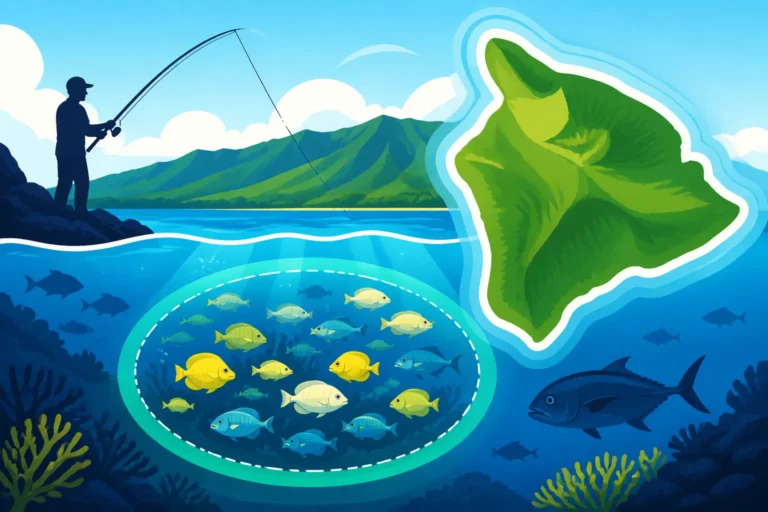
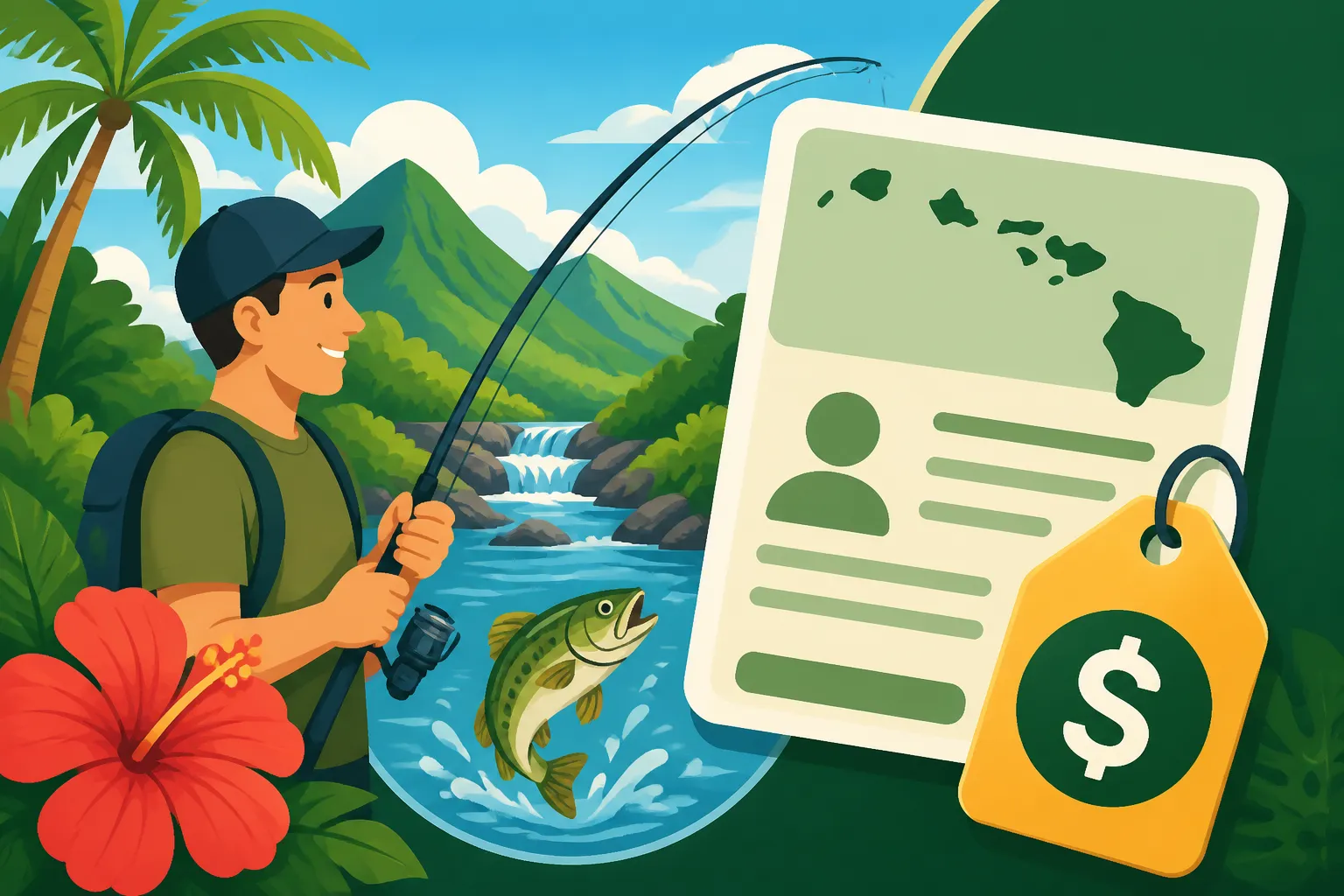
Navigating the ins and outs of fishing regulations in an unfamiliar place can feel like trying to untangle a stubbornly knotted fishing line, especially when you're visiting a unique destination like Hawaii. Many nonresidents assume ocean fishing licenses are the only concern, often overlooking the distinct requirements for freshwater angling. This comprehensive guide is here to demystify the Hawaii freshwater license cost for nonresidents, ensuring you understand exactly what you need, how much it will set you back, and where to secure your permit before you cast a single line into the islands' reservoirs and streams.
Understanding Hawaii's Freshwater License System
It’s easy to get caught up in the allure of Hawaii’s vast blue ocean, but the islands also offer some surprisingly good freshwater fishing opportunities, particularly for species like rainbow trout, largemouth bass, and peacock bass. What often surprises visitors is that while a marine (ocean) fishing license isn't generally required for recreational purposes for residents or nonresidents in Hawaii, a separate freshwater license is absolutely necessary if you plan to fish in any of the state's public freshwater bodies. This distinction is critical and often overlooked, leading to potential headaches or missed fishing opportunities for unprepared anglers.
Why a Separate Freshwater License?
Hawaii's freshwater ecosystems are quite unique and delicate. Unlike many mainland states with numerous rivers and lakes, Hawaii has a limited number of accessible freshwater fishing spots, primarily consisting of reservoirs and a few stream sections. These waters are often stocked or carefully managed to sustain their populations, especially for introduced game fish like rainbow trout in the cooler upland streams of Kauai, or various bass species in the warmer lowland reservoirs on Oahu. The requirement for a specific freshwater license helps the Hawaii Department of Land and Natural Resources (DLNR) fund these stocking and conservation efforts. It's a way for all anglers, including our visiting friends, to contribute directly to the health and sustainability of these precious inland fisheries. Without this funding, the unique freshwater experiences Hawaii offers simply wouldn't be possible.
Who Needs a Nonresident Freshwater License?
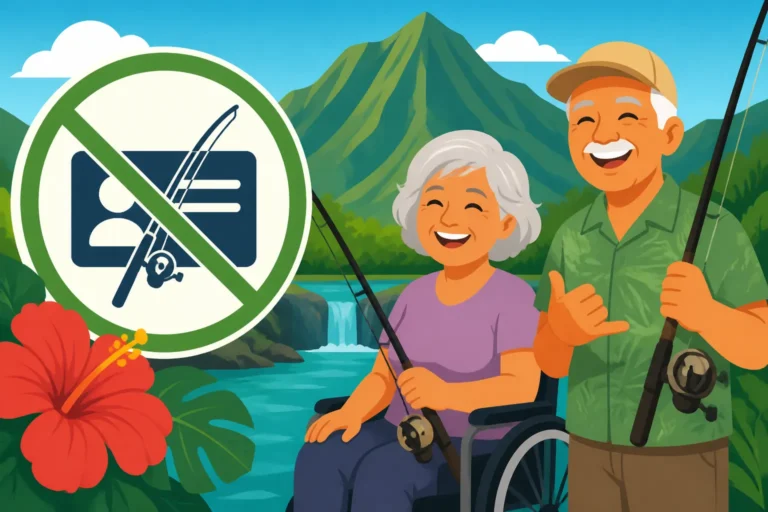
If you're visiting Hawaii and are not considered a resident by the state's definition, and you're planning to engage in any form of freshwater angling, you will need to purchase a nonresident freshwater fishing license. The state's definition of "resident" typically involves living in Hawaii for a continuous period of at least six months, holding a valid Hawaii state ID, or having other established ties. For most tourists or short-term visitors, you'll fall squarely into the nonresident category. This applies to everyone aged 15 and older. Children under the age of 15 are generally exempt from needing a freshwater license in Hawaii, which is fantastic news for families looking to introduce their keiki (children) to fishing. However, even if they don't need a license, all anglers, regardless of age, must adhere to all other Hawaii fishing regulations explained, including bag and size limits and permitted gear.
Breaking Down Nonresident Freshwater License Costs
One of the first questions on any angler's mind, beyond "where are the fish?", is always "how much will it cost?" For nonresidents looking to enjoy Hawaii's freshwater fishing, the costs are structured to offer flexibility depending on the length of your stay and fishing plans. It’s important to note that these fees are set by the state and go directly back into managing the aquatic resources you’ll be enjoying.
Annual Nonresident Freshwater License
For those planning an extended stay, multiple trips within a year, or simply wanting the freedom to fish whenever the opportunity arises during their Hawaiian vacation, the annual nonresident freshwater license is a solid choice. As of recent information, the cost for a full annual nonresident freshwater license is typically around $40.00. This license is valid from the date of purchase through the following year, usually expiring on December 31st, regardless of when you bought it. So, if you purchase it in August, it will be valid until December 31st of the same year. This makes it most cost-effective if purchased earlier in the year, maximizing its use. For detailed information, you can always refer to the official Hawaii Freshwater Fishing License and Rules from the DLNR.
Short-Term Nonresident Options: 7-Day and 30-Day Licenses
Recognizing that many visitors are in Hawaii for shorter periods, the state thoughtfully offers temporary nonresident freshwater licenses, providing a more economical and flexible option. These are perfect if you're only planning a day or two of fishing during your vacation, or perhaps a week-long stay with a few dedicated fishing excursions.
- 7-Day Nonresident Freshwater License: If your fishing plans are limited to just a few days, the 7-day option is likely your best bet. This license typically costs around $10.00. It offers great value for a short visit, allowing you to try your hand at catching rainbow trout at Kokee or perhaps some peacock bass at Wahiawa Reservoir without committing to a full annual fee. This specific option is commonly sought after by tourists, and the Hawaii 7-day tourist freshwater license cost is designed to be accessible.
- 30-Day Nonresident Freshwater License: For those with a slightly longer trip, or who anticipate more frequent but still temporary fishing, the 30-day nonresident freshwater license is available for approximately $20.00. This gives you a month of fishing access, which is ideal if you're enjoying an extended holiday or even contemplating two separate week-long fishing outings during your visit. For more specifics, you can look up the Hawaii 30-day tourist freshwater license cost.
These short-term licenses are activated from your specified start date, giving you precise control over when your fishing window begins. It’s important to decide which option best suits your itinerary before making a purchase.
Additional Fees and Processing
While the base costs listed above are generally accurate, it's always wise to anticipate a few minor additional charges. When you purchase a license online, there might be a small convenience or processing fee added to the transaction, typically a few dollars. Similarly, if you buy your license from an authorized vendor, they might add a small service charge. These are usually minimal but can add up, so factor them into your budget. It's always best to check the total price before finalizing your purchase, whether online or in person. These fees help cover the administrative costs of issuing and managing the licenses, ensuring the system runs smoothly.
Here’s a quick overview of the typical costs for nonresident freshwater fishing licenses in Hawaii:
| License Type | Typical Cost (USD) | Validity Period | Ideal For |
|---|---|---|---|
| Annual Nonresident Freshwater | $40.00 | From purchase date to Dec 31st of same year | Extended stays, multiple trips within a year |
| 30-Day Nonresident Freshwater | $20.00 | 30 consecutive days from specified start | Longer vacations, multiple fishing outings |
| 7-Day Nonresident Freshwater | $10.00 | 7 consecutive days from specified start | Short trips, single or a few fishing days |
Where and How to Purchase Your Nonresident Freshwater License
Once you've decided which freshwater license suits your needs, the next step is actually acquiring it. Thankfully, Hawaii offers a straightforward process, mainly through its official government channels, making it fairly easy for nonresidents to get properly licensed.
Online Purchase Through the DLNR
The most convenient and often recommended method for purchasing your Hawaii freshwater fishing license is directly through the Department of Land and Natural Resources (DLNR) Division of Aquatic Resources (DAR) website. This official online portal allows you to complete the entire transaction from anywhere, whether you're planning your trip from home or already on the islands. You'll typically need to create an account, provide some personal identification details, and select the type of license you wish to purchase. The website will guide you through the process, and upon successful payment, you'll usually receive an email confirmation with a printable license or instructions on how to access a digital version. It's crucial to ensure you have a way to display this license while fishing, whether it's a printed copy or on your smartphone. You can find detailed instructions on how to Buy a Hawaii Fishing License Online.
Authorized License Agents and Vendors
If you prefer a face-to-face transaction or need a license last minute while already on the ground, you can also purchase a nonresident freshwater license from various authorized agents and vendors across the islands. These typically include many sporting goods stores, fishing tackle shops, and some general merchandise stores that have partnered with the DLNR. When visiting a vendor, be sure to bring a valid form of identification, such as your driver's license or passport, as they will need to record your information for the license. This can be a great opportunity to also pick up some local bait or gear, and even chat with staff about local conditions or techniques. You can often find a list of these agents on the DLNR website, or by simply asking at a local tackle shop. While not as common for freshwater as for hunting licenses, some larger retailers like certain Walmart or Kmart locations in Hawaii might also be authorized, but it's best to verify before making a special trip.
What to Have Ready for Purchase
To ensure a smooth and quick license purchase, whether online or in person, have the following information and items readily available:
- Valid Identification: A driver's license, state ID, or passport is usually required to verify your identity and residency status.
- Personal Information: This includes your full name, date of birth, physical address (your home address, not necessarily your Hawaii accommodation), and contact details.
- Payment Method: A credit or debit card for online purchases, or cash/card for in-person transactions.
- Printer (for online purchases): If you opt for a printable license, having access to a printer, even a portable one you might have ordered from Amazon, is helpful, though a digital copy on your phone is usually acceptable. Remember that printing or Carrying a Digital Fishing License in Hawaii is important for compliance.
Having everything prepared beforehand will save you time and ensure you can get out on the water without unnecessary delays.
Common Questions and Important Considerations for Nonresident Anglers
Getting your license is a fantastic first step, but a successful and compliant fishing trip in Hawaii's freshwater requires a little more forethought. Many nonresidents have similar questions, and understanding these considerations can make your experience much smoother.
License Validity and Printing Requirements
Once purchased, your freshwater license is valid for the specified period – be it 7 days, 30 days, or annually until December 31st. It is absolutely essential that you carry proof of your valid license with you at all times while fishing. This can be a physical printout, which many anglers prefer as it doesn't rely on battery life or signal, or a digital copy displayed on your smartphone or other electronic device. Remember, if a wildlife officer approaches you, they will ask to see your license, and not having it can lead to fines. It’s always a good idea to keep a printed backup copy in a waterproof bag, perhaps something you picked up on Amazon for your electronics, just in case.
The Importance of Knowing the Rules
A fishing license grants you the privilege to fish, but it doesn't exempt you from knowing and following the specific rules that govern Hawaii's freshwater fisheries. These regulations are in place to protect the limited resources and ensure sustainable fishing for everyone. You'll need to familiarize yourself with:
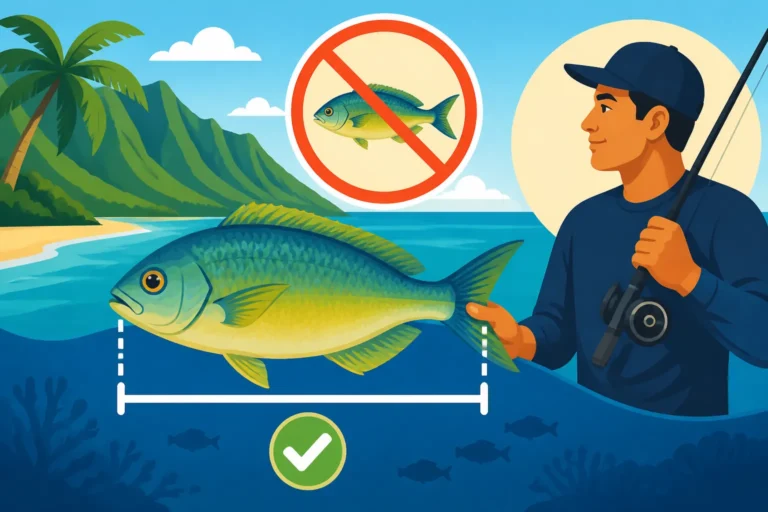
- Bag and Size Limits: How many fish of a certain species you can keep, and their minimum or maximum legal sizes. These vary by species and sometimes even by specific body of water.
- Gear Restrictions: What types of bait, lures, or fishing methods are permitted or prohibited. For instance, certain lures might be restricted in some areas, or only specific hook types allowed.
- Special Regulation Waters: Some freshwater areas, like the Wahiawa Reservoir, might have unique rules regarding access, boat use, or species-specific regulations that differ from general statewide rules. Always consult the Hawaii DLNR fishing regulations PDF for the most current information. Ignoring these rules, even unintentionally, can result in significant penalties, including hefty fines and the confiscation of your catch and gear.
Planning Your Freshwater Fishing Trip
With your license in hand and a good understanding of the rules, you can now focus on the fun part: planning your adventure! Hawaii's freshwater fishing opportunities are distinct.
- Target Species: Think about what you want to catch. Are you after the fighting power of a peacock bass in the warm waters of Wahiawa Reservoir, or perhaps the challenge of rainbow trout in the cooler Kokee Public Fishing Area Guide on Kauai? Knowing your target species will help you choose the right location and gear.
- Location, Location, Location: Hawaii has a List of Hawaii freshwater fishing waters, but accessibility can vary. Some spots might require a short hike, while others are easily reached by car. Researching specific fishing spots, like checking out the Hawaii Wahiawa Reservoir Fishing Rules, will help you prepare.
- Gear: While you don't need highly specialized gear, having appropriate tackle for freshwater species is key. A light to medium spinning rod and reel combo, loaded with 6-10 lb test line, is a versatile choice for most Hawaiian freshwater fishing. Lures like small spinnerbaits, plastic worms, or topwater poppers can be very effective for bass, while PowerBait or small inline spinners work well for trout. If you're unsure, a quick search on Amazon for "Hawaii freshwater fishing lures" can give you some good starting points. Always remember to pack bug spray and plenty of water, as freshwater areas can be humid and attract mosquitoes.
Remember, a successful fishing trip isn't just about catching fish; it's about enjoying the unique natural beauty and tranquility that Hawaii's freshwater environments offer, all while respecting the local regulations and conservation efforts.
Disclaimer
The information provided in this guide is for general informational purposes only and is subject to change. While we strive to provide accurate and up-to-date information, fishing regulations and costs can be updated by the Hawaii Department of Land and Natural Resources (DLNR) without prior notice. Always consult the official Hawaii DLNR Division of Aquatic Resources website or contact them directly for the most current and authoritative information before planning your fishing trip.