What age requires a freshwater fishing license in Hawaii
It's incredibly frustrating trying to figure out the exact rules and regulations when you're just looking forward to a relaxing day of fishing, especially when it comes to something as specific as age requirements for a license. You might be planning a family trip to one of Hawaii's beautiful reservoirs, or perhaps you're a grandparent wondering if your grandkids need a permit to drop a line. This comprehensive guide is here to clear up all that confusion, detailing precisely what age requires a freshwater fishing license in Hawaii, who might be exempt, and how to stay on the right side of the law.
Understanding the General Freshwater License Age Rule
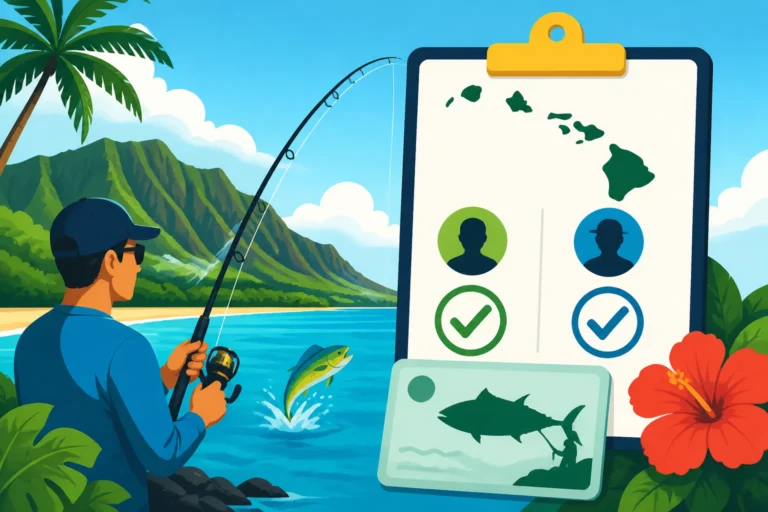
Let's get straight to the heart of it: in Hawaii, if you're planning to fish in any of the state's freshwater bodies, the general rule is that anyone 18 years of age or older needs a freshwater fishing license. This isn't just a suggestion; it's a legal requirement set forth by the Hawaii Department of Land and Natural Resources (DLNR) Division of Aquatic Resources (DAR). It's a system designed to help manage and conserve Hawaii's unique aquatic ecosystems, ensure sustainable fishing practices, and collect vital data that informs future conservation efforts.
Imagine you're heading out to Wahiawa Reservoir on Oahu, known for its peacock bass and tilapia. You've got your gear, your bait, and a full thermos of coffee. If you're 18 or older, the very first thing you need to make sure is in your tackle box, right alongside your hooks and sinkers, is that valid freshwater fishing license. It's easy to overlook this detail, especially if you're used to different rules in other states or countries where age exemptions might be more lenient for adults. But here in Hawaii, once you've celebrated that 18th birthday, you're officially on the hook (pun intended!) for obtaining one. Failing to do so could turn a peaceful day into a stressful one, possibly involving fines. It’s always best to be prepared and understand what age requires a freshwater fishing license in Hawaii before you even cast your first line.
Exemptions and Special Considerations for Anglers
While the age of 18 is the standard, Hawaii's fishing regulations do offer some important exemptions and special considerations that can apply to different groups of anglers. Knowing these can save you time, money, and a whole lot of worry.
Anglers Under 18 Years Old
Good news for families! If you have a child or teenager under the age of 18 who wants to experience the joy of freshwater fishing in Hawaii, they are generally exempt from needing their own freshwater fishing license. This is fantastic for encouraging keiki (children) to get involved in outdoor activities and learn about responsible angling from a young age. Picture this: your 12-year-old niece is visiting from the mainland, eager to try catching a rainbow trout at the Kokee Public Fishing Area on Kauai. She won't need a license, which is one less thing to worry about for your vacation planning! However, it's crucial that any angler under 18 is fishing under the supervision of a licensed adult if that adult is also actively fishing and needs a license. While the minor doesn't need their own, the supervising adult acts as the responsible party. This arrangement helps ensure that even the youngest anglers are learning proper techniques and adhering to all other Hawaii Freshwater Fishing License and Rules, such as bag limits and gear restrictions.
Resident Seniors and Disabled Anglers
Hawaii also extends exemptions to specific resident groups, recognizing the contributions and needs of its long-term residents. If you are a Hawaii resident and are 65 years of age or older, you are exempt from the freshwater fishing license requirement. This is a wonderful benefit for kupuna (elders) who wish to continue enjoying the tranquility of freshwater fishing without the added administrative step. Similarly, Hawaii residents who have certain disabilities may also qualify for an exemption. This kind of thoughtful provision helps ensure that fishing remains an accessible and enjoyable pastime for as many residents as possible. To fully understand if you qualify for these specific exemptions, especially for disability, it's always best to consult the Hawaii Senior and Disabled Freshwater License Exemption details directly with the DLNR Division of Aquatic Resources. They can provide the most accurate and up-to-date information on eligibility and any necessary documentation.
It's important to stress that these exemptions generally apply to residents of Hawaii. If you're a visitor, even if you are a senior or have a disability, the standard nonresident license rules will typically apply to you. So, if your grandparent is visiting from out of state and is over 65, they would still need to purchase a license.
Obtaining Your Freshwater Fishing License
So, you've figured out if you need a license. Now what? Getting your Hawaii freshwater fishing license is a straightforward process, designed to be as convenient as possible, whether you're a local or just visiting.
Where to Purchase Your License
There are a few primary avenues for purchasing your license. The most common and often easiest method for many is online through the DLNR Division of Aquatic Resources website. This allows you to purchase your license from the comfort of your home, anytime, anywhere. You simply fill out the necessary information, pay the fee, and often you can print your license right away. This is super handy, especially if you’re a last-minute planner or just arrived on the islands. For those who prefer a more traditional approach or want to speak with someone in person, licenses can also be purchased from authorized vendors across the islands. These vendors often include local bait and tackle shops, sporting goods stores, and some convenience stores. They usually have staff who are knowledgeable about the local regulations and can answer any immediate questions you might have. You can find a list of these agents on the DLNR website. It's always a good idea to check their operating hours before you head out. Don't forget, when you're looking for gear or other fishing necessities, places like Amazon often have a great selection that can be delivered right to your door before your trip!
License Types and Costs
The type of freshwater fishing license you'll need, and its associated cost, will largely depend on your residency status and the duration you plan to fish.
For Residents:
- An annual freshwater fishing license for residents is typically the most cost-effective option if you plan to fish throughout the year. The Hawaii freshwater license cost for residents is relatively low, making it very accessible for local anglers. This license usually expires on December 31st of the year it was issued, regardless of when you purchased it.
For Nonresidents:
- If you're visiting Hawaii, you'll need a nonresident freshwater fishing license. These come in various durations to suit your travel plans:
- The Hawaii 7-day tourist freshwater license cost is a popular choice for shorter trips.
- The Hawaii 30-day tourist freshwater license cost offers more flexibility for extended stays.
- There's also an annual option for nonresidents, which might be beneficial if you visit Hawaii frequently throughout the year.
Here's a quick overview of typical license types and their general costs (always check the official DLNR website for the most current pricing, as these can change):
| License Type | Residency Status | Duration | Typical Cost (Approx.) |
|---|---|---|---|
| Freshwater Fishing License | Resident | Annual | $5.00 |
| Freshwater Fishing License | Nonresident | 7-Day | $10.00 |
| Freshwater Fishing License | Nonresident | 30-Day | $20.00 |
| Freshwater Fishing License | Nonresident | Annual | $30.00 |
Please note: These are approximate costs and are subject to change by the DLNR. Always verify current prices on the official Hawaii DLNR Division of Aquatic Resources website.
Once you've purchased your license, whether digitally or physically, it's vital to have it on you while fishing. For many, simply printing or Carrying a Digital Fishing License in Hawaii is sufficient. Just make sure it's accessible and legible in case a conservation officer requests to see it. Thinking about the rest of your trip? Don't forget other essentials! Amazon can be a lifesaver for quickly grabbing those last-minute fishing accessories or even a wide-brimmed hat for sun protection.
The Importance of Compliance and Penalties
Understanding the age requirements and exemptions for a freshwater fishing license isn't just about following rules; it's about respecting Hawaii's precious natural resources and avoiding unnecessary trouble. The regulations are in place for a reason, primarily to ensure the sustainability of fish populations and the health of the aquatic environments we all enjoy.
Why Compliance Matters
Every license purchased contributes directly to the funding of aquatic resource management programs, habitat restoration projects, and research initiatives that benefit the very fish you're trying to catch. It's a small fee that has a big impact on maintaining the quality of Hawaii's freshwater fishing opportunities for everyone, now and in the future. Beyond the financial contribution, requiring licenses helps the DLNR gather crucial data on angler participation, which in turn helps them make informed decisions about stocking programs, season dates, and bag limits. It's a system built on collective responsibility. For instance, knowing who is fishing in Hawaii Wahiawa Reservoir Fishing Rules helps manage the unique ecosystem there.
Penalties for Non-Compliance
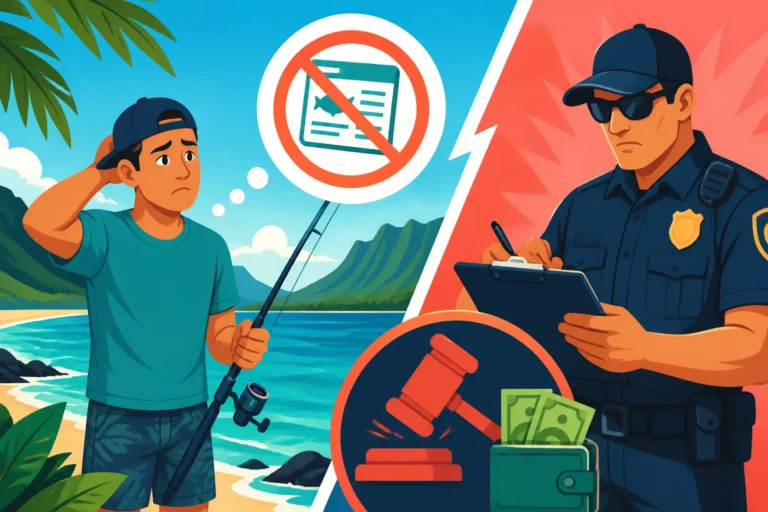
Fishing without a required license in Hawaii can lead to penalties that are far less enjoyable than reeling in a prize catch. If a conservation officer finds you fishing without the appropriate license for your age and residency status, you could face fines and other legal repercussions. These penalties can vary depending on the specific circumstances, but they are certainly significant enough to warrant ensuring you're properly licensed before heading out. Imagine planning an exciting day of fishing at the Koke'e Public Fishing Area, only to have it cut short by a citation because you overlooked a small detail like your license. It's a quick way to turn a memorable outing into a costly headache. We talk more about the specifics of Fishing Without a Required License in Hawaii: Penalties in another post, but trust me, it's not something you want to experience firsthand. It's always more cost-effective and stress-free to simply purchase the correct license upfront.
Remember, the goal of these regulations isn't to impede your fun but to protect the very resources that make fishing in Hawaii such a unique and rewarding experience. So, before your next freshwater fishing adventure, whether it's at Nuuanu Reservoir or another special regulation water, double-check your age, verify your exemptions if applicable, and make sure your license is current. A quick check on the DLNR website or even a quick order on Amazon for a new tackle box to hold your license can save you a lot of grief. Enjoy the beautiful freshwater fishing opportunities Hawaii has to offer, responsibly!
Disclaimer
Please note that fishing regulations, including age requirements and license costs, can change. While every effort has been made to provide accurate and up-to-date information, it is always the angler's responsibility to consult the official Hawaii Department of Land and Natural Resources (DLNR) Division of Aquatic Resources website or contact them directly for the most current regulations before fishing.