Hawaii Nuuanu Reservoir fishing rules
Oh, the allure of those serene, hidden waters! Many of us, myself included, have looked at the beautiful Nuuanu Reservoirs on Oahu and dreamed of casting a line into their calm surface. It's a natural reaction when you see such pristine water nestled in a verdant valley. But then comes the frustrating hunt for information: "What are the rules? Do I need a special permit? What can I catch?" You wade through old forum posts, outdated articles, and conflicting information, and it's enough to make your head spin.
Well, hang tight, because we're going to clear the waters (pun intended!) on Nuuanu Reservoir fishing. This comprehensive guide will explain the current reality of fishing in this unique Oahu location, delve into why it's structured the way it is, and, perhaps most importantly, point you towards the fantastic freshwater alternatives where you can legally and enjoyably fish in Hawaii. Let's make sure your next fishing adventure is a stress-free one, full of catches rather than confusion.
The Reality of Nuuanu Reservoir Fishing: A Closed Chapter
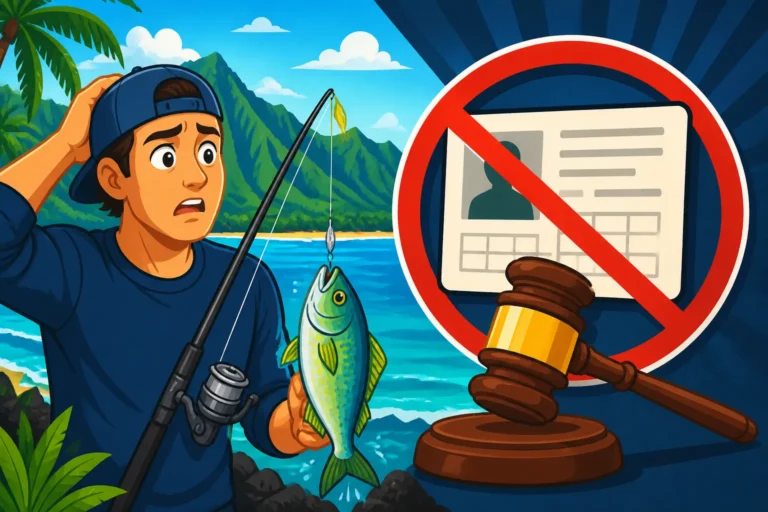
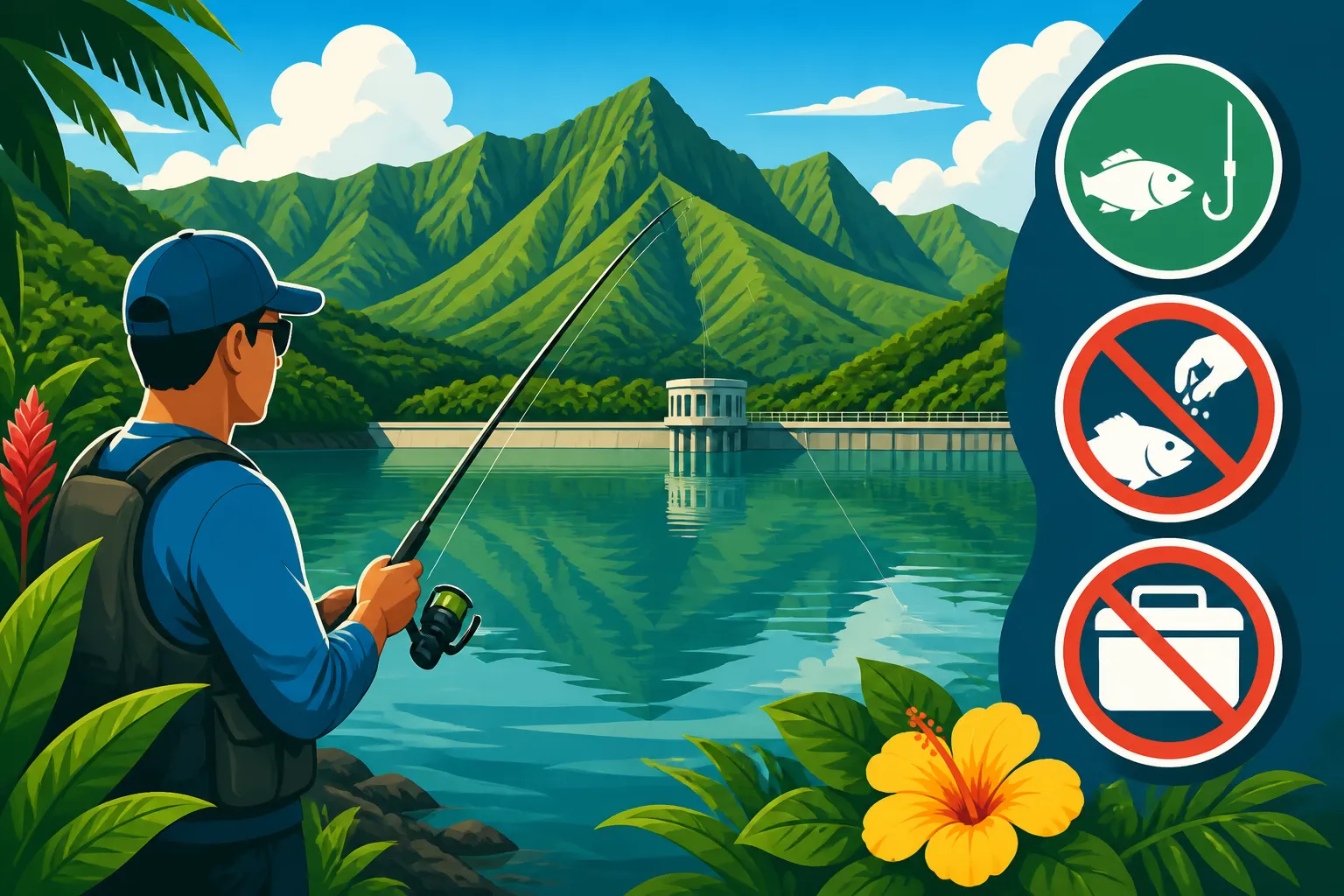
Let's get right to the heart of it, because I know you're eager for the definitive answer: public fishing is generally not permitted in the Nuuanu Reservoirs. For many years now, these reservoirs have been closed to recreational fishing activities. This isn't just some casual guideline; it's a firm regulation enforced by the Department of Land and Natural Resources (DLNR) and the Board of Water Supply.
I know, it's a bummer, especially when you see how picturesque those reservoirs are. It feels like such a missed opportunity, doesn't it? But there are very important reasons behind this decision that prioritize the health and safety of Oahu's residents, and it's essential for us as responsible anglers to understand and respect them.
Why Public Access is Restricted
The primary reason for the closure of Nuuanu Reservoirs to public fishing and other recreational activities is straightforward: they are a critical source of drinking water for the city of Honolulu. Reservoirs, particularly those designated as public water supplies, are meticulously managed to ensure the highest possible water quality.
Think about it: when people fish, they bring gear, bait, and sometimes even their lunch. There's always the potential for accidental spills, dropped items, or even runoff from personal care products on hands. While these might seem like minor concerns to an individual, multiplied by many visitors, they can introduce contaminants into the water supply. Bacteria, chemicals, and other pollutants could compromise the safety of the drinking water. The Board of Water Supply's job is to deliver clean, safe water to thousands of homes and businesses, and they take that responsibility very seriously. Limiting direct human contact with the water, especially for recreational purposes, is a key preventative measure. It's a tough call for anglers, but it's a necessary one for public health.
Historical Glimpses: What Once Was
It's easy to feel like you've missed out, especially if you've heard whispers of a time when fishing was allowed in Nuuanu. And you wouldn't be wrong! Decades ago, before the modern understanding of watershed management and public health demands became so stringent, there was indeed some recreational fishing in the Nuuanu Reservoirs.
Back in those days, anglers might have targeted species like largemouth bass, tilapia, and possibly even channel catfish, which were introduced to Hawaii's freshwater systems. Imagine the thrill of hooking a big bass in such a tranquil, scenic spot! Those were different times, with different priorities and understandings of environmental impact. Today, while those fish likely still exist within the reservoirs' ecosystems, they are no longer accessible to the public. The focus has entirely shifted to water conservation and purity. So, if you stumble upon old articles or hear stories from kūpuna (elders) about fishing in Nuuanu, remember that it's a nostalgic look back at a chapter that has, for very good reasons, been closed.
Distinguishing Nuuanu Reservoirs
It's worth noting that when we talk about "Nuuanu Reservoir," we're often referring to a system of reservoirs. Historically, Nuuanu Number 1 and Nuuanu Number 4 were among the most prominent. While there might be slight differences in their specific roles within the water supply system, the overarching rule remains consistent across the entire Nuuanu Reservoir complex: no public fishing.
This isn't a situation where one part is open and another is closed; the unified policy is for complete restriction to protect the shared water resource. So, whether you're looking at maps that show different numbers or just hear "Nuuanu Reservoir," understand that the blanket prohibition on recreational fishing applies throughout. Don't be fooled by older maps or guides that might not reflect current access restrictions. Always assume these waters are off-limits for fishing unless explicitly stated otherwise by the DLNR, and even then, double-check for the latest updates.
Navigating Restricted Waters in Hawaii: Lessons from Nuuanu
While the Nuuanu Reservoir situation might feel disappointing, it offers us a valuable lesson in understanding how freshwater resources are managed in Hawaii. It highlights the importance of being informed, respecting regulations, and knowing how to find legitimate fishing opportunities. Hawaii's natural environment is precious, and navigating its regulations is part of being a responsible angler.
Understanding DLNR's Role and Water Designations
The Department of Land and Natural Resources (DLNR), specifically its Division of Aquatic Resources (DAR), is the primary authority overseeing fishing regulations in Hawaii, both in marine and freshwater environments. They are responsible for managing and conserving Hawaii's aquatic resources for future generations. This includes everything from setting bag and size limits for various species to designating specific areas as protected or restricted.
Water bodies can have various designations:
- Public Fishing Areas (PFAs): These are areas explicitly managed and open for public fishing, often with specific rules regarding species, methods, and seasons. The Kokee Public Fishing Area on Kauai and Wahiawa Reservoir on Oahu are prime examples.
- Marine Life Conservation Districts (MLCDs): These are marine areas where fishing and often even collecting are highly restricted or completely prohibited to protect sensitive ecosystems. You'll want to check out our guide on Hawaii Marine Life Conservation Districts, Explained for more details on these.
- Restricted Waters: These include areas like Nuuanu Reservoir, which are closed to public access due to their sensitive nature (e.g., drinking water supply, protected species habitats, military installations).
- Private Waters: Some freshwater bodies are on private land, requiring landowner permission to access.
Understanding these designations is crucial because the rules can vary dramatically. What's perfectly fine in a PFA could lead to severe penalties in a restricted area.
The Importance of Official Channels for Information
This is perhaps the biggest takeaway from the Nuuanu Reservoir situation. When you're looking for fishing rules, especially for a specific location, always go straight to the source. Relying on old blog posts, social media comments, or word-of-mouth can lead you astray, as regulations can change.
The official website for the Hawaii DLNR Division of Aquatic Resources (DAR) is your best friend. They publish detailed regulation booklets, public notices, and maps that outline exactly where you can and cannot fish, what you can catch, and what licenses you might need. I highly recommend familiarizing yourself with Reading the Hawaii DLNR Fishing Regulations so you can confidently interpret the official documents. It might seem like a bit of homework, but it prevents heartache (and potential fines!) down the line. Many people get frustrated trying to find this information, but once you know where to look, it becomes much easier.
What to Do If You Encounter "No Trespassing" Signs
Whether it's at Nuuanu Reservoir or any other potentially restricted area, seeing "No Trespassing," "No Public Access," or "Restricted Area" signs means one thing: do not enter. These signs are there for a reason, whether it's public safety, environmental protection, or private property rights.
Disregarding these signs can lead to several undesirable outcomes:
- Legal Penalties: You could face fines, citations, or even arrest for trespassing, especially in sensitive areas like public water supplies.
- Environmental Damage: Your presence, even with the best intentions, could inadvertently disturb sensitive habitats or contribute to contamination.
- Safety Risks: Restricted areas might have hidden hazards, unsafe structures, or active operations that pose a danger to unauthorized individuals.
- Erosion of Public Trust: When regulations are ignored, it can lead to stricter rules for everyone, making it harder for responsible anglers to advocate for future access or opportunities.
It's a matter of respect for the land, the authorities, and the community. If you're unsure about access, always err on the side of caution and find an alternative spot. There are plenty of fantastic, legal fishing opportunities awaiting you in Hawaii!
Where to Find Freshwater Fishing Alternatives on Oahu (and Beyond)
So, Nuuanu Reservoir is out for fishing. But don't despair! Oahu, and indeed other Hawaiian islands, offer legitimate and exciting freshwater fishing opportunities. It's all about knowing where to look and understanding the rules that govern those accessible spots.
Wahiawa Reservoir: Oahu's Freshwater Gem
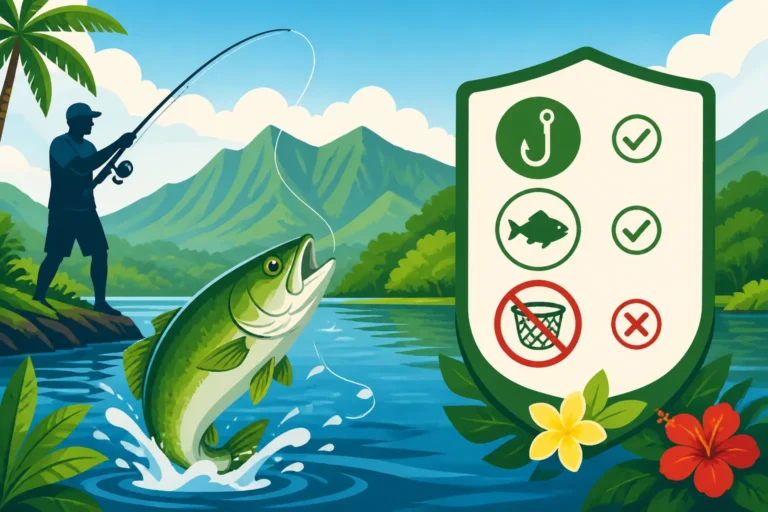
If you're on Oahu and dreaming of freshwater fishing, Wahiawa Public Fishing Area (PFA) is your go-to spot. It's truly Oahu's shining star for freshwater anglers, offering a completely different experience than our vast ocean fisheries. Unlike Nuuanu, Wahiawa Reservoir is explicitly managed for recreational fishing by the DLNR.
Here, you can target a variety of introduced species that thrive in the warm, nutrient-rich waters. The most sought-after species are often:
- Largemouth Bass: These are a favorite, offering exciting topwater action and a strong fight.
- Peacock Bass: Known for their vibrant colors and aggressive strikes, peacock bass are a thrilling catch.
- Tilapia: While often considered a panfish, they can grow to decent sizes and offer consistent action.
- Channel Catfish: If you're looking for a relaxing bottom-fishing experience, these can be a fun target.
To fish Wahiawa Reservoir, you will need a freshwater fishing license. This is a common point of confusion for residents, as no license is required for marine fishing for residents. However, freshwater is different! You can find all the details on requirements and how to get yours in our Hawaii freshwater fishing license and rules guide. Wahiawa Reservoir has specific rules regarding bag and size limits for each species, as well as permitted fishing methods. It's a wonderful place to spend a day, whether you're bank fishing, using a kayak, or even a small boat. Don't forget to check out our deep dive into Hawaii Wahiawa Reservoir Fishing Rules for everything you need to know before you go!
Kokee Public Fishing Area on Kauai
While not on Oahu, it's worth mentioning another fantastic freshwater opportunity for those who might be traveling between islands or just curious about Hawaii's diverse fishing scene: the Kokee Public Fishing Area (PFA) on Kauai. This is a completely different world from Wahiawa. Up in the cool, misty mountains of Kauai, the streams and ditches of Kokee are regularly stocked with rainbow trout.
This is Hawaii's only wild trout fishery, offering a unique cold-water angling experience. It's a seasonal fishery, typically opening in the summer months, and it requires a special trout stamp in addition to your freshwater license. The scenery alone is worth the trip, with lush forests and crisp mountain air. If you're looking for a true "get away from it all" experience and love the challenge of trout fishing, Kokee is an absolute must-try. You can learn more about specific dates and rules in our post on Hawaii Kokee Trout Fishing Season Dates.
Preparing for Permitted Freshwater Adventures
Once you've identified your legal freshwater fishing spot, like Wahiawa Reservoir or Kokee, a little preparation goes a long way.
1. Getting Your License: As mentioned, a freshwater fishing license is mandatory. Don't skip this step! It's usually a straightforward process to apply online or at authorized vendors. You can get more info on topics like Hawaii Freshwater Game Fishing License Cost or Hawaii Freshwater License Age Requirements to make sure you're covered.
2. Essential Gear: For freshwater fishing, especially at Wahiawa, you'll want appropriate gear for bass, peacock bass, or catfish.
* Rods and Reels: Medium-light to medium spinning or baitcasting setups are generally ideal.
* Line: Monofilament or fluorocarbon lines in the 8-15lb range work well.
* Lures/Bait: Soft plastic worms, crankbaits, spinnerbaits, and topwater lures are popular for bass. Live bait like worms or shrimp can be very effective for catfish and even tilapia. For Kokee, small spinners, flies, or even PowerBait are often used for trout.
* Terminal Tackle: Hooks, weights, swivels, and a tackle box to keep it all organized.
* Other Essentials: Sunscreen, a hat, polarized sunglasses, insect repellent (especially important for freshwater areas!), water, snacks, and a cooler for any fish you plan to keep. You can find a lot of great, affordable freshwater fishing gear on Amazon, from starter kits to specialized lures for peacock bass.
3. Staying Informed: Before any trip, double-check the DLNR/DAR website for any last-minute closures, special notices, or regulation changes. Weather conditions can also impact access, especially in remote areas. Local bait and tackle shops are also fantastic resources for current conditions and what's biting.
Here's a quick comparison of Hawaii's accessible freshwater fishing spots:
| Reservoir/Area | Island | Primary Target Species | License Required | Special Requirements | Typical Access |
|---|---|---|---|---|---|
| Nuuanu Reservoirs | Oahu | (Historically Bass, Tilapia, Catfish) | N/A | CLOSED TO PUBLIC FISHING | Restricted |
| Wahiawa Reservoir | Oahu | Largemouth Bass, Peacock Bass, Tilapia, Catfish | Yes (Freshwater) | Specific bag/size limits; some boat restrictions | Public Access (PFA) |
| Kokee PFA | Kauai | Rainbow Trout | Yes (Freshwater) | Trout Stamp required; Seasonal (usually summer) | Public Access (PFA) |
| Nuuanu Stream | Oahu | (No established fishery) | No | Check local land access/trespassing rules | Varies |
| Other Streams/Ponds | Various | Tilapia, Guppies, other small introduced species | No | Most are not managed for fishing; check land access | Varies |
Note: For stream and pond fishing outside of designated PFAs, while a license isn't generally required for non-game species, respectful land access and adherence to general aquatic regulations are paramount. Most streams are very shallow and not managed for recreational fishing.
Respecting Our `Āina: Conservation and Ethical Angling
Understanding the restrictions at Nuuanu Reservoir isn't just about avoiding a fine; it's about embracing a deeper philosophy of conservation that is central to living and fishing in Hawaii. The Hawaiian concept of `āina (land, earth) emphasizes a deep, respectful connection to natural resources.
The Bigger Picture: Protecting Hawaii's Resources
Hawaii's natural environment is unique and fragile. Freshwater sources, in particular, are vital not only for human consumption but also for the delicate ecosystems they support, including native stream organisms. When we respect regulations like those at Nuuanu, we're contributing to a much larger effort to protect these irreplaceable resources. It's about ensuring that future generations have access to clean water, healthy fish populations, and vibrant natural spaces.
Every time you choose to fish in a designated public fishing area, obtain the correct license, and adhere to bag and size limits, you're playing an active role in sustainable resource management. Your fishing license fees directly support the conservation efforts of the DLNR, helping to fund stocking programs, habitat restoration, and enforcement that benefits all anglers.
Practicing Malama `Āina in Your Fishing Habits
"Mālama `āina" means to care for the land. As anglers, we have a special responsibility to embody this principle. Even in open and permitted fishing areas, consider these practices:
- Leave No Trace: Pack out everything you pack in, and if you see litter, pick it up. This includes fishing line, bait containers, and food wrappers.
- Respect Wildlife: Be mindful of all creatures, not just the fish you're targeting. Keep a safe distance from protected species like Hawaii's beloved nēnē (Hawaiian goose) or Hawaiian monk seals.
- Fish Responsibly: Adhere to all regulations. If you practice catch and release, do so with care to maximize the fish's survival.
- Educate Others: Share your knowledge about regulations and conservation with fellow anglers, especially those new to Hawaii. Encourage them to also get their licenses through official channels or find appropriate gear on platforms like Amazon that support ethical angling.
While it's disappointing that Nuuanu Reservoir fishing isn't an option, the clarity around its status allows us to turn our attention to the many legal and rewarding fishing experiences that Hawaii does offer. By understanding and respecting the rules, we not only avoid trouble but also become better stewards of these incredible islands. Now, go grab your gear, check your license, and get ready for some fantastic freshwater action at Wahiawa or even an unforgettable trout trip on Kauai!
Disclaimer
Please note that fishing regulations in Hawaii are subject to change by the Department of Land and Natural Resources (DLNR). While every effort has been made to provide accurate and up-to-date information in this guide, it is the angler's responsibility to verify current regulations before engaging in any fishing activity. Always consult the official Hawaii DLNR Division of Aquatic Resources (DAR) website for the most current rules, licenses, and advisories. This guide is for informational purposes only and does not constitute legal advice.