Hawaii fishing regulations for state park lakes
It can be incredibly confusing trying to figure out where you can and cannot fish in Hawaii's freshwater systems, especially when you start looking at areas within state parks. Many anglers assume all public waters are fair game, or that a general state license covers everything, but that's often not the case, particularly in sensitive areas like our state parks. This guide will walk you through the specific regulations governing fishing in Hawaii's state park lakes and associated freshwater bodies, helping you avoid fines and enjoy a responsible, productive fishing trip.
Understanding Hawaii's Freshwater Fishing Landscape
Hawaii, being an island chain, isn't exactly famous for its sprawling freshwater lakes like you might find on the mainland. Our freshwater fishing opportunities are primarily found in reservoirs, stream systems, and a few smaller ponds. When it comes to "state park lakes" specifically, the most prominent and popular example is the Kokee Public Fishing Area (PFA) located within Kokee State Park on Kauai. This area is unique and operates under its own distinct set of rules, which often differ significantly from marine regulations or even those for other public freshwater reservoirs not directly within a state park.
Many visitors and even some residents mistakenly lump all public fishing areas together. They might think that because a spot is accessible, it's open season, or that one license fits all scenarios. This oversight can lead to frustrating encounters with enforcement officers from the Department of Land and Natural Resources (DLNR). It's crucial to distinguish between ocean fishing, reservoir fishing, and the very particular rules for areas like Kokee, which is managed by the Division of Aquatic Resources (DAR) within the DLNR, but nestled inside a State Park. The terrain is often rugged, and the fishing experience is truly unique, making it worth understanding the specifics.
The Kokee Public Fishing Area: A Unique Case
The Kokee Public Fishing Area, or PFA, on Kauai, is Hawaii's only significant freshwater fishery for rainbow trout. It's a truly special place, offering a stark contrast to the typical image of Hawaiian fishing that most people envision. Instead of reeling in marlin from a deep-sea charter or casting for ulua from a rocky shoreline, you're hiking through cool, misty forests, casting flies or small lures into mountain streams and designated ponds. This unique environment comes with its own set of detailed regulations, all designed to protect the fragile ecosystem and ensure a sustainable fishery.
The trout here aren't native; they were introduced many years ago and are now maintained through a vigorous stocking program by the DLNR. This management means that rules are often very precise about when, where, and how you can fish, aiming to maximize angler success while still safeguarding the resource. For anyone looking to experience this specific type of fishing in Hawaii, understanding the Kokee PFA rules is paramount. These rules are usually published well in advance each year, and it’s always smart to check the latest updates directly from the DLNR website before planning your trip.
Distinguishing State Park Lakes from Other Freshwater Areas
It’s important to clarify that not all public freshwater fishing spots in Hawaii are considered "state park lakes" with the same regulatory framework as Kokee. For instance, large and popular reservoirs like Wahiawa Reservoir on Oahu or Nuuanu Reservoir on Oahu are managed by the DLNR's Division of Aquatic Resources, but they aren't typically situated within a designated State Park in the same way Kokee is. While they are public lands and offer excellent fishing for species like largemouth bass, peacock bass, and tilapia, their specific rules might differ.
The primary distinction often lies in the jurisdictional overlay. State Parks have their own overarching rules for park use, which then combine with DAR's specific fishing regulations. For other reservoirs, it's solely the DAR regulations that apply, sometimes with additional restrictions from the Board of Water Supply if the reservoir is also used for municipal water. Always verify the managing agency and its specific rules for any freshwater body you plan to fish. You can find more comprehensive information on the general Hawaii Freshwater Fishing License and Rules which details requirements for these other popular spots.
Key Regulations for Fishing in Hawaii State Park Freshwater Areas
Fishing in a Hawaii State Park freshwater area, particularly at Kokee, requires more than just showing up with a rod and reel. There are very specific rules regarding licenses, seasons, gear, and catch limits that anglers must adhere to. Ignoring these can lead to penalties, including fines and the loss of fishing privileges. The intent of these regulations is to manage the fishery responsibly, provide recreational opportunities, and protect the unique natural environment found within these parks.
License Requirements and Age Restrictions
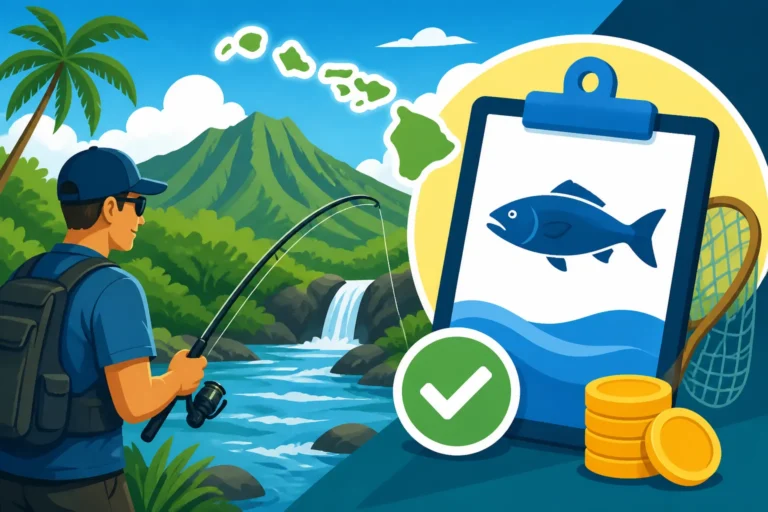
To legally fish for game fish in any freshwater area in Hawaii, including those within state parks like Kokee, you absolutely need a valid Hawaii Freshwater Game Fishing License. This is a separate license from any marine (ocean) fishing license. Don't make the mistake of assuming your ocean license covers you inland – it doesn't! Non-residents visiting Hawaii will need to obtain a non-resident freshwater license. For residents, the cost is typically lower. It's important to know Hawaii Freshwater Game Fishing License Cost as it varies by residency status and duration.
When it comes to age, there are specific guidelines. Generally, anglers under a certain age may not need a license, and seniors often have exemptions or discounts. For instance, those fishing in the Kokee Public Fishing Area who are 15 years of age or older must possess a valid freshwater fishing license. It’s always best to check the current Hawaii fishing license age exemptions summary or directly with the DLNR to confirm the exact age requirements before your trip, especially if you're planning a family outing with younger anglers or fishing with kūpuna (elders). You can easily purchase these licenses online through the DLNR website or from authorized vendors across the islands.
Seasons and Time Restrictions
One of the most defining characteristics of fishing in the Kokee Public Fishing Area is its very specific and limited season. Unlike ocean fishing, which is largely year-round for many species, rainbow trout fishing at Kokee typically runs for a short window, usually from the first Saturday in August through the last day of September, though these dates can vary slightly year to year. Outside of this designated season, trout fishing in these waters is strictly prohibited. This seasonal closure allows the trout population to reproduce and recover, contributing to a healthy and sustainable fishery.
Beyond the seasonal dates, there might also be daily time restrictions for fishing within the park. For example, fishing might only be permitted during daylight hours or between specific times to reduce impact on wildlife or other park visitors. Always consult the most current DLNR Kokee PFA regulations. The Hawaii Kokee Trout Fishing Season Dates is an internal link that provides more detail on this, and it's something you should check every year, as subtle changes can occur based on environmental conditions and management objectives.
Gear, Bait, and Lure Restrictions
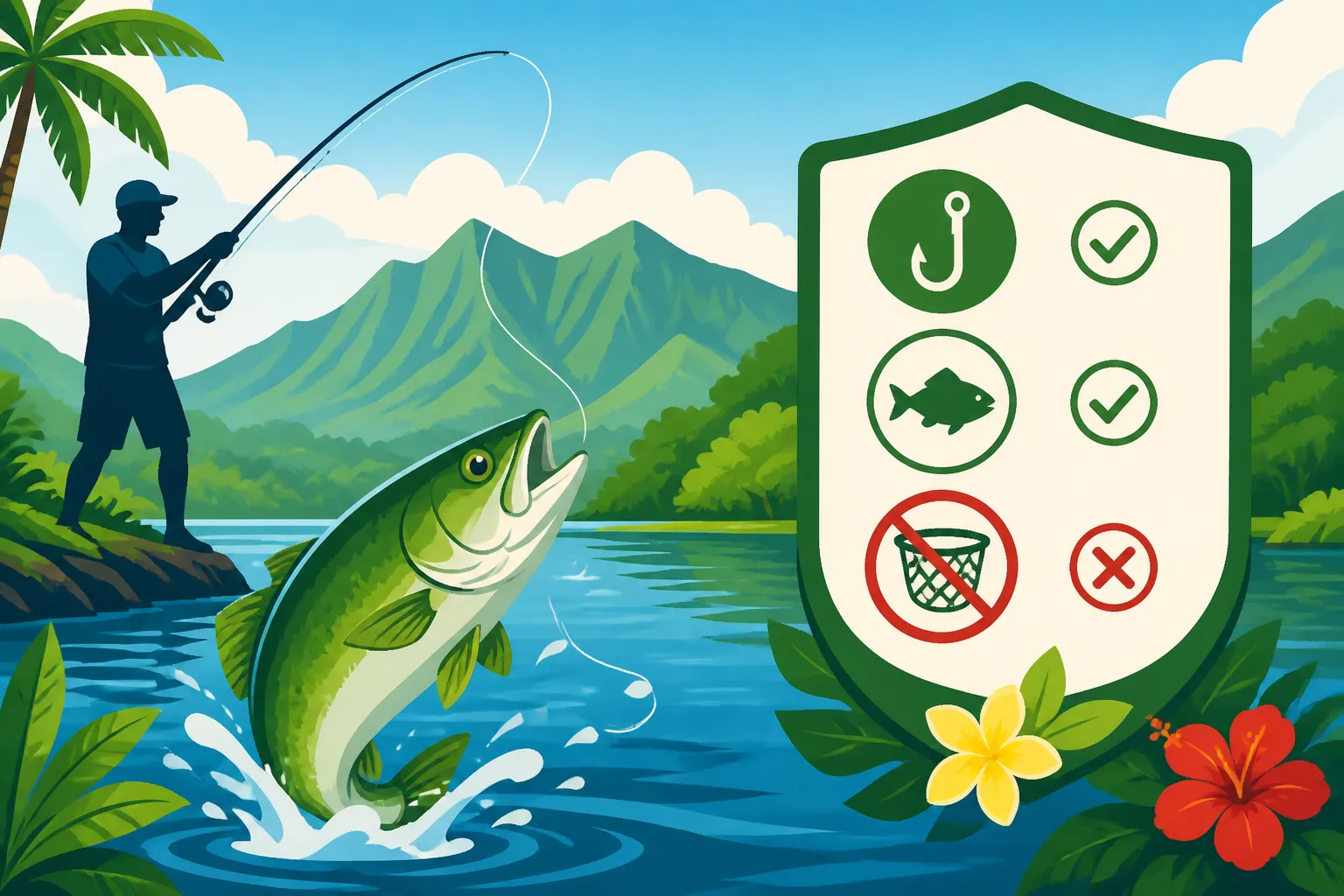
The type of gear you can use in Hawaii State Park freshwater areas, especially Kokee, is often highly regulated. This is primarily to protect the fishery and ensure fair chase. At Kokee, the rules are particularly stringent for trout. Anglers are typically restricted to using artificial lures only, with a single barbless hook. This means no live bait, no dead bait, and no treble hooks. The "barbless" requirement is crucial for catch and release, minimizing harm to the fish.
It's common to see anglers using small spinners, spoons, or fly-fishing setups with flies designed to imitate local insects. If you're buying gear, make sure it complies with these rules. You can find a wide variety of compliant lures and flies on platforms like Amazon, but always double-check the specifics. Using bait or barbed hooks is a quick way to get a citation, so don't risk it. Understanding these specific gear restrictions is just as important as having your license.
Bag and Size Limits for Species
Just like in saltwater, freshwater fishing in state parks comes with strict bag and size limits, especially for regulated species like the rainbow trout at Kokee. These limits are in place to prevent overfishing and maintain healthy populations. For Kokee trout, you can typically expect a daily bag limit of a certain number of fish, and there might also be a minimum size limit. For instance, in past seasons, the daily bag limit has been 10 rainbow trout, with no minimum size limit. However, these specifics can change, so always check the latest regulations.
Catching and keeping fish beyond the legal limit, or keeping undersized fish where a minimum size is enforced, can result in significant penalties. It's your responsibility as an angler to know these limits and adhere to them. Have a ruler or measuring tape handy, and if in doubt, release the fish. The Hawaii Bag and Size Limits by Species article provides a broader context for how these limits are applied across different fishing environments in Hawaii, but always prioritize the specific park-level regulations for your freshwater outing.
Respecting the Environment and Other Park Users
Fishing within a state park means you're not just accessing a fishing spot; you're enjoying a protected natural area that's often shared with hikers, campers, bird watchers, and other nature enthusiasts. Being a responsible angler in this environment goes beyond just following fishing regulations; it also means respecting the park's broader rules and principles of conservation.
Leave No Trace Principles
The "Leave No Trace" philosophy is incredibly important, especially in pristine environments like Kokee State Park. This means packing out everything you pack in, including all your trash, discarded fishing line, and any food waste. Never leave behind bait containers, lure packaging, or plastic bottles. Littering not only pollutes the environment but can also harm wildlife. Imagine a bird getting entangled in discarded fishing line or an animal ingesting plastic. Keep the area beautiful for everyone and minimize your impact.
Adhering to these principles also extends to disturbing the natural landscape. Avoid trampling sensitive vegetation, stay on marked trails whenever possible, and be mindful of your footsteps, especially near stream banks where erosion can be a problem. The beauty of these state parks is their natural state, and it’s up to all of us to preserve that.
Shared Use and Etiquette
State parks are multi-use areas. While you might be focused on landing that trophy trout, others might be enjoying a peaceful hike, birdwatching, or picnicking. Be mindful of your noise levels, especially early in the morning or late in the afternoon when wildlife is most active and other visitors might be seeking tranquility. If you encounter hikers on a trail that runs near your fishing spot, give them space and be courteous.
Consider how your fishing activities might affect others. Casting lines near popular swimming or picnic areas is generally discouraged. If you’re playing music, keep it low and contained. Shared access is a privilege, and good etiquette ensures that everyone can enjoy the park harmoniously. By being a respectful and considerate user, you contribute to a positive experience for all who visit these incredible natural spaces.
Special Regulation Waters and Protected Areas
Within state parks, and even in other public freshwater areas, there can be specific zones designated as "Special Regulation Waters" or protected areas where fishing might be entirely prohibited or have even stricter rules. These areas are often set aside for ecological research, habitat restoration, or as sanctuary zones for native aquatic species. For example, some stream sections might be closed to fishing to protect spawning grounds or rare endemic species.
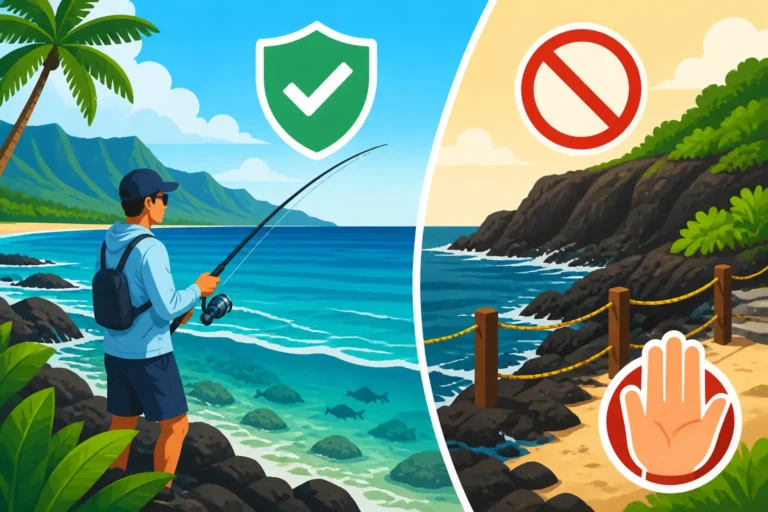
It's critical to pay attention to signage within the park. Look for posted notices, maps, or specific information from park rangers or the DLNR website. Assuming that "public park" means "public fishing" everywhere within its boundaries is a common mistake that can lead to violations. If you're unsure about a specific spot, err on the side of caution and consult official sources. Understanding these nuances is part of being a well-informed and responsible angler in Hawaii.
Planning Your State Park Fishing Trip
A successful and compliant fishing trip to a Hawaii State Park freshwater area, like Kokee, requires careful planning. From securing your license to understanding the local conditions, a little preparation goes a long way.
Essential Gear and Supplies
Beyond your rod, reel, and compliant lures, consider what else you’ll need for a day in a state park. The weather in Hawaii's mountain parks can change rapidly. One minute it's sunny, the next it's misty and cool. Layered clothing is a must, including a waterproof jacket. Sturdy hiking boots are essential, as access to many fishing spots in Kokee, for example, involves walking on uneven and potentially slippery trails. Don't forget bug spray, especially during warmer months.
Sun protection is always important in Hawaii, even on cloudy days in the mountains, so bring a hat, sunglasses, and sunscreen. A small backpack to carry water, snacks, and any personal items is also a good idea. For carrying your catch (if you plan to keep fish within legal limits), a small cooler or insulated bag can be very useful. Many of these essential items can be easily found on Amazon or at local sporting goods stores before your trip. Always double check your gear to ensure it’s in good working order before you head out, especially if you’re relying on a specific reel or fly rod.
Checking Conditions and Updates
Before heading out to any state park for fishing, always check the current weather conditions, especially for mountain areas which can be prone to sudden rain, fog, or flash floods. Heavy rains can make stream fishing difficult or dangerous, leading to murky water and strong currents. You can often find local weather forecasts online or through news channels.
It's also vital to check for any park-specific alerts or closures. Sometimes, trails might be closed due to maintenance, hazardous conditions, or even active wildlife management. The DLNR Division of State Parks website or the Division of Aquatic Resources website will be your best resources for up-to-date information regarding park status and fishing regulation changes. For example, the Hawaii Kokee rainbow trout season opening date is something that can fluctuate slightly, so a quick check ensures you don't miss out or arrive on a closed day.
Finding Access Points and Parking
Accessing fishing spots within state parks might not always be straightforward. While some areas have designated parking lots and well-maintained trails, others might require a bit more effort to reach. Always park in designated areas to avoid citations or having your vehicle towed. Off-road parking can also damage sensitive ecosystems, so stick to established spots.
Familiarize yourself with the park map before you go. Many state parks provide maps online or at visitor centers. These maps often highlight trails, points of interest, and sometimes even indicate public fishing areas. For example, in Kokee, knowing which streams are open for trout fishing and how to reach them safely is crucial. If you're new to an area, consider asking local anglers (respectfully, of course) or park rangers for advice on the best access points and current conditions. This localized knowledge can be invaluable for a successful and safe trip.
Table: Summary of Common Freshwater Fishing Regulations (Kokee PFA Example)
To help visualize some of these regulations, here's a general overview, using Kokee Public Fishing Area as our primary state park example. Remember, these are general guidelines, and always refer to the latest official DLNR regulations before your trip as details can change annually.
| Regulation Category | Kokee Public Fishing Area (Rainbow Trout) | Other Major Freshwater Reservoirs (e.g., Wahiawa) |
|---|---|---|
| License Required | Hawaii Freshwater Game Fishing License (age 15+) | Hawaii Freshwater Game Fishing License (age 15+) |
| Season Dates | Typically first Saturday in August – September 30th (annual variance possible) | Year-round for most species (e.g., bass, tilapia) |
| Daily Time Limits | Generally daylight hours, specific times often posted | Generally daylight hours, specific times often posted for some reservoirs |
| Allowed Gear | Artificial lures only, single barbless hook | Artificial lures, flies, and bait generally allowed (check specifics for each reservoir) |
| Bag Limit | 10 Rainbow Trout (check annual updates) | Varies by species (e.g., Largemouth Bass, Peacock Bass, Tilapia – no limit on invasives) |
| Size Limit | No minimum size limit for Rainbow Trout (check annual updates) | Varies by species (some species may have minimum size, others none) |
| Bait Allowed | No live or dead bait | Yes, typically allowed (e.g., worms, bread) |
| Jurisdiction | DLNR-DAR (within State Park framework) | DLNR-DAR (often with Board of Water Supply overlay) |
This table highlights the significant differences between a highly regulated state park fishery and other public freshwater bodies. The specificity for Kokee is a direct result of its unique role as Hawaii's only significant managed trout fishery. For detailed rules on other important fishing locations, you might want to look into Hawaii Wahiawa Reservoir Fishing Rules to see how they compare.
Final Thoughts on Responsible State Park Fishing
Fishing in Hawaii's state park freshwater areas is an experience unlike any other, a chance to connect with a different side of the islands' natural beauty. Whether you're chasing rainbow trout in the cool mountain streams of Kokee or exploring other freshwater opportunities that might fall under similar protective designations, understanding and respecting the regulations is key.
Remember, the rules are there for a reason: to protect these precious resources for future generations and to ensure everyone can enjoy them responsibly. Always verify the most current regulations, obtain the correct licenses, and practice good stewardship of the land and water. Happy fishing, and enjoy the unique freshwater adventures Hawaii has to offer!
Disclaimer
Please note that fishing regulations in Hawaii are subject to change. While every effort has been made to provide accurate and up-to-date information, it is the angler's responsibility to consult the most current official regulations from the Hawaii Department of Land and Natural Resources (DLNR) before engaging in any fishing activities. This guide is for informational purposes only and should not be considered a substitute for official legal advice or current regulations.