Waimea Bay Fishing Access
Finding excellent fishing spots on Oahu, especially ones that offer both accessibility and a chance at some truly impressive catches, can feel like searching for a hidden treasure. Waimea Bay, with its legendary waves and stunning natural beauty, is more than just a surfer's paradise; it holds incredible potential for anglers willing to understand its unique characteristics. This guide will take a deep dive into everything you need to know about fishing access at Waimea Bay, from navigating its changing conditions to the best techniques and species you can hope to encounter.
Understanding Waimea Bay's Unique Environment for Anglers
Waimea Bay is a dynamic environment, constantly shaped by the powerful Pacific Ocean. Its reputation for massive winter swells often overshadows its quieter, fish-filled personality during the calmer summer months. For an angler, understanding this ebb and flow is key to a successful trip. The blend of sandy beach, rocky outcrops, and varying depths creates a diverse habitat for a wide array of marine life, offering different opportunities for different fishing styles.
The Iconic North Shore Swell and its Impact on Fishing
During the winter months, typically from November to March, Waimea Bay transforms into a global epicenter for big wave surfing. Massive swells generated by distant storms travel across the Pacific, funneling into the North Shore and creating waves that can reach 20 to 30 feet or more. While this spectacle is breathtaking, it dramatically impacts fishing access and safety. During these periods, shore casting becomes incredibly challenging, if not downright dangerous, due to powerful shore breaks and rip currents. The turbid water also makes spearfishing impossible, and even kayak or SUP fishing within the bay can be hazardous.
However, even the big swells have a silver lining. The churned-up water and increased current can dislodge baitfish and marine invertebrates, creating a feeding frenzy further offshore or in protected pockets after the largest swells subside. It's often during the transition periods, when the swell is dropping but still has some push, that some of the biggest ulua move in closer to shore, ambushing prey disoriented by the waves. This requires local knowledge and keen observation, but the rewards can be substantial for those who time it right and prioritize safety above all else. Always check local surf reports before heading out, especially during the winter.
Reef Structure and its Marine Inhabitants
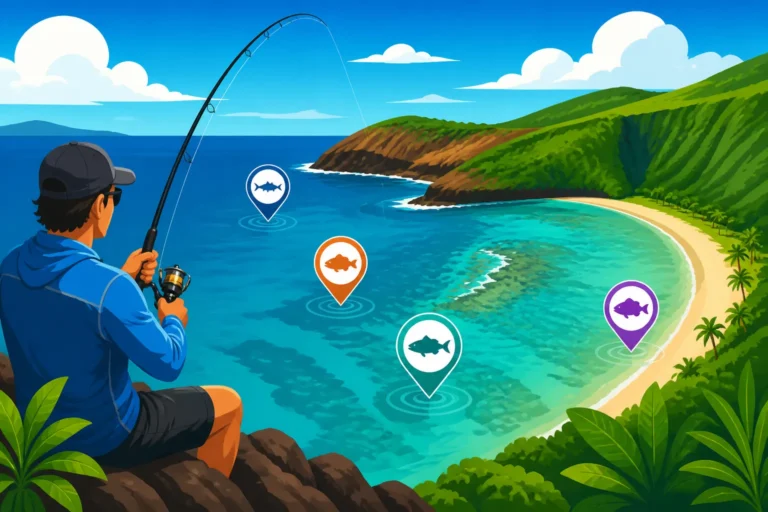
Beneath the often-sandy surface of Waimea Bay lies a complex system of coral reefs and lava rock formations. These underwater structures are the backbone of the bay's ecosystem, providing shelter, feeding grounds, and spawning areas for numerous fish species. Towards the northern end of the bay, particularly around the rocky point known as "The Wall," the reef structure is more pronounced and extends further offshore. This is where you'll find a higher concentration of reef-dwelling fish.
These reefs are home to a vibrant community of fish, from the colorful parrotfish (uhu) to various species of goatfish like kumu and weke. You might also encounter surgeonfish, triggerfish, and a variety of smaller baitfish that attract larger predators. Unfortunately, like many Hawaiian reefs, Waimea also sees its share of invasive species like taape (bluestripe snapper) and roi (peacock grouper), which compete with native fish for resources. Understanding these reef structures is vital for anglers targeting specific species; knowing where the ledges, caves, and sand channels are can make all the difference for a successful spearfishing dive or bottom fishing session from a kayak.
Seasonal Changes and Optimal Conditions
Waimea Bay experiences distinct fishing seasons that largely correspond to the presence or absence of large surf. The summer months, roughly April through October, are generally considered the prime time for fishing due to calmer ocean conditions. During this period, the bay's waters become clearer, making sight fishing and spearfishing much more viable. The absence of massive swells allows for easier access to the outer reefs and deeper channels via kayak or stand-up paddleboard (SUP), opening up opportunities for catching larger pelagic fish that might venture closer to shore.
Beyond just the swell, water temperature plays a role. Warmer summer waters often bring in schools of baitfish, which in turn attract predators like papio, ulua, and even occasional mahimahi or ono further offshore. Conversely, the cooler, more turbulent winter waters, while challenging, can sometimes push deep-water species closer to the coast as they seek food. Tides are another crucial factor, with incoming and outgoing tides often concentrating baitfish and creating current lines where predators lie in wait. Generally, the hours around sunrise and sunset, combined with a moving tide, offer the most productive windows. Always keep an eye on weather forecasts, tide charts, and surf reports to plan your visit for the best possible conditions.
Accessing Waimea Bay: Parking, Shoreline, and Safety
Getting to Waimea Bay and setting up your fishing gear requires a bit of planning, especially given its popularity. It's not just about finding a spot to cast; it's also about understanding the terrain and prioritizing your safety in this powerful ocean environment.
Parking Considerations and Early Bird Tactics
Waimea Bay State Park offers a dedicated parking lot, but during peak times, especially weekends and holidays, it fills up incredibly fast. If you're planning a fishing trip, particularly if you want to be on the water around sunrise, arriving well before dawn is almost a necessity. This 'early bird' strategy not only secures you a parking spot but also gives you the advantage of fishing during the prime morning bite. The parking lot can accommodate a decent number of vehicles, but it's still a constant challenge.
If the main lot is full, there are limited roadside parking options along Kamehameha Highway, but these often involve a walk, and you must be extremely mindful of "no parking" signs and local residents' driveways. Parking illegally can quickly lead to a ticket or even towing, which is the last thing you want to deal with when you're focused on fishing. Consider carpooling if you're going with friends, and always be respectful of the local community. There are also times when events like surf contests or cultural gatherings close off or severely restrict access, so checking local event calendars can save you a wasted trip.
Navigating the Shoreline and Public Access Points
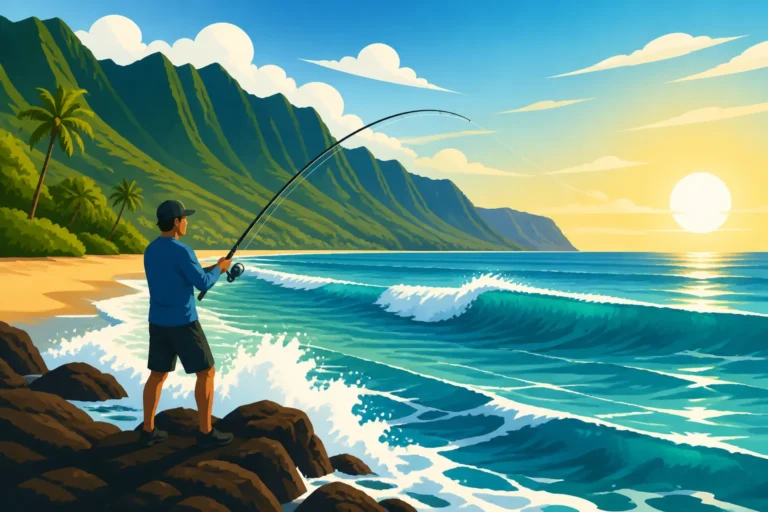
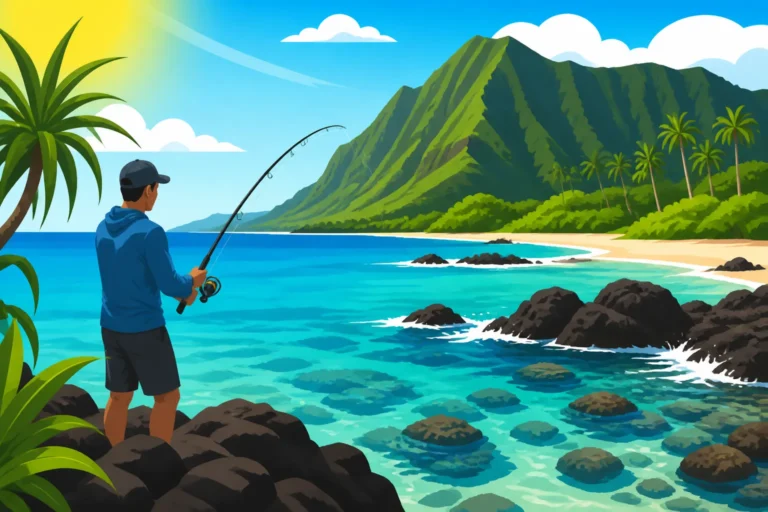
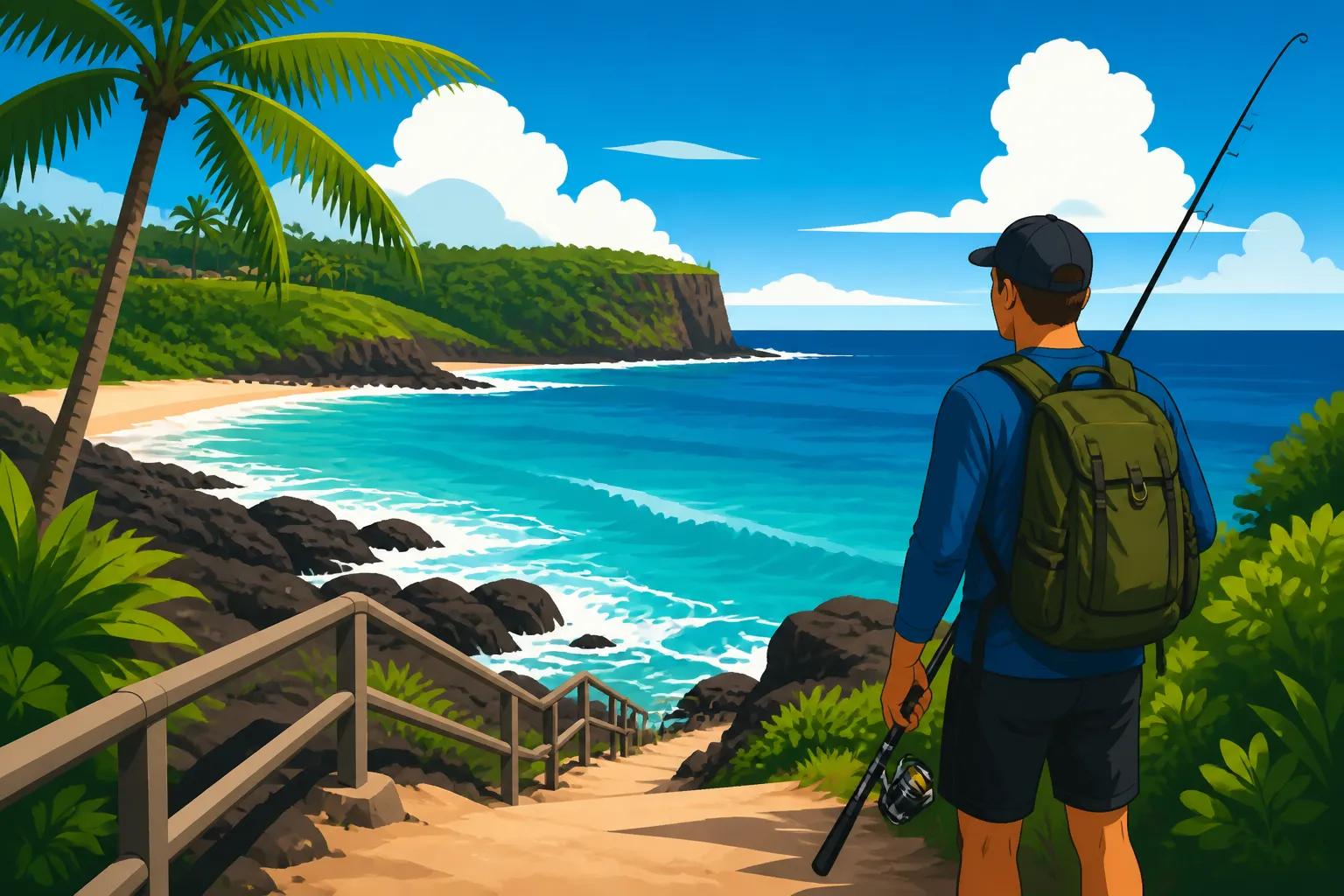
The shoreline at Waimea Bay primarily consists of a beautiful sandy beach, flanked by rocky points on both the northern and southern ends. Public access to the beach is straightforward from the parking lot. For shore anglers, the sandy stretches are ideal for casting, especially during calmer conditions when you can walk the beach and target areas where the waves are breaking or where there are visible sand channels. The northern rocky point, often called "The Wall" by locals, offers excellent opportunities for rock fishing, but it requires careful footing and an awareness of incoming waves.
It's important to remember that while the beach is public, some adjacent areas may be private property. Always respect boundaries and stick to clearly designated public access points. Understanding Hawaii shoreline fishing rights and public access rules is crucial wherever you fish on the islands. When navigating the rocky areas, wear appropriate footwear with good grip – lava rock can be surprisingly sharp and slippery. Always observe the ocean conditions for a few minutes before approaching the water, noting where waves are breaking and any strong currents.
Essential Safety Precautions for Waimea Bay
Waimea Bay, despite its stunning beauty, demands respect. The ocean here can be incredibly powerful, especially outside of the calmest summer days. For shore anglers, the primary concerns are rogue waves and strong currents. Even on seemingly calm days, an unexpected larger set can wash over the rocks or sweep you off your feet on the beach. Never turn your back on the ocean. Always gauge the size of the surf and the strength of the rip currents before wading into the water. If the waves are too large, or you're uncomfortable, it's always better to err on the side of caution.
For those venturing out on kayaks or SUPs, beyond the break, safety is paramount. Always go with a buddy, wear a personal flotation device (PFD), and have a leash for your board or kayak. Carry a whistle, a dive flag if spearfishing, and a cell phone in a waterproof bag. The channel leading out through the surf can be treacherous, requiring strong paddling skills and an understanding of how to navigate breaking waves. If you're unsure, watch experienced watermen and women for a while before attempting it yourself. Always be aware of other water users – surfers, swimmers, and bodyboarders – and give them ample space. The ocean here is shared, and mutual respect ensures everyone's safety and enjoyment.
Popular Fishing Techniques at Waimea Bay
Waimea Bay offers a versatile environment for various fishing styles, each suited to different conditions and target species. From casting lines from the sand to venturing out on a kayak, knowing the right approach can significantly improve your chances of a successful outing.
Shore Casting for Papio and Ulua
Shore casting is arguably the most popular and accessible fishing technique at Waimea Bay. This method involves casting bait or lures from the beach or rocky shoreline into the surf zone or deeper channels. For anglers targeting smaller trevally (papio), light to medium tackle is often sufficient. Popular baits include live shrimp, limu (seaweed), or small pieces of cut fish, fished on a sliding sinker rig or a simple float rig. Whipping with small artificial lures, such as Kastmasters, small poppers, or soft plastics, can also be incredibly effective for enticing a bite from an aggressive papio. Learning how to catch papio on Hawaii's shoreline often involves reading the water to identify areas where baitfish might be congregating or where current creates feeding opportunities.
For those aspiring to land a formidable ulua (giant trevally), heavier gear is a must. A stout surf rod, a large spinning reel capable of holding hundreds of yards of heavy monofilament or braided line, and a strong leader are essential. The technique for how to catch ulua from shore often involves "slide baiting" or casting large, heavy sinkers with substantial cut baits or whole fish baits like opelu or akule. Anglers will often cast out a heavy lead, let it settle, and then clip a baited line to the main line, allowing the bait to slide down to the ocean floor. This method allows the bait to be presented in deeper water or beyond the primary surf break where these larger predators cruise. Night fishing can be particularly productive for ulua, as they are often more active feeders under the cover of darkness.
Spearfishing the Reefs with Regulations Caveats
For the adventurous angler, Waimea Bay's clear summer waters offer fantastic opportunities for spearfishing, particularly around the rocky points and outer reef structures. This method involves diving with a snorkel, fins, and a pole spear or Hawaiian sling to hunt fish directly. Species like uhu (parrotfish), kumu (goatfish), and various surgeonfish are common targets on the reefs. Spearfishing allows for selective harvesting, letting divers choose specific, legal-sized fish. It's an incredibly immersive way to experience the underwater world, but it demands excellent breath-holding skills, strong swimming ability, and a deep understanding of marine life and ocean conditions.
Before you even think about putting on your fins, it's absolutely critical to be intimately familiar with Hawaii spearfishing regulations. There are specific size limits, bag limits, and seasonal closures for many species. For example, understanding the rules for Uhu (Parrotfish) in Hawaii is crucial, as some species or color phases have specific protections. Certain areas might also have restrictions, and it's always illegal to spearfish with SCUBA gear. Always carry a dive flag to alert boaters and jet skiers to your presence, and never spearfish alone. Respect for the reef and its inhabitants, practicing sustainable harvesting, and staying well within your personal limits are paramount.
Kayak and SUP Fishing Beyond the Break
For those looking to venture beyond the immediate shoreline without the commitment of a full charter boat, kayak or stand-up paddleboard (SUP) fishing offers a fantastic alternative at Waimea Bay. Once you've safely navigated through the surf break, a world of opportunity opens up. This method allows anglers to access deeper reef lines, FADs (Fish Aggregating Devices) if they are within paddling distance, or simply troll along the edge of the drop-offs. Kayak fishing techniques for Hawaii waters can range from light tackle jigging for bottomfish to trolling small lures for pelagic species like small tuna, mahimahi, or ono that might be passing through.
A well-equipped fishing kayak or SUP will have rod holders, tackle storage, and perhaps even a fish finder. Stability is key, especially when paddling through the surf or battling a strong fish. It's a physical endeavor, but the ability to silently approach fishing grounds and cover more water than from shore can be incredibly rewarding. As always, safety is the number one priority. Check weather and wind forecasts meticulously, wear a PFD, and file a float plan with someone on shore. While FishingBooker is a great resource for booking a full-fledged charter for deeper water, for those sticking to personal watercraft, self-reliance and preparedness are your best allies at Waimea.
Target Species and What to Expect
Waimea Bay's diverse habitats support a wide range of fish, from the smaller reef dwellers to powerful pelagic predators. Knowing what you're likely to encounter can help you tailor your gear and techniques for the best results.
Papio and Ulua: The Shore Angler's Dream
For many shore anglers in Hawaii, the pursuit of papio and ulua is a passion. Papio are juvenile trevally species, generally weighing a few pounds. They are aggressive feeders and provide exciting action on lighter tackle. You'll find them cruising the surf line, around rocky outcrops, and in shallow sand channels, often ambushing baitfish or crustaceans. They hit a variety of baits and lures, making them a great target for both experienced and novice anglers.
Ulua, on the other hand, are the mature versions of giant trevally (Caranx ignobilis), and they are truly the kings of the Hawaiian shore. These powerful fish can weigh upwards of 100 pounds, though specimens in the 20-60 pound range are more common targets from shore. They are renowned for their incredible strength and endurance, making them one of the most sought-after game fish in Hawaii. Ulua (Giant Trevally) Fishing in Hawaii is an endeavor that requires patience, heavy-duty gear, and often, the willingness to fish through the night. They are typically found in deeper channels, around rocky points, and in areas with strong current, feeding on larger baitfish and crustaceans. Landing a trophy ulua from the shore at Waimea Bay is a monumental achievement and a true test of an angler's skill and grit.
Reef Fish: Uhu, Kumu, and Taape
The vibrant reefs of Waimea Bay teem with a variety of colorful and tasty reef fish. Uhu, or parrotfish, are a common sight, recognizable by their distinctive beaks and often iridescent colors. Different species of Uhu (Parrotfish) in Hawaii have varying sizes and colorations, and they are primarily herbivorous, grazing on algae from the rocks. They can be caught by spearfishing or with small baits (like limu or pieces of shrimp) fished carefully around the reef structure.
Kumu, or goatfish, are another popular target. These bottom-dwelling fish are known for their distinctive barbels (whiskers) which they use to root around in the sand for invertebrates. They are delicious eating and can be caught with small pieces of cut bait, shrimp, or even small jigs fished close to the bottom. Along with these native species, you'll also encounter Invasive Taape and Roi in Hawaii. Taape, the bluestripe snapper, are prolific and often found in schools over the reefs. Roi, the peacock grouper, are aggressive ambush predators. While both are invasive, they are often targeted by spearfishers and anglers for their table fare and to help reduce their impact on native populations.
Occasional Pelagic Visitors
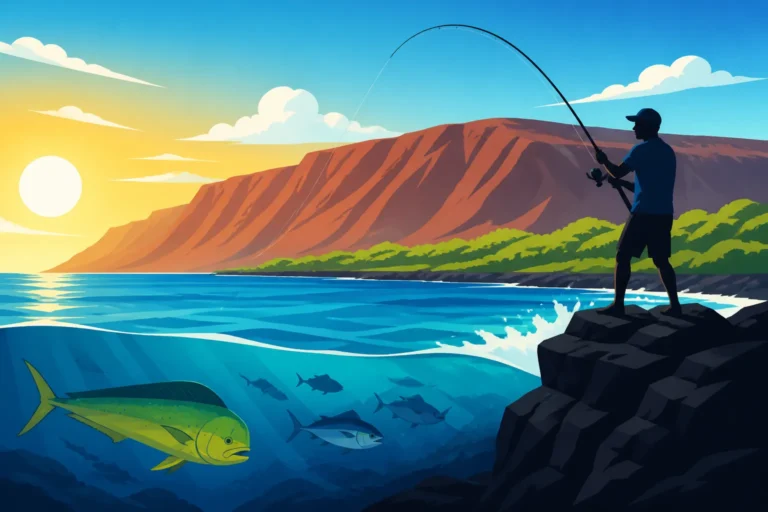
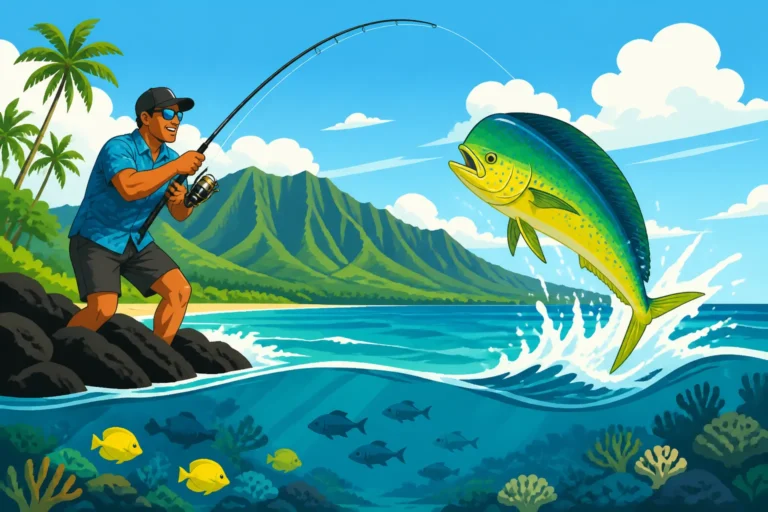
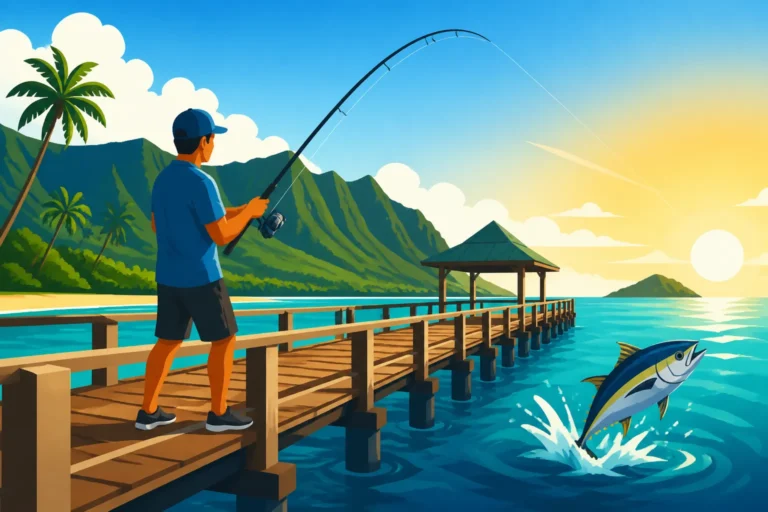
While Waimea Bay is primarily known for its shore and reef fishing, its proximity to deeper water means that occasionally, pelagic species will venture closer to shore. During periods of calm seas, particularly in the summer, schools of akule (bigeye scad) or opelu (mackerel scad) might gather near the bay, attracting larger predators. It's not unheard of for smaller mahimahi (dolphin fish), ono (wahoo), or even small ahi (yellowfin tuna) to be caught by anglers trolling lures from kayaks or small boats just outside the bay's main break.
These encounters are less common than landing a papio or uhu, but they highlight the dynamic nature of Hawaii's ocean environment. If you're out on a kayak and spot diving birds or schools of baitfish, it's always worth trying a faster retrieve with a flashy lure. While you wouldn't typically book a Kona Coast fishing charter through FishingBooker specifically for Waimea Bay pelagics, the possibility adds an exciting element of surprise to any fishing trip there.
| Fishing Method | Primary Target Species | Typical Gear | Pros | Cons |
|---|---|---|---|---|
| Shore Casting | Papio, Ulua, Moi | Heavy surf rods, large spinning reels, 20-80lb line, heavy sinkers, cut bait/lures | Accessible, exciting fights, potential for trophy ulua | Requires heavy gear for ulua, challenging in big surf |
| Spearfishing | Uhu, Kumu, Taape, Roi | Pole spear/Hawaiian sling, mask, snorkel, fins | Selective harvesting, immersive experience, fresh table fare | Requires strong swimming, breath-holding, strict regulation knowledge, dangerous in rough conditions |
| Kayak/SUP Fishing | Papio, Ulua, small Mahimahi, Ono | Medium to heavy kayak rods, spinning/baitcasting reels, light tackle for trolling/jigging | Access to outer reefs/deeper water, covers more ground | Requires skill to launch/land in surf, weather dependent, increased safety risks |
Regulations and Respecting the 'Aina (Land)
Fishing in Hawaii comes with a responsibility to understand and adhere to local regulations and to show deep respect for the ocean and land, known as the 'Aina. Waimea Bay is no exception, and being a responsible angler ensures the sustainability of its resources for future generations.
Waimea Bay's Specific Fishing Regulations
While Waimea Bay itself isn't a Marine Life Conservation District (MLCD) with blanket fishing prohibitions like some other spots, it falls under the general state-wide Hawaii Fishing Regulations Explained by the Department of Land and Natural Resources (DLNR), Division of Aquatic Resources (DAR). This means all general rules for recreational fishing apply. Crucially, while a marine fishing license is not required for Hawaii residents engaging in recreational ocean fishing, non-residents do need a license for all marine recreational fishing. This is a recent change that catches many visitors off guard.
Beyond licensing, pay close attention to Hawaii Bag and Size Limits by Species. Many popular fish, like ulua, papio (depending on species), uhu, and moi, have minimum size requirements and daily bag limits. For instance, specific species of uhu have very particular rules, and certain moi species have closed seasons. Spearfishing also has its own set of detailed regulations, including restrictions on certain gear and species. Always check the latest DLNR DAR regulations, which are updated periodically, to ensure you're compliant. Ignorance of the law is not an excuse, and penalties for violations can be significant.
Cultural Sensitivity and Sustainable Practices
Hawaii has a rich history of traditional and customary fishing practices, and respect for these traditions and the local community is paramount. When fishing at Waimea Bay, remember that it's a place of deep cultural significance and a popular recreational area for many. Be mindful of others using the bay – surfers, swimmers, and families – and always give them ample space. Avoid fishing near designated swimming areas or where people are actively surfing.
Practicing sustainable fishing means more than just following the regulations. It involves making conscious choices to minimize your impact. Consider catch and release for species you don't intend to eat or those that are particularly important to the ecosystem. Avoid overharvesting. If you're spearfishing, target invasive species like taape or roi when possible. If you encounter any protected species, such as Hawaiian green sea turtles (honu) or Hawaiian monk seals (ilioholoikauaua), observe them from a distance and never disturb them. These animals are federally protected, and disturbing them carries severe penalties.
Waste Management and Leaving No Trace
One of the most important principles for any outdoor activity, especially fishing, is to leave no trace. This is particularly vital in a beautiful and sensitive environment like Waimea Bay. Anglers often generate trash – fishing line, bait packaging, discarded hooks, and food wrappers. All of this must be packed out. Monofilament and braided line, in particular, are incredibly harmful to marine life if left in the environment. Discarded fishing line can entangle birds, turtles, and other marine animals, often leading to injury or death.
Carry a separate bag specifically for your trash, and ensure nothing blows away in the wind. If you're cutting bait, try to do so in a way that minimizes waste left on the beach. If you see trash left by others, consider picking it up if it's safe to do so. Our actions as individuals contribute to the health of the 'Aina. By taking responsibility for our waste and practicing good stewardship, we help preserve Waimea Bay as a pristine fishing and recreational area for everyone to enjoy.
Gear Recommendations for Waimea Bay
Having the right gear can make all the difference between a frustrating trip and a successful one at Waimea Bay. The dynamic conditions and variety of potential catches mean you'll want versatile and robust equipment.
Rods, Reels, and Lines for Shore Casting
For light tackle shore casting, especially when targeting papio, a medium-action spinning rod in the 7-9 foot range is a good choice. Pair this with a 3000-5000 series spinning reel spooled with 15-20 lb braided line, topped with a fluorocarbon leader of similar strength. This setup offers good casting distance, sensitivity, and enough backbone to handle a feisty papio. Brands like Shimano and Penn offer excellent mid-range options that are durable enough for saltwater.
If you're serious about targeting ulua from shore, you'll need significantly heavier gear. A specialized heavy-action surf rod, often 10-14 feet long, capable of casting heavy weights (4-8 ounces) is essential. Match this with a large, robust spinning reel (like an 8000-14000 series) or a heavy-duty conventional reel. Spool it with 50-80 lb braided line, connected to an even heavier monofilament or fluorocarbon leader (80-150 lb test) via a strong knot like a FG knot or Bimini twist. This formidable setup is necessary to cast the large baits needed for ulua and to withstand their powerful runs.
Lures and Baits That Get Bites
For papio, versatility is key. Small metal lures (like Kastmasters or Ahi Killers) in silver, chrome, or gold are very effective for imitating baitfish. Small poppers or stickbaits can also draw exciting topwater strikes. Soft plastic grub tails or swimbaits rigged on jig heads can be deadly when retrieved near the bottom. For natural bait, live or fresh dead shrimp, small pieces of squid, or cut pieces of opelu or akule are excellent choices.
When it comes to ulua, bigger is often better for bait. Whole or large chunks of fresh dead baitfish like opelu (mackerel scad), akule (bigeye scad), or even chunks of larger fish like skipjack tuna (aku) are prime choices. Some anglers also use octopus (tako) for ulua. These baits are typically fished on large, strong circle hooks (8/0 to 14/0) to ensure a good hookset in the corner of the fish's mouth, which is better for both the fish's survival if released and your chances of landing it. Live bait, if you can catch it, is often the most irresistible option for a hungry ulua.
Essential Accessories for a Successful Trip
Beyond your rod and reel, a few key accessories will enhance your Waimea Bay fishing experience.
- Sun Protection: The Hawaiian sun is intense. A wide-brimmed hat, sunglasses, and reef-safe sunscreen are non-negotiable. Long-sleeved shirts and pants can also offer additional protection.
- Footwear: If you plan on fishing from the rocks, sturdy reef shoes or tabis with good grip are crucial to prevent slips and cuts from sharp lava rock.
- Cooler: To keep your catch fresh (and your drinks cold).
- Pliers/Forceps: Essential for removing hooks safely from fish, especially if you plan to release them.
- First Aid Kit: Minor cuts from hooks or rocks are common.
- Headlamp/Flashlight: If you're planning on fishing during low light hours or at night.
- Water Bottle: Stay hydrated!
- Trash Bag: Always pack out everything you pack in.
- Fishing License (for non-residents): Ensure you have your valid Hawaii Nonresident Marine Fishing License, Explained readily available. You can also review options for printing or carrying a digital fishing license in Hawaii before you go.
By preparing with the right gear and respecting the environment, you'll be well on your way to enjoying a memorable fishing adventure at iconic Waimea Bay.
Disclaimer
The information provided in this guide is for general informational purposes only and is not intended as legal advice or a substitute for official regulations. Fishing rules and regulations in Hawaii can change frequently. Always consult the most current regulations from the Hawaii Department of Land and Natural Resources (DLNR), Division of Aquatic Resources (DAR) before engaging in any fishing activity. It is the angler's responsibility to know and follow all applicable laws. Fishing in the ocean carries inherent risks; always prioritize safety and never take unnecessary chances.