Best Time of Year to Fish in Hawaii
Planning a fishing trip to Hawaii can feel like a dream, but figuring out the absolute best time to visit for your specific angling goals often leaves even seasoned fishermen scratching their heads. With so many incredible species to target across diverse environments – from shallow reef flats to deep pelagic waters – it's tough to know when your chances are highest for that dream catch. This comprehensive guide will break down the best times of year to target specific species, help you understand the nuances of Hawaii's unique fishing calendar, and equip you with the knowledge to make your next Hawaiian fishing adventure unforgettable.
Understanding Hawaii's Unique Fishing Seasons
When we talk about "fishing seasons" in places like Hawaii, it's a bit different than what many mainland anglers might be used to. There aren't drastic temperature swings or ice-over winters that dictate when fish are active. Instead, Hawaii’s year-round tropical climate means fish are always around, but their behavior, migration patterns, and feeding frenzies are influenced by subtler, yet equally powerful, oceanic and atmospheric cues. Understanding these unique factors is the key to unlocking the islands' incredible fishery.
Why "Seasons" Are Different in Hawaii
Unlike temperate zones where the stark contrast between summer and winter radically alters fish metabolism and migratory paths, Hawaii experiences relatively stable ocean temperatures throughout the year. The biggest temperature difference you might see between the warmest and coolest months is usually only a few degrees, making the concept of "seasons" less about temperature and more about other environmental dynamics. Instead, think about the movement of baitfish, spawning cycles of resident species, and the influence of larger oceanic currents. For instance, the arrival of massive schools of opelu (mackerel scad) or akule (bigeye scad) can trigger feeding frenzies among predatory fish, regardless of the calendar month.
This consistent warmth means that many species, particularly reef fish, are available year-round. You won't find a hard "closed season" for all fishing, though specific species like moi or uhu often have their own protected periods to ensure sustainability. It’s less about the fish disappearing and more about when they are most active, accessible, or present in larger numbers due to these other factors. This constant availability can be a blessing and a curse; while you can always catch something, hitting it just right for that trophy catch takes a bit more insight than simply checking a thermometer.
Key Factors Influencing Fish Activity
Beyond the calendar, several critical environmental factors play a massive role in whether you have a banner day or a slow one. Ignoring these can significantly impact your success, especially when targeting specific species.
One of the most talked-about factors, particularly for shore anglers and those targeting ulua (giant trevally), is the moon phase. The new moon and full moon phases often coincide with stronger tides, which can stir up bait and make predators more active. Many local legends and scientific observations point to specific moon phases being ideal for targeting ulua, especially during night fishing excursions. It’s not just folklore; the gravitational pull of the moon directly affects tidal currents, and these currents are vital for bringing food to reef dwellers and pelagics alike.
Ocean currents and upwellings are also huge drivers for pelagic species like marlin, tuna, and mahimahi. Areas where different current lines meet, or where deep, nutrient-rich water is pushed to the surface (upwellings), often concentrate baitfish, which in turn attract the big predators. These dynamic zones can shift, making real-time information from local captains invaluable. For example, the Kona Coast on the Big Island is famous for its calm waters and deep-water access, where specific current patterns reliably bring in big game. You can learn more about how to catch marlin off the Kona Coast and how to catch ahi in Hawaii in our detailed guides.
Swell size and direction are paramount, especially for shore fishing. A large swell can make fishing from the rocks treacherous, but the churning water can also dislodge bait and attract fish closer to shore. Conversely, calm seas might make for comfortable boat rides but could mean fish are dispersed or less active. For safety reasons alone, always check the surf report before heading out to a rocky point or exposed beach. Strong winds can also create choppy conditions, making trolling or even casting from shore a challenge. Finally, rainfall runoff, while less impactful on deep-sea fishing, can temporarily affect freshwater fishing conditions in reservoirs like Wahiawa, or muddy up nearshore ocean waters in certain bays.
Spring Fishing in Hawaii (March – May): The Awakening Waters
As Hawaii transitions from the slightly cooler, sometimes wetter winter months into spring, the ocean truly begins to awaken. This period, from March through May, is often considered one of the most vibrant times to fish, particularly for pelagic species that are on the move and becoming increasingly active as the waters warm up and baitfish populations swell.
Prime Time for Pelagics on the Move
Spring in Hawaii sees a significant increase in pelagic activity, making it a fantastic time for offshore anglers. Blue and striped marlin are particularly active during these months. As the ocean temperatures gradually rise and vast schools of baitfish, like skipjack tuna (aku) and various mackerel species, begin their migrations, marlin follow suit. The Kona Coast, in particular, experiences excellent marlin fishing during this period, with boats consistently finding billfish working current lines and offshore structures. The striped marlin, often a bit smaller but incredibly acrobatic, provides thrilling light tackle action. While grander blue marlin are certainly possible, this time of year often yields good numbers of "rat" marlin, offering plenty of action for those looking to hone their big game skills.
Ahi (yellowfin tuna) also become a stronger presence in the spring. While present year-round, the bite often intensifies as the water warms, and their primary forage becomes more abundant. Anglers targeting ahi will often focus on the numerous Fish Aggregating Devices (FADs) positioned offshore, as well as areas where porpoise or bird activity indicates schooling tuna. Drifting with live bait or chunking can be incredibly effective, leading to thrilling battles with these powerful fish. It's a great time to experiment with different baits and lures; many anglers swear by specific colors found on Amazon during this season, believing they mimic the prevalent baitfish.
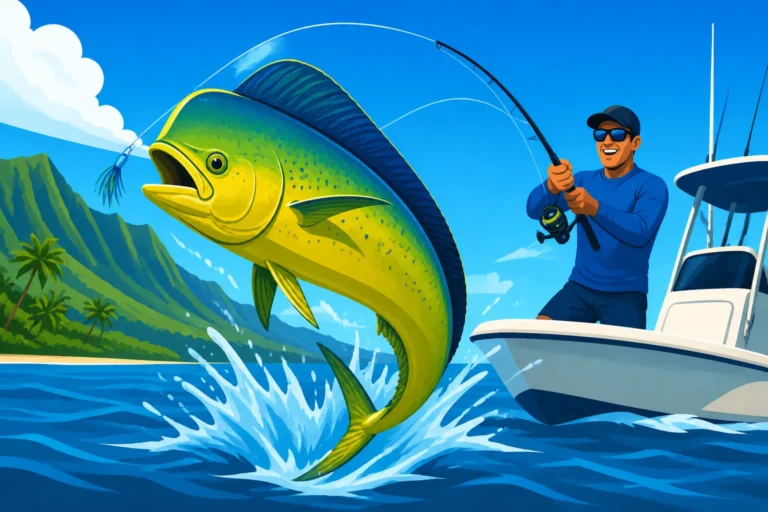
Mahimahi, also known as dolphin fish or dorado, are particularly abundant in spring. These colorful, acrobatic fish are drawn to floating debris, weed lines, and current breaks where they ambush baitfish. Finding a good weed line can lead to multiple hookups, often in rapid succession. Their vibrant colors and strong fighting ability make them a favorite target for many anglers, and their delicious meat is an added bonus. They are a common bycatch when trolling for marlin and tuna, but can also be targeted specifically by looking for visual cues on the surface. For more details on catching these beautiful fish, check out our guide on how to catch mahimahi in Hawaii.
Shoreline and Bottom Fishing Opportunities
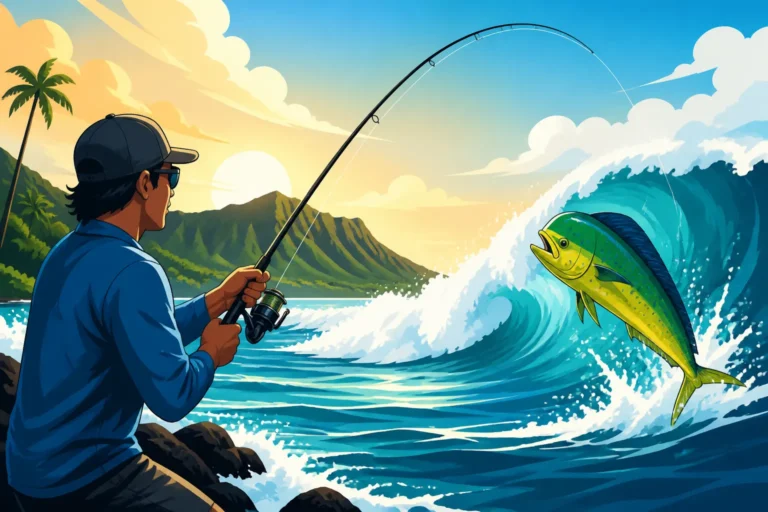
While the pelagic scene often steals the spotlight in spring, the nearshore and bottom fishing opportunities are equally compelling. Papio, the juvenile form of ulua (giant trevally), are incredibly active along Hawaii's shorelines. Spring offers some fantastic conditions for whipping, casting, and bait fishing for papio in shallow reef flats, sandy beaches, and rocky points. As the water warms, these aggressive predators become more eager to strike a variety of lures and live baits. It's a fantastic time for light tackle enthusiasts to experience the power of these fish, even in their smaller sizes. Knowing the best shore fishing techniques for Hawaii will greatly increase your chances.
For those interested in reef fishing, species like uhu (parrotfish) and various types of goatfish (kumu, weke) are reliably present. While often targeted with smaller baits or even spearfishing, they provide consistent action and are delicious table fare. The conditions during spring are generally favorable for accessing reef areas, with less extreme swells than winter, making it safer for wading or kayak fishing around the inshore reefs. However, always be mindful of Hawaii fishing regulations explained before heading out.
Bottom fishing, which targets species found on the ocean floor, remains a consistent producer during spring. While the peak for some deepwater species might be in winter, spring still offers excellent opportunities for opakapaka (pink snapper), onaga (ruby snapper), and other prized bottomfish. The less intense winds and generally calmer seas make the run to deeper fishing grounds more comfortable and allow for better boat positioning, which is crucial for successful bottom fishing in Hawaii. A good, stout reel loaded with braided line, available on Amazon, is essential for feeling those subtle bites in deep water.
Summer Fishing in Hawaii (June – August): Peak Action and Big Game
Summer in Hawaii is synonymous with incredible fishing, particularly for those with an appetite for big game. The months of June, July, and August represent the zenith for many pelagic species, making it a highly sought-after time for anglers from around the globe. The warm, inviting waters and generally calm leeward conditions create a perfect storm for exhilarating offshore action.
The Reign of the Blue Marlin
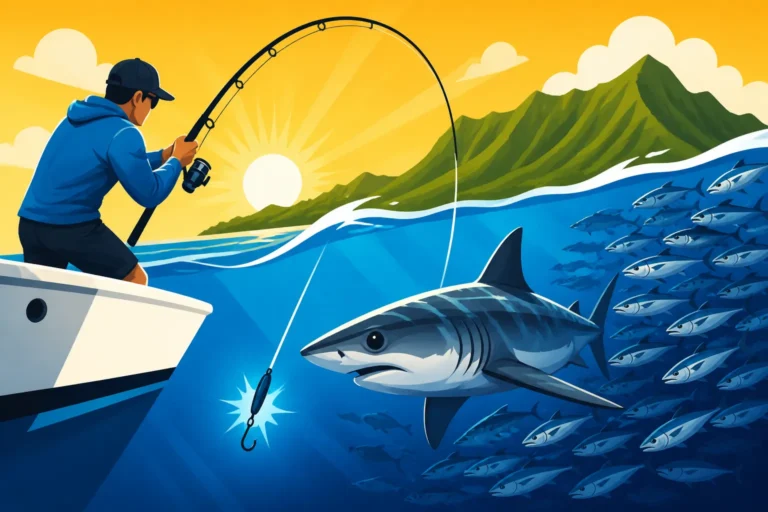
If there's one species that defines Hawaiian summer fishing, it's the blue marlin. The Kona Coast on the Big Island is internationally renowned as a premier destination for catching "grand slam" marlin, particularly during these peak summer months. This is often referred to as "grander season" – a time when the largest blue marlin, those weighing 1,000 pounds or more, are caught with more frequency than almost anywhere else in the world. The deep, calm waters right off Kona provide incredible habitat for these apex predators, attracting them in pursuit of schooling tuna and other baitfish.
Booking a dedicated Kona Coast fishing guide or one of the best fishing charters in Hawaii during the summer is highly recommended, often months in advance. These charters specialize in trolling large lures and live baits, aiming for that once-in-a-lifetime trophy. The sheer power and speed of a blue marlin on the line is an experience that few other fish can replicate. Summer is also prime tournament season, with prestigious events like the Hawaiian International Billfish Tournament drawing top anglers and adding to the excitement on the water.
Explosive Tuna and Wahoo Bites
Beyond the marlin, summer also delivers an explosive bite for other highly prized pelagic species. Ahi (yellowfin tuna) continue to be a strong target, with many anglers reporting larger fish being caught during the summer months. The tactics remain similar to spring, focusing on FADs, porpoise schools, and signs of bird activity. Whether you're drift fishing with live bait or high-speed trolling, the battle with a summer ahi is always intense. Many dedicated tuna anglers will spend days offshore, chumming heavily to bring schools of ahi close to the boat.
Ono, also known as wahoo, truly hit their stride in the summer. These sleek, fast predators are known for their blistering runs and razor-sharp teeth. They are often targeted by trolling lures at higher speeds along current lines, drop-offs, and around offshore structures. Ono are a favorite for their delicious, firm white meat and the incredible fight they put up. Finding a good current seam where baitfish are congregating can lead to multiple ono hookups in a single pass. Their camouflage helps them ambush prey, making them a challenging but rewarding catch.
Mahimahi activity, while perhaps peaking in late spring for sheer numbers, remains excellent throughout the summer. You’ll still find them cruising near weed lines and floating debris, providing plenty of action and a vibrant addition to any cooler. Their voracious appetites mean they'll strike a variety of lures and baits, making them accessible to anglers of all skill levels.
Nearshore Delights and Freshwater Fun
Summer also opens up some unique nearshore and freshwater opportunities. Most notably, the moi (Pacific threadfin) season typically opens on June 1st and runs through September 30th. Moi are highly prized for their delicate flavor and challenging fight, often found in sandy areas near reefs. Strict regulations apply to their harvest, including size and bag limits, which you can read more about in our detailed guide on Hawaii Moi Closed Season, Explained. Catching moi requires a careful approach, often using light tackle and small baits, making it a rewarding challenge for experienced shore anglers.
For those looking for a different kind of angling experience, summer is the primary season for freshwater fishing on Kauai. The Kokee Public Fishing Area opens its rainbow trout season, usually from June through September. This unique fishery in the cool, clear streams of Kauai offers a stark contrast to the deep blue ocean. Anglers use light spinning gear or fly fishing setups to target stocked rainbow trout in a beautiful, forested mountain environment. It’s a truly special experience in Hawaii and one that requires a specific freshwater license. You can find more information about Hawaii's only freshwater trout fishery in our dedicated article.
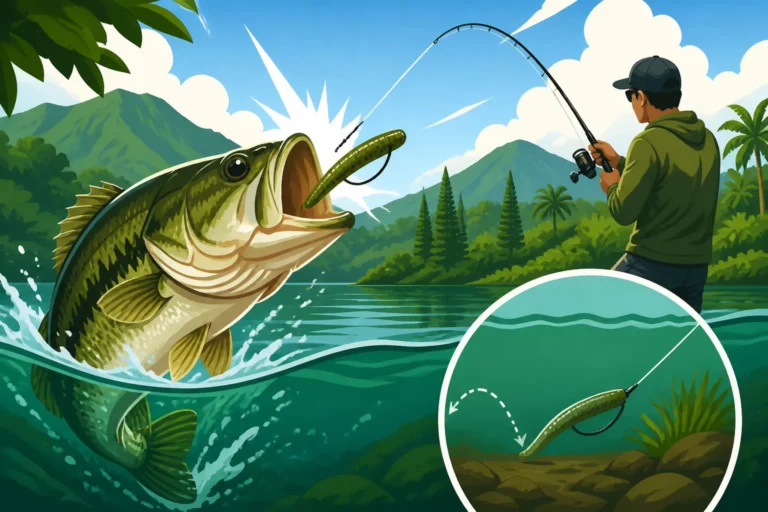
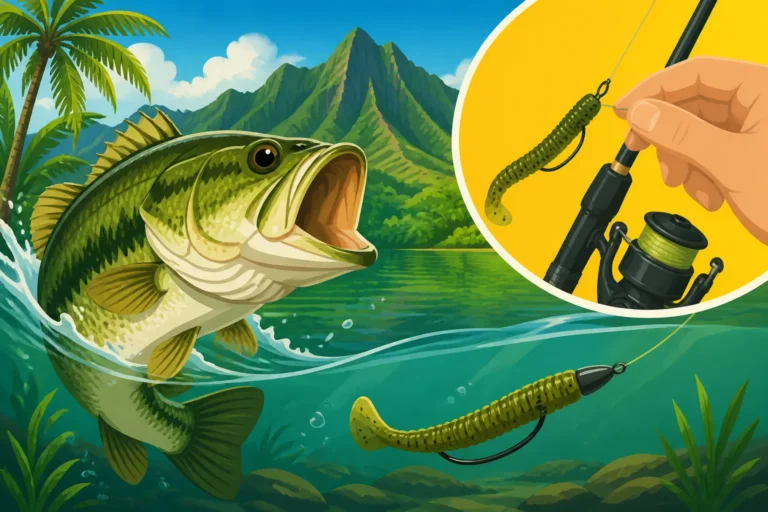
On Oahu, the Wahiawa Reservoir also offers excellent summer fishing for introduced species like largemouth bass, peacock bass, and tilapia. These freshwater impoundments provide a different challenge and are a great option for families or those seeking a break from saltwater action. The warm summer months see these species highly active and aggressive, making for exciting topwater and sub-surface lure fishing.
Fall Fishing in Hawaii (September – November): Transition and Variety
As the scorching heat of summer gradually begins to recede, Hawaii enters its fall fishing season. The months of September, October, and November bring a period of transition, where the intense pelagic action of summer begins to shift, and new opportunities emerge for both offshore and nearshore anglers. This is a fantastic time for variety, often characterized by stable weather and excellent conditions across different fishing disciplines.
Shifting Pelagic Patterns
While the frenetic pace of blue marlin fishing might slow slightly from its summer peak, billfish are still very much present and active in fall. Often, the larger, resident blue marlin become a bit more spread out, but there can be a resurgence of striped marlin activity, especially as cooler currents start to move in. Anglers continuing to troll for marlin might find that the action is a bit more scattered, requiring more patience and strategic searching for bait schools. However, the potential for a trophy fish is always there, and a lot of memorable catches happen in these months.
Ono (wahoo) frequently experience a second peak in activity during the fall. As baitfish patterns shift and current lines remain productive, these speedsters can provide consistent action. Trolling with high-speed lures, especially those available from reputable brands on Amazon, around drop-offs and temperature breaks can be highly effective. Fall ono often run in smaller schools, so if you find one, there's a good chance there are more in the vicinity. Their explosive strikes and powerful runs make them a perennial favorite.
Ahi (yellowfin tuna) can still be caught in the fall, though their behavior might change. Schools might be deeper, or further offshore, requiring more sophisticated sonar readings and longer runs for captains. However, when you find them, the bite can be as strong as ever. Smaller "football" tuna can also be abundant closer to shore, offering fast-paced light tackle action for anglers looking to stock their freezer. This is also a good time for opelu (mackerel scad) schools to be prevalent, which are excellent bait for larger pelagics.
Excellent Bottom Fishing and Shoreline Targets
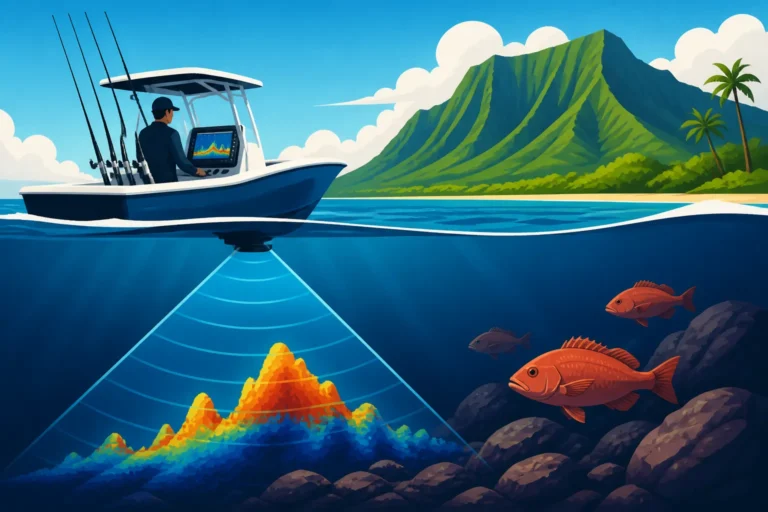
Fall is an exceptionally good time for bottom fishing in Hawaii. With generally stable weather, often calmer seas on the leeward sides, and less intense fishing pressure than peak summer, conditions are prime for targeting deepwater species. Anglers can expect excellent opportunities for opakapaka (pink snapper), onaga (ruby snapper), ehu (red snapper), and other prized bottomfish. These fish inhabit deep ledges, seamounts, and rocky structures, and a good captain with a keen understanding of the local topography can put you right on them. Deep dropping with electric reels and specialized rigs is the go-to method for these delicious species.
For shore anglers, fall brings fantastic opportunities for ulua (giant trevally), especially during night fishing. As swells begin to pick up slightly from the summer calm, the churning water and strong tides can make ulua more active closer to shore. Using large live baits or chunk baits, often deployed using heavy-duty surf casting rods, can yield impressive results. The thrill of hooking into a powerful ulua from the shoreline under the cover of darkness is an experience that many local anglers live for. You can dive deeper into this exciting technique in our guide on how to catch ulua from shore.
Papio (juvenile trevally) are still abundant in the shallows during fall, providing consistent action for those who enjoy light tackle and whipping techniques. The slightly cooler water temperatures can sometimes make them even more aggressive. Reef fish like uhu (parrotfish) and kumu (goatfish) also remain readily available, offering consistent catches for those exploring the inshore reefs with smaller baits or spearfishing. Remember that Hawaii spearfishing regulations apply.
Winter Fishing in Hawaii (December – February): Calm Seas and Deep Targets
Winter in Hawaii, from December through February, might not have the "grander" frenzy of summer, but it offers its own unique charm and incredible fishing opportunities. Characterized by generally calmer seas on the leeward coasts, particularly the Kona side, and different migratory patterns for pelagics, winter is a fantastic time for anglers seeking specific experiences, especially deep-dropping and targeting striped marlin.
Bottom Fishing Paradise
For many local anglers and those in the know, winter is often considered the absolute prime season for deep-drop bottom fishing. The typically calmer conditions, especially on the leeward sides of the islands, make the long runs to deepwater fishing grounds much more comfortable and allow for precise boat positioning over productive structures. This translates into excellent opportunities for target species like opakapaka (pink snapper), onaga (ruby snapper), ehu (red snapper), kalekale (grey snapper), and gindai (flower snapper). These highly prized table fish inhabit depths of 300 to over 1,000 feet, making specialized electric reels and robust tackle essential. Many charter boats pivot their focus to bottom fishing during these months, offering specialized trips that promise a cooler full of delicious deepwater delicacies. The lack of strong trade winds on the Kona side is a significant advantage, reducing drift and allowing for better presentation of baits.
Winter Pelagic Opportunities
While blue marlin numbers might decrease from their summer peak, winter is the undisputed peak season for striped marlin in Hawaii. These magnificent billfish are more prevalent on all islands during these cooler months, offering fantastic light tackle action. They are known for their spectacular aerial displays and fierce battles, providing an exhilarating experience for anglers. Trolling small to medium-sized lures or live bait can be incredibly effective when targeting striped marlin. Their vibrant colors and acrobatic nature make them a favorite catch-and-release target for many.
Ahi (yellowfin tuna) can still be caught in winter, though the schools might be smaller or further offshore, often consisting of "football" sized tuna rather than the massive cow tunas of summer. However, don't discount the possibility of finding larger fish, especially around offshore FADs or areas with active porpoise pods. The key is often patience and persistence. Additionally, winter sees good numbers of shortbill spearfish. Often caught as a welcome bycatch while trolling for marlin, these smaller billfish provide excellent sport on lighter gear and are also considered superb eating.
Shoreline Action with Cooler Waters
For shore anglers, winter can be a mixed bag, largely dependent on the prevailing swells. While the leeward coasts often enjoy calm conditions, the northern and eastern shores can experience large winter swells, which, while dangerous for fishing, can sometimes stir up bait and create opportunities for ulua (giant trevally) in strategic, sheltered spots. Night fishing for ulua remains a productive option, especially after a significant swell has passed and the ocean begins to settle. Anglers targeting ulua in winter will often use large baits like eel or squid, hoping for that powerful strike.
Papio (juvenile trevally) are still present along the shorelines, though they might be slightly less aggressive in cooler waters compared to spring and summer. They can still be targeted with light tackle, small lures, and baits in calmer bays and harbors. Reef fish such as uhu (parrotfish), kumu (goatfish), and menpachi (squirrelfish) remain reliable targets year-round. For those interested in gathering, the cooler, rougher waters can sometimes dislodge opihi (limpets) from the rocks, although always be mindful of Hawaii opihi harvest limits and size rules and only gather when safe conditions allow.
Remember that a sturdy pair of reef shoes or tabi socks, like those found on Amazon, are indispensable for navigating Hawaii's often sharp and slippery lava rock shorelines, regardless of the season.
Factors Beyond the Calendar: Maximizing Your Chances
While understanding the seasonal trends for various fish species in Hawaii is incredibly helpful, truly maximizing your chances of a successful fishing trip involves looking beyond just the calendar month. The dynamic nature of Hawaii's ocean environment means that local, real-time conditions, coupled with strategic planning, can make all the difference between a good trip and an absolutely epic one.
Reading the Local Conditions
One of the most critical factors for any angler in Hawaii is the swell forecast. This is paramount for both safety and success, especially for shore fishing and smaller boat operations. Large winter swells, particularly on north and west-facing shores, can make fishing treacherous or impossible, but even moderate swells can dictate which spots are fishable. Always check detailed marine forecasts from reliable sources like the National Weather Service. Understanding wind patterns is equally important. Hawaii's prevailing trade winds, blowing from the northeast, create rougher conditions on windward coasts but offer protection on leeward sides. When "Kona winds" occur, blowing from the south or southwest, they can reverse this, making leeward coasts choppy and windward coasts calmer. Knowing which side of the island will offer the calmest conditions can dictate your fishing spot or charter departure point for the day.
Water clarity and temperature, while not experiencing dramatic seasonal shifts, can have localized impacts. Runoff from heavy rains can muddy up nearshore waters, temporarily deterring some species. Subtle changes in water temperature can signal shifts in baitfish presence, which in turn affects predators. Learning to "read" the water – looking for current lines, baitfish activity, bird aggregations, or floating debris – is a skill honed over years but can be expedited by listening to local experts. This local knowledge is invaluable; a quick chat with staff at a local tackle shop or an experienced fishing guide can often provide insights into where the bite has been hot and what baits are working best right now.
The Importance of Tides and Moon Phases
For many types of fishing in Hawaii, especially shore-based angling for ulua and papio, understanding tides and moon phases is almost as important as the time of year. Stronger tidal movements, which occur around the new and full moon phases, often stir up baitfish and create more active feeding conditions for predators. Many local anglers prefer fishing the incoming or outgoing tide, especially when there's a strong current, believing it concentrates fish and makes them more aggressive. For example, during certain moon phases, a specific tide change might trigger a feeding frenzy in a shallow bay, making it the ideal time to cast for papio.
Conversely, slack tide, when the water movement is minimal, can sometimes lead to slower fishing, though this isn't a hard and fast rule for all species. For freshwater species in reservoirs like Wahiawa, the moon and tide influence is less direct, but atmospheric pressure changes associated with these periods can still play a role in fish behavior. Keeping a tide chart handy, either in physical form or via an app on your phone, is a must for serious Hawaiian anglers. This strategic knowledge allows you to plan your fishing day not just by the sun, but by the gravitational pull of the moon.
Booking Charters and Guides Strategically
Given the nuances of Hawaii's fishing, especially for visitors, booking a charter or guide is often the best way to maximize your chances of success. When considering a charter, think about your target species. If chasing a trophy marlin is your dream, booking a Kona Coast charter during summer's peak season for blue marlin is your best bet. If deep-drop bottom fishing for onaga and opakapaka sounds more appealing, a winter trip might be ideal, and you’ll want to look for charters specializing in bottomfishing in Hawaii. Our guide on how to choose a Hawaii fishing charter offers valuable tips for making the right selection.
It's highly recommended to book well in advance, especially for popular seasons and reputable captains. Don't hesitate to ask about current conditions, recent catch reports, and what species the captain recommends targeting during your visit. A good captain will be transparent about what's biting and what conditions they expect. Remember, many charters offer options like shared trips to reduce costs, or private charters for a more personalized experience. They also usually provide all the necessary gear, but it's always good to confirm what to expect on a Hawaii fishing charter. While the charter provides the boat and expertise, you’ll typically be responsible for your own snacks, drinks, sunscreen, and possibly a good hat, which you can easily find on Amazon.
Annual Fishing Calendar by Key Species
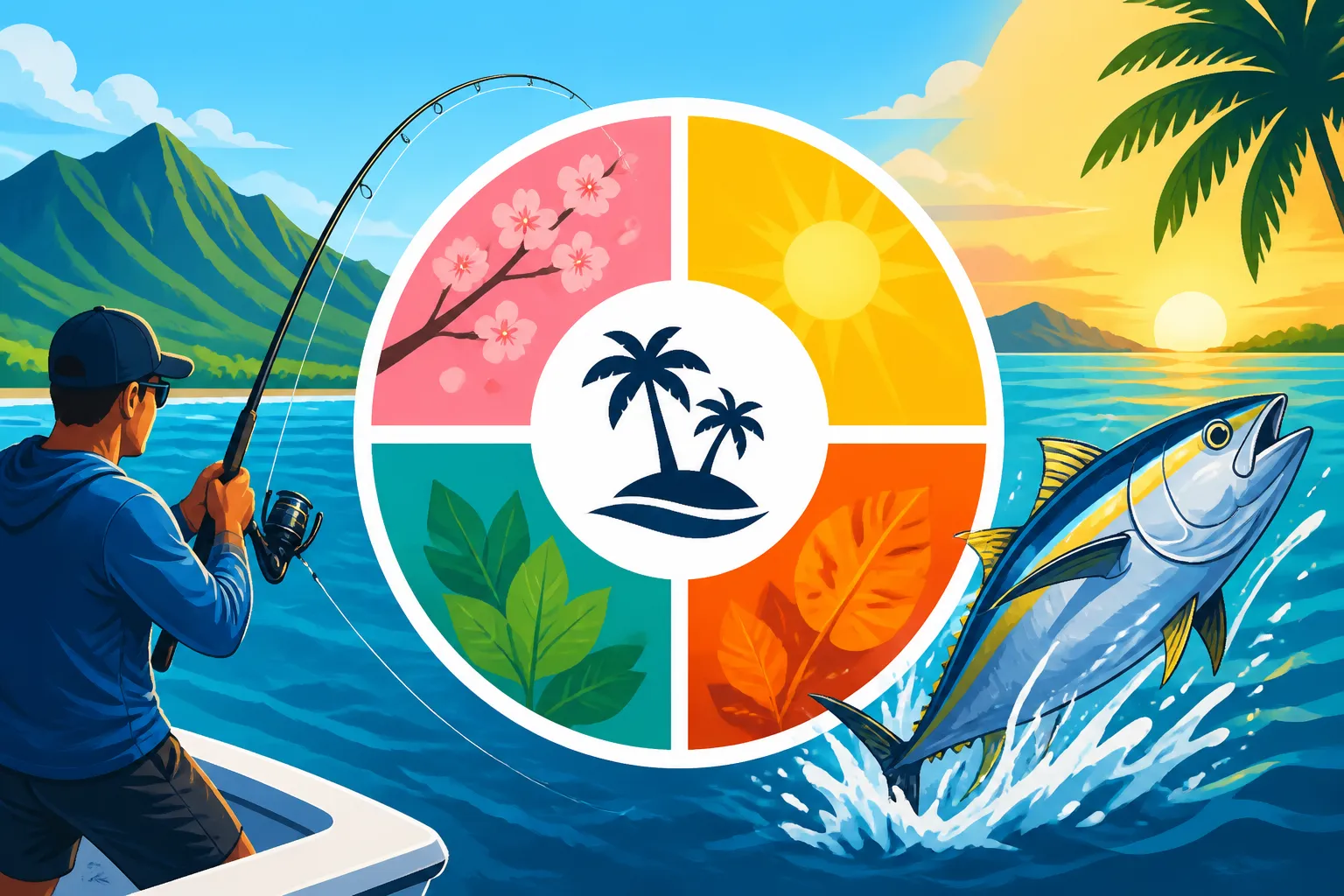
To help you visualize the peak seasons, here's a general overview of when different popular fish species in Hawaii are most active and targeted. Remember, fishing can be unpredictable, and conditions can vary, but this table provides a solid guideline.
| Species | Winter (Dec-Feb) | Spring (Mar-May) | Summer (Jun-Aug) | Fall (Sep-Nov) | Notes |
|---|---|---|---|---|---|
| Blue Marlin | Good | Very Good | Excellent (Grander) | Very Good | Kona is peak for granders in summer. |
| Striped Marlin | Excellent | Very Good | Good | Very Good | Winter is peak for stripers across islands. |
| Ahi (Yellowfin) | Good (Smaller/Deeper) | Very Good | Excellent | Very Good (Shifting) | Larger fish often caught in summer. |
| Ono (Wahoo) | Good | Very Good | Excellent | Excellent | Fast, aggressive, great eating. |
| Mahimahi | Good | Excellent | Very Good | Very Good | Abundant around weed lines and debris. |
| Ulua (GT) | Good (Night/Swells) | Very Good | Excellent (Night) | Excellent (Night) | Strong tides & moon phases are key. |
| Papio (Juvenile GT) | Good | Excellent | Excellent | Excellent | Great for light tackle shore fishing. |
| Moi | Closed | Closed | Excellent (June 1-Sept 30) | Excellent (Sept) | Highly regulated, delicious. |
| Bottomfish | Excellent (Deep Drop) | Very Good | Very Good | Excellent | Best in calmer winter seas for deepwater species. |
| Uhu (Parrotfish) | Good (Reef) | Good (Reef) | Good (Reef) | Good (Reef) | Year-round resident reef species. |
| Rainbow Trout | Closed | Closed | Excellent (Kokee, Jun-Sep) | Closed | Kauai freshwater, specific season. |
| Peacock Bass/Largemouth | Good | Very Good | Excellent | Very Good | Oahu freshwater, aggressive in warm water. |
Disclaimer
The information provided in this guide is for general informational purposes only and is not intended as legal, financial, or professional advice. Fishing regulations, seasons, and licensing requirements in Hawaii are subject to change by the Department of Land and Natural Resources (DLNR) Division of Aquatic Resources (DAR). Always consult the most current official Hawaii fishing regulations before engaging in any fishing activities. Adherence to all local, state, and federal laws is the responsibility of the angler. Fishing carries inherent risks, and caution should always be exercised, especially when fishing near the ocean or in remote areas.