Best Bonefishing Techniques for Oahu Flats
If you've ever stood on a pristine Hawaiian flat, sun glinting off the impossibly clear water, and watched the ghostly shimmer of a bonefish disappear into nothingness just as you thought you had your shot, you know the frustration. Oahu's bonefish, or "Oio" as they're known locally, are notoriously wary, incredibly fast, and a true test of an angler's skill and patience. But don't let their elusive nature deter you; with the right techniques and a deep understanding of their world, you can unlock the thrill of landing these powerful silver torpedoes. This guide is dedicated to equipping you with the best bonefishing strategies for Oahu's challenging yet rewarding flats, transforming those frustrating near-misses into unforgettable catches.
Unlocking the Secrets of Oahu's Bonefish and Their Habitat
Before you even make your first cast, truly understanding the bonefish and the unique environments they inhabit on Oahu is paramount. These fish aren't just any old target; they are finely tuned creatures of their shallow-water realm.
The Elusive Oio: Identifying Bonefish on Oahu
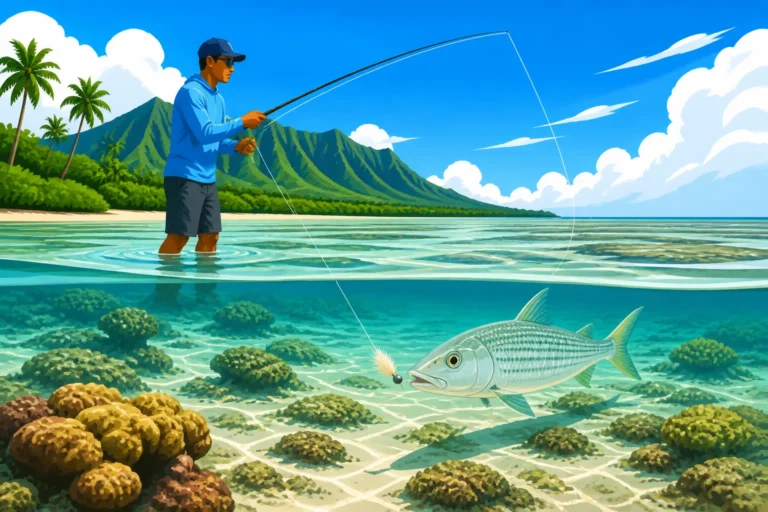
Hawaii's bonefish, Albula glossodonta, are the true ghosts of the flats. Their torpedo-shaped bodies are covered in iridescent silver scales, allowing them to blend seamlessly with the sandy bottoms and bright skies, making them incredibly difficult to spot. Their dark-tipped pectoral fins and often yellowish tail fins are sometimes the only giveaways. These fish can grow surprisingly large, with individuals exceeding 10 pounds not uncommon in Hawaiian waters. While often solitary, especially the larger trophy fish, you might also encounter schools of smaller bonefish cruising the flats in search of a meal. They are primarily bottom feeders, using their conical, bony snout to root through sand and mud for small crabs, shrimp, and worms. This feeding behavior often leaves tell-tale "mud puffs" or "nervous water" disturbances on the surface, which are key indicators for an observant angler. Understanding the typical behavior of the Oio (bonefish) in Hawaii is your first step to success; they are constantly on the move, seeking food and avoiding predators.
Prime Flats: Where Bonefish Roam on Oahu
Oahu offers a variety of shallow-water environments that bonefish call home, from expansive sandy flats to mixed grass and coral bottoms. Ideal bonefish flats are characterized by clear, shallow water (typically 1-3 feet deep) over a firm, sandy, or coral-rubble bottom. These areas often have nearby deeper channels or drop-offs where the bonefish can retreat when spooked or during low tide. On Oahu, well-known areas like Keehi Lagoon Bonefishing and Sand Island Bonefishing offer vast shallow expanses perfect for wading. Other spots along the south shore and certain protected bays also hold excellent populations. When scouting locations, look for areas with good tidal flow, as currents bring in food and make the flats more active. Always remember to be mindful of Hawaii shoreline fishing rights and public access rules when exploring new spots. For more specific access points, you might want to look into Best Fly Fishing Access for Bonefish on Oahu.
Tides, Currents, and Their Impact on Bonefish Activity
Tides are the lifeblood of the flats, dictating when and where bonefish feed. Generally, an incoming tide pushes nutrient-rich water and bait onto the shallow flats, encouraging bonefish to move up from deeper channels to forage. As the tide recedes, fish often concentrate along the edges of channels or in depressions, making them more predictable targets. Mid-tide, both incoming and outgoing, often presents the most active feeding periods. Strong currents, while sometimes challenging for casting, can also be beneficial as they deliver food, but too strong a current can make it difficult for bonefish to feed effectively and for you to present your offering naturally. Always consult a local tide chart before heading out. Understanding the lunar phases (spring vs. neap tides) can also give you an edge, as spring tides create more dramatic water movement, potentially activating the fish more. Knowing your tides isn't just helpful; it's a critical component of successful bonefishing.
Essential Gear for Conquering Oahu's Flats
Having the right tools for the job can make all the difference between a frustrating day and a triumphant one when targeting Oahu's finicky bonefish. Whether you're a fly fishing purist or prefer the versatility of spinning gear, selecting appropriate tackle is non-negotiable.
Fly Rod and Reel Setups for the Purist
For fly anglers, an 8-weight or 9-weight fly rod is generally considered the standard for Oahu bonefishing. These rods offer the backbone needed to cast larger, wind-resistant flies accurately into a breeze and possess the lifting power to battle a strong-running bonefish. A fast-action rod is often preferred for its ability to generate high line speed for quick, precise casts. Your reel is equally important; it needs a large arbor design for quick line retrieval and, most critically, a butter-smooth, sealed drag system. Bonefish are renowned for their blistering initial runs, often stripping 100-200 yards of line in seconds, so adequate backing (at least 200-250 yards of 20 lb dacron) is essential. For fly lines, a weight-forward, tropical floating line is a must, designed to perform in warm weather without wilting. When it comes to leaders and tippets, fluorocarbon is king due to its invisibility underwater and abrasion resistance. A 9-12 foot tapered leader ending in a 10-12 lb tippet is typical. You can find excellent pre-tied bonefish leaders and fluorocarbon tippet material readily available on Amazon, making preparation a breeze.
Spin Fishing Gear for Flats Success
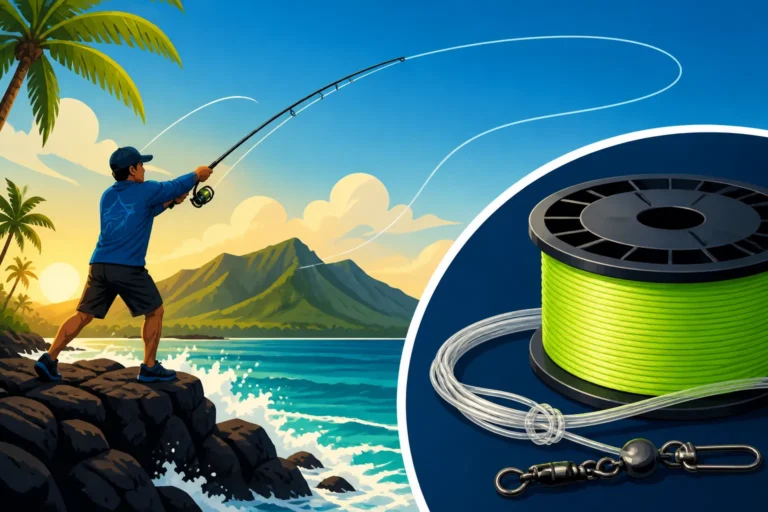
If fly fishing isn't your style, or if conditions demand a different approach, spin fishing can be incredibly effective for bonefish on Oahu. A 7-foot to 8-foot medium-light to medium action spinning rod with a fast tip will give you the sensitivity to detect subtle bites and the power to cast light lures a good distance. Graphite rods are excellent choices for their lightweight feel and enhanced sensitivity. Pair this with a 2500-4000 series saltwater-grade spinning reel featuring a smooth, reliable drag. Similar to fly reels, bonefish will test your drag system, so don't skimp here. Spool your reel with 10-15 lb braided line. Braid offers superior casting distance, incredible sensitivity, and no stretch, which is crucial for feeling those faint taps. Connect your braided mainline to a 3-6 foot section of 15-20 lb fluorocarbon leader using a strong knot like an FG knot or a double uni. The fluorocarbon leader provides stealth and abrasion resistance against coral and lava rock.
Terminal Tackle and Crucial Accessories
Beyond your rod and reel, a few key pieces of terminal tackle and accessories will complete your Oahu bonefishing kit. Ensure you have a selection of sharp, strong hooks appropriate for your chosen flies or baits. When bait fishing, small split shot or pinch weights may be necessary to get your offering down quickly in the current, but use them sparingly to maintain a natural presentation.
Now, for accessories: polarized sunglasses are not just helpful; they are absolutely essential. Without them, spotting these camouflaged fish against the glare of the sun is nearly impossible. Consider amber or copper lenses for general conditions, and grey for very bright, sunny days. Good quality wading boots with thick soles are also critical for navigating Oahu's flats, protecting your feet from sharp coral, sea urchins, and potential stingrays. Don't forget a wide-brimmed hat, SPF-rated clothing, and plenty of reef-safe sunscreen to combat the intense Hawaiian sun. Other useful items include pliers (for hook removal and crimping), line clippers, a measuring tape, and a waterproof camera for those trophy shots. A comfortable, waterproof sling pack or backpack is ideal for carrying all your essentials while wading. You can easily find a comprehensive selection of these vital fishing accessories and sun protection gear on Amazon to ensure you're fully prepared.
Mastering the Art of Presentation and Stealth
Bonefish on Oahu's flats are notoriously wary. They earned their "ghost of the flats" nickname not just for their camouflage but for their uncanny ability to detect threats and vanish in a flash. Your success hinges on stealth, accurate casting, and a natural presentation.
The Art of Sight Fishing and Spotting Bonefish
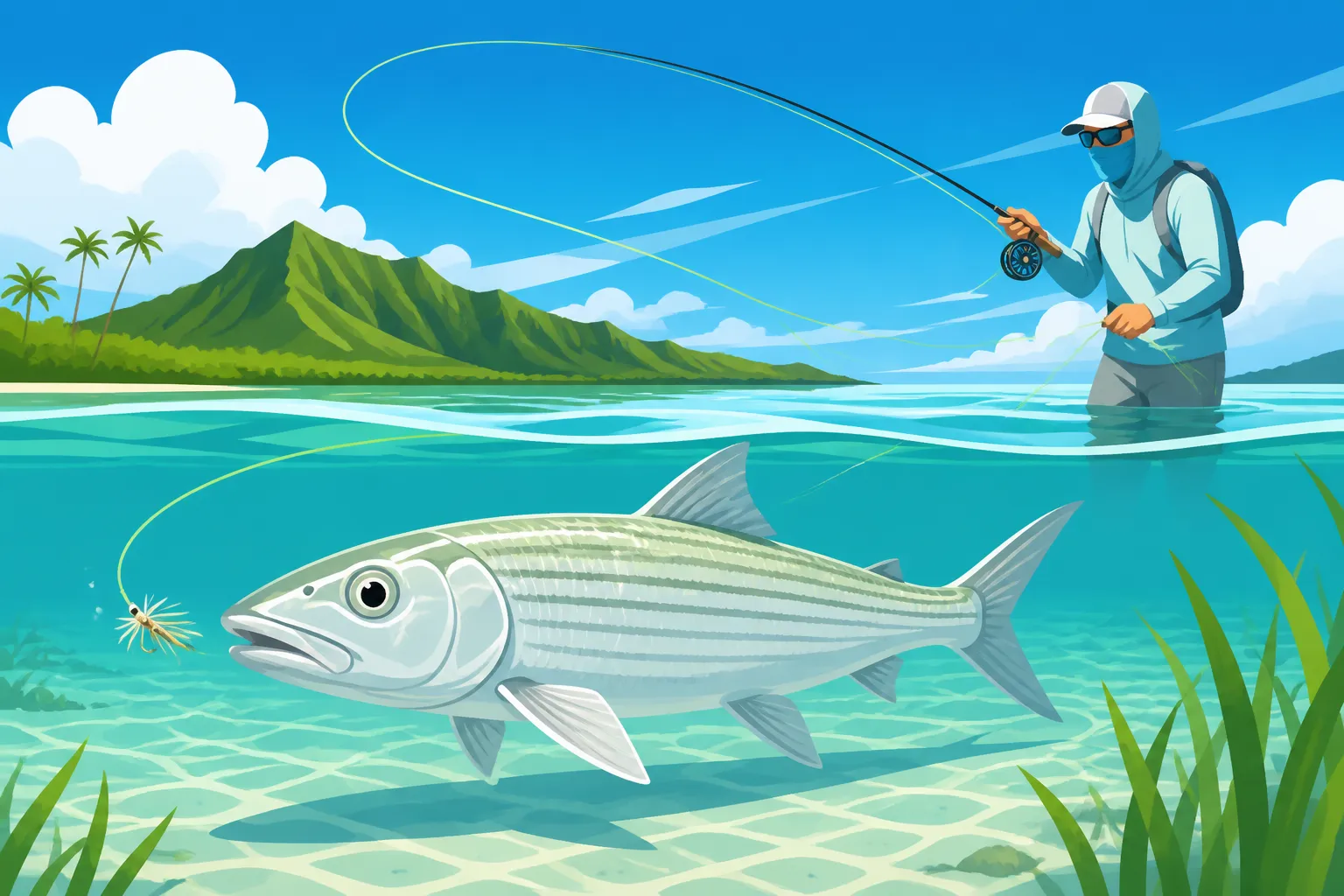
Sight fishing is the most exhilarating and often the most productive way to target bonefish on Oahu. It's a game of patience and keen observation. You're not casting blindly; you're actively hunting, searching for subtle clues. Look for movement, shadows, subtle flashes of silver, or distinct dark shapes against the lighter bottom. The presence of "mud puffs" – plumes of disturbed sand or mud – is a dead giveaway that a bonefish is rooting around for food. Tailing bonefish, where their tails briefly break the surface as they feed head-down on the bottom, are also prime targets. Positioning the sun at your back significantly reduces glare and improves visibility. It takes practice to differentiate bonefish from other reef dwellers like small papio (trevally) or triggerfish. Remember that the combination of excellent polarized sunglasses and a well-trained eye is your most powerful tool. The more time you spend looking, the better you'll become at picking out the subtle nuances that betray their presence.
Accurate Casting for Spook-Prone Fish
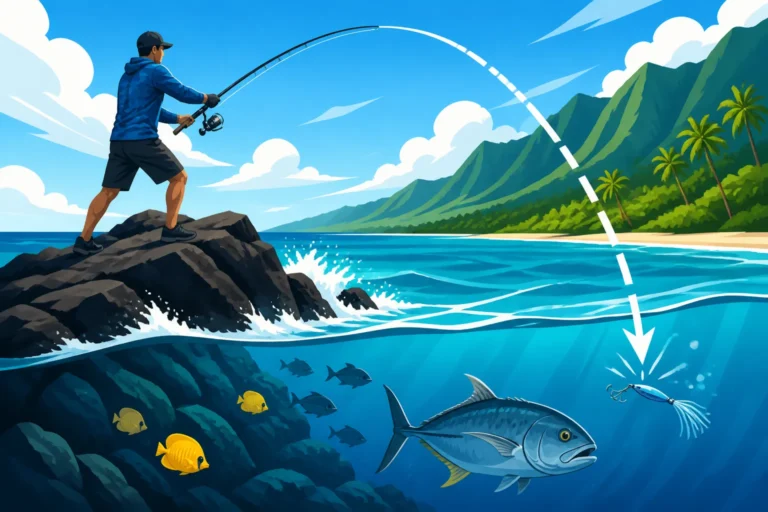
Once you spot a bonefish, the clock starts ticking. You typically have only a short window to make your cast before the fish moves on or, worse, spooks. Accuracy is far more important than distance. A perfect 30-foot cast will catch more fish than a sloppy 60-foot cast. For both fly and spin anglers, the key is to land your lure or fly softly, subtly, and ahead of the fish's path, not directly on top of it. Aim to land your offering 3-10 feet in front of and beyond the fish, then retrieve it into its line of sight. Imagine the fish on a clock face, and you want to land your lure at 10 or 2 o'clock relative to its direction of travel. Never cast directly at 12 o'clock, as this can easily spook them. Practice quick, accurate casts under pressure, especially in windy conditions. Fly anglers should minimize false casts to reduce the chances of spooking fish with line in the air. Spin anglers should strive for a soft water entry for their jigs or baits. Learning how to place your lure precisely, as discussed in techniques like Best Casting Technique for Shore-Based Papio, is a transferable skill that will greatly benefit your bonefishing.
Retrieve Techniques: Making Your Lure Irresistible
The retrieve is where your offering comes to life. Bonefish are often focused on crabs and shrimp, so your retrieve should mimic these natural movements. The "shrimp scuttle" is a classic: short, erratic strips or twitches (for fly) or slow, subtle drags and lifts (for spin) followed by pauses. Most bites occur during the pause or just as the lure begins to move again. Vary your retrieve speed and cadence based on the fish's mood and observed feeding behavior. If fish are actively chasing, a slightly faster retrieve might entice a strike. If they seem sluggish, a slower, more deliberate retrieve with longer pauses could be the ticket. It's often a very subtle tap or a feeling of added weight that indicates a bite, not a violent strike. For fly anglers, a strong strip strike (pulling the line horizontally with your hand) is usually more effective than lifting the rod. For spin anglers, a firm but controlled upward sweep of the rod will set the hook. Remember to maintain constant tension during the fight; bonefish are notorious for changing direction and using their powerful runs to throw hooks.
Top Baits and Lures for Tempting Oahu Bonefish
Choosing the right bait or lure is critical for enticing a strike from a wary Oahu bonefish. Their diet primarily consists of crabs, shrimp, and worms, so your offerings should convincingly imitate these natural food sources.
Fly Patterns Specifically for Oahu Flats
For fly fishing, specific patterns have proven their worth on Oahu's flats. Crab imitations are often deadly. Patterns like the Christmas Island Special, the Kwan, and the Merkin crab in sizes 4 to 8, tied in natural colors like tan, olive, or even clear/ghost patterns, are excellent choices. These flies are designed to land softly and sink quickly, mimicking a crab scuttling across the bottom.
Shrimp patterns are equally, if not more, popular and effective. The Gotcha, Crazy Charlie, and Avalon patterns in sizes 6 to 10 are staples. Opt for colors like pink, tan, white, or chartreuse. Many shrimp patterns incorporate bead chain or lead eyes to help them sink, which is crucial for getting into the fish's strike zone quickly without spooking them. For a deeper dive into what works best, you might want to check out Best Fly Patterns for Oahu Bonefish. The key with all these patterns is their realistic movement and ability to land softly and sink efficiently, presenting a vulnerable meal to the bonefish.
Spin Fishing Lures and Natural Baits that Work Wonders
Spin anglers have a fantastic array of options, too. Small jig heads, typically 1/8 to 1/4 ounce, tipped with soft plastic shrimp or crab imitations are incredibly effective. Brands like Z-Man, Gulp! Shrimp, or other local soft plastics designed to mimic crustaceans work exceptionally well. Natural colors such as clear, rootbeer, pink, or natural shrimp tones are often the most productive. The soft plastics give off an enticing scent and texture that bonefish find hard to resist.
For those who prefer natural baits, live shrimp or small crabs (like fiddler crabs or ghost crabs) are absolute bonefish candy. Rigging a live shrimp on a small, sharp circle hook (size 1 or 2) through the tail allows for a natural presentation. The challenge with live bait is sourcing and keeping it fresh, but when presented correctly, it often results in immediate strikes. While artificial lures allow you to cover more ground and search for fish, live bait can be a game-changer when fish are finicky or less active.
Understanding What Bonefish are Eating and Why
Observing the bonefish's feeding behavior can provide valuable clues about what to offer them. If you see fish tailing or aggressively "mudding" in sandy areas, it's a strong indication they are focused on bottom-dwelling crabs and shrimp. In such cases, a crab or shrimp imitation, whether fly or soft plastic, will be your best bet. If fish are cruising faster in slightly deeper water, they might be looking for small baitfish, in which case a small clouser minnow or a subtle baitfish imitation lure could be more effective.
Their incredible sense of smell also plays a huge role. This is why scented soft plastics or live bait can sometimes outperform unscented artificials, especially when visibility is lower or fish are less aggressive. Understanding their diet and current mood allows you to "match the hatch," presenting an offering that the bonefish are most likely to recognize and accept as a meal. Paying attention to what they are doing will vastly improve your hook-up ratio.
Advanced Strategies and Local Insights for Success
Beyond the basic gear and casting, truly successful bonefishing on Oahu involves a refined approach to stealth, water reading, and a strong commitment to ethical practices. It's about becoming a part of the environment, not just an observer.
Wading Techniques and Stealth Approaches
Your approach on the flats is as critical as your cast. Bonefish have an acute sense of their surroundings, and any sudden movements, loud splashes, or even heavy footsteps can send them scattering. The golden rule is slow, deliberate movements. When wading, shuffle your feet rather than lifting them high. This isn't just about stealth; it's also a safety measure to avoid stepping on hidden stingrays, which can deliver a painful barb. Wading into the wind can help disguise your sound and can assist with casting distance, but it can also make spotting fish more challenging. Conversely, having the sun at your back improves spotting but makes your silhouette more visible. Learning to adjust your angle and approach based on the sun and wind is a skill honed over time. Many experienced anglers utilize a "spotter-caster" system, where one person quietly scans for fish while the other prepares for the cast, allowing for maximum observation and minimal disturbance. Remember to choose appropriate footwear; a wide selection of durable wading boots can be found on Amazon, providing both comfort and crucial protection. For more in-depth advice, consult resources like How to Wade a Reef Flat Safely in Hawaii.
Reading the Water and Anticipating Bonefish Moves
The flats are not uniformly productive. Learning to "read the water" means identifying subtle changes in depth, bottom composition, and current flows that indicate prime bonefish habitat. Look for deeper channels running through the flats, depressions in the sand, or areas where sand meets a patch of grass or coral. These are natural ambush points or feeding zones. Observe how the bonefish are moving: are they cruising quickly, indicating they are transitioning between areas, or are they slowly tailing and mudding, actively feeding?
Understanding the prevailing wind direction and how it affects water clarity and bait movement is also key. Choppy water might reduce visibility for both you and the fish, making blind casting more relevant, while calm water demands pinpoint accuracy. The ultimate goal is to "lead" the fish – casting not where it currently is, but where it will be when your lure settles. This requires anticipating its direction, speed, and potential feeding stops. Patience is paramount; sometimes, waiting for the perfect shot rather than forcing a cast is the best strategy.
Ethical Angling and Conservation on the Flats
Hawaii's unique marine environment is precious, and responsible angling is crucial for its preservation. Bonefish are primarily a catch-and-release species for recreational anglers, valued for their fighting ability rather than their culinary qualities. When you do hook a fish, handle it gently, minimizing its time out of water. Keep your hands wet, support its body, and get quick photos if desired before carefully reviving and releasing it. Using circle hooks when bait fishing can significantly reduce the incidence of gut-hooking, improving the fish's chances of survival.
Beyond the fish, protect the fragile flats habitat. Avoid trampling live coral, which takes decades to grow. Pack out all your trash, including discarded fishing line and soft plastic pieces. Be aware of other ocean users, from swimmers and snorkelers to other anglers. Always know and adhere to local Hawaii Fishing Regulations Explained, including any specific rules for Marine Life Conservation Districts, Explained. The future of bonefishing on Oahu depends on all of us being good stewards of the ocean. If you're looking for an experienced hand to guide you through these local nuances, consider engaging one of the Best Guided Bonefishing Trips on Oahu.
Overcoming Common Challenges on Oahu's Flats
Bonefishing, especially on the clear, pressured flats of Oahu, is a game of challenges. Even the most seasoned anglers face frustrating moments. Learning to anticipate and troubleshoot these common hurdles will make you a more resilient and ultimately more successful angler.
Dealing with Spooky Fish and Missed Opportunities
It's going to happen. You'll spot a beautiful bonefish, make what you think is a perfect cast, and watch in dismay as it spooks and bolts across the flat, leaving a tell-tale rooster tail in its wake. This is a rite of passage for every bonefisherman. Common culprits include: a fly or lure landing too close or too hard, a sudden movement on your part, a flash from your reel, or simply the fish's inherent wariness. When a fish spooks, the best immediate action is often to freeze, give the area some time to settle, and possibly move to another section of the flat.
Don't let frustration overwhelm you. Each spooked fish is a learning opportunity. Analyze what might have gone wrong: Was your cast too noisy? Did you wear bright clothing that contrasted with the sky? Was the sun at a bad angle? Sometimes, a spooked fish will return after a few minutes if you remain absolutely still and quiet, especially if it was actively feeding. Other times, it's best to cut your losses and search for a new target. Adaptability and patience are your greatest assets.
Navigating Oahu's Flats Safely
While the beauty of Oahu's flats is undeniable, they also present certain hazards that require caution. The most common threats are sharp coral, sea urchins, and stingrays. Always, and I mean always, wear sturdy, reef-safe wading boots with thick soles. When wading, shuffle your feet rather than lifting them. This "stingray shuffle" alerts any resting stingrays to your presence, giving them a chance to swim away before you step on them, potentially preventing a painful encounter.
Beyond marine life, be mindful of the tides. The water can rise and fall quickly in some areas, potentially cutting you off from shore or stranding you far out on a drying flat. Always know your exit points and keep an eye on the water levels. The Hawaiian sun is another formidable adversary. Sunstroke and severe sunburn are real risks. Protect yourself with a wide-brimmed hat, sunglasses, long-sleeved UPF-rated clothing, and generous applications of reef-safe sunscreen. Carry plenty of water to stay hydrated. Don't let a moment of carelessness ruin your day or, worse, put you in danger.
When the Fish Just Aren't Biting: Troubleshooting Your Approach
There will be days when, despite your best efforts, the bonefish simply aren't cooperating. This is part of fishing. It doesn't mean you're doing everything wrong; sometimes, conditions just aren't optimal, or the fish are in a sluggish mood. When this happens, it's time to troubleshoot.
First, reassess your retrieve: Is it too fast, too slow, too aggressive? Try changing the cadence and length of your strips or twitches. Next, consider your lure or fly: Is the color right for the water clarity and light conditions? Is it too big or too small? Try a different pattern or a more subtle bait. Moving to a different section of the flat, changing your wading angle, or even trying a slightly deeper area might make a difference. Sometimes, if sight fishing isn't working, blind casting into likely areas, especially channels or depressions where fish might be holding, can produce unexpected results. Consult local knowledge or fishing reports; sometimes a particular time of year or specific weather patterns dictate when the fishing is Best Time of Year to Fish in Hawaii. Ultimately, even on slow days, remember that you're in one of the most beautiful places on Earth. Enjoy the peace and tranquility of the flats, and the fish will come when they're ready.
| Feature | Fly Fishing for Bonefish | Spin Fishing for Bonefish |
|---|---|---|
| Rod Type & Weight | 8-9wt fast action fly rod | 7-8 ft medium-light to medium action spinning rod |
| Reel Type | Large arbor, smooth sealed drag, 200+ yds backing | 2500-4000 series saltwater spinning reel, smooth drag |
| Line Type | Weight-forward, tropical floating fly line | 10-15 lb braided mainline |
| Leader Material | 9-12 ft fluorocarbon tapered leader (10-12 lb tippet) | 3-6 ft fluorocarbon leader (15-20 lb) |
| Lure/Bait | Crab/Shrimp fly patterns (Christmas Island, Gotcha) | Small jig heads w/ soft plastic shrimp/crab, live shrimp/crab |
| Casting Style | Double haul, delicate presentation, minimal false casts | Accurate, soft entry, often quicker to get to fish |
| Stealth Required | Extremely high, delicate casts and quiet wading | Very high, quiet lure entry and stealthy approach |
| Sight Fishing | Primary method, highly visual | Primary method, highly visual |
| Learning Curve | Moderate to High | Low to Moderate |
| Wind Performance | More challenging in strong winds | Generally better in windy conditions |
| Feel of Bite | Subtle "tap" felt through line hand | Subtle "tap" felt through rod tip |
Disclaimer
Please be aware that fishing regulations in Hawaii, including those for specific species or fishing methods, can change. It is always your responsibility to consult the latest rules and guidelines from the Hawaii Department of Land and Natural Resources (DLNR) Division of Aquatic Resources (DAR) before heading out. This guide is for informational purposes only and should not replace official regulations.