Onaga (Ruby Snapper) Habits
Onaga habits, physical features, and deepwater locations in Hawaii from six hundred to twelve hundred feet explain how to catch ruby snapper.
Know what’s on the line.
Gamefish and panfish profiles — identification, behavior, feeding habits, and species-specific strategies for every catch.
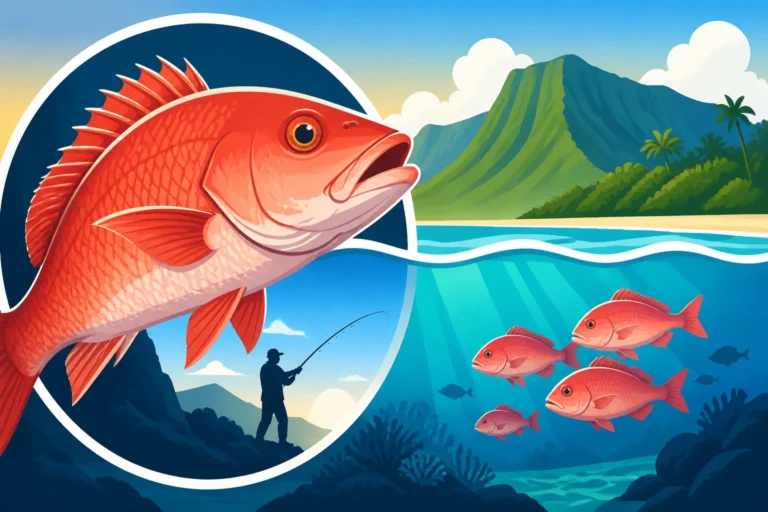
Onaga habits, physical features, and deepwater locations in Hawaii from six hundred to twelve hundred feet explain how to catch ruby snapper.
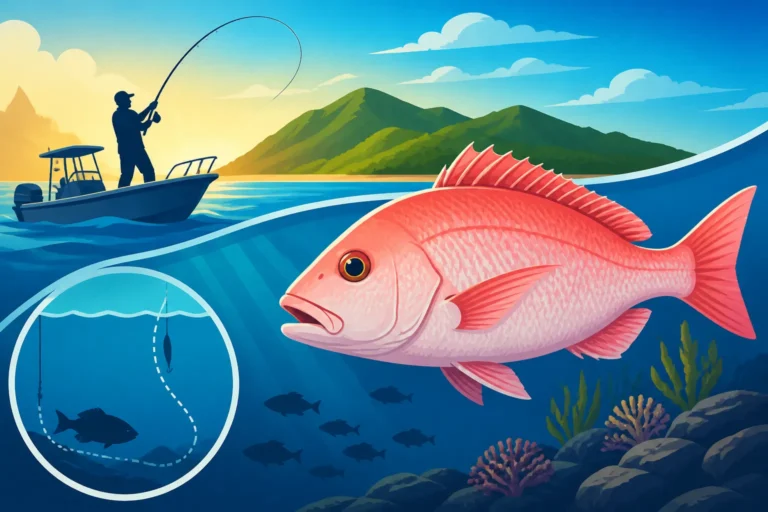
Opakapaka habits, physical traits, and deep-water habitat preferences help anglers locate and catch this prized Hawaiian bottomfish.
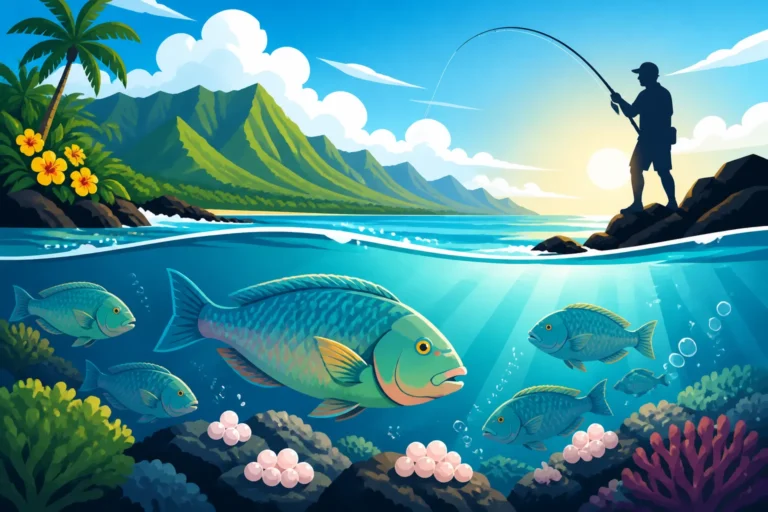
Moi spawning season in Hawaii occurs from June, protecting vulnerable Pacific threadfin populations while they reproduce in shallow waters.
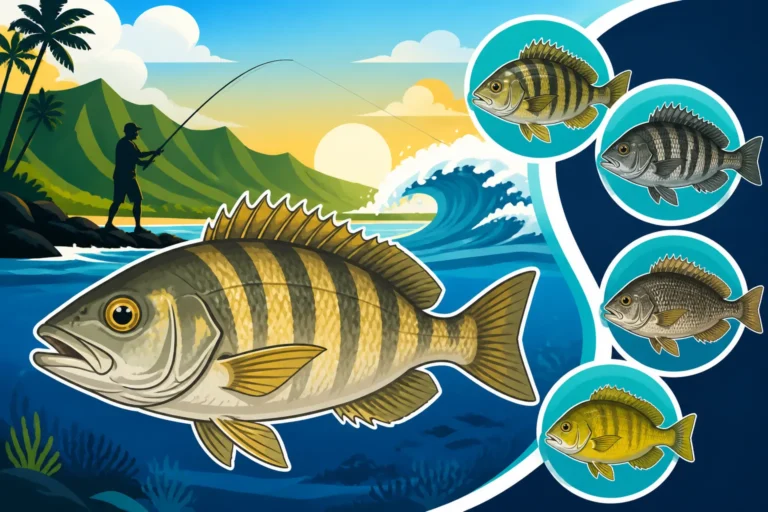
Hawaiian parrotfish identification methods help snorkelers and anglers recognize vibrant reef species by their physical traits.
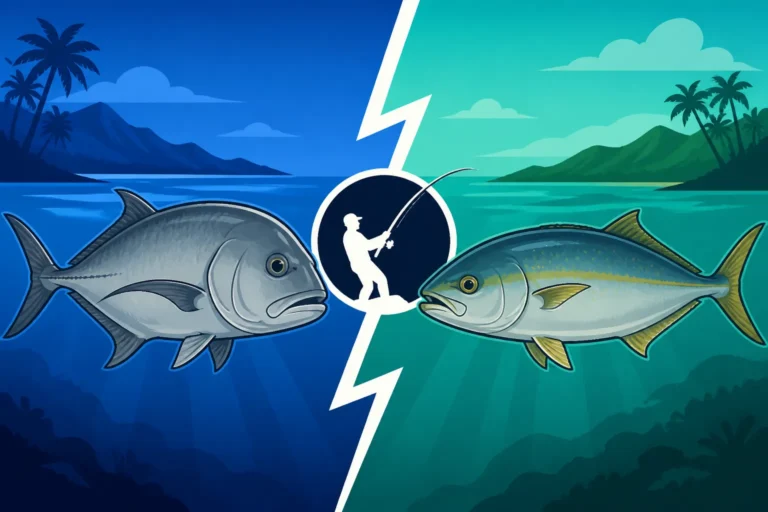
Hawaiian fishing terms ulua and papio distinguish giant trevally by size, separating juveniles under ten pounds from mature adults.
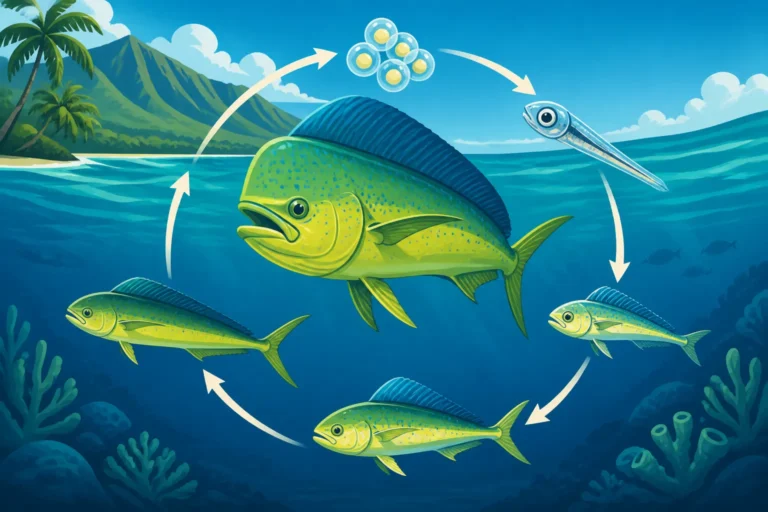
The mahimahi life cycle in Hawaii spans from microscopic eggs to fast-growing predators through prolific ocean spawning.
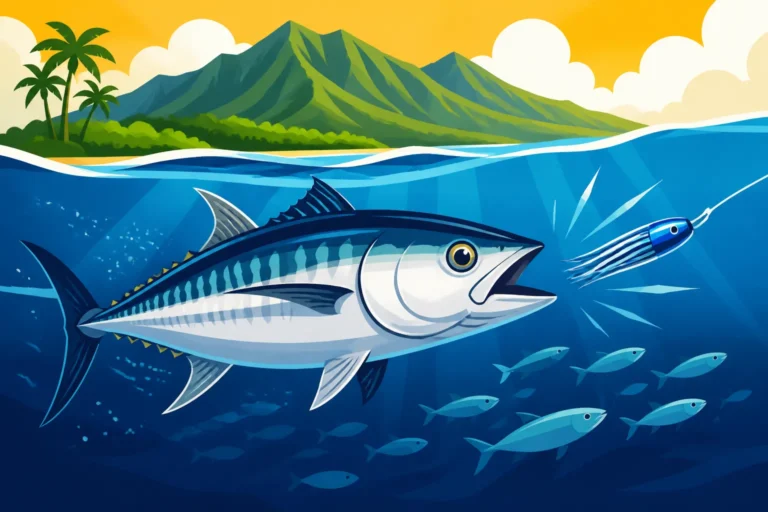
Ono habits and feeding behaviors explain Hawaii apex predators diet, physical characteristics, and open ocean hunting patterns.
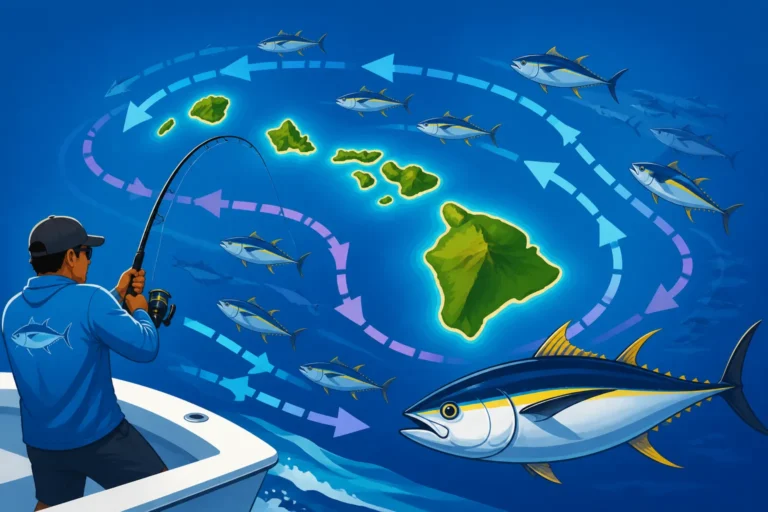
Ahi migration patterns around Hawaii explain seasonal movements, preferred warm water temperatures, and baitfish tracking for successful fishing trips.
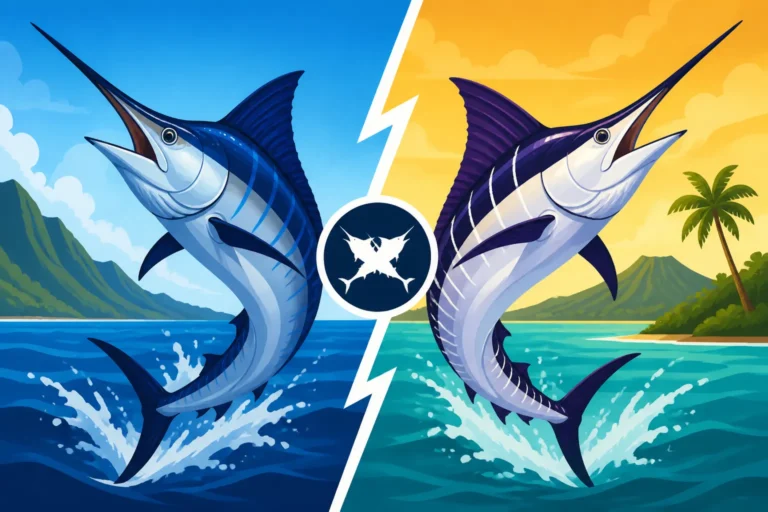
Blue Marlin and Striped Marlin identification details for Hawaii anglers include dorsal fin traits, size limits, and regulations.
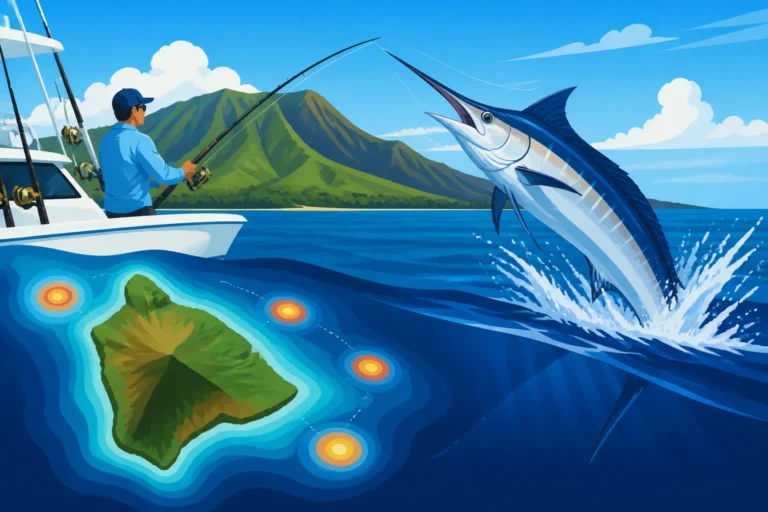
Kona Coast blue marlin habitats, deep ocean canyons, and seasonal movements from May to November explained for anglers seeking big fish.