Is the Humuhumunukunukuapuaa Hawaii’s State Fish?
If you've ever spent time near the ocean in Hawaii, or even just browsed a souvenir shop, chances are you've come across a fish with a name that's quite a mouthful: Humuhumunukunukuapuaa. This vibrant, reef-dwelling creature is steeped in local lore, and its status as Hawaii's state fish can sometimes be a bit confusing, leaving visitors and even kama'aina wondering about its true official standing. This guide will dive deep into the fascinating story of the Humuhumunukunukuapuaa, clarifying its state fish designation, exploring its unique characteristics, and shedding light on its cultural significance within the islands.
The Humuhumunukunukuapuaa's Journey to State Fish Status
It’s a question that pops up a lot: "Is the Humuhumunukunukuapuaa really Hawaii's state fish?" The short answer is yes, but its journey to official recognition has been a bit of a rollercoaster, leading to some understandable confusion. This isn't a simple "it always was" kind of story; it has a couple of interesting twists and turns that make its current status all the more special to many residents and visitors alike.
A History of Recognition and Revocation
The Humuhumunukunukuapuaa, also known as the reef triggerfish or rectangular triggerfish, first became the official state fish of Hawaii way back in 1985. It was a proud moment, celebrating a species unique in its appearance and its catchy, albeit long, Hawaiian name. Locals and tourists quickly embraced the colorful fish as an emblem of the islands' rich marine biodiversity. Imagine the excitement of seeing this uniquely patterned fish swimming across a reef, knowing it represented the very spirit of Hawaii! For a decade, it held this esteemed title, gracing everything from school textbooks to local artwork.
However, the designation was actually temporary, set to expire after five years. For reasons that are still debated among some locals and historians, the designation was never permanently codified into law during that period, and it simply lapsed in 1990. Suddenly, the beloved Humuhumunukunukuapuaa was no longer officially the state fish, even though most people continued to believe it was. This created a peculiar vacuum where the fish was universally recognized informally but lacked legal standing. It's easy to see why folks were left scratching their heads; one day it's official, the next it's not, without much fanfare either way. Many simply never got the memo, continuing to refer to it by its former title.
Years passed with this unofficial status, until a renewed push emerged to reinstate the fish. It wasn't until 2006, after a significant grassroots campaign and legislative efforts, that the Humuhumunukunukuapuaa was permanently designated as Hawaii's state fish. This time, the resolution was passed into permanent law, ensuring its place as a lasting symbol of the islands. So, if you hear someone talking about a period when it wasn't the state fish, they're not wrong, but thankfully, that temporary lapse is now firmly in the past. It’s a testament to how much this particular fish resonates with the people of Hawaii that they fought to give it back its rightful place.
Why the Humuhumunukunukuapuaa Stands Out
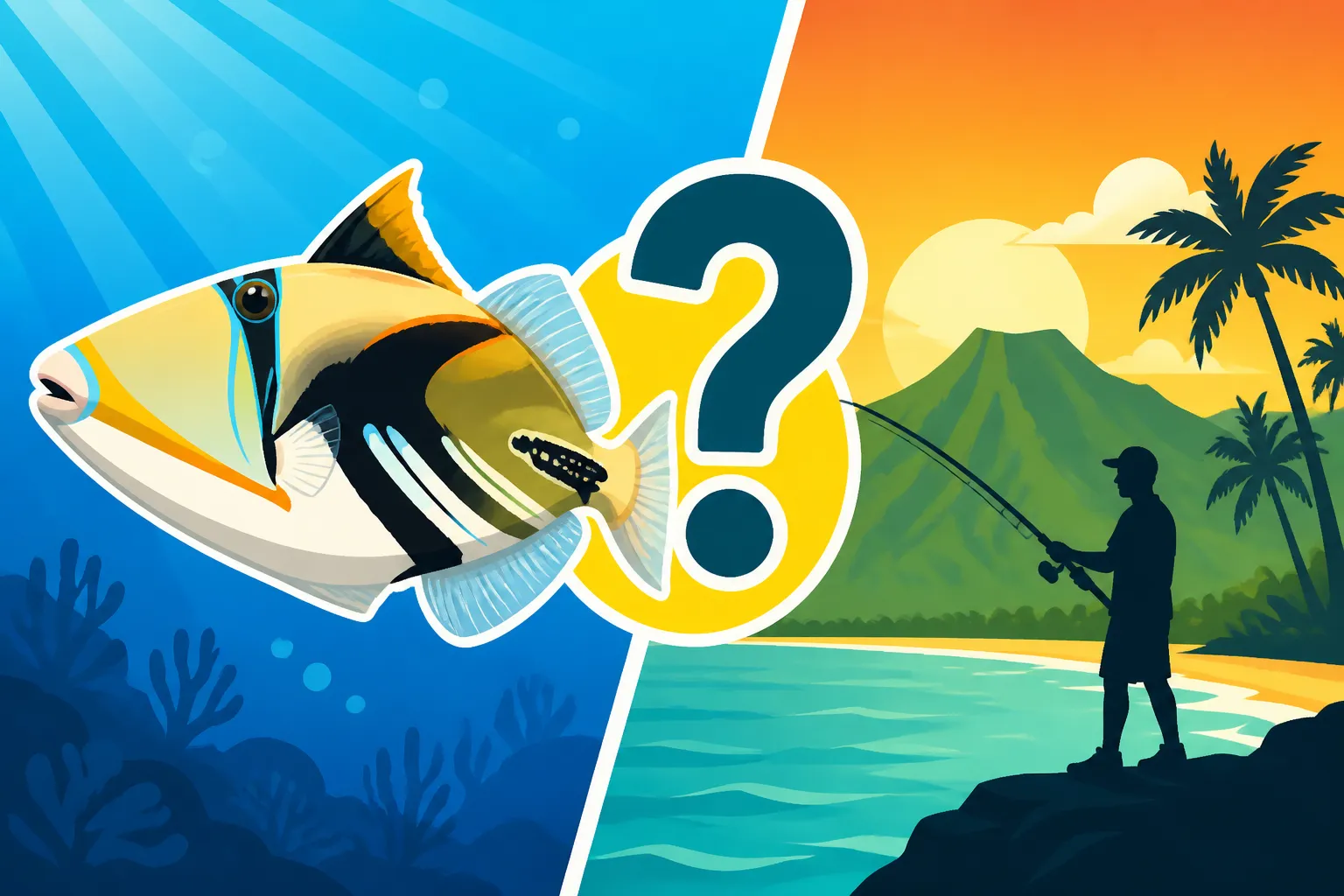
Beyond its legislative journey, there are several compelling reasons why this particular fish captures the hearts of so many and was chosen as a state symbol. For starters, its appearance is truly unforgettable. Unlike many reef fish that blend into the background, the Humuhumunukunukuapuaa boasts a striking mosaic of black, yellow, blue, and white patterns, making it incredibly easy to spot against the coral. It looks like a piece of living art, painted with vibrant, angular strokes that make it instantly recognizable, even to a novice snorkeler.
Its prevalence on Hawaiian reefs also makes it an excellent ambassador for marine life here. You don't have to venture to deep, remote waters to find one; they are commonly seen in shallow, accessible reef flats, tidal pools, and near shorelines across all the main islands. This accessibility means almost anyone visiting or living in Hawaii has the opportunity to encounter one in its natural habitat, forging a personal connection with the state's chosen symbol. Imagine being a child, learning about the state fish, and then seeing it vividly in the waters of your local beach! It brings the textbook lessons to life in the most enchanting way possible.
Culturally, the fish also holds a special place, often depicted in traditional Hawaiian art and storytelling. Its unique name, which we'll delve into later, is a conversation starter in itself, and it embodies a sense of playful resilience that many Hawaiians identify with. While it might not have been a primary food source like some other fish, its consistent presence and distinctive character have made it a beloved part of the islands' natural and cultural tapestry. It represents the beauty and uniqueness of Hawaii's marine environment, making it a perfect emblem for a state so deeply connected to the ocean.
Understanding the Reef Triggerfish: Features and Habitat
The Humuhumunukunukuapuaa, or reef triggerfish, is much more than just a fish with a famous name. It's a truly fascinating creature with a suite of distinctive features and behaviors that make it a standout resident of Hawaii's coral reefs. When you see one, you'll immediately understand why it captures so much attention. Learning about its specific characteristics can enhance your appreciation of this special fish and help you spot it during your next snorkeling adventure.
Distinctive Features and Habitat
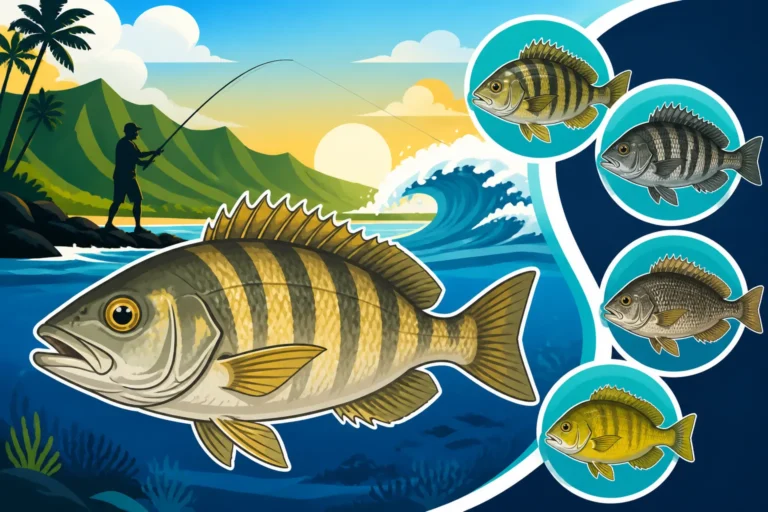
The first thing you'll notice about a Humuhumunukunukuapuaa is its incredible coloration and pattern. It displays a vibrant palette of yellows, blues, blacks, and whites, arranged in a geometric, almost cubist, design across its body. Its oval-shaped body is flattened laterally, giving it a somewhat compressed appearance, and it features a small, pig-like snout – a key detail that contributes to its Hawaiian name. The eyes are set high on its head, giving it a keen, almost intelligent look as it navigates the reef. Unlike many fish that rely on their caudal (tail) fin for propulsion, the Humuhumunukunukuapuaa primarily uses its dorsal and anal fins, creating a distinctive, undulating swimming motion that's often described as hovering or sculling.
These fish are predominantly found in shallow, clear waters over coral reefs, rocky bottom areas, and occasionally in seagrass beds. They love sheltered lagoons and bays where there's plenty of structure to hide in and forage around. If you're out snorkeling in Hawaii, chances are good you'll encounter one flitting between coral heads or darting into a crevice. They're often seen alone or in small, scattered groups, diligently picking at algae, small invertebrates, and detritus on the reef. Their preferred depth typically ranges from just a few feet down to about 90 feet, making them easily observable for snorkelers and divers alike. When you're exploring spots like those mentioned in Best Reef Fishing Spots in Hawaii, keep an eye out for these colorful characters. To really get a good look, many people find that a high-quality snorkel mask and perhaps a waterproof fish identification card (easily found on Amazon) can greatly enhance the experience of observing these and other unique creatures.
Its Unique Defense Mechanisms
One of the most remarkable features of the Humuhumunukunukuapuaa, and indeed all triggerfish, is its specialized dorsal spine, which gives the family its common name. This "trigger" mechanism is a brilliant adaptation for defense. When threatened, or when it wants to secure itself against strong currents or predators, the fish can erect its first, stout dorsal spine. This spine can then be locked into place by a smaller, second spine, making it incredibly difficult to dislodge from a crevice or rock formation. Imagine a small wedge that can be jammed firmly into a crack and then locked down – that's essentially what the triggerfish does.
This ability makes them incredibly resilient and difficult prey. A predator, trying to pull the fish out of a rock, would find it almost impossible due to this locking spine. It’s a bit like trying to pull a nail out of wood when it's bent over on the other side. Once the danger passes, the fish can simply release the "trigger" spine and swim away. This clever defense mechanism allows them to inhabit exposed reef areas with confidence. Their unique swimming style, which looks a bit clumsy to us, also contributes to their survival, allowing them to maneuver with precision in tight spaces among the coral where larger predators might struggle. So, while they might look a bit comical with their "sculling" fins, every part of their anatomy is perfectly adapted for survival in their vibrant, sometimes dangerous, reef home.
The Story Behind the Name
The name Humuhumunukunukuapuaa is undoubtedly one of the most famous, and challenging, fish names in the world. It’s a tongue-twister for many, but it carries deep meaning and cultural resonance within Hawaii. Understanding the origin and pronunciation of this unique name offers a richer appreciation for the fish itself and the Hawaiian language.
Deciphering the Hawaiian Tongue Twister
Let's be honest, the name "Humuhumunukunukuapuaa" is a mouthful, and many visitors to Hawaii find themselves stumbling over its pronunciation. But there's a beautiful simplicity in its construction once you break it down. In Hawaiian, words are often descriptive, and this name is a perfect example. "Humuhumu" refers to the triggerfish family in general. "Nukunuku" means "snout" or "nose," and "apuaa" means "like a pig." Put it all together, and you get "fish that grunts like a pig with a snout like a pig."
Yes, you read that right! The name literally describes the fish's appearance and behavior. The "pig-like snout" refers to its small, somewhat pointed mouth. As for the "grunts like a pig," divers and snorkelers have indeed reported hearing a distinct grunting sound emanating from these fish, especially when they feel threatened or are startled. This sound is produced by grinding their pharyngeal teeth. So, the name isn't just a random collection of syllables; it's a wonderfully accurate, ancient Hawaiian description of this unique creature. Learning this often turns the daunting name into a delightful linguistic puzzle, making it much more memorable and fun to say, even if you still need a few tries to get it right. You can find many wonderful books on Hawaiian marine life and language on Amazon that help decipher such fascinating names.
Cultural Significance Beyond the Title
While its official status as the state fish is significant, the Humuhumunukunukuapuaa has held cultural importance in Hawaii long before any legislative acts. Its distinctive appearance and name have woven it into the fabric of Hawaiian identity and tourism. It's not uncommon to see its image adorning everything from aloha shirts and surfboards to hotel lobbies and local artwork. It has become an instantly recognizable symbol of Hawaii, often alongside leis and volcanoes.
Beyond commercial representations, the fish embodies a spirit of resilience and uniqueness that resonates with the islands. Its ability to lock itself into coral crevices is a metaphor for holding fast and protecting what is precious. Its presence in shallow, abundant reefs also connects it to the concept of malama kai – caring for the ocean – a value deeply ingrained in Hawaiian culture. Observing these fish in their natural habitat, particularly in protected areas like the Hawaii Marine Life Conservation Districts, Explained, offers a tangible connection to the traditional reverence for the ocean's bounty. The fish, therefore, is not just a pretty face or a fun name; it's a living reminder of Hawaii's rich natural heritage and the profound connection its people have with the sea. This cultural significance reinforces its status, making it a beloved icon that transcends mere legislation.
Encountering the State Fish in Hawaii's Pristine Waters
There's nothing quite like seeing the Humuhumunukunukuapuaa in its natural habitat. Its vibrant colors truly pop against the backdrop of the coral reefs, and observing its quirky movements is a joy. If you're hoping to spot one of these iconic fish, knowing where to look and how to behave can greatly increase your chances of a memorable encounter.
Best Spots for Observation
The great news about the Humuhumunukunukuapuaa is that it's a relatively common and accessible fish throughout Hawaii's nearshore waters. You don't need specialized deep-sea gear or a highly experienced Hawaii Fishing Charter Cost Guide to find one; a snorkel and mask will often suffice! They prefer calm, shallow reef flats and lagoons where there's plenty of coral and rocky structure to provide shelter and food sources.
Some of the best places to look include areas within Marine Life Conservation Districts (MLCDs) or other protected zones, where the fish are accustomed to human presence and tend to be more abundant. These areas, like those described in What a Marine Life Conservation District means for anglers, often offer excellent visibility and healthy reef ecosystems. You might find them darting between anemones, pecking at algae on rocks, or grazing on small crustaceans hidden in the sand. Always remember to maintain a respectful distance, avoid touching the coral or any marine life, and move slowly and calmly to avoid startling them. Bringing a waterproof guide, perhaps one you picked up on Amazon, can help you identify not just the Humuhumunukunukuapuaa but also the myriad of other colorful fish that share its home. It's a wonderful way to learn about the incredible biodiversity of the Hawaiian reefs.
Fishing for Humuhumunukunukuapuaa and Why It's Uncommon
While the Humuhumunukunukuapuaa is a fish, it's generally not a target for recreational anglers in Hawaii. There are several reasons for this, both practical and cultural. Firstly, they are quite small, typically growing to about 10 inches in length, and don't offer much in terms of a meal. While edible, their flesh isn't particularly prized, especially compared to the abundance of larger, more flavorful reef and pelagic species. They are also known to occasionally carry ciguatera toxin, a naturally occurring toxin that can accumulate in reef fish and cause illness if consumed. This risk further discourages targeting them for food.
Culturally and symbolically, given its status as Hawaii's state fish, most people prefer to observe and appreciate the Humuhumunukunukuapuaa rather than catch it. It’s seen as a living symbol, not a dinner item. Furthermore, specific fishing regulations, such as those detailed in Hawaii Spearfishing Regulations or Hawaii Fishing Regulations Explained, often prioritize the health of reef ecosystems, and while the Humuhumunukunukuapuaa isn't explicitly protected from recreational take in all areas, many choose to leave them be.
It's a different story from targeting popular reef fish like Uhu (parrotfish), which have specific Hawaii Uhu (Parrotfish) Size and Bag Limits due to their importance as food fish. For the Humuhumunukunukuapuaa, the joy comes from watching these vibrant creatures bring life and color to the reef. So, if you're out fishing, you'll likely be aiming for something like an Ono, Ahi, or Mahimahi, leaving the state fish to gracefully glide through its coral home, a beautiful and enduring symbol of the islands.
| Aspect | Description |
|---|---|
| Official Name | Rhinecanthus rectangulus (Rectangular Triggerfish / Reef Triggerfish) |
| Hawaiian Name Meaning | "Fish that grunts like a pig with a snout like a pig" |
| State Fish Status | First designated 1985 (temporary), lapsed 1990, permanently reinstated 2006. |
| Appearance | Striking geometric patterns of black, yellow, blue, and white; small, pig-like snout; oval body shape. |
| Habitat | Shallow, clear coral reefs, rocky areas, and lagoons (typically 1-90 ft deep). |
| Primary Diet | Algae, small invertebrates, detritus picked from the reef. |
| Unique Feature | "Trigger" dorsal spine that locks into place for defense or anchoring. |
| Swimming Style | Undulating dorsal and anal fins for propulsion, giving a hovering or sculling motion. |
| Fishing Target | Generally not targeted by anglers due to small size, potential ciguatera risk, and cultural status as a state symbol. |
| Conservation | Beneficiary of general reef conservation efforts and marine protected areas. |
Disclaimer
This article is for general informational purposes only and does not constitute professional advice. Laws, prices and regulations vary by location and change over time. Consult a qualified professional for guidance on your specific situation.