What fish species thrive in deep bottomfish grounds
There's a special kind of thrill that comes with fishing in Hawaii, but for many, the vast, shimmering surface of the Pacific only hints at the hidden world below. Anglers often wonder what incredible creatures lurk in the deeper, mysterious waters off the islands, far beyond the familiar reef fish or surface-feeding pelagics. This guide is dedicated to pulling back that curtain, exploring the fascinating fish species that not only survive but truly thrive in Hawaii's deep bottomfish grounds, helping you understand their habitat and what it takes to bring these prized catches to the surface.
The Allure of Hawaii's Deep Bottomfish Grounds
The deep bottomfish grounds of Hawaii are a world apart from the shallow reefs and open ocean that most visitors imagine. We're talking about depths ranging from a few hundred feet to over a thousand feet, where the sun's light barely penetrates, and the ocean floor transforms into dramatic underwater landscapes of ledges, pinnacles, seamounts, and canyons formed by ancient volcanic activity. It's a challenging environment, both for the fish that call it home and for the anglers who seek them, but the rewards are often spectacular.
Understanding the Deepwater Habitat
Imagine the rugged, mountainous terrain of Hawaii, then picture it inverted and submerged. That's essentially what lies beneath the waves. These deepwater structures create unique ecosystems where currents swirl, nutrient-rich waters upwell, and a variety of prey animals congregate. For many deep bottomfish species, these rocky structures provide crucial shelter from predators, excellent ambush points for feeding, and a stable environment with consistent temperatures and salinity. They aren't just surviving down there; they're perfectly adapted to it. The sheer pressure at these depths means fish have evolved special adaptations, like larger eyes to capture what little light exists, or specialized swim bladders to handle rapid pressure changes when they're reeled to the surface.
Why Certain Species Thrive in the Deep
Not every fish is built for the deep. The species that thrive in Hawaii's bottomfish grounds are often slow-growing, long-lived, and have evolved specific physiological traits to handle the extreme conditions. Think about the energy required to hunt in near-darkness or the biological mechanisms needed to regulate buoyancy under immense pressure. Many of these fish are apex predators in their deep-sea niches, feeding on smaller squid, crustaceans, and other fish that inhabit the same zones. Their preference for these specific depths means that while they might occasionally venture shallower, their true domain and the bulk of their population are found in these cooler, darker, and more pressure-intensive waters. This also makes them particularly vulnerable to overfishing, highlighting why Hawaii Bag and Size Limits by Species and other regulations are so important for their long-term survival.
Prime Deep-Dwelling Species You'll Target
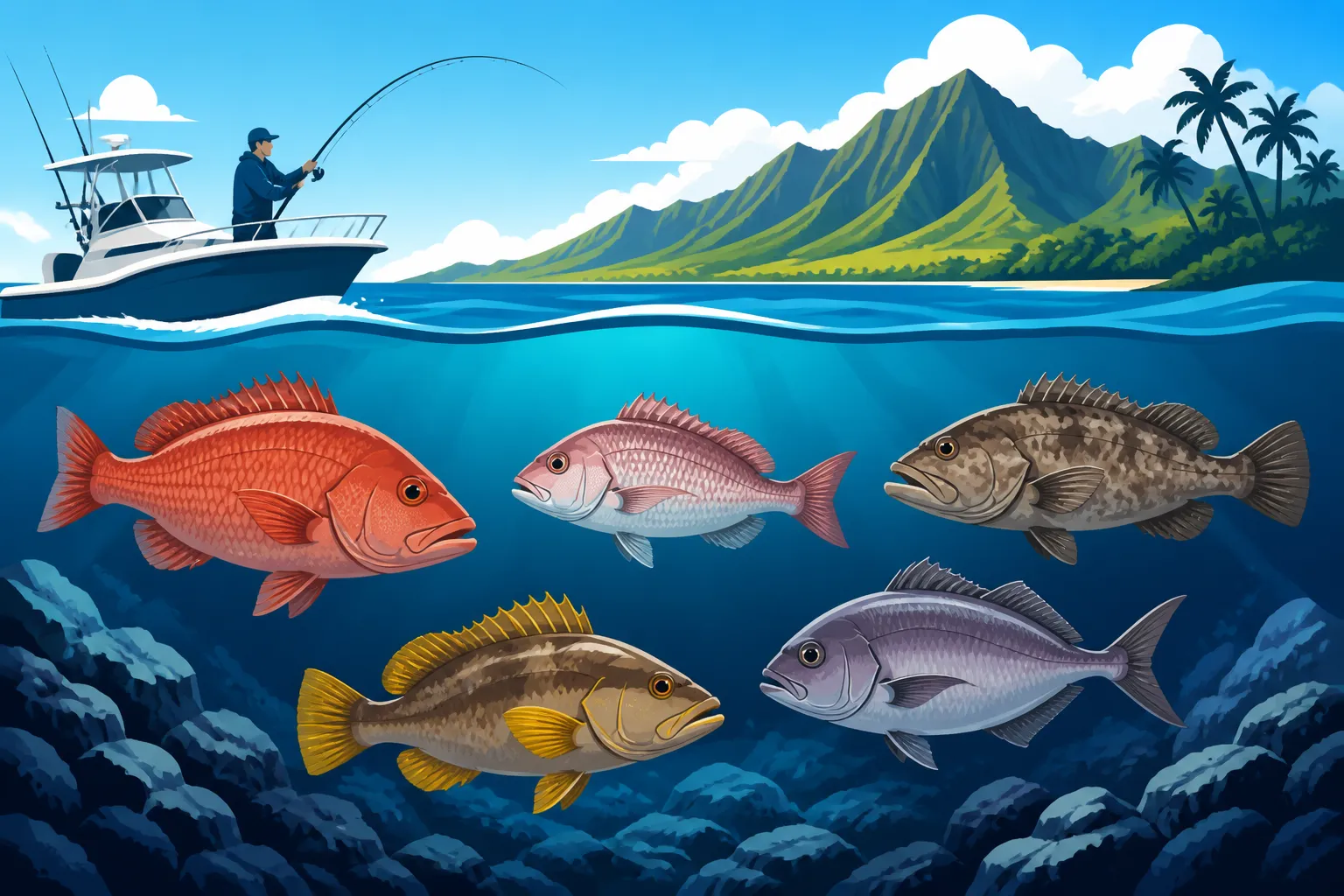
When you venture into Hawaii's deep bottomfish grounds, you're not just fishing for "fish." You're targeting specific, highly-prized species, each with its own unique characteristics, preferred habitats, and delicious culinary appeal. These are the stars of the deep, sought after by seasoned anglers and seafood enthusiasts alike.
Opakapaka: The Pink Snapper Royalty
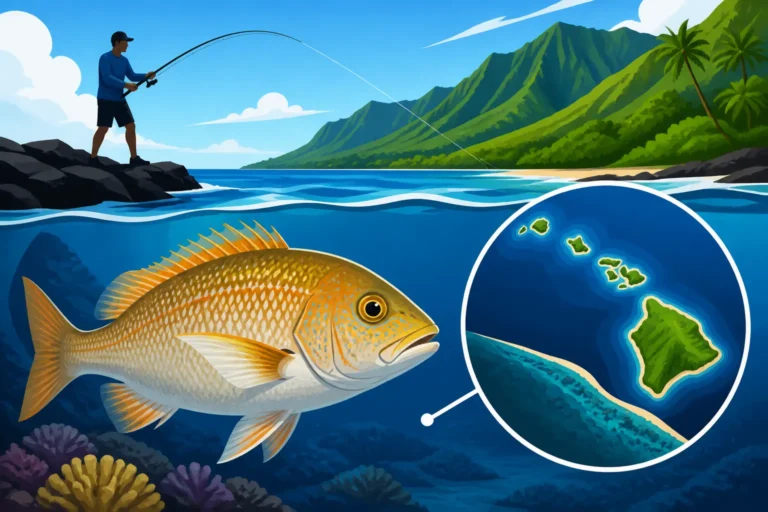
The opakapaka, or pink snapper, is arguably one of the most iconic and sought-after deep bottomfish in Hawaii. Known for its beautiful iridescent pink skin and delicate, flaky white meat, it's a true culinary delight. Opakapaka typically inhabit depths ranging from 180 to 600 feet, preferring rocky ledges and slopes where they can find shelter and ambush prey. They are often found in schools, making them a fantastic target once you locate a productive spot.
These fish are primarily nocturnal feeders, preying on squid, small fish, and crustaceans. Their large eyes are perfectly adapted for hunting in low-light conditions. When you hook an opakapaka, expect a strong, sustained fight, especially when they're pulled from deeper water. They average a few pounds but can grow considerably larger, sometimes exceeding 20 pounds. Catching a good-sized opakapaka is a mark of a successful deep-drop trip, and understanding Opakapaka (Pink Snapper) Habits can greatly increase your chances.
Onaga: The Ruby Red Gem
The onaga, also known as ruby snapper or longtail snapper, is another highly prized deep-sea treasure, renowned for its striking ruby-red color and exceptionally flavorful flesh. Onaga typically dwell in even deeper waters than opakapaka, often found between 600 and 1,200 feet, favoring steep drop-offs and seamounts. Their deep habitat makes them a bit more challenging to target, but their firm, delicate meat commands a premium price and is a favorite for sashimi.
Onaga are solitary hunters, primarily feeding on squid and small fish. They are characterized by their elongated, elegant body and a long, flowing caudal (tail) fin, which is a distinguishing feature. Due to the extreme depths they inhabit, catching an onaga often requires specialized deep-drop gear. When you hook one, they put up a good fight, but the real challenge is the long retrieve from the deep. An adult onaga can easily weigh 10 to 20 pounds, with larger specimens being a truly magnificent sight. Learning about Onaga (Ruby Snapper) Habits will reveal their elusive nature and the best times to target them.
Hapu'upu'u: The Deepwater Grouper
The hapu'upu'u, or Hawaiian sea bass, is a deepwater grouper species that offers a different kind of challenge and reward. These robust fish are found over rocky bottoms, drop-offs, and seamounts, typically in depths ranging from 300 to 1,000 feet. They are known for their powerful build and delicious, firm white meat, making them a popular target for both recreational and commercial bottomfishers.
Hapu'upu'u are opportunistic predators, consuming a wide variety of prey including squid, crustaceans, and other bottom-dwelling fish. Unlike the schooling opakapaka, hapu'upu'u are often found individually or in small groups, hunkering down near structure. When hooked, they are formidable fighters, often trying to "rock up" and break off your line in the structure below. This means you need stout tackle and quick reflexes to pull them away from their rocky lairs. They can grow quite large, with many catches in the 20-50 pound range, and even larger specimens occasionally landed.
Ehu: The Squirrelfish Snapper
Ehu, sometimes referred to as the squirrelfish snapper, are another valuable component of Hawaii's deep bottomfish fishery. While perhaps not as flashy as opakapaka or onaga, ehu are still highly regarded for their tasty, sweet meat. These fish are found in moderate deepwater habitats, typically between 150 and 600 feet, often alongside opakapaka on rocky bottoms and ledges.
Characterized by their reddish-pink color and large eyes, ehu are generally smaller than opakapaka and onaga, averaging 2-5 pounds, though they can reach up to 10 pounds. They are nocturnal feeders, much like opakapaka, and their diet consists of small invertebrates and fish. Ehu tend to school, so once you find a pocket of them, you can often catch several. They offer a spirited fight on lighter deep-drop tackle and are a welcome addition to any cooler.
Essential Gear and Techniques for Success
Deep bottomfishing in Hawaii is not your casual shoreline casting trip. It demands specialized gear and techniques to effectively reach depths of several hundred to over a thousand feet, present your bait correctly, and then haul up powerful fish from immense pressure. Investing in the right equipment and understanding the methods is paramount to success and safety.
Specialized Deep-Drop Rods and Reels
For tackling these deepwater giants, standard fishing gear simply won't cut it. You'll need heavy-duty rods designed to handle significant weight and powerful fish, often rated for 80 to 130-pound test line. These rods are usually shorter, with a strong backbone and a sensitive tip to detect subtle bites at extreme depths.
The reel is where the true specialization comes in. Electric reels are almost a necessity for deep bottomfishing, especially when targeting depths over 500 feet. Manually cranking a heavy weight and a fish from 800 feet down is an exhausting, if not impossible, task. Electric reels, often available through retailers like Amazon, make the retrieve much more manageable, allowing you to focus on the fight rather than the physical strain. Look for models with strong motors, precise line counters, and durable construction to withstand saltwater environments. For those preferring a manual challenge on shallower deep-drop spots, heavy-duty conventional reels with a high gear ratio and immense cranking power can be used.
Rigs, Weights, and Baits
The terminal tackle for deep bottomfishing is also unique. You'll typically use a "hapu'upu'u rig" or "Hawaiian drop rig," which often consists of multiple hooks (usually 3-5) spaced out on dropper loops above a heavy lead sinker. The weight required is substantial, often ranging from 1 to 5 pounds, sometimes even more, depending on depth and current. These heavy weights are essential to get your bait down quickly and keep it in the strike zone. You can find a wide selection of these specialized rigs and weights on platforms like Amazon, making it convenient to stock up before your trip.
For bait, fresh is always best. Squid is a universal favorite for almost all deep bottomfish species. Other effective baits include cut fish (like mackerel or opelu), octopus, and even live bait if you can manage to get it down to depth. The presentation needs to be robust enough to survive the long descent and attract attention in the dark. Many anglers also use glow-in-the-dark beads, skirts, or light sticks attached to their rigs to further entice curious fish in the dim depths.
Navigating Currents and Drift
Deep bottomfishing isn't just about dropping a line straight down. Ocean currents can be powerful and complex, especially around underwater structures. Understanding how currents affect your line and weight is crucial. You'll often need to "drift" your boat over the desired structure, letting the current carry your bait through the fish's feeding zones. This requires careful boat handling and a good understanding of sonar technology to pinpoint ledges, pinnacles, and schools of fish. Knowing how to read your fish finder and adjust your drift speed can make all the difference between a barren drop and a productive one. Consider using a quality fish finder, which you can research and purchase from online retailers like Amazon, to scout the bottom before you even drop a line.
| Species Name | Typical Depth Range (Feet) | Preferred Habitat | Average Size (Pounds) | Culinary Value |
|---|---|---|---|---|
| Opakapaka (Pink Snapper) | 180 – 600 | Rocky ledges, slopes, schools | 5 – 15 | Excellent, delicate white meat |
| Onaga (Ruby Snapper) | 600 – 1200 | Steep drop-offs, seamounts, solitary | 10 – 20 | Exceptional, firm, prized for sashimi |
| Hapu'upu'u (Hawaiian Sea Bass) | 300 – 1000 | Rocky bottoms, ledges, seamounts | 20 – 50+ | Very Good, firm white meat |
| Ehu (Squirrelfish Snapper) | 150 – 600 | Rocky bottoms, ledges, schools | 2 – 5 | Good, sweet white meat |
Navigating Regulations and Conservation for Deep Bottomfish
As with any form of fishing, especially for species that are slow to grow and reproduce, responsible practices and adherence to regulations are absolutely critical. Hawaii's deep bottomfish stocks are a precious resource, and their sustainability relies on every angler doing their part. It's not just about what you catch, but how you catch it and whether you respect the rules designed to protect these fish for future generations.
Understanding Hawaii's Bottomfish Regulations
The State of Hawaii, through the Department of Land and Natural Resources (DLNR) Division of Aquatic Resources (DAR), implements specific regulations for bottomfish. These rules often include minimum and maximum size limits for certain species, daily bag limits, and sometimes even seasonal closures for specific areas or species to allow for spawning. These regulations are dynamic and can change, so it's paramount to consult the most current official resources before heading out.
For example, Hawaii Fishing Regulations Explained will detail the legal requirements you must follow, including species-specific rules. There are often different regulations for recreational and commercial fishing, so make sure you understand which apply to your activity. Ignoring these rules can lead to significant penalties, including fines and confiscation of gear. It's not worth the risk, and more importantly, it's not responsible angling.
Barotrauma and Release Practices
One of the significant challenges with deep bottomfishing is barotrauma, which refers to the physiological stress and injury fish experience when rapidly brought up from deep water. The rapid decrease in pressure can cause their swim bladder to expand, pushing their internal organs outwards, making it difficult for them to swim back down. This is a serious concern for any fish you intend to release.
If you plan on practicing catch and release for deep bottomfish, you absolutely need to be prepared with a descending device. These devices allow you to re-pressurize the fish by sending it back down to depth, helping its swim bladder to contract and allowing it to recover and swim away naturally. Knowing how to properly use a descending device is a skill every deep bottomfisher should master. Without one, the chances of a released fish surviving from extreme depths are very low.
The Importance of Sustainable Harvesting
The slow growth rates and long lifespans of many deep bottomfish species mean that their populations can take a long time to recover from overfishing. Unlike some pelagic species that reproduce rapidly, deep bottomfish are particularly vulnerable. Therefore, sustainable harvesting isn't just a suggestion; it's a necessity. This means only taking what you need, adhering strictly to bag limits, and being mindful of the overall impact of your fishing efforts.
Support for local conservation efforts, staying informed about Hawaii Fishing License Guide for 2026, and advocating for responsible fishing practices are all ways to contribute to the health of Hawaii's deep-sea ecosystems. The beauty and bounty of these deep waters are truly special, and it's up to all of us to ensure they remain vibrant for generations to come.
Disclaimer
This article is for general informational purposes only and does not constitute professional advice. Laws, prices and regulations vary by location and change over time. Consult a qualified professional for guidance on your specific situation.