Kona Sportfishing Tournament Charter Trips
The dream of hooking into a grander marlin or a trophy ahi off the legendary Kona Coast is one thing, but the reality of navigating the high-stakes world of sportfishing tournaments can feel like a whole different ocean. Many anglers find themselves overwhelmed by the sheer amount of planning, the intricacies of tournament rules, and the challenge of selecting a charter that truly understands the competitive edge required. This comprehensive guide is here to demystify the process, helping you choose the perfect charter and prepare for an unforgettable and potentially winning Kona sportfishing tournament trip.
Understanding Kona's Tournament Scene
Kona, on the Big Island of Hawaii, isn't just a pretty place to fish; it's a world-renowned battleground for serious sportfishing tournaments. The deep, calm waters just offshore, the consistent presence of baitfish, and the incredible pelagic species make it a magnet for anglers seeking to test their skills against the best and the biggest. Understanding the tournament landscape is your first step toward success.
Types of Sportfishing Tournaments in Kona
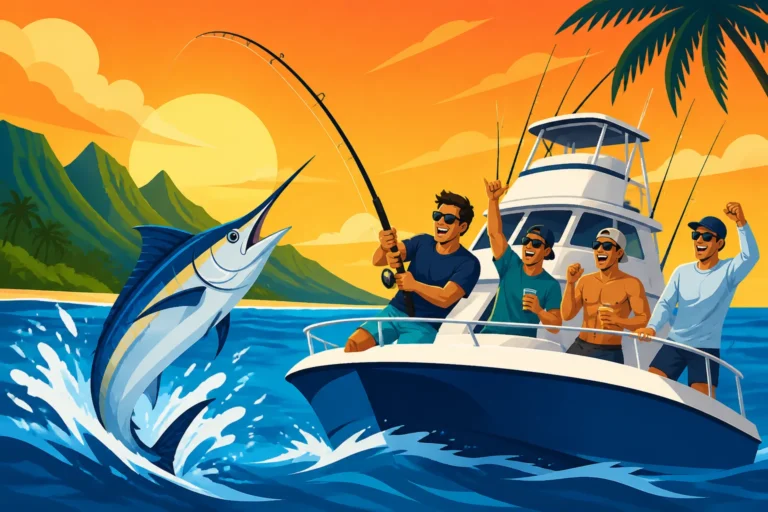
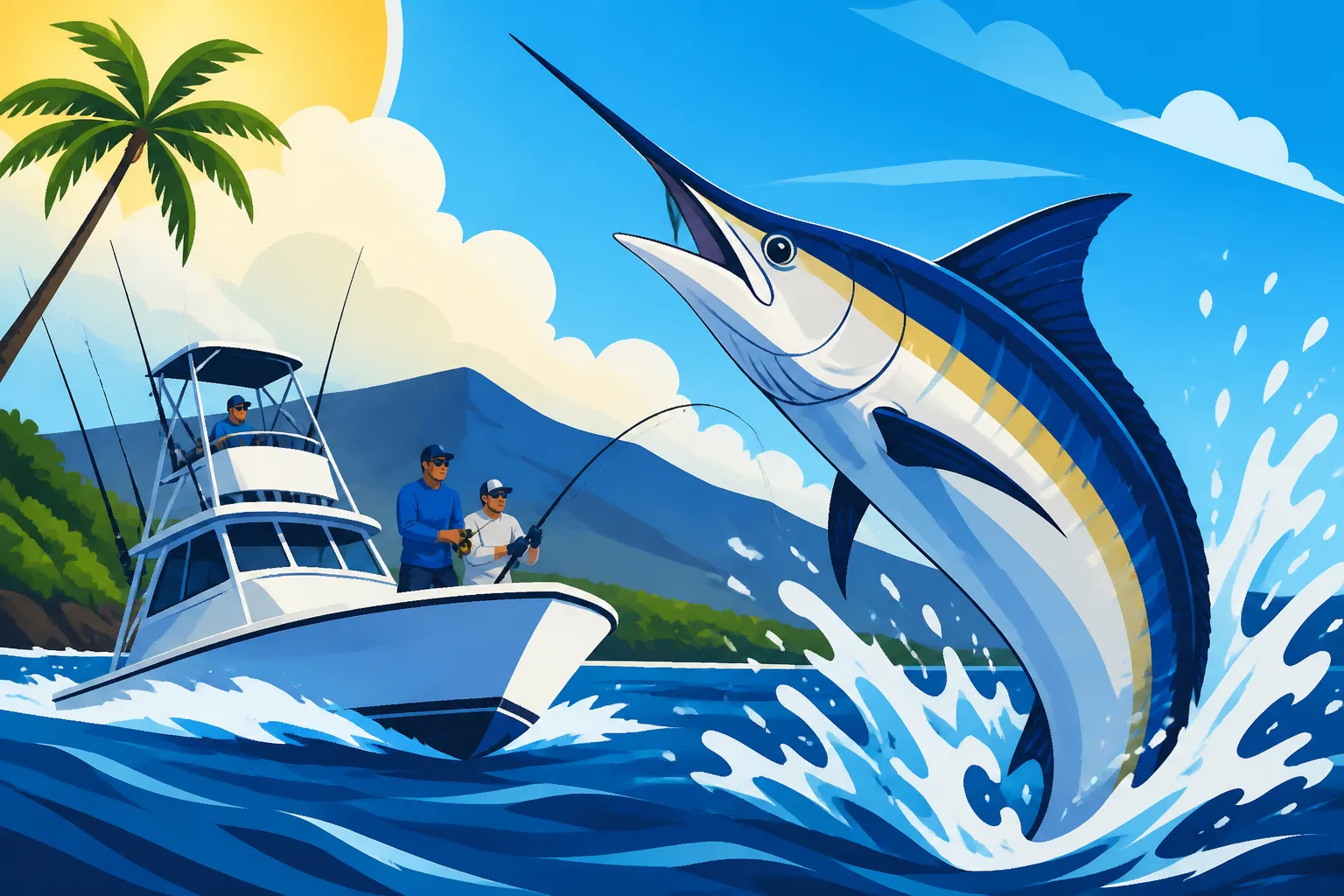
When you hear "Kona tournament," your mind probably jumps straight to giant marlin, and you wouldn't be wrong. Blue marlin tournaments, often with a "grander challenge" to catch a fish over 1,000 pounds, are the most celebrated events. These are often multi-day competitions where precision, endurance, and a bit of luck all play a crucial role. The prestige of landing a grander and potentially winning prize money is what draws many to these events.
Beyond the colossal blues, Kona also hosts fantastic tournaments targeting other pelagic species. You'll find tournaments focused on ahi (yellowfin tuna), which are incredibly powerful fighters and often found in huge schools. Some events might include "game fish" categories, allowing for catches of ono (wahoo) or mahimahi. There are also tag-and-release tournaments, which prioritize conservation and the thrill of the fight over bringing a fish to the scales, rewarding points for successful releases. Each type of tournament offers a unique challenge and caters to different angling preferences, so it's worth researching which aligns best with your personal goals.
Key Tournament Seasons and Events
While Kona boasts excellent fishing year-round, certain times of the year are synonymous with specific tournament action. The prime season for blue marlin, and thus the major marlin tournaments, generally runs from late spring through fall, peaking in the summer months. This is when the largest blue marlin tend to be most abundant in Kona's waters, making it the dream window for grander hunters.
Iconic events like the Hawaiian International Billfish Tournament (HIBT), one of the oldest and most prestigious fishing tournaments in the world, draw teams from across the globe. Other notable tournaments include the Kona Kick Off, Skins Marlin Derby, and various "Shootout" events. Ahi tournaments might be scattered throughout the year, often coinciding with prime tuna runs. It's essential to check the official calendars well in advance, as these events fill up quickly, both for angler registration and charter availability. Knowing the Best Time of Year to Fish in Hawaii can give you a general idea of species seasonality, but tournament schedules are always your best bet for specific dates.
The Allure of Tournament Fishing
What is it about tournament fishing in Kona that ignites such passion and dedication? For many, it's the ultimate test of skill. It's not just about catching a fish; it's about executing a flawless strategy, from lure selection and trolling patterns to the precision of the hook set and the endurance required for a lengthy fight. The competitive aspect adds an unparalleled adrenaline rush, knowing that every decision, every minute on the water, could mean the difference between victory and defeat.
Beyond the competition, there's an undeniable camaraderie among tournament anglers and crews. It’s a shared experience of facing the vast Pacific, enduring long hours, and celebrating the triumphs and commiserating over the near misses. There's a deep respect for the ocean, the fish, and the skill of fellow competitors. Whether you're chasing a world record or simply the thrill of competing, Kona's tournaments offer a truly immersive and unforgettable sportfishing adventure.
Choosing the Right Charter for Tournament Success
Selecting a charter for a sportfishing tournament isn't like picking one for a casual family outing. This is where experience, specialized equipment, and a proven track record become paramount. You're not just booking a boat; you're assembling a team for battle.
Experience and Reputation: Finding a Tournament-Savvy Crew
For tournament fishing, the captain and crew are everything. You need a team that lives and breathes tournament fishing, not just daily charters. Look for captains with a long history of fishing Kona's waters, specifically in competitive events. Do they consistently place in tournaments? Do they have a reputation for knowing the local conditions, currents, and baitfish patterns intimately? A tournament-savvy crew understands the subtle nuances of the bite, when to push for another hour, and how to properly present a lure to entice a finicky marlin.
Don't just take their word for it; do your homework. Read reviews, check tournament results from previous years, and ask for references. Many charters that specialize in tournaments will proudly display their past achievements. A great captain for a tournament might not be the loudest, but they will be focused, strategic, and calm under pressure. Online platforms like FishingBooker can be a great starting point for researching highly-rated charters and reading candid reviews from other anglers who've had competitive experiences. You want a crew known for their professionalism and dedication to the tournament game.
Boat Size, Equipment, and Amenities
Tournament fishing demands a specific kind of vessel and outfitting. While smaller boats can certainly catch big fish, a dedicated sportfishing yacht, typically in the 40-60 foot range, offers stability, speed, and comfort crucial for long days offshore. These boats are designed for offshore travel, with robust hulls that handle Kona's occasional swells better, making the journey to distant fishing grounds smoother.
Crucially, the equipment needs to be top-tier. Expect tournament-grade rods and reels, often heavier tackle than you might use recreationally, capable of handling a grander marlin or a tackle-busting ahi. The boat should be equipped with state-of-the-art electronics, including high-definition sonar to spot bait schools and bottom structure, and reliable radar. A proper fighting chair is non-negotiable for battling large billfish for extended periods. Beyond the fishing gear, consider comfort amenities. Air-conditioned cabins, clean restrooms, and a comfortable galley can make a huge difference during multi-day tournaments where rest and recovery are key. Don't forget to inquire about the safety equipment on board, ensuring everything is up to Coast Guard standards.
Charter Packages and Pricing Structures
Tournament charters operate differently from standard day trips, and their pricing reflects that. While a regular charter might be a single day, tournament packages are often structured for multi-day events, requiring more extensive preparation, specialized bait, and a more intense focus from the crew. This translates to a higher cost. These packages generally include the boat, captain, crew, and all the necessary fishing tackle and bait.
However, it's vital to clarify what is and isn't included. Tournament entry fees are almost always separate and can be substantial. Some charters might offer different tiers, with some covering non-alcoholic beverages and light snacks, while others expect you to bring your own provisions. Discuss potential prize money arrangements beforehand – some charters have a standard split if you win, while others may vary. Always ask for a detailed, written quote that outlines all costs and inclusions to avoid any surprises. Remember, this isn't just a leisure activity; it's an investment in a competitive pursuit, so understanding the Hawaii Fishing Charter Cost Guide in a tournament context is crucial.
Preparing for Your Tournament Trip
Once you've secured your dream charter, the real preparation begins. Tournament fishing demands more than just showing up; it requires physical, mental, and logistical readiness to perform at your best.
Physical and Mental Readiness
Tournament fishing days are long, intense, and physically demanding. Imagine spending hours under the tropical sun, often battling swells, only to hook into a massive marlin that could take an hour or more to bring to the boat. This requires stamina. Start getting physically active before your trip, focusing on core strength and endurance. Stay hydrated, eat nourishing meals, and get plenty of rest in the days leading up to the tournament.
Equally important is mental readiness. Be prepared for early mornings and late nights. Accept that fishing has its ups and downs; you might go hours without a bite, or you might hook into multiple fish in quick succession. Maintaining a positive attitude and trusting your crew are vital. Seasickness is a common concern, especially when focused intensely on fishing. If you're prone to it, research effective prevention methods well in advance, whether it's over-the-counter medication, patches, or acupressure bands. The last thing you want is to be incapacitated when the big one bites.
Understanding Tournament Rules and Regulations
This cannot be stressed enough: know the rules of the specific tournament you are entering. Tournament rules can be incredibly detailed and vary significantly from one event to another. These aren't just suggestions; they are strict guidelines that, if violated, can lead to disqualification. Pay close attention to:
- Eligible Species: Which fish count for which category?
- Size and Weight Limits: Minimums or maximums for weighed fish.
- Tackle Restrictions: Permitted line classes, hook types (e.g., circle hooks only for certain species), leader lengths.
- Weigh-in Procedures: Specific times, locations, and methods for bringing fish to the scales.
- Tag-and-Release Rules: How must a fish be tagged and released to count? What documentation or photos are required?
- Boundaries: The geographical limits within which you must fish.
Your charter captain will be well-versed in these rules, but it is ultimately your responsibility as an angler to understand them. Review the tournament's official rule book thoroughly, ask your captain questions, and ensure everyone on board is on the same page. You might also find it helpful to look into the broader Hawaii Fishing Regulations Explained to get a sense of general fishing laws, as tournament rules often overlay these.
Packing Essentials and Personal Gear
While your charter will provide all the heavy-duty fishing gear, there are crucial personal items you'll need to pack to ensure comfort and readiness for long days on the water:
- Sun Protection: The Hawaiian sun is intense. Bring a wide-brimmed hat, polarized sunglasses (essential for spotting fish and structure), and high-SPF, reef-safe sunscreen. Long-sleeved, breathable UV-protective shirts are also highly recommended.
- Rain Gear: Even on sunny days, pop-up showers are common. A lightweight, waterproof jacket can be a lifesaver.
- Comfortable Clothing: Quick-drying shorts and shirts are ideal. Avoid jeans or heavy cotton.
- Non-Marking Shoes: Deck shoes or sandals with good grip that won't scuff the boat's deck are a must.
- Medication: Any personal medications, especially motion sickness remedies, should be easily accessible.
- Camera: To capture those epic moments, but ensure it's either waterproof or stored in a dry bag.
- Snacks and Drinks: While some charters provide basics, bring your preferred snacks, non-alcoholic beverages, and plenty of water.
- Small Dry Bag: For protecting your phone, wallet, and other small valuables from spray.
Resist the urge to bring your own "lucky" fishing rod unless specifically cleared by the captain. Tournament setups are highly specialized, and the charter's gear will be calibrated for maximum performance and compliance with tournament rules.
Tournament Day Strategy and Execution
The horns blow, and the tournament officially begins. This is where all your preparation, the captain's expertise, and the crew's hard work come together. Success hinges on a clear strategy, seamless teamwork, and flawless execution.
Communication with Your Captain and Crew
On tournament day, your captain is the undisputed leader. They're monitoring weather, sea conditions, bait activity, and other boats, constantly adjusting strategy. Trust their judgment implicitly. Maintain open and respectful communication. If you have a question or concern, voice it clearly and calmly. Remember, everyone on board has the same goal: to catch fish and win.
The crew, especially the deckhand, is your direct link to the fishing action. Listen to their instructions regarding lure changes, when to get ready for a strike, and how to operate the fighting chair. They'll guide you through the intricacies of a long fight, offering encouragement and advice. Good teamwork between angler, deckhand, and captain is absolutely critical for successful hook-ups, fights, and releases or weigh-ins. They are your coaches, and you are the player in the chair.
Fighting a Tournament-Winning Fish
When that line screams off the reel, the adrenaline surge is immense. This isn't a casual retrieve; this is a strategic battle. Get into the fighting chair quickly and safely, following your crew's guidance. Proper posture, keeping your rod tip up, and using the chair's gimbal and harness effectively will distribute the immense strain and prevent fatigue. The crew will manage the boat, maneuvering to keep the fish in the most advantageous position for you.
Listen for instructions on pumping the rod, reeling down, and applying drag pressure. Billfish, especially large marlin, are notorious for their powerful runs and aerial displays. Conserving your energy, maintaining constant pressure, and working as a cohesive unit with the deckhand (who is often wiring the fish closer to the boat) are keys to bringing a tournament fish to gaff or to a clean tag-and-release. For marlin, specifically, knowing How to Catch Marlin off the Kona Coast in a high-pressure situation can make all the difference. Similarly, for tuna, understanding How to Catch Ahi in Hawaii for a sustained, powerful fight is paramount.
Weigh-in and Post-Tournament Protocol
If you've managed to land a qualifying fish, the weigh-in is an experience unto itself. The atmosphere is electric, with crowds gathered, cameras flashing, and anticipation building as the scales register the weight. This is your moment to shine, showcasing your hard-won catch. The charter crew will handle the logistics of getting the fish from the boat to the scales. If it's a tag-and-release tournament, the protocol will involve documenting the release with specific photos or video and reporting it according to the rules.
Win or lose, sportsmanship is paramount. Congratulate your fellow competitors, thank your captain and crew for their hard work, and celebrate the incredible experience of fishing in a Kona tournament. If you do catch a fish that's kept, discuss with your charter about fish sharing policies. Many will clean and fillet a portion for you to take home, while the rest might be distributed among the crew or even donated. Knowing the Hawaii Pelagic Species Bag Limits and any specific tournament rules on retention is important for proper handling.
Maximizing Your Tournament Experience
Participating in a Kona sportfishing tournament is an adventure, regardless of whether you end up on the podium. There are so many layers to the experience, from learning from the best to creating memories that will last a lifetime.
Learning from the Pros
One of the most invaluable aspects of fishing a tournament with a top-tier Kona charter is the opportunity to learn from true experts. These captains and crews have spent decades honing their craft on these specific waters. Observe their techniques: how they set the spread, how they read the water, their bait selection, and their boat handling during a fight. Don't be shy about asking questions when the action slows down – within reason, and respecting their focus on finding fish.
You'll gain insights into everything from Trolling Techniques for Hawaii Pelagics to advanced sonar interpretation. This isn't just about catching fish in a tournament; it's about expanding your own angling knowledge exponentially. Fishing alongside seasoned professionals in a competitive environment can teach you more in a few days than years of recreational fishing on your own.
Capturing Memories
While the goal is to win, the memories you create are truly priceless. Make sure you have a plan to capture the experience, whether it's through photos or video. If you're fortunate enough to land a trophy fish, ensure you get clear, high-quality photos, especially if it's a tag-and-release. Ethical release photography is crucial – prioritize the fish's health and minimize its time out of the water.
Your charter may have a dedicated photographer or crew member who takes pictures, but bringing your own waterproof camera can also ensure you get the shots you want. Imagine looking back at pictures of yourself battling a grander marlin or posing with a massive ahi on the weigh station. These visual reminders will allow you to relive the excitement for years to come. Platforms like FishingBooker often feature galleries from past trips, giving you an idea of the kind of moments charters help capture, and which charters might be particularly keen on documenting your trip.
Budgeting for the Dream Trip
A Kona tournament charter trip is an investment, and it’s wise to budget comprehensively. Beyond the charter fee itself, which as discussed, is often higher for tournament-specific trips, you need to account for several other expenses.
These include your travel to and from Hawaii, accommodation (which can vary widely from budget-friendly hotels to luxury resorts), ground transportation, and meals. Don't forget the tournament entry fees, which can range from a few hundred to several thousand dollars depending on the event and optional jackpots. Tips for the captain and crew are customary and expected, especially if they work hard for you, win or lose. A good rule of thumb for tipping etiquette is around 15-20% of the charter fee, but this can vary. For more details on what to expect, refer to Tipping Etiquette for Hawaii Fishing Charters. Lastly, factor in incidentals like souvenirs, extra drinks, and any fish processing or shipping if you keep a significant catch. A clear understanding of all potential costs will allow you to fully enjoy the experience without financial stress.
| Tournament Charter Consideration | Description | Importance |
|---|---|---|
| Captain & Crew Experience | Look for captains with a proven tournament track record and deep local knowledge. | Critical |
| Boat & Equipment | Ensure the vessel is a well-maintained sportfisher with tournament-grade tackle, electronics, and a proper fighting chair. | High |
| Tournament Rules Knowledge | The crew must be intimately familiar with the specific event's rules, and you should be too. | Critical |
| Communication & Teamwork | Clear communication between you, the captain, and deckhand is essential for strategy and fighting fish. | High |
| Physical & Mental Prep | Long, intense days demand good physical stamina and a resilient mindset. | High |
| Cost & Inclusions | Understand what the charter package covers (boat, crew, basic tackle) versus extra costs (entry fees, tips, special bait). | Medium |
| Conservation Ethic | If participating in tag-and-release, ensure the charter follows best practices for fish welfare. | High |
Disclaimer
This article is for general informational purposes only and does not constitute professional advice. Laws, prices and regulations vary by location and change over time. Consult a qualified professional for guidance on your specific situation.