What is included in a Hawaii fishing charter price
It's incredibly frustrating when you're looking to book that dream Hawaii fishing charter, you see a price, and then wonder, "Okay, but what actually does that cover?" You're not alone in feeling like you need a secret decoder ring just to understand the breakdown. This guide is here to unravel the typical inclusions and common exclusions in a Hawaii fishing charter price, helping you plan your perfect angling adventure without any unwelcome surprises.
Decoding the Standard Hawaii Fishing Charter Price: What's Typically Covered?
When you first look at a fishing charter listing, whether it's on a direct website or a booking platform like FishingBooker, you'll see a base price. This figure, for the most part, aims to cover the fundamental elements that make a fishing trip possible and enjoyable. It's the core package that gets you out on the water.
The Boat, Crew, and Essential Safety Gear
Foremost, your charter price covers the vessel itself, whether it's a sleek sportfisher out of Honokohau Harbor or a sturdy center console from Maalaea. This includes the cost of maintaining the boat, its insurance, and the substantial investment the owner has made. More importantly, it secures your spot with an experienced crew. These aren't just boat drivers; they're seasoned professionals who know the local waters, fish behavior, and how to safely operate their vessel in Hawaii's sometimes challenging conditions. They're your guides, your teachers, and often, your cheerleaders when you're fighting a big fish.
Part of having a professional crew also means they're responsible for your safety. Your charter price covers all the mandatory safety equipment required by the Coast Guard, such as life jackets (personal flotation devices), flares, first-aid kits, and communication devices. While you hope you never need them, knowing they are on board and properly maintained offers immense peace of mind. It’s a non-negotiable part of any legitimate charter operation.
Rods, Reels, and General Tackle
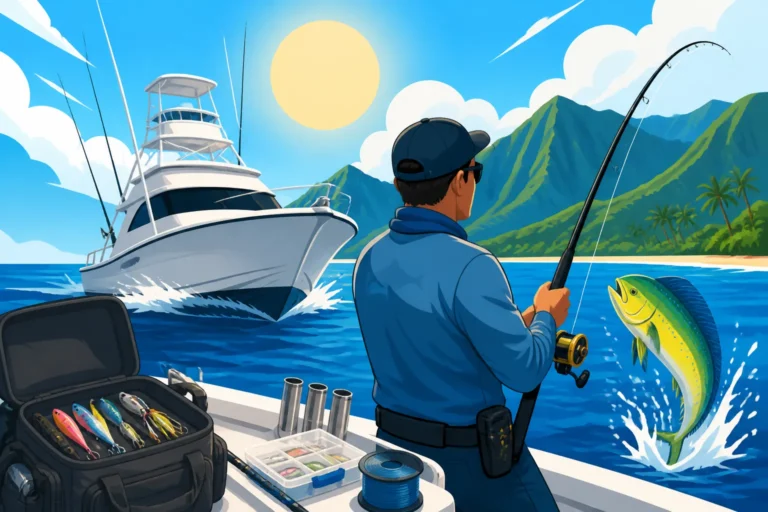
Unless explicitly stated otherwise, a Hawaii fishing charter price almost always includes the use of their fishing rods, reels, and general tackle. This is a huge benefit, especially for visitors who don't want to travel with bulky fishing gear or invest in specialized equipment they might only use once. Charter boats typically carry a range of rods and reels suited for the target species and fishing techniques they employ, from heavy-duty trolling setups for marlin to lighter gear for bottomfishing.
For instance, if you're chasing big ahi or marlin, they'll have the powerful stand-up gear and fighting chairs ready. If you're going for deep-dropping for opakapaka or onaga, they’ll have electric reels or heavy conventional gear for that. The crew is also skilled in rigging this tackle correctly, ensuring hooks are sharp, lines are fresh, and everything is in optimal condition for catching fish. You often won't need to worry about the cost of a broken rod or lost lure either, as that’s usually absorbed into the charter’s operational expenses.
Bait and Lures: Fresh or Faux?
What good is a fishing trip without bait or lures? Rest assured, the cost of these essential items is almost always factored into the base price of your Hawaii fishing charter. Depending on the type of fishing, this could mean anything from live bait like opelu or akule, which the crew might catch themselves before your trip or buy fresh that morning, to a vast array of artificial lures.
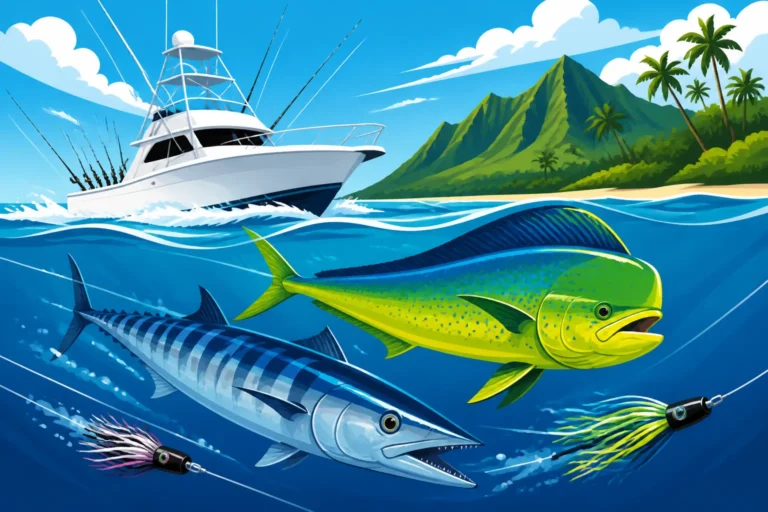
For pelagic trolling, expect a spread of high-quality, often custom-made, lures designed to attract marlin, ahi, ono, and mahimahi. These can be expensive to purchase individually, so having them included is a significant value. For bottomfishing, you'll likely find cut bait like squid or mackerel, meticulously prepared by the deckhands. Some charters might even offer "chumming" as part of their strategy, and the cost of the chum is also part of that initial price. The crew ensures they have plenty on hand to give you the best chance of success.
Fuel: The Engine of Your Adventure
The cost of fuel can be a significant portion of a charter operation's overhead, especially with rising prices and the distances covered when chasing offshore species. Thankfully, for the vast majority of Hawaii fishing charters, the cost of fuel is built right into the advertised price. You won't typically see a separate line item or an unexpected charge for gallons consumed at the end of your trip.
This means the captain has the freedom to take you to the best fishing grounds, whether it's a short run to a nearshore reef or a longer journey offshore to the FADs (Fish Aggregating Devices) or a known marlin hot spot off the Kona Coast. This inclusion gives you peace of mind that your captain isn't cutting corners on distance to save on fuel, but rather focusing on getting you to where the fish are biting. It's a fundamental operational cost that's generally considered part of providing the service.
Common Extras and Potential Hidden Costs to Anticipate
While the base price covers a lot, it's savvy to be aware of the things that aren't always included. Sometimes these are optional services, other times they are personal necessities that you might overlook. Being prepared for these "extras" will help you budget accurately and avoid any surprises.
Fishing Licenses: Your Personal Permit
This is perhaps the most common item that surprises first-time charter guests. While the charter boat itself has commercial licenses to operate, you, as an individual angler, may still need your own recreational fishing license. This is especially true for freshwater fishing in places like Wahiawa Reservoir, but it can also apply to certain marine species or specific regulations that require individual permits. Always double-check this before you go.
For example, while many marine charters in Hawaii historically didn't require individual licenses for recreational anglers, regulations can change. It's crucial to confirm the current requirements directly with the charter operator or consult the Hawaii Department of Land and Natural Resources (DLNR) website. If a license is required, your charter price usually won't cover it. You'll need to purchase this separately, often online or at designated vendors. Failing to have the correct license can lead to hefty fines, so it's not something to skip! You can learn more about this in our Do You Need a Fishing License in Hawaii guide.
Food, Drinks, and Personal Comfort Items
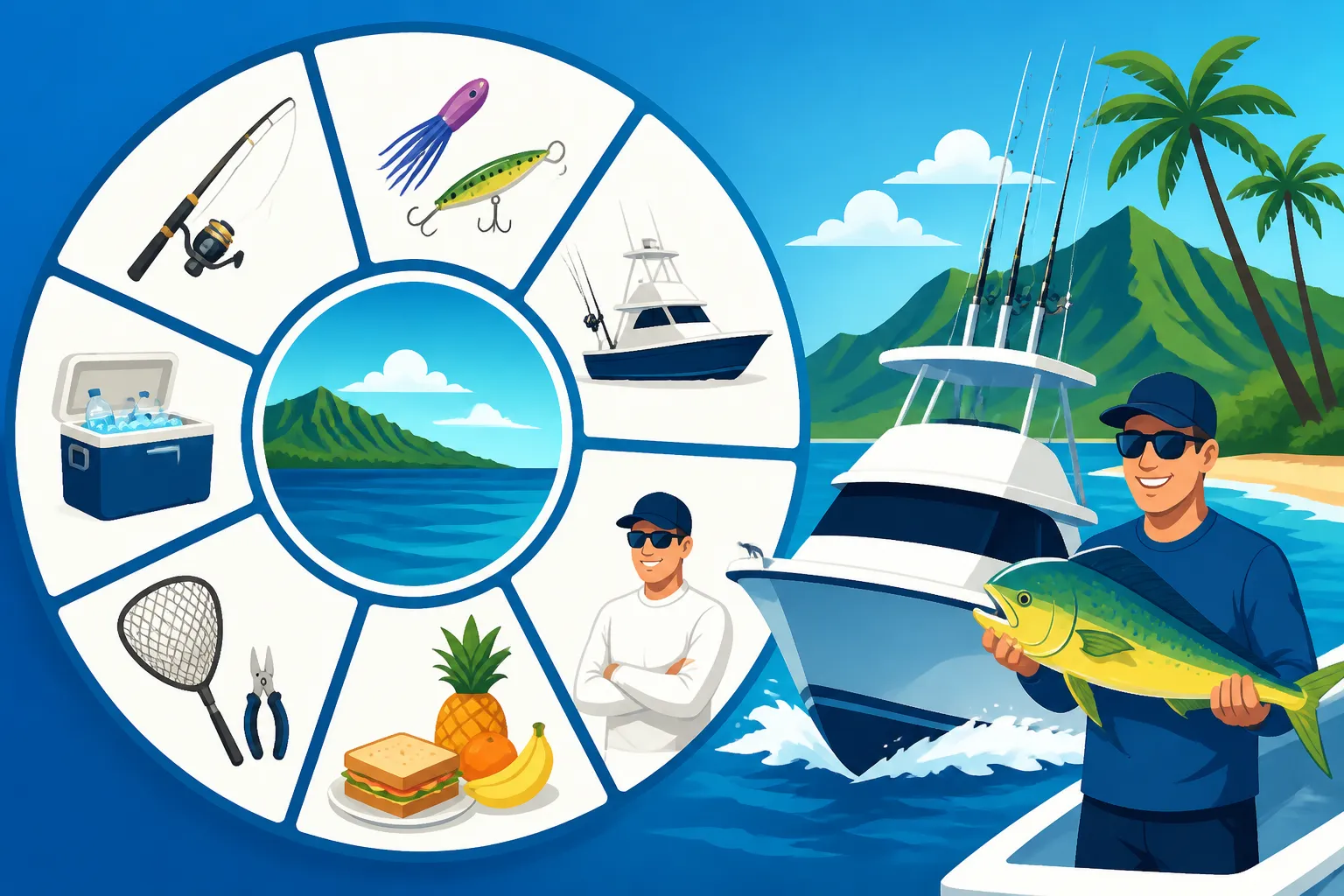
Unless you've specifically booked a premium or luxury charter that advertises catering, your standard Hawaii fishing charter price will generally not include food and beverages. This means you'll need to pack your own snacks, lunch, and drinks to stay hydrated and energized throughout your trip. Think about what you'll need for several hours out on the open ocean under the Hawaiian sun.
Beyond food and drink, consider other personal comfort items. Sunscreen is an absolute must, as are sunglasses and a wide-brimmed hat. Seasickness medication, if you're prone to motion sickness, should be taken before you board, not when you start feeling queasy. Don't forget a camera to capture those unforgettable moments! While some charters might have a cooler with ice, bringing your own small, soft-sided cooler with your provisions is always a good idea. Check out our What to Bring on a Hawaii Fishing Charter article for a comprehensive list.
Fish Cleaning, Filleting, and Packaging Services
You've landed a beautiful mahimahi or an impressive ono – fantastic! But what happens next? While the crew will almost certainly gaff and bring the fish aboard, cleaning and filleting it for you to take home isn't always a guaranteed inclusion in the base price. Many crews are happy to do it, but some might charge a small fee for the service, especially for larger catches that require more time and effort.
It's always best to clarify this beforehand. If you plan to keep your catch (and always be aware of Hawaii Pelagic Species Bag Limits and size regulations), ask the captain or booking agent about their policy on fish processing. Some charters will offer it as a complimentary service, while others might direct you to a professional fish processor at the dock, which would be an additional cost. Also, consider how you'll transport your cleaned fish. Bringing a cooler with ice to the dock is usually advisable.
Gratuities: Showing Appreciation for Your Crew
This is an often-overlooked "cost" that isn't included in the initial price but is an expected part of the charter fishing experience. Tipping your captain and deckhands is customary in the charter fishing industry, much like tipping service staff in a restaurant. These crews work incredibly hard, from preparing the boat before dawn to cleaning up long after you've left, all while ensuring your safety and trying their best to put you on fish.
A general guideline for gratuities in Hawaii is typically 15-20% of the total charter price, assuming you've had a good experience. If the crew went above and beyond, or if you landed the fish of a lifetime thanks to their expertise, feel free to show extra appreciation. It's a significant part of their income. If you're unsure, or if you're on a shared charter, a quick, discreet question to the booking agent or other experienced anglers can clarify the local norms. Our guide on Tipping Etiquette for Hawaii Fishing Charters provides even more detail.
Factors That Influence the Cost of Your Hawaii Fishing Trip
You've likely noticed that charter prices aren't one-size-fits-all. A myriad of factors play into the final cost, reflecting the quality of the experience, the resources required, and the level of personalization you desire. Understanding these can help you choose a charter that fits both your budget and your expectations.
Charter Duration: Half-Day, Full-Day, or Multi-Day Adventures
The most obvious factor influencing cost is the length of your trip.
- Half-day charters are typically 4-5 hours and are the most budget-friendly option. They're great for beginners, families with young children, or those with limited time. You'll still get a taste of offshore fishing, but your range and target species might be more limited.
- Full-day charters usually run for 8-10 hours, offering significantly more fishing time and allowing the captain to travel further to prime fishing grounds. This increases your chances of encountering a wider variety of pelagic species and provides a more immersive experience. Naturally, the longer duration means a higher price tag due to increased fuel consumption, crew time, and boat usage.
- Multi-day adventures, while less common for recreational tourists, are the most expensive but offer the ultimate fishing expedition, allowing for extensive travel, overnight stays, and targeting specific, elusive species. These are usually custom trips and priced accordingly.
Type of Charter: Shared vs. Private Experiences
Another major determinant of price is whether you opt for a shared (or "split") charter or a private charter.
- Shared charters involve booking a spot on a boat with other individual anglers or small groups. The cost is divided among all parties, making it a much more economical option for solo travelers or couples. However, you'll share the deck, the fishing rotation, and potentially compromise on target species if the group has mixed preferences. Websites like FishingBooker often list options for both shared and private trips, making it easy to compare.
- Private charters mean you book the entire boat for your group. This gives you exclusive access to the vessel, the undivided attention of the crew, and the freedom to dictate the pace, target species, and fishing style (within reason and the captain's expertise, of course). This personalized experience comes at a premium, as you're covering the full operational cost yourself. For groups, however, it can be surprisingly competitive per person, especially if you fill the boat. Our article Best Private Fishing Charters in Hawaii delves deeper into the benefits.
| Feature | Shared Charter | Private Charter |
|---|---|---|
| Cost | Lower per person | Higher overall, but fixed for the group |
| Flexibility | Less flexible (pre-set times, target species) | Highly flexible (you decide trip details) |
| Space | Share deck space with other anglers | Exclusive use of boat for your group |
| Crew Attention | Divided among all anglers | Dedicated to your group |
| Target Species | Determined by captain or majority group consensus | Chosen by your group (within seasonal limits) |
| Ideal For | Solo anglers, couples, budget-conscious | Families, groups of friends, personalized trips |
Boat Size, Amenities, and Specialization
The vessel itself plays a role in the price. Larger, more luxurious sportfishing yachts with air-conditioned cabins, multiple restrooms, and advanced electronics will naturally command a higher price than smaller, more basic center console boats. The amenities on board contribute to your comfort and overall experience.
Furthermore, a charter specializing in a particular type of fishing, such as a dedicated Kona marlin charter with specialized gear and a crew renowned for big game expertise, might be priced higher than a general offshore trolling trip. The reputation of the captain and crew, their track record, and the quality of their gear can also factor into the pricing structure. Think of it like booking a five-star hotel versus a comfortable motel; both provide lodging, but the experience and amenities differ significantly.
Target Species and Fishing Technique
While often intertwined with boat specialization, the specific fish you're targeting can influence the price. For instance, deep-dropping for elusive bottomfish like onaga or opakapaka often requires specialized electric reels, weighted tackle, and more fuel for traveling to specific deep-water structures. Similarly, targeting trophy blue marlin might involve longer runs offshore and specialized live bait techniques that add to operational costs.
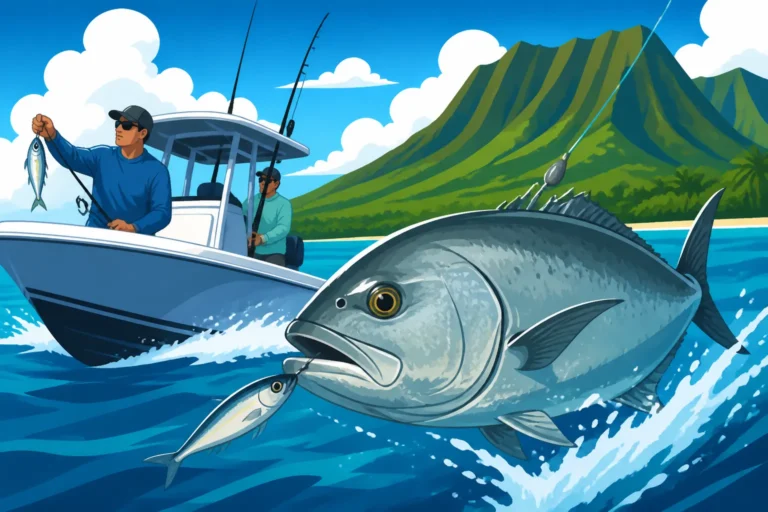
Some charters might offer different rates for different types of trips. A calm nearshore reef fishing trip for kumu or weke, for example, might be less expensive than a full-on offshore pursuit of giant trevally (ulua) requiring heavy tackle and extensive travel. Always be clear with the charter what your fishing goals are, as this can affect the recommended duration and potentially the cost of your trip.
Maximizing Value and Avoiding Surprises on Your Next Hawaii Charter
Booking a Hawaii fishing charter should be an exciting experience, not a source of stress or unexpected expenses. With a little preparation and clear communication, you can ensure your trip is everything you hoped for and more.
Asking the Right Questions Before You Book
The best way to avoid surprises is to ask specific questions before you confirm your booking. Don't be shy! A reputable charter operator or booking agent will be happy to answer all your inquiries. Here's a checklist of things to ask:
- What exactly is included in the stated price? (Be specific: tackle, bait, fuel, ice, crew?)
- Are fishing licenses required for recreational anglers, and if so, how do I obtain one? (Crucial to clarify, as discussed in Hawaii Fishing License Guide for 2026.)
- Is food and drink provided, or should I bring my own?
- What is your policy on fish cleaning and filleting? Is there an extra charge?
- What is the customary gratuity for the crew?
- What is the cancellation policy, especially for weather-related issues?
- Are there any other potential fees I should be aware of?
Getting these answers in writing, perhaps in an email confirmation, can save you a lot of hassle down the line.
Researching and Comparing Options
Just like any significant purchase, a bit of research goes a long way. Don't just pick the first charter you see. Use online platforms like FishingBooker to compare different charter operations, read reviews from past customers, and look at photos of their boats and catches. Pay attention to what other anglers say about the crew's professionalism, the quality of the gear, and how transparent the pricing was.
Consider what's most important to you: is it the lowest possible price, or are you willing to pay a bit more for a highly experienced crew, a larger boat, or specific amenities? A slightly higher initial cost might offer better value if it includes all the necessary gear, exceptional service, and a greater chance of success. Looking into How to Choose a Hawaii Fishing Charter will help you weigh these options.
Reading the Fine Print on Your Booking Confirmation
Once you've chosen your charter and are ready to book, thoroughly read through the booking confirmation or contract. This document should explicitly outline everything that is included, any additional costs, the cancellation policy, and other important details. If anything seems unclear or if it contradicts what you were told verbally, don't hesitate to reach out for clarification before finalizing your payment.
Sometimes, the fine print will detail things like a deposit requirement, what happens if you need to cancel, or specific rules regarding alcohol on board. Being fully informed means you can embark on your Hawaii fishing adventure with confidence, knowing exactly what your money covers and anticipating any optional extras. This way, the only surprises you'll encounter will hopefully be the thrilling pull of a big fish on your line!
Disclaimer
This article is for general informational purposes only and does not constitute professional advice. Laws, prices and regulations vary by location and change over time. Consult a qualified professional for guidance on your specific situation.