Best charters for catching your first marlin
Dreaming of catching your first marlin in Hawaii is a truly unforgettable aspiration, but the sheer number of fishing charters out there can make finding the perfect one feel like a monumental task. You want that once-in-a-lifetime experience, not just a boat ride, and figuring out which charter will genuinely put you on the fish and make it a special day for a novice angler is tough. This guide will walk you through exactly what to look for, how to choose, and what to expect from the best charters designed to help you hook into your very first marlin.
What Makes a Charter Great for First-Time Marlin Anglers?
Catching a marlin isn't like dropping a line for snapper; it requires a specialized approach, and for a first-timer, the right support can make all the difference. It's about more than just the boat; it's the whole package.
Experienced Captains and Crew
When you're chasing your first marlin, you need a captain and crew who live and breathe big game fishing. This isn't just about their ability to find fish; it's about their patience and willingness to teach. A seasoned captain will know the local waters like the back of their hand, understanding the currents, the baitfish movements, and the prime hunting grounds of marlin off the Kona Coast or other prime areas. They'll also be expert communicators, explaining what's happening, what to expect, and how to react when that reel screams.
The crew, especially the deckhand, is your co-pilot in this adventure. They're the ones who will set the lures, spot the fish, clear lines during a chaotic hook-up, and most importantly, guide you through the fight. For a first-timer, having a deckhand who can calmly coach you through reeling techniques, explain drag settings, and physically support you when the fish pulls hard is invaluable. You want a crew that’s invested in your success and excited to share in your first marlin experience, not just going through the motions. Many great captains and crew have a genuine passion for introducing new anglers to the thrill of big game fishing, and their enthusiasm is contagious.
The Right Boat and Gear
While any boat can technically catch a marlin, the best charters for first-timers will have vessels specifically designed for big game sportfishing. We're talking about comfortable, stable boats, usually in the 30-60 foot range, equipped with powerful engines to cover ground and outriggers to spread lures effectively. Look for a boat with a fighting chair – trust me, your back and arms will thank you when you're battling a large marlin for an hour or more. Standing up can be done, but for a first timer, the stability and leverage a fighting chair provides are huge.
Beyond the boat itself, the gear is paramount. Top-notch charters will use heavy-duty rods and reels spooled with strong line, suitable for battling the immense power of a marlin. They’ll have a variety of lures, often custom-made or tailored to local conditions, and a well-maintained spread of gaffs, tag sticks, and safety equipment. You don't want to be on a charter where the gear is old, rusty, or constantly breaking. A good charter takes pride in their equipment, ensuring everything is in peak condition to handle the toughest fight. They’ll also have an arsenal of fresh bait, should live baiting be part of their strategy, which can be an incredibly exciting way to entice a bite.
Focus on Education and Support
For your first marlin, you're not just looking for a ride; you're looking for a learning experience. The best charters will go above and beyond to educate you. This means explaining the different types of marlin you might encounter, such as blue marlin or striped marlin, and how to tell them apart. They’ll tell you about the local marine life, the unique fishing environment of Hawaii, and the specific techniques they use to target these majestic fish. When you step on board, you should feel comfortable asking any question, no matter how basic it might seem.
The crew should patiently demonstrate how to use the equipment, from strapping into the fighting chair to properly setting the hook and managing the retrieve. They'll coach you through the critical moments of the fight, offering encouragement and tips on how to handle the sudden runs and powerful head shakes. This kind of supportive environment takes the pressure off and allows you to truly enjoy the process, even if the fish doesn't cooperate immediately. They understand that for many, this is a dream come true, and they want to make sure it's as memorable and successful as possible. This educational aspect is crucial for building confidence and making your first marlin experience genuinely enriching.
Key Factors When Choosing Your First Marlin Charter
Picking the right charter involves more than just a quick internet search. You need to consider several important elements to ensure your first marlin trip is everything you've imagined.
Location, Location, Location (Kona is Prime)
When it comes to marlin fishing in Hawaii, the Kona Coast of the Big Island is practically legendary. Its unique geography, with steep underwater drop-offs very close to shore, creates an incredible fishery for pelagic species like marlin, ahi, and ono. This means less travel time to reach prime fishing grounds and more time with lines in the water. The calm waters on the leeward side of the island also mean a more comfortable ride, which is a huge bonus, especially for first-timers who might be prone to seasickness.
While other islands like Oahu and Maui certainly have their share of marlin, Kona consistently ranks as one of the top spots in the world for these magnificent fish. Charters operating out of Honokohau Harbor, for example, have direct access to these productive waters. When considering a Best Marlin Charters off the Kona Coast, you're tapping into a legacy of big game fishing. The local captains here have generations of knowledge and experience specifically targeting marlin in these rich waters, giving you the best possible chance at success.
Charter Type: Shared vs. Private
This is a big decision for a first-time marlin angler, and it often comes down to budget and personal preference.
- Shared Charters: These trips involve booking a single spot on a boat with other anglers you don't know. They are typically more budget-friendly. The downside for a first-timer is that rod time might be limited if the fish are biting, as everyone usually takes turns. If you're hoping for maximum hands-on experience with your first marlin, a shared charter could be less ideal if you end up with a very eager group. However, they can be great for meeting new people and learning from others.
- Private Charters: This option means you book the entire boat for your group, whether that's just you, your family, or a few friends. While more expensive upfront, a private charter offers undivided attention from the captain and crew. You'll get more instruction, more rod time, and the crew can tailor the trip specifically to your goals – like prioritizing catching your first marlin. For a truly dedicated first marlin experience, a private charter often provides the best opportunity and personalized support.
Here’s a quick comparison:
| Feature | Shared Charter | Private Charter |
|---|---|---|
| Cost | Lower per person | Higher total cost |
| Rod Time | Shared, may be limited | Exclusive, maximum rod time |
| Personalization | Limited, group agenda | High, tailored to your group's goals |
| Privacy | None, with strangers | Full privacy with your chosen group |
| Instruction | General, distributed among all | Focused, dedicated to your group |
| Flexibility | Fixed departure/return times, target species | More flexible, can influence trip details |
Trip Duration and Timing
Marlin fishing is often a game of patience and perseverance. While a Best Half-Day Charters in Hawaii can certainly yield a marlin, especially in productive areas like Kona, a full-day trip generally increases your chances significantly. A full day (typically 8 hours) allows the captain to cover more ground, try different techniques, and spend more time in various fishing zones. Marlin can be elusive, and sometimes it takes hours of trolling to get that one explosive strike.
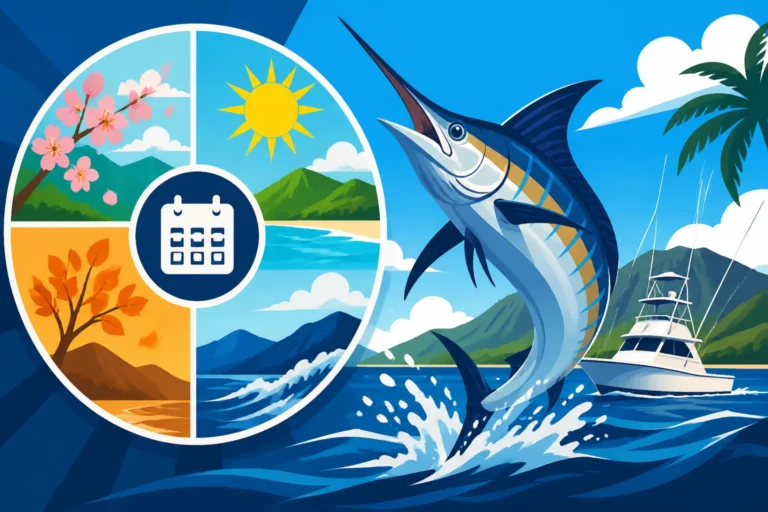
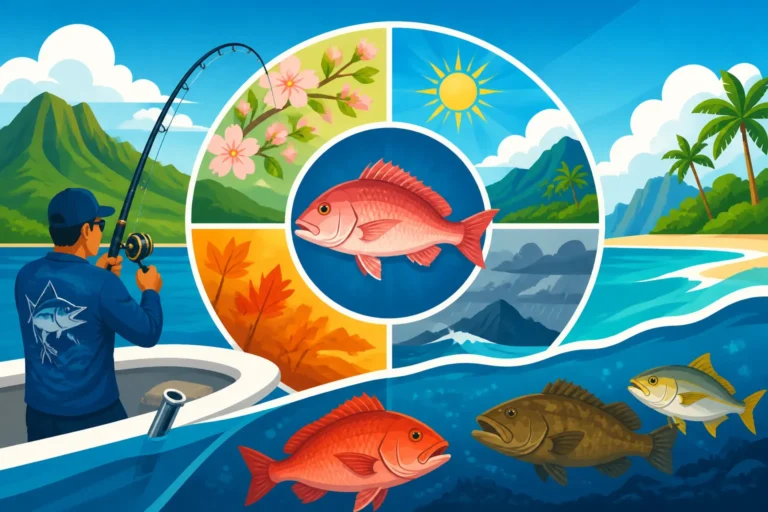
When considering the Best Time of Year to Fish in Hawaii for marlin, specific months can be more productive for certain species. For example, blue marlin tend to peak in the summer months, while striped marlin might be more common in the winter and spring. It's always a good idea to discuss the best time of year with a charter operator directly, as they have the most up-to-date knowledge of recent patterns and migrations. Don't forget to ask about the best time of day too – sometimes early morning or late afternoon can be prime feeding times.
Preparing for Your Marlin Adventure
Excitement builds when you're anticipating your first marlin trip, but a little preparation goes a long way in ensuring a comfortable and successful experience.
What to Ask Before You Book
Don't be shy about asking questions when you're researching charters. This is your dream trip, and you want to be fully informed.
- Experience with first-timers: Directly ask if they enjoy taking out novice anglers and how they typically coach them.
- What's included: Clarify if bait, tackle, and ice are included in the price. Some charters include snacks and drinks, while others expect you to bring your own.
- Fishing license: Do you need your own? Often, charter boats operate under a commercial license that covers all passengers, but it's crucial to confirm. Knowing Do You Need a Fishing License in Hawaii is important for any angler.
- Fish policy: What happens to the fish you catch? Some boats are strictly catch-and-release for marlin, while others will keep a share or allow you to keep a portion. Discussing this upfront avoids awkward situations later.
- Cancellation policy: Weather can be unpredictable. Understand their policy for cancellations due to rough seas or other unforeseen circumstances.
- Safety equipment: Confirm they have all required safety gear and follow Coast Guard regulations.
- Deposit and payment: Understand the full Hawaii Fishing Charter Cost Guide, deposit requirements, and final payment process.
What to Bring on the Day
Packing smart will make your day much more enjoyable. Think comfort and sun protection.
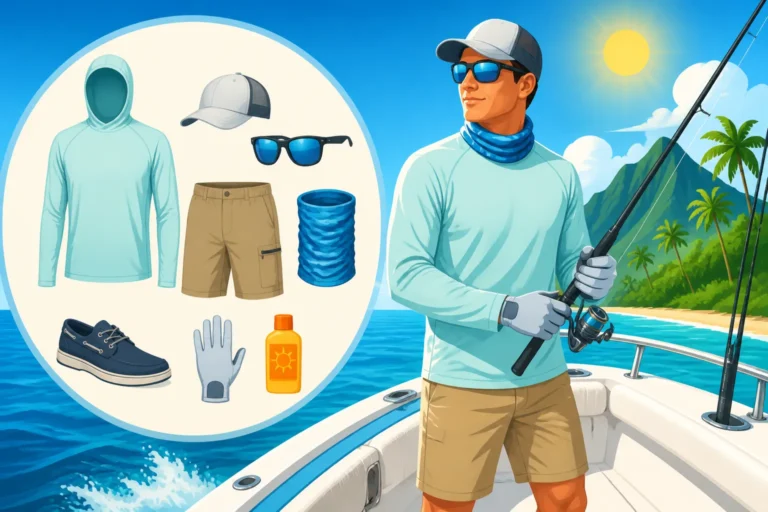
- Sun Protection: This is non-negotiable in Hawaii. Bring a wide-brimmed hat, polarized sunglasses, and plenty of reef-safe sunscreen. Long-sleeved, breathable shirts and pants are also highly recommended.
- Clothing: Lightweight, quick-drying clothing is best. A light jacket or rain shell might be useful for early mornings or unexpected squalls.
- Food and Drinks: Even if the charter provides some, bring extra water and non-perishable snacks. Fighting a marlin is exhausting work, and you'll need to stay hydrated and fueled.
- Motion Sickness Medication: If you're at all prone to seasickness, take medication before you board the boat. Don't wait until you feel ill. Ginger chews or wristbands can also help. For more tips, check out Seasickness tips for a Hawaii fishing charter.
- Camera: You'll want to capture the moment, so bring a waterproof camera or ensure your phone is protected.
- Appropriate Footwear: Non-slip deck shoes or sandals are a must.
- Cooler: If you plan to keep any fish, bring a cooler to transport your share home. Confirm the charter's policy on this first.
For a more comprehensive checklist, refer to What to Bring on a Hawaii Fishing Charter.
Understanding Marlin Etiquette and Expectations
First and foremost, listen to your captain and crew. They are the experts, and their instructions are for your safety and success. When a fish strikes, chaos can ensue quickly, and following directions immediately is vital.
It’s also important to manage your expectations. While the Kona Coast is renowned for marlin, fishing is fishing. There are no guarantees. You might hook one, you might not. The joy is in the chase, the stunning scenery, and the experience itself. Go with an open mind, ready to learn, and appreciate whatever the ocean offers.
Tipping is customary in the charter fishing industry. A good rule of thumb for the crew is 15-20% of the charter cost, especially if they worked hard, provided great service, and helped you have a memorable experience, whether you caught a marlin or not. You can find more detailed advice on Tipping Etiquette for Hawaii Fishing Charters.
Finding and Booking Your Ideal Charter
With a clearer idea of what you're looking for, it's time to actually find and book that perfect charter.
Online Platforms and Local Recommendations
One of the easiest ways to start your search is through online booking platforms. Sites like FishingBooker are fantastic resources because they aggregate listings from numerous charter operators, allowing you to filter by location, target species, boat type, and read reviews from other anglers. You can often see photos of the boats and read detailed descriptions of what each charter offers. This is an excellent way to compare options side-by-side and get a sense of the reputable operations. Many captains list their availability and pricing directly, making it straightforward to find a match for your desired dates.
Beyond online platforms, don't underestimate the power of local recommendations. If you know anyone who has fished in Hawaii, ask them for their personal experiences. Once you arrive in Hawaii, talking to people at local marinas, tackle shops, or even your hotel concierge can sometimes uncover hidden gems or give you updated information on who's been catching fish recently. This kind of word-of-mouth can provide valuable insights that reviews alone might not capture.
Understanding Pricing and Inclusions
As mentioned earlier, the Hawaii Fishing Charter Cost Guide can vary significantly based on whether you choose a shared or private trip, the duration (half-day vs. full-day), and the size and amenities of the boat. Always confirm exactly what is included in the price. Some charters might have a lower base price but then charge extra for bait, tackle, or fuel surcharges. Ensure there are no hidden fees.
When you've found a few charters that seem like a good fit, don't hesitate to contact them directly. Ask those specific questions about their experience with first-time marlin anglers, their fish policy, and what kind of support you can expect. A reputable charter will be happy to answer your questions thoroughly and honestly. Booking in advance, especially during peak season, is highly recommended to secure your preferred dates and captain. Many charters require a deposit to hold your reservation, with the balance due on the day of the trip. Always get a clear understanding of their refund or rescheduling policy, particularly concerning bad weather.
Ultimately, your first marlin fishing trip in Hawaii is about the adventure, the learning, and the raw power of the ocean. By choosing a charter that prioritizes experience, education, and support, you're setting yourself up for an incredible, unforgettable experience, regardless of whether that trophy fish bites.
Disclaimer
This article is for general informational purposes only and does not constitute professional advice. Laws, prices and regulations vary by location and change over time. Consult a qualified professional for guidance on your specific situation.