Best charters running late-afternoon trips for ono
There’s something truly special about chasing ono (wahoo) in the breathtaking waters of Hawaii, and many anglers quickly realize that timing can make all the difference. If you've heard whispers that late-afternoon trips are often the secret sauce for hooking into these speedy predators, you're absolutely on the right track! This guide is here to dive deep into why those twilight excursions can be incredibly productive for ono and how you can find the perfect charter to make your Hawaiian wahoo dreams a reality.
Why Late Afternoon is Prime Time for Ono in Hawaii
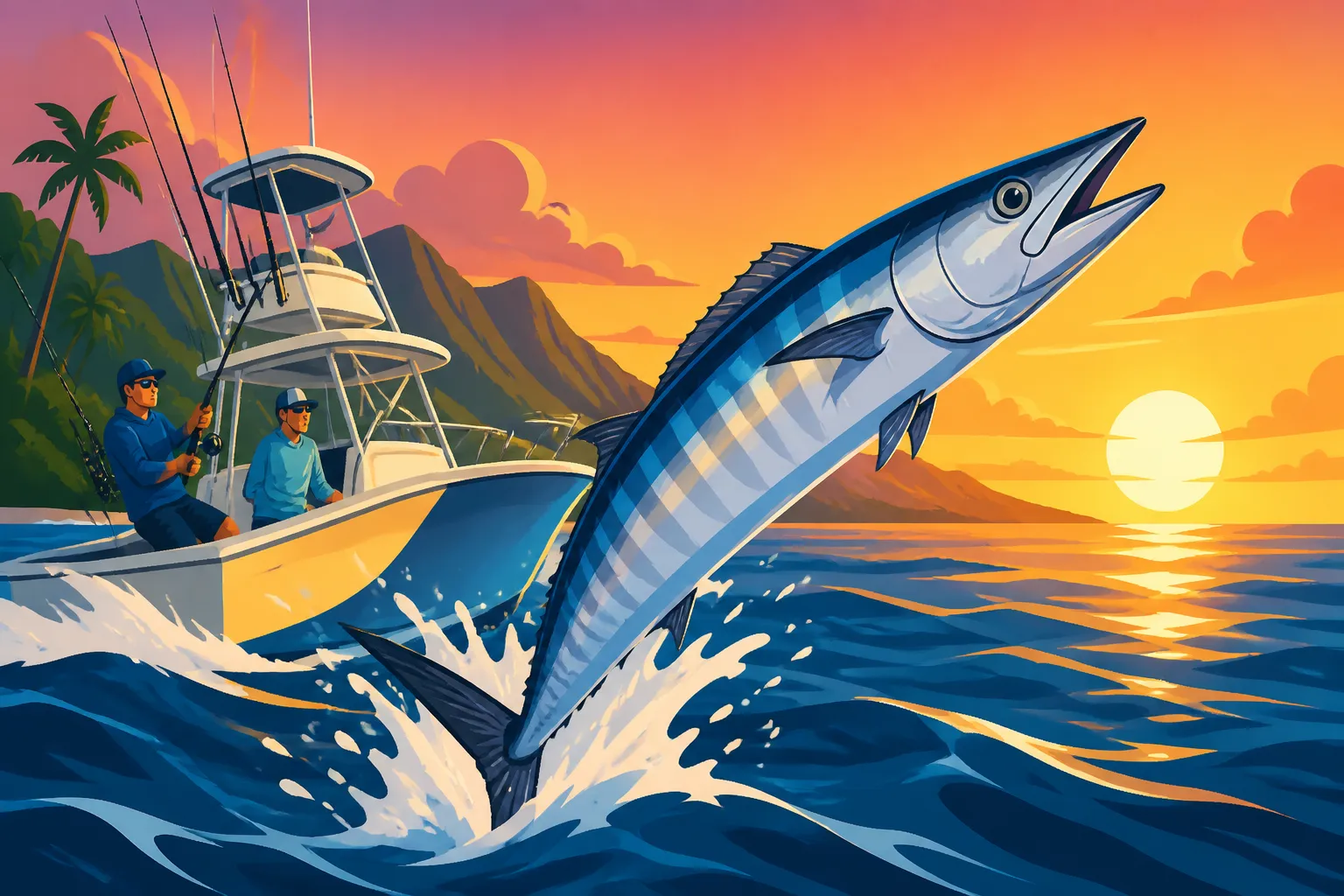
The "wahoo," or ono as we call them here in Hawaii, is a highly sought-after game fish known for its incredible speed, sharp teeth, and delicious firm white meat. But they're not always easy to find, and their behavior often makes certain times of day more advantageous for anglers. The late afternoon, as the sun begins its descent, creates a unique set of conditions that can turn a good fishing trip into an unforgettable one.
Ono's Feeding Habits and Behavior
Ono are voracious, opportunistic predators. They lurk around structure, current lines, and bait balls, waiting to ambush unsuspecting prey. They are incredibly fast, capable of blistering runs that can strip line off your reel in seconds. Unlike some other pelagics that might feed aggressively throughout the day, ono often exhibit peak feeding activity during periods of lower light, especially at dawn and dusk.
As the afternoon wears on, the water temperature might begin to slightly cool at the surface, and the changing light provides a tactical advantage for these visual hunters. They use their keen eyesight and incredible speed to pick off baitfish that become less camouflaged in the shifting light conditions. This makes them particularly active as they prepare for a night of hunting or simply take advantage of the fading light to top off their bellies. Many seasoned captains will tell you that the final few hours of daylight can often bring the most exciting strikes when targeting these magnificent fish. Understanding Ono Habits and Feeding Behavior is key to successful trips.
The Science of Sunset and Shadows
The declining sun angle in the late afternoon casts longer shadows across the water, creating areas of contrast and cover that ono love to exploit. Think of it like this: a baitfish swimming in bright, direct sunlight is pretty visible. But once those long shadows start stretching out, they offer ambush points for predators like ono. The surface glare also changes, making it harder for baitfish to spot an approaching threat from below.
Furthermore, the general activity levels of baitfish can change as the day progresses. They might move closer to the surface or congregate in specific areas as they prepare for nightfall, which in turn draws in predators. When you're out on a boat, trolling lures through these changing light conditions and shadow lines can be incredibly effective. A captain who knows how to "read" the water and position the boat to maximize these natural advantages is worth their weight in gold. The interplay of light and shadow, combined with current lines and underwater structure, creates a dynamic environment that ono are perfectly adapted to exploit.
Less Traffic, More Opportunity
One often overlooked advantage of a late-afternoon fishing trip is the potential for less boat traffic. While early morning charters are incredibly popular (and for good reason!), many boats are heading back to the harbor by mid-afternoon. This can mean less pressure on the fishing grounds. Less engine noise, fewer boats trolling over the same spots, and generally a quieter ocean can translate into more relaxed fish and, potentially, more bites for you.
For anglers seeking a more tranquil experience on the water, combined with the golden hues of a Hawaiian sunset, a late-afternoon trip offers a fantastic blend of productive fishing and scenic beauty. You get to enjoy the magic of the ocean as it transitions from day to night, often with spectacular views of the coastline backlit by the setting sun, all while targeting one of Hawaii's most exciting sportfish.
What to Look for in a Charter for Late-Afternoon Ono Trips
Finding the right fishing charter is paramount, especially when you have a specific target like ono and a preferred time of day. Not all charters are created equal, and some excel at late-afternoon pelagic pursuits more than others. The key is to find a captain and crew who live and breathe ono fishing and understand the nuances of twilight trolling. If you're looking for general advice on finding a charter, check out How to Choose a Hawaii Fishing Charter.
Experience with Ono Trolling Techniques
When you’re specifically targeting ono, you want a captain who has a deep understanding of their behavior and the most effective trolling techniques for these speedsters. Ono are often caught by trolling lures or rigged baits at specific speeds, often faster than for other pelagics, and in particular patterns. This isn't just about throwing a line in the water; it's about precision.
A great ono captain will know:
- Optimal Trolling Speeds: Ono prefer lures that are moving quickly, often between 8-15 knots, which can vary depending on conditions and the specific lures being used.
- Lure Selection: They'll have a variety of wahoo-specific lures – often dark-colored or high-contrast, jet heads, or weighted bullet lures designed to track straight at high speeds. They'll also know when to deploy natural bait like rigged opelu or akule.
- Spreader Bar and Dredge Use: For serious ono fishing, some charters will use spreader bars and dredges to create the illusion of a bait school, drawing fish closer to the boat's spread.
- Wire Leaders: Ono have incredibly sharp teeth, so a charter specializing in them will always use heavy monofilament or wire leaders to prevent cut-offs.
Don't be shy about asking a potential charter about their experience specifically targeting ono, especially during late-afternoon hours. You want someone who enthusiastically talks about the thrill of a wahoo strike and has a proven track record. For specific strategies, you might want to read up on Best Techniques for Fall Ono Fishing, which often apply year-round.
Boat Features and Gear for Speed Demons
An ono-focused charter should have the right boat and equipment to handle these powerful fish. While many boats can catch an ono incidentally, a charter that specializes will have gear designed for it.
Here’s what to look for:
- Appropriate Rods and Reels: Heavy-duty conventional tackle spooled with strong braided line and topped with a fluorocarbon or wire leader is standard. You’ll need reels with substantial drag to stop an ono’s blazing first run.
- Outriggers: These are essential for spreading out multiple lines and keeping lures away from the prop wash, creating a wider, more natural-looking spread of baits.
- Reliable Engines: High-speed trolling requires powerful, well-maintained engines. A boat that can comfortably run at optimum ono trolling speeds is crucial.
- Comfort and Safety: While not directly related to catching ono, a late-afternoon trip means you'll be out as the sun sets. Ensure the boat has proper lighting, safety equipment (life jackets, first aid), and a comfortable cabin if conditions get choppy or you want a break from the elements.
When browsing options, a site like FishingBooker can be invaluable. You can filter by boat type, see photos of the gear, and often read detailed descriptions of the tackle provided. This helps ensure the charter is equipped for the type of fishing you want to do.
Reputation and Reviews for Late-Afternoon Success
In today's connected world, researching a charter's reputation is easier than ever. When seeking a late-afternoon ono trip, specifically look for reviews that mention success with wahoo during those hours.
Things to consider:
- Consistency: Does the charter consistently put people on fish, particularly ono? One-off lucky catches are great, but you want a track record.
- Captain's Communication and Attitude: A good captain is not just skilled but also a great host. They should be communicative, friendly, and willing to share their knowledge.
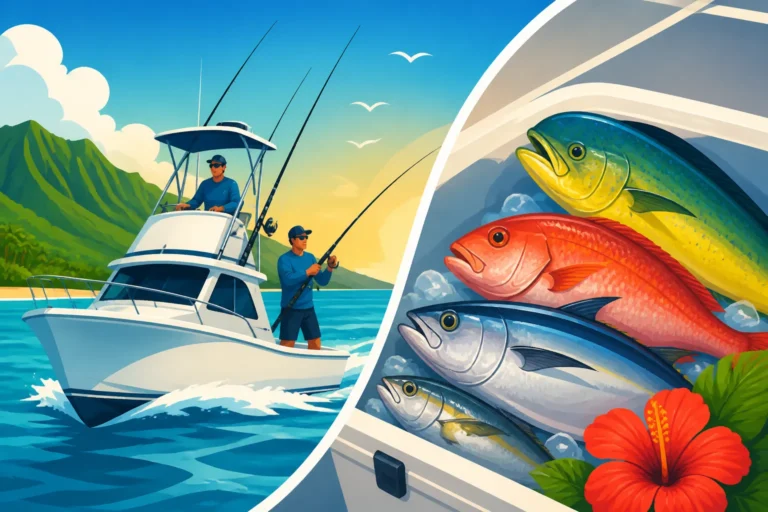
- Fish Handling and Preservation: If you plan to keep your catch, ensure the charter has a proper fish box or ice chest to keep your ono fresh.
Websites like FishingBooker are excellent resources for finding verified reviews and ratings. You can often see photos from past trips and read detailed accounts from other anglers. This user feedback provides real-world insights that go beyond what a charter might say about itself. Don't just look at the star rating; dig into the comments to see if other anglers had successful late-afternoon ono trips.
Choosing the Right Island and Harbor for Ono
While ono can be found in offshore waters around all the Hawaiian Islands, some locations are undeniably better known for consistent wahoo action, especially for charters running late-afternoon trips. The geography of the islands, coupled with prevailing currents and offshore structure, creates distinct hot spots.
Kona Coast, Big Island: A Wahoo Hotspot
The Kona Coast on the Big Island is legendary for its sportfishing, and for very good reason. The deep water starts incredibly close to shore here, creating a unique marine environment where pelagic species like marlin, ahi, mahimahi, and of course, ono, thrive. The sheltered lee side of the Big Island often provides calmer waters, which can be a huge plus for comfortable high-speed trolling.
Charters operating out of Honokohau Harbor in Kailua-Kona have direct access to these productive waters. The underwater contours, seamounts, and current lines off Kona provide excellent ambush points for ono. Many captains here specialize in various pelagic species, and they know the exact routes, depths, and structures where ono are likely to be hunting as the day draws to a close. If you're specifically thinking about the Big Island, our Kona Coast Fishing Guide offers even more insights. Kona's consistent offshore bite makes it a top choice for dedicated ono anglers.
Maui's Productive Waters: Maalaea and Lahaina
Maui also boasts fantastic offshore fishing, with charters typically departing from harbors like Maalaea and Lahaina. While perhaps most famous for its marlin and mahimahi, Maui's waters hold plenty of ono, especially around the numerous FADs (Fish Aggregating Devices) and deep-water structures between Maui, Lanai, and Molokai. The channels between the islands can act as natural funnels for baitfish, concentrating predators.
Late-afternoon trips out of Maalaea Harbor or Lahaina Harbor often focus on trolling the drop-offs and current lines that form around the islands. Captains on Maui are adept at finding these productive zones. The scenery on a late-afternoon Maui trip, with the West Maui Mountains or the neighboring islands silhouetted against a vibrant sunset, is simply breathtaking, adding another layer of enjoyment to your ono pursuit. To learn more about access points, check out Lahaina Harbor Fishing Access and Maalaea Harbor Fishing Access. If you're planning a trip to the Valley Isle, our Maui Fishing Guide will be a great resource.
Oahu's Offshore Opportunities
Don't count Oahu out when it comes to ono. While the island might be busier, its offshore waters, particularly on the leeward (south and west) sides, offer excellent opportunities for wahoo. Charters typically depart from Kewalo Basin in Honolulu, Ko Olina, or Haleiwa on the North Shore. The FADs and offshore banks around Oahu can hold significant numbers of ono, especially during certain times of the year.
Experienced Oahu captains know the productive trolling grounds and where the baitfish are congregating. They'll venture out to the various FADs that often attract ahi and mahimahi, where ono are frequently found lurking as well. A late-afternoon trip out of Honolulu provides a unique perspective of the city lights beginning to twinkle as you head back to shore, often with the bonus of a screaming wahoo strike before you return. Our comprehensive Oahu Fishing Guide offers more details on the island's fishing potential.
Preparing for Your Late-Afternoon Ono Adventure
Even though it’s late afternoon, you're still heading out on the open ocean in Hawaii, which means proper preparation is essential for a comfortable and successful trip. Don’t let the fading sun lull you into forgetting the basics!
Essential Gear and What to Bring
While your charter will provide all the necessary fishing gear, there are several personal items you should absolutely bring along, even for a late-afternoon trip:
- Sun Protection: The sun can still be intense, even as it starts to lower. Bring reef-safe sunscreen, sunglasses (polarized are great for spotting fish or bait!), and a hat.
- Light Layers: While it might be warm earlier in the day, the temperature can drop noticeably once the sun dips below the horizon, especially with the boat moving at trolling speeds. A light long-sleeve shirt or a windbreaker can make a huge difference.
- Hydration and Snacks: Even a half-day trip can leave you thirsty. Bring plenty of water. Energy bars or small snacks are also a good idea.
- Camera: You'll want to capture that sunset, and hopefully, a trophy ono!
- Seasickness Medication: If you're prone to seasickness, take medication well in advance. Better safe than sorry, especially if the conditions kick up unexpectedly.
- Cooler (optional): If the charter allows you to keep some of your catch, bringing a cooler with ice to transport your fresh ono fillets home is a smart move.
For a more general checklist, take a look at our guide on What to Bring on a Hawaii Fishing Charter. Remember, comfort equals enjoyment, and enjoying your trip is what it's all about!
Managing Expectations and Enjoying the Experience
It’s important to remember that fishing is "fishing," not "catching." While late afternoon can be prime time for ono, there are no guarantees. Weather, ocean conditions, and fish behavior are always factors. Go into the trip with an open mind and enjoy the entire experience. The thrill of being out on the Hawaiian ocean, feeling the wind in your hair, and watching a beautiful sunset are rewards in themselves, regardless of whether you land a trophy.
Focus on learning from your captain and crew. Ask questions about the techniques, the species, and the local marine environment. Many captains are passionate about sharing their knowledge. Celebrate every bite, every rod bend, and every leap of a fish. Even if the ono aren't biting, you might still hook into a beautiful mahimahi, a feisty aku, or another exciting pelagic species.
Tipping Etiquette and Post-Trip Considerations
A successful charter experience often involves a lot of hard work from the captain and deckhand. Tipping is customary and highly appreciated in the fishing charter industry. A standard tip for good service is typically 15-20% of the charter fee. If the crew went above and beyond, or if you had an exceptional day, consider tipping more. This shows your appreciation for their effort, expertise, and dedication. Our guide to Tipping Etiquette for Hawaii Fishing Charters provides more detail.
After your trip, if you landed an ono, discuss with the crew how they will handle the fish. Most reputable charters will clean and fillet your catch for you. Ask about packaging – sometimes they'll have bags for fillets, but bringing your own cooler (as mentioned above) is always a good idea. Take your fresh ono home, cook it up (it's fantastic grilled, seared, or in sashimi!), and savor the taste of your Hawaiian adventure.
| Feature | Morning Ono Trip | Late-Afternoon Ono Trip |
|---|---|---|
| Light Conditions | Dawn to mid-morning, increasing sun glare. | Fading sun, lengthening shadows, lower light. |
| Ono Activity | Often active, part of a "dawn bite." | Often active, capitalizing on fading light for ambushes. |
| Angler Crowds | Typically higher boat traffic early. | Often less boat traffic, quieter waters. |
| Sea Conditions | Can be calmer early, but can build with trade winds. | Can be calmer, or moderate with trade winds persisting. |
| Scenery | Beautiful sunrise, fresh start. | Spectacular sunset views, golden hour glow. |
| Temperature | Cooler start, warms up quickly. | Warmer start, cools down towards dusk. |
| Pros | Early bird catches the worm, often a good bite. | Potential for less competition, unique sunset experience. |
| Cons | More crowded waters, strong sun later in the morning. | Shorter daylight window, sometimes conditions can get choppy. |
Disclaimer
This article is for general informational purposes only and does not constitute professional advice. Laws, prices and regulations vary by location and change over time. Consult a qualified professional for guidance on your specific situation.