Best winter bottomfishing charter trips in Hawaii
So, you're dreaming of escaping the winter chill and casting a line in Hawaii, but you might be wondering if winter is even a good time for serious fishing, especially bottomfishing? It's a valid concern, as many assume prime fishing seasons are reserved for warmer months. But I'm here to tell you that winter in Hawaii offers some truly exceptional bottomfishing opportunities, and this guide will help you navigate the best charter trips to make the most of them.
Why Winter is Surprisingly Prime for Hawaii Bottomfishing
It's easy to think of Hawaii as a year-round paradise for fishing, and while that's largely true, the perception often leans towards pelagic species like marlin and tuna dominating the summer months. Many anglers, especially those visiting from colder climates, might overlook the incredible potential for bottomfishing when the cooler, stormier weather elsewhere hits. However, winter in Hawaii brings a unique set of conditions that can actually make bottomfishing incredibly productive and rewarding. The subtle shifts in ocean currents and water temperatures can draw certain deepwater species into more accessible ranges, or simply make them more active on the feeding grounds.
The Myth vs. Reality of Winter Fishing
The biggest myth about winter fishing in Hawaii is that everything slows down. While some migratory pelagic species might shift their patterns, the deep-dwelling bottomfish aren't going anywhere. In fact, for many of these prized catches, winter can be an excellent time. The slightly cooler ocean temperatures can sometimes invigorate their feeding habits, making them more willing to strike. You might not have the scorching sun beating down on you all day, which can be a relief, and the calmest days can be absolutely pristine for getting out on the water.
It's also a time when many local anglers, especially those targeting specific reef or deepwater species, are out in force. They know that the winter months can offer some of the largest fish of the year for species like opakapaka, onaga, and lehi. The ocean environment, while sometimes prone to bigger swells, also offers windows of glassy calm, particularly on the leeward sides of the islands. These are the days that bottomfishing charters eagerly anticipate, allowing them to access deepwater spots that might be too exposed during choppier conditions. Don't let the idea of "winter" fool you; it's a season of opportunity here.
Seasonal Species & Their Deepwater Habits
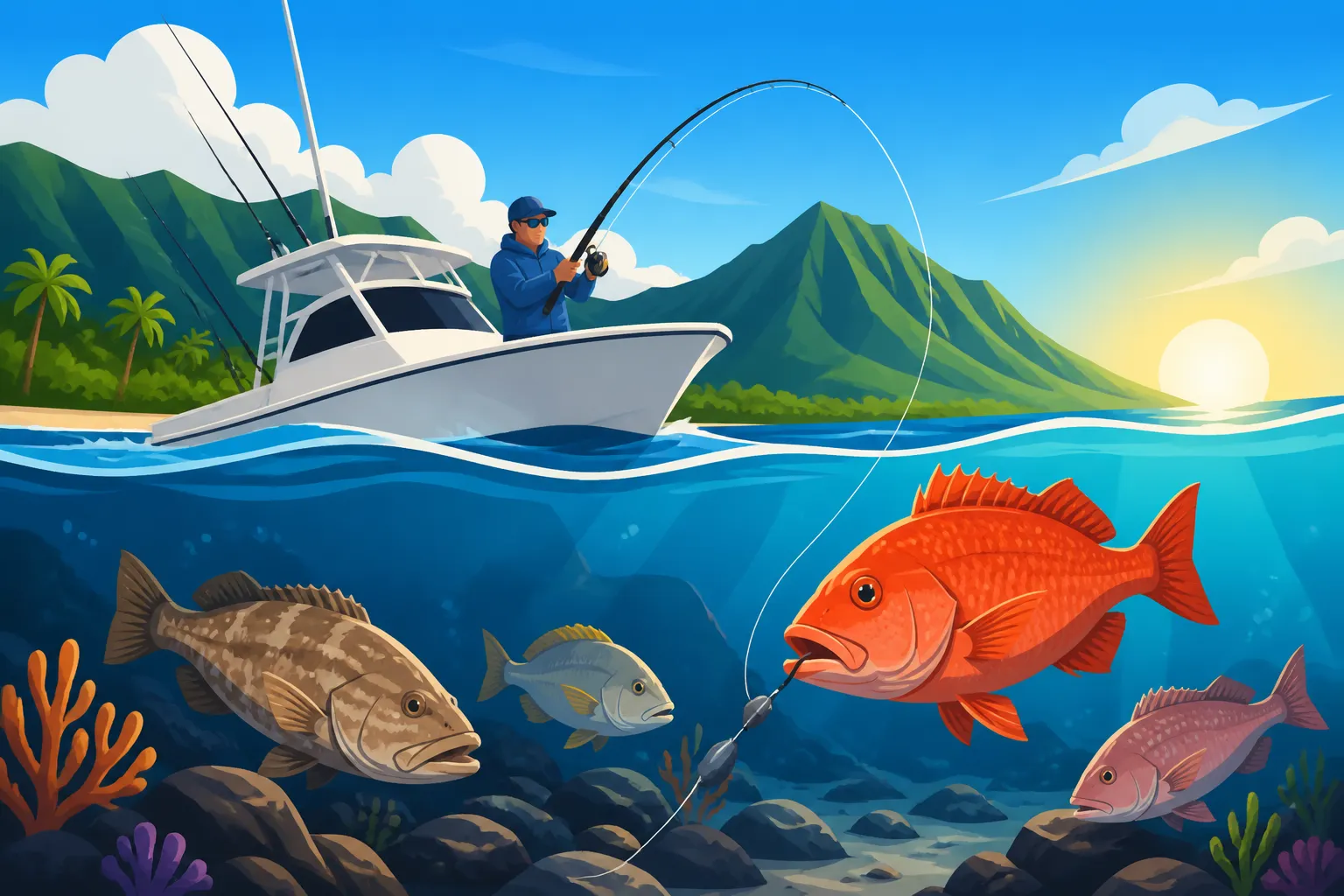
While Hawaii boasts a fantastic array of bottomfish year-round, certain species become particularly prominent or active during the winter. For instance, the highly sought-after opakapaka, or pink snapper, are often found in good numbers in deeper waters during these months. Their preference for cooler, deeper environments means they are less affected by surface conditions, making them a consistent target. Similarly, the ruby snapper, known as onaga, is another deep-drop favorite that can be found feasting during the winter. These fish are often targeted using specialized electric reels due to the extreme depths they inhabit, typically hundreds of feet down.
Beyond these well-known snappers, you might also encounter species like ehu (red snapper), gindai (longtail snapper), and even some of the deeper-dwelling ulua (giant trevally), which can occasionally be caught on bottom rigs when they venture to deeper ledges. Knowing what to expect and which species are most active is part of the charter captain's expertise. They follow the patterns, understand the tides, and know which deepwater structures are holding fish based on the time of year. If you're looking for a comprehensive overview, checking out a guide on Bottomfish Species of Hawaii can give you a great head start.
Key Factors in Choosing Your Winter Bottomfishing Charter
Picking the right charter is crucial, especially when you're looking to target deep-dwelling bottomfish in the winter. It’s not just about finding any boat; it's about finding the right boat with the right crew that understands the nuances of winter conditions and the specific techniques required for a successful bottomfishing trip. There are countless operators, and discerning the best fit can feel overwhelming, but a little research into key factors will go a long way.
Boat Type and Amenities for Winter Conditions
For bottomfishing, especially in winter, the type of boat matters a great deal. You'll want a vessel that's stable and comfortable enough to handle potential winter swells, should they arise. While Hawaii often has calm leeward waters, you want a boat designed for offshore work. Look for charters with larger, more stable hulls, perhaps a sportfisher or a well-equipped commercial-style fishing vessel. These boats offer more deck space, often have shaded areas or even enclosed cabins for respite from sun or spray, and typically carry more sophisticated electronics.
Amenities are also key. Since bottomfishing involves long drops and retrievals, often with electric reels, ensure the boat is set up for this. Ample rod holders, a spacious cockpit, and a good cooler for your catch are standard. But in winter, consider if there's a comfortable spot to sit out of the wind if it picks up, or a head (restroom) on board for longer trips. Some anglers prefer charters that offer a bit more comfort, particularly if the seas decide to get a little feisty, as detailed in What to Expect on a Hawaii Fishing Charter. Remember, a comfortable angler is a happy and more productive angler!
Captain's Experience and Local Knowledge
This is perhaps the single most important factor for winter bottomfishing. A captain with extensive local knowledge and years of experience specifically targeting bottomfish in Hawaiian waters is invaluable. They know the secret spots, the deep-water pinnacles, the trenches, and the ledges where these fish congregate. More importantly, they understand how these fish behave in winter, how currents affect the drift, and the subtle signs of a bite hundreds of feet below.
Don't be shy about asking questions when researching charters. Inquire about their experience with deep-drop bottomfishing, how long they've fished in the specific waters you're interested in, and what their typical winter bottomfish catches are. You can often find reviews online mentioning captains by name, giving you a sense of their reputation. Platforms like FishingBooker often allow you to filter by specific types of fishing and read detailed reviews of captains and their expertise. A seasoned captain will not only put you on fish but will also prioritize your safety and comfort, adapting to weather conditions and ensuring a pleasant experience.
Inclusions and Exclusions to Watch For
When booking any charter, especially for a specialized trip like winter bottomfishing, it's crucial to understand what's included in the price and what you might need to bring yourself. Most reputable bottomfishing charters will provide all the necessary gear, including heavy-duty rods, electric reels (a must for deep dropping!), bait, and tackle. This is especially important for bottomfishing, as the specialized gear can be expensive and cumbersome to travel with.
However, always clarify if a fishing license is included or if you need to purchase one separately. While most ocean charters cover a blanket license for their passengers, it's always best to confirm. Do You Need a Fishing License in Hawaii is a good resource to check beforehand. Also, ask about refreshments – some charters offer water and sodas, while others might recommend you bring your own food and drinks. Sunscreen, hats, sunglasses, and appropriate clothing are usually on you. Knowing these details upfront avoids any surprises on the day of your trip, ensuring you're fully prepared for a fantastic day on the water.
Top Hawaii Islands for Winter Bottomfishing Charters
While fantastic bottomfishing can be found around all the major Hawaiian islands, each one offers slightly different advantages and unique fishing grounds for winter excursions. The volcanic topography of these islands creates incredible deep-water structures close to shore, making them prime real estate for bottom-dwelling species. Knowing which island might best suit your bottomfishing ambitions can help you narrow down your search for the perfect charter.
Big Island's Deep Drop Opportunities
The Big Island, particularly the Kona Coast, is world-renowned for its deep-water access. Unlike other islands where you might have to travel miles offshore to reach significant depths, on the Kona side, the ocean floor drops off dramatically very close to the coastline. This unique geography means charter boats can access prime bottomfishing grounds with relatively short runs from harbors like Honokohau. This saves precious fishing time and means you spend less time traveling and more time with lines in the water.
Winter on the Big Island can be particularly productive for the deeper species. The calm leeward waters of Kona are often protected from larger winter swells, providing ideal conditions for deep dropping. Charters here are usually well-equipped with state-of-the-art sonar and electric reels, allowing them to precisely target schools of opakapaka, onaga, and other deep-water inhabitants. If landing a trophy ruby snapper or pink snapper is high on your list, the Big Island offers some of the best Bottomfishing in Hawaii and some of the most experienced captains in the entire state.
Maui's Diverse Bottomfish Grounds
Maui, with its stunning volcanic landscape, also offers excellent opportunities for winter bottomfishing, particularly from harbors like Maalaea and Lahaina. While perhaps not as immediately "deep" as Kona right off the bat, Maui's waters feature diverse underwater topography including ledges, seamounts, and deep reefs that hold a wide variety of bottomfish. The channel waters between Maui, Molokai, and Lanai can also be highly productive, as currents here bring nutrients that attract baitfish and, consequently, the larger predators.
During the winter, many Maui charters focus on these deeper areas, targeting species similar to the Big Island, but also finding good numbers of other reef fish that congregate in deeper pockets. The captains here are adept at navigating the often complex current patterns of the channels and understanding the bite windows for different species. It's a great option if you're looking for a good mix of deep-drop and slightly shallower bottomfishing, with some truly beautiful scenery to boot. Many anglers looking for a robust charter experience will start their search on platforms like FishingBooker to compare options across Maui.
Oahu's Accessible Deepwater Spots
Oahu, being the most populated island, offers a wealth of fishing charters departing from various harbors such as Kewalo Basin in Honolulu. While many might associate Oahu with its vibrant surfing culture or bustling city life, it also holds its own when it comes to quality bottomfishing, especially during the winter months. The deep waters surrounding Oahu provide ample habitat for various bottomfish, and its proximity to major population centers means charters are readily accessible.
Charters operating out of Oahu are well-versed in targeting deep-dwelling species. They often work specific offshore banks and deep reefs that are known to hold good numbers of opakapaka, onaga, and other snappers. While you might encounter slightly more boat traffic compared to some of the other islands, the convenience and variety of charter options make Oahu an attractive choice. It's an excellent destination if you're staying on Oahu and want to experience some serious deep-sea bottomfishing without having to travel to a different island. Just like with any other location, choosing a charter here means finding one with a proven track record for bottomfishing success.
Preparing for Your Winter Bottomfishing Adventure
Even in Hawaii, winter means planning a little differently than a mid-summer trip. The sun might not be as intense, but ocean conditions can be more dynamic. Taking a few proactive steps can ensure your bottomfishing charter is as comfortable and productive as possible. You want to focus on the thrill of the catch, not on being cold, wet, or seasick.
Essential Gear and Clothing Considerations
While your charter will provide the heavy tackle for bottomfishing, what you wear and bring can significantly impact your comfort. Even though it's Hawaii, offshore winter mornings can be cool, especially with boat speed and ocean spray. Layers are key! Start with a moisture-wicking base layer, add a light long-sleeve shirt for sun protection (even cloudy days have UV!), and bring a light, waterproof jacket. This jacket will be your best friend against spray and any unexpected showers.
Good quality polarized sunglasses are a must to reduce glare and protect your eyes. A wide-brimmed hat or a baseball cap will shield your face. Closed-toe, non-slip shoes are highly recommended for safety on a wet boat deck. And don't forget your camera to capture those trophy shots! Having a small dry bag for your phone, wallet, and any other electronics is also a smart move. For a more exhaustive list, consult What to Bring on a Hawaii Fishing Charter.
Managing Seasickness in Winter Swells
Let's be real: even seasoned anglers can get seasick. In winter, there's a slightly higher chance of encountering bigger swells, especially if the captain needs to venture into more exposed waters. Don't let this deter you, but do prepare. If you're prone to seasickness, consider taking over-the-counter medication like Dramamine or Bonine the night before your trip, and again in the morning, well before you board. Patches behind the ear are another popular and effective option.
Staying hydrated, avoiding heavy greasy foods before the trip, and focusing on the horizon can help. Choosing a charter with a more stable boat, as discussed earlier, can also make a difference. Let your captain and crew know if you're feeling unwell; they are experienced and can often provide tips or a safe, well-ventilated spot on the boat. Being proactive about seasickness can truly salvage your trip and allow you to enjoy the deep-sea action without discomfort.
Understanding Catch & Release vs. Keeping Your Haul
Before you even step foot on the boat, it's a good idea to clarify the charter's policy on keeping your catch, especially for bottomfish. Many bottomfish species are highly prized table fare in Hawaii, and most charters allow you to keep a portion of what you catch, often filleting it for you at the end of the day. This is a wonderful perk, as fresh Hawaiian bottomfish is truly a culinary delight. However, there may be bag and size limits for certain species set by the state, and responsible charters adhere strictly to these. You can review the specifics on Hawaii Bag and Size Limits by Species to be informed.
Some charters might even offer a "shared catch" policy, especially for very large hauls, where the crew takes a portion. Always discuss this with the charter operator when booking. If you plan to travel with your catch, inquire about how it will be prepared and packaged for transport. While the thrill of the catch is paramount, knowing you can take home some delicious, fresh fish to share (or savor yourself) adds an extra layer of enjoyment to your winter bottomfishing adventure in Hawaii.
Disclaimer
This article is for general informational purposes only and does not constitute professional advice. Laws, prices and regulations vary by location and change over time. Consult a qualified professional for guidance on your specific situation.