Hawaii annual freshwater license expiration date
That familiar rush of excitement you get when planning a freshwater fishing trip in Hawaii can quickly turn into a sinking feeling if you suddenly wonder, "Is my fishing license still valid?" We've all been there, scrambling to check dates and fearing that a simple oversight could lead to a wasted trip or, worse, an unwelcome fine. For freshwater anglers in Hawaii, understanding precisely when your annual license expires isn't just about following the rules; it's about maintaining peace of mind and ensuring your precious time on the water is spent reeling in fish, not dealing with paperwork. This comprehensive guide will clear up any confusion surrounding the Hawaii annual freshwater license expiration date, so you can focus on the tug of a peacock bass or the thrill of a Kokee trout.
Understanding Your Hawaii Annual Freshwater Fishing License
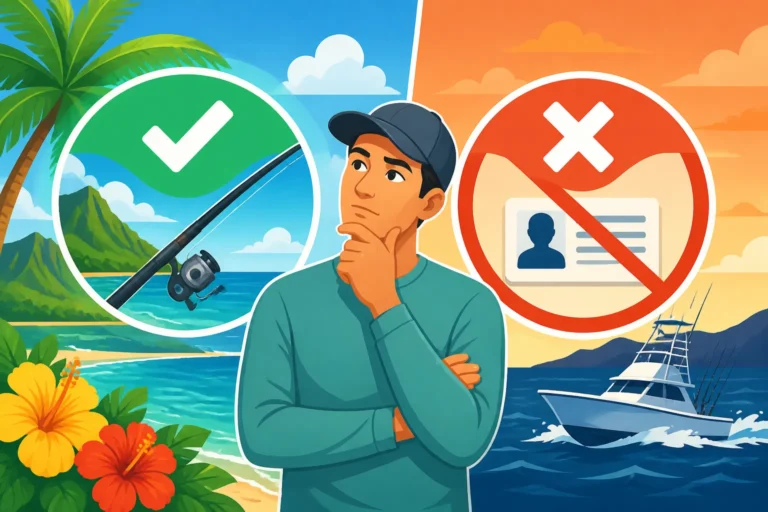
Before we dive into expiration dates, it’s crucial to understand what the Hawaii annual freshwater fishing license actually is and who needs it. Unlike ocean fishing, which has different rules (often no license required for residents for recreational take), freshwater fishing in Hawaii is regulated, and a specific license is mandatory for most anglers targeting game fish. This isn't just a formality; it's a critical part of managing Hawaii's unique and often limited freshwater resources.
Who Needs This License and Why
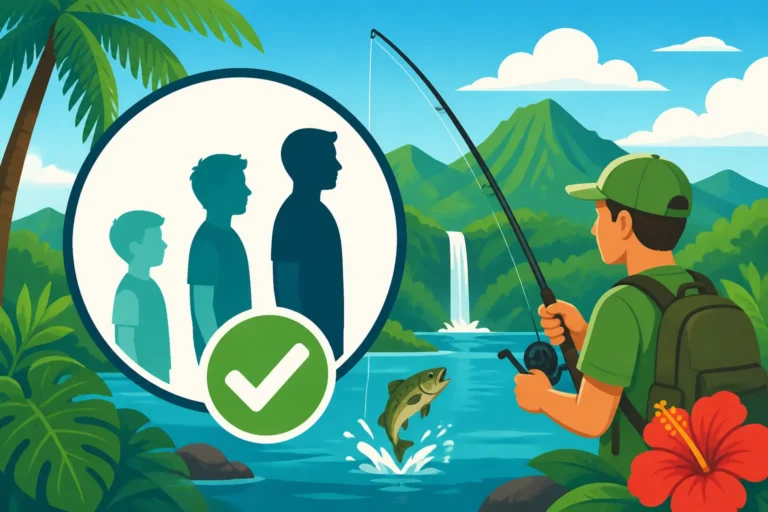
If you're planning to drop a line in any of Hawaii's public freshwater bodies, chances are you'll need an annual freshwater fishing license. This applies to both residents and non-residents, though the costs and sometimes specific requirements can differ. For instance, while adults are generally required to have one, there are specific age requirements for freshwater fishing licenses in Hawaii. Youngsters under 18 often have exemptions, which is fantastic for getting keiki (children) hooked on fishing early without the red tape. However, once they hit that magic age, usually 18, they'll need their own.
The primary reason for this license is resource management. Hawaii's freshwater ecosystems are delicate and often home to introduced species like largemouth bass, channel catfish, and the beautiful peacock bass, as well as the unique rainbow trout fishery on Kauai. The funds generated from license sales go directly back into conservation efforts, stocking programs, and enforcement, helping to ensure these fisheries remain vibrant for future generations. It’s a small investment with a huge return for the health of our aquatic environments.
Covered Waters and Species
The Hawaii annual freshwater fishing license covers a specific set of waters where game fish are actively managed. The most well-known spots include the Wahiawa Public Fishing Area on Oahu, often simply called Wahiawa Reservoir, which is famous for its largemouth and peacock bass. Over on Kauai, the Kokee Public Fishing Area is the sole place in Hawaii where you can fish for rainbow trout, a truly unique experience. Other freshwater bodies, like the Nuuanu Reservoirs on Oahu, also fall under these regulations, each with its own specific rules and access points. You can dive deeper into the specifics by checking out the guide on Hawaii Freshwater Fishing License and Rules.
It's not just about the location, but also the species. This license is primarily for targeting freshwater game fish. While you might occasionally find non-game species, the focus of the regulations and the license itself is on species like the aforementioned bass, catfish, and trout. Always remember that each body of water, and sometimes even specific species within them, might have additional bag and size limits or seasonal restrictions. The Hawaii Division of Aquatic Resources (DAR) publishes detailed regulations, and it's always wise to consult them before heading out.
The Official Expiration Date: Don't Get Caught Off Guard
Now for the million-dollar question: when does this license actually expire? This is where many anglers, especially those used to other states' systems or even other types of licenses, can get confused. But once you know the rule, it's pretty straightforward.
The Standard Expiration Schedule
Here’s the deal: a Hawaii annual freshwater fishing license expires on December 31st of the year it was issued, regardless of when you purchased it. Yes, you read that right. It's a calendar-year license. So, whether you buy it on January 1st or December 1st, it will always be invalid after December 31st of that same year. This fixed expiration date is standard practice for many state fishing and hunting licenses, but it can still trip people up, especially if they're used to a license being valid for a full 365 days from the purchase date.
This means you don't get a full year's worth of fishing if you purchase it late in the calendar year. For example, a license purchased on October 15th will still expire on December 31st, effectively giving you only a couple of months of validity. This is an important detail to keep in mind when planning your purchases and your fishing adventures. You might decide it's better to wait until the new year if you're not planning any freshwater trips in the final months of the current one.
What Happens if You Buy Mid-Year
As we just discussed, buying your license mid-year doesn't extend its life. If you purchase your annual freshwater license in July, it still expires on December 31st. There's no pro-rating system in place that adjusts the price or the expiration date based on your purchase month. This can feel a bit unfair if you’re only planning a few trips late in the year, but it’s the system Hawaii has in place to simplify administration and ensure consistent regulation cycles.
This fixed date system also means that if you're an avid freshwater angler, you'll need to remember to renew your license annually around the end of the year. It becomes a recurring item on your to-do list, just like renewing your car registration or other yearly permits. Setting a reminder on your phone or marking it on your calendar, perhaps a physical one you picked up from Amazon, can be a lifesaver to avoid that "oh no" moment when you're already at the reservoir.
The Importance of Staying Current: Avoiding Penalties and Disruption
Let’s be honest, nobody wants a fine, and certainly nobody wants their fishing day ruined. Knowing your license expiration date and keeping it current is more than just good practice; it's essential for a stress-free and legal fishing experience in Hawaii.
Consequences of an Expired License
The most immediate and obvious consequence of fishing with an expired (or no) license is facing a penalty. The Hawaii Department of Land and Natural Resources (DLNR) enforces these regulations, and their Division of Conservation and Resources Enforcement (DOCARE) officers patrol freshwater areas. Imagine the frustration: you've packed your gear, driven out to the Hawaii Wahiawa Reservoir Fishing Rules, found a great spot, made your first few casts, and then a DOCARE officer approaches. A quick check of your license reveals it expired last month. Now, instead of a relaxing day, you're looking at a citation and a fine. These fines can be substantial, easily outweighing the cost of the annual license itself.
Beyond the monetary penalty, there's the inconvenience and embarrassment. Your trip will likely be cut short, and any fish you've caught could be confiscated. It's a real bummer and entirely avoidable. It's truly a situation where an ounce of prevention (checking your license) is worth a pound of cure (avoiding fines and a ruined day). To fully understand what’s at stake, you might want to review Fishing Without a Required License in Hawaii: Penalties. It’s a sobering read but good to be informed.
Planning Your Fishing Calendar
Understanding the December 31st expiration date helps you better plan your fishing year. For instance, if you know the Hawaii Kokee Trout Fishing Season Dates typically run from late summer into early winter, and you plan to go in November or December, you know your current year's license will cover you. But if you’re planning a trip for January or February, you’ll need to ensure you’ve purchased a new license for the upcoming year.
This foresight prevents those last-minute rushes or, worse, arriving at your destination only to realize you’re not properly licensed. By incorporating the annual renewal into your fishing calendar, you can ensure continuity in your angling adventures. It also allows you to consider if a particular year's fishing plans justify buying a license early or if waiting until the new year makes more sense for your specific schedule. For example, if you know you won't be freshwater fishing until the spring, there's no rush to buy the new license on January 1st, though many avid anglers just do it out of habit.
Easy Ways to Manage Your License and Renew
Keeping track of your license and renewing it doesn't have to be a headache. The DLNR has made the process relatively accessible, and with a few simple habits, you can ensure you're always good to go.
Checking Your License Status
The easiest way to check your Hawaii freshwater fishing license status is usually through the official DLNR Division of Aquatic Resources (DAR) website. They often have an online portal where you can look up your license details using personal information like your name and date of birth. This is super handy if you can't find your physical copy or just need a quick verification while planning a trip. Always double-check the year!
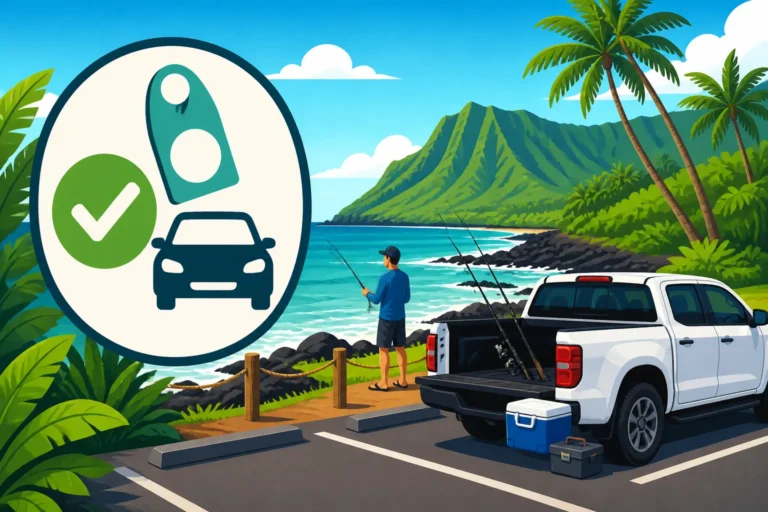
Another straightforward method is simply to check your physical license itself. Whether you printed it at home or received a hard copy from a vendor, the expiration date should be clearly stated. Many anglers keep their license in their wallet, tackle box, or a dedicated fishing binder. If you're worried about it getting wet or damaged, consider investing in a waterproof license holder, readily available on Amazon, to keep it pristine and legible.
Renewal Options: Online, In-Person, and By Mail
Renewing your Hawaii annual freshwater fishing license is thankfully quite convenient. The most popular method these days is renewing online. The DLNR's DAR website typically offers a streamlined process where you can log in, pay the fee, and often print your new license immediately. This saves a trip to a physical vendor and is available 24/7, which is perfect for those spontaneous fishing urges or late-night planning sessions. For a detailed walkthrough, check out How to Buy a Hawaii Fishing License Online.
If you prefer the in-person touch, or if you're not comfortable with online transactions, you can usually purchase or renew your license at authorized vendors across the islands. These often include tackle shops, sporting goods stores, and some larger retail outlets. It's always a good idea to call ahead to confirm they are current license agents. Lastly, for those who prefer traditional methods, mail-in options might also be available, though they typically take longer to process, so plan accordingly if you choose this route.
Setting Up Reminders
This is perhaps the most crucial step for avoiding that December 31st scramble. Given the fixed calendar-year expiration, setting up an annual reminder is incredibly effective.
Here are a few ideas:
- Digital Calendar Alerts: Set a recurring annual reminder on your phone or computer for early December, giving you plenty of time to renew before the current year ends. Label it something clear, like "Renew Hawaii Freshwater Fishing License."
- Physical Calendar/Planner: If you're old school, mark it clearly on your wall calendar or in a planner. You can even find fishing-themed planners on Amazon that might make this task a bit more enjoyable.
- Email Reminders: Some states offer email reminder services from their wildlife departments. Check the Hawaii DLNR website to see if they offer this option.
- Pair with Other Renewals: Tie it into another annual renewal you already do, like your car's safety check or pet license. Batching these tasks can help ensure nothing slips through the cracks.
By establishing a simple reminder system, you transform license renewal from a potential headache into a routine, stress-free task, ensuring your future freshwater fishing trips in Hawaii are always on the right side of the law. And don't forget, whether you choose to print your license or carry a digital copy, knowing the Printing or Carrying a Digital Fishing License in Hawaii rules is key.
Summary of Hawaii Annual Freshwater License Expiration
To help keep it all straight, here's a quick overview:
| License Type | Validity Period | Expiration Date | Purchase Impact |
|---|---|---|---|
| Annual Resident Freshwater | Calendar Year | December 31st | Expires Dec 31st regardless of purchase date |
| Annual Non-Resident Freshwater | Calendar Year | December 31st | Expires Dec 31st regardless of purchase date |
Remember, this fixed expiration date applies across the board for annual freshwater licenses, simplifying the system but requiring you to be diligent with your renewal timing.
Disclaimer
Please note that fishing regulations, including license requirements and expiration dates, can change. While this guide provides the most current and accurate information available at the time of writing, it is always recommended to consult the official Hawaii Department of Land and Natural Resources (DLNR) Division of Aquatic Resources (DAR) website or contact them directly for the most up-to-date regulations before planning your fishing trip.