Hawaii fishing license age 9 freshwater requirement
It's a common headache for parents and visitors alike: trying to figure out the maze of fishing regulations, especially when it comes to bringing your keiki (children) along for a day of fun. You want to do everything by the book, but understanding who needs what license, and at what age, can feel like you need a law degree. This guide is here to untangle the specifics of Hawaii's freshwater fishing license age requirements, focusing particularly on what applies to your 9-year-old, ensuring your family's fishing adventure is smooth, legal, and stress-free.
Understanding Hawaii's Freshwater Fishing License Basics
When you picture fishing in Hawaii, most people immediately think of the vast, beautiful ocean. But we actually have some fantastic freshwater fishing opportunities too, primarily in a few select reservoirs and streams. The rules for freshwater are distinct from ocean fishing, and it’s critical to understand these differences, especially when introducing children to the sport.
Who Needs a Freshwater License in Hawaii?
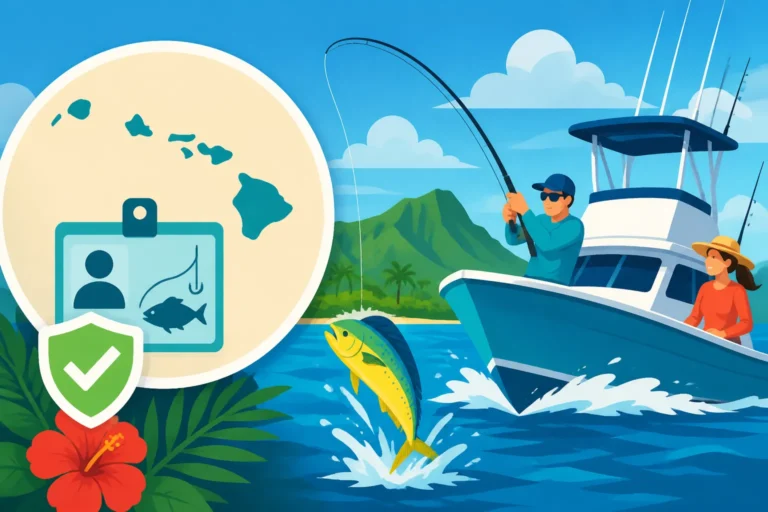
The Hawaii Department of Land and Natural Resources (DLNR) is the agency that sets these rules, and they've got clear guidelines about who needs a license. Generally speaking, anyone 9 years of age or older needs a freshwater fishing license to fish in Hawaii's public freshwater areas. This applies whether you're a long-time resident or just visiting our beautiful islands. It’s a point of confusion for many, as some states have higher age thresholds, but here in Hawaii, the age of 9 is where the requirement kicks in. This means that if your child is eight years old or younger, they can fish in freshwater without a license, which is a fantastic way to introduce them to the joy of fishing without the extra paperwork.
However, once that ninth birthday rolls around, the license becomes a necessary piece of gear, just like their rod and reel. It’s a rule designed to help manage our aquatic resources and ensure sustainable fishing for everyone. You might be surprised at how many people overlook this, thinking that kids are universally exempt. But trust me, a quick check of the regulations can save you a lot of hassle and potential fines down the line. You can find a comprehensive breakdown in our guide on the overall topic of Hawaii Freshwater Fishing License and Rules.
What Constitutes Freshwater Fishing Here?
This might seem obvious, but sometimes the lines can blur, especially with brackish water or streams that flow directly into the ocean. In Hawaii, freshwater fishing refers to angling in inland waters such as reservoirs, rivers, and designated streams. The most popular spots for freshwater fishing include the Wahiawa Reservoir on Oahu and the Kokee Public Fishing Area on Kauai. These are managed environments, often stocked with game fish, which is why a license is required to help fund conservation efforts and fish stocking programs.
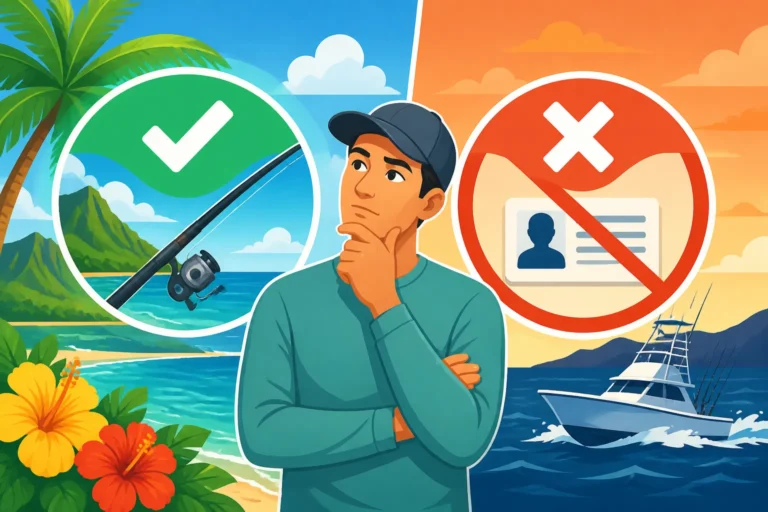
Ocean fishing, on the other hand, generally does not require a license for recreational purposes for residents, though there are specific rules for certain species and areas. The critical distinction is the body of water. If it’s a landlocked pond, a reservoir, or a river/stream that is not tidally influenced (or at least designated as freshwater by the state), then freshwater rules apply. For example, if you're planning a trip to the Hawaii Wahiawa Reservoir Fishing Rules, you'll definitely need to be aware of the freshwater license requirements. Understanding this distinction early on can prevent any accidental rule-breaking and ensures your fishing trip is focused solely on making memories.
The Role of the DLNR in Freshwater Regulations
The Division of Aquatic Resources (DAR), which falls under the DLNR, is the primary body responsible for overseeing all fishing regulations in Hawaii. They manage our precious aquatic resources, from the smallest stream to the vast open ocean. This means they are the ones who determine bag limits, size restrictions, open and closed seasons, and of course, who needs a license. Their goal is to ensure that Hawaii's unique aquatic ecosystems are protected and that fishing remains a sustainable activity for future generations.
It's through their efforts that we have places like the Kokee Public Fishing Area, where rainbow trout are regularly stocked, offering a unique angling experience in a tropical paradise. For instance, if you're eager to learn about Hawaii Kokee Trout Fishing Season Dates, you'll be looking at regulations set by the DLNR. They publish detailed regulation booklets, often available online, which are your best friend for staying informed. While sometimes the rules can feel a bit overwhelming, remember that they are there for a good reason – to preserve the very opportunities we love to share with our children.
The Specifics for Young Anglers: Age Requirements for Freshwater Fishing
This is where many parents scratch their heads. It’s lovely to think that all kids can just grab a pole and fish, but Hawaii has specific age cutoffs for freshwater licenses. Knowing these rules is key to planning a successful and legal family fishing trip.
The Rule for Children Under 9
Good news for families with very young children! If your keiki is 8 years old or younger, they are exempt from needing a freshwater fishing license in Hawaii. This is a wonderful initiative that encourages families to get out and enjoy nature, introducing children to the joys of fishing without any administrative hurdles. Imagine taking your little one to Wahiawa Reservoir, handing them a small rod, and watching their eyes light up when they feel that first tug on the line, all without worrying about paperwork. It’s a fantastic way to foster a love for the outdoors from a very early age.
This exemption applies universally, whether you're a Hawaii resident or just visiting. So, if you've got a toddler or elementary schooler, you can breathe easy on the license front. However, it's crucial that any adult accompanying them who is 9 years or older does have their own valid license if they plan to fish themselves. The exemption is solely for the underage angler. Think of it as a special pass for our youngest conservationists-in-training!
The Rule for Children Age 9 and Older
This is the golden rule you're here for: once a child turns 9, they are required to have a freshwater fishing license to fish in Hawaii's freshwater bodies. There's no grace period, no special exceptions for visitors that negate this age. The moment they hit that ninth birthday, they're in the same category as adults when it comes to this specific requirement. This can sometimes catch families by surprise, especially those from states with different age structures for youth licenses.
So, if your 9-year-old is excited to cast a line for peacock bass or rainbow trout, you’ll need to make sure they have their own license. The process for obtaining one is relatively straightforward, and it’s the same basic process as for an adult. It teaches responsibility and helps them understand that fishing is a privilege that comes with certain duties. For more general information on age-related rules, you might want to look into Hawaii Fishing License Age Requirements. It's a small step that contributes to the larger effort of preserving Hawaii's unique fishing opportunities for everyone.
Why These Age Rules Matter for Families
Understanding and adhering to these age rules isn't just about avoiding a fine; it's about respecting the resources and teaching our children responsible angling practices. When you purchase a license, a portion of that fee goes directly back into conservation programs, fish stocking, and habitat management. So, by getting that license for your 9-year-old, you're not just complying with the law; you're actively contributing to the future of freshwater fishing in Hawaii.
Furthermore, it sets a good example for your kids. They learn that fishing isn't just about catching fish; it's about stewardship, understanding regulations, and contributing to the health of the environment. It can be a little frustrating to navigate the bureaucracy, especially when you're just trying to plan a fun family outing. But by validating these rules, you instill a deeper appreciation for the sport. Plus, imagine the pride your child will feel having their very own fishing license – it makes them feel like a true, official angler!
Navigating the Process for a 9-Year-Old's Freshwater License
Getting a fishing license for a 9-year-old might sound daunting, but it's quite simple once you know the steps. You want this to be an exciting part of their fishing journey, not a bureaucratic hurdle.
Where to Purchase a License
There are a few convenient ways to get a freshwater fishing license in Hawaii for your 9-year-old. The easiest and most common method for many is online through the DLNR's licensing system. It's a pretty user-friendly portal where you can fill out the necessary information, pay the fee, and often print a temporary license right from home. This saves you a trip and allows you to get it sorted whenever it's convenient, whether that's late at night or early in the morning.
Alternatively, you can visit authorized license vendors across the islands. These are typically bait and tackle shops, sporting goods stores, or even some larger general merchandise stores. Places like your local Tackle Warehouse, or even certain outlets where you might pick up outdoor gear on Amazon, will often have a list of local vendors. It's a great opportunity to ask for local tips and advice on fishing spots or bait while you're there! For a comprehensive list, check out Hawaii fishing license vendors near me. This option provides a more personal touch and can be helpful if you have specific questions or prefer handling things in person.
What Information You'll Need
When applying for a freshwater fishing license for a 9-year-old, you'll generally need to provide some basic information. This includes their full name, date of birth (which will confirm their age for the 9-year-old requirement), and proof of residency if you're applying for a resident license. For non-residents, you'll simply apply for the non-resident option. You'll also need a current mailing address and potentially a contact phone number or email.
It's usually pretty straightforward, akin to filling out any online form. Having a valid ID for yourself (the parent or guardian) might also be required during the purchase process, especially if buying in person, as you're facilitating the purchase for a minor. Just have these details ready, and the process will be quick and painless, getting you one step closer to that exciting freshwater fishing trip. Don't forget, once purchased, you'll need to know about Printing or Carrying a Digital Fishing License in Hawaii to ensure you have proof on hand.
Practical Tips for Angling with Kids
Getting a license for your 9-year-old is just the first step. Here are a few practical tips to make their freshwater fishing experience truly memorable:
- Keep it Fun and Engaging: Kids have shorter attention spans. Focus on the experience, not just catching fish. Teach them about the ecosystem, identifying fish, and the joy of being outdoors. Even if the fish aren't biting, make it an adventure.
- Gear Up for Success (and Comfort): Ensure they have comfortable clothing, a hat, sunglasses, and plenty of sunscreen. A small, easy-to-handle fishing rod is crucial. Many excellent youth rod and reel combos can be found on sites like Amazon, specifically designed for smaller hands. Pack plenty of snacks and drinks to keep energy levels up.
- Safety First: Always review water safety, especially around reservoirs or streams. Life jackets might be a good idea for younger kids or if fishing from a boat. Teach them proper hook handling and casting techniques.
- Embrace the Learning Curve: They might tangle their line, get frustrated, or ask a million questions. Be patient! This is how they learn and grow to love the sport. Celebrate every little success, even if it's just a successful cast.
- Know the Rules: Beyond just the license, familiarize yourself with specific regulations for the water body you're fishing, such as Hawaii Bag and Size Limits by Species for freshwater fish.
Beyond the License: Essential Freshwater Rules to Know
Obtaining the proper license for your 9-year-old is paramount, but it's just one piece of the regulatory puzzle. Hawaii has other important rules to ensure that our precious freshwater fisheries remain healthy and productive for everyone.
Bag and Size Limits for Freshwater Species
Just like with ocean fishing, Hawaii's freshwater fisheries have specific bag and size limits for various species. These limits are put in place by the DLNR to manage fish populations, prevent overfishing, and ensure that enough fish can reproduce to sustain the fishery. For instance, at Wahiawa Reservoir, you might encounter limits on largemouth bass, channel catfish, or the popular peacock bass. These rules specify how many fish of a particular species you can keep per day and often a minimum or maximum size.
It's your responsibility as the supervising adult to know these limits before you head out. Imagine the disappointment if your child proudly catches a fish, only for you to realize it's undersized and needs to be released. This is another excellent opportunity to teach your 9-year-old about conservation and the importance of following rules, even if it means letting a fish go. You can easily find these specifics in the annual fishing regulations booklet, usually available on the DLNR website or at license vendors. Be sure to check it out to avoid any surprises.
Understanding Special Regulation Waters
Some freshwater bodies in Hawaii are designated as "Special Regulation Waters," meaning they have unique rules that go beyond the general statewide regulations. This might include specific gear restrictions, catch-and-release only policies, or even different season dates. A prime example is the Kokee Public Fishing Area on Kauai, which has a very specific season for rainbow trout fishing, typically opening in early August.
It's absolutely vital to be aware of these special regulations for any specific area you plan to visit with your 9-year-old. Fishing in these areas often provides unique opportunities, but they come with increased responsibility to understand and follow the tailored rules. Failing to do so can result in penalties, even if you have a valid license. Our guide on Special Regulation Waters in Hawaii delves deeper into these unique areas, helping you plan your trip accordingly and ensure a compliant and enjoyable experience.
Equipment and Bait Restrictions
While less common in Hawaii's freshwater, some locations or species might have specific rules about what kind of equipment or bait you can use. For instance, certain live baits might be prohibited to prevent the introduction of invasive species or to protect specific fish populations. Similarly, some areas might restrict the use of barbed hooks or mandate catch-and-release with artificial lures only.
It's always best practice to check the specific regulations for your chosen fishing spot before you pack your tackle box. For example, if you're planning on chasing trout at Kokee, there might be particular rules about flies or lures. These restrictions are designed to maintain the ecological balance and the health of the fish. Being prepared with the right (and legal) gear means you can focus on making memories with your 9-year-old, rather than worrying if your bait choice is causing a problem. This attention to detail demonstrates respect for Hawaii's unique and delicate freshwater ecosystems.
Table: Hawaii Freshwater Fishing License Fees (Ages 9+)
Understanding the costs associated with getting a freshwater fishing license for your 9-year-old is a practical consideration. Here's a quick overview of the typical fees you might encounter. Please note that these fees are subject to change, so always check the official DLNR website for the most current information.
| License Type | Resident (Annual) | Non-Resident (Annual) | Non-Resident (30-Day Tourist) | Non-Resident (7-Day Tourist) |
|---|---|---|---|---|
| Freshwater Fishing License | ~$5.00 | ~$10.00 | ~$7.50 | ~$5.00 |
| (for individuals age 9 and up) |
Note: These are approximate costs and do not include potential vendor fees or processing charges. Always verify current prices on the official Hawaii DLNR website.
As you can see, the cost for a 9-year-old's license is quite affordable, especially for residents. Even for non-residents, the fees are reasonable, particularly the short-term tourist options, making it accessible for visiting families. This small investment goes a long way in supporting the conservation and management of Hawaii's freshwater fisheries. For further details on costs, you can explore topics like Hawaii freshwater license cost for residents or Hawaii 30-day tourist freshwater license cost.
Disclaimer
The information provided in this guide is for general informational purposes only and is subject to change. While we strive to offer accurate and up-to-date content, fishing regulations, license requirements, and fees can be updated by the Hawaii Department of Land and Natural Resources (DLNR) at any time. It is always the angler's responsibility to consult the official Hawaii DLNR Division of Aquatic Resources (DAR) website or their most current fishing regulations booklet before engaging in any fishing activity. Relying solely on the information presented here without verifying official sources may lead to non-compliance and potential penalties.