Sand Island Bonefishing
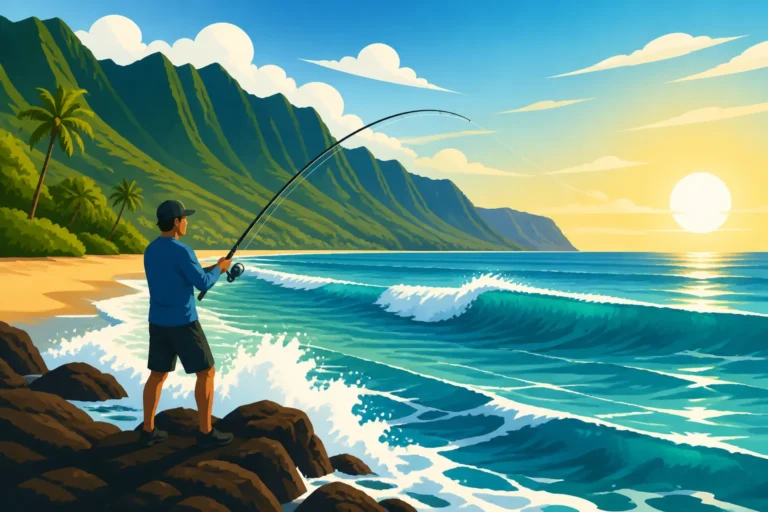
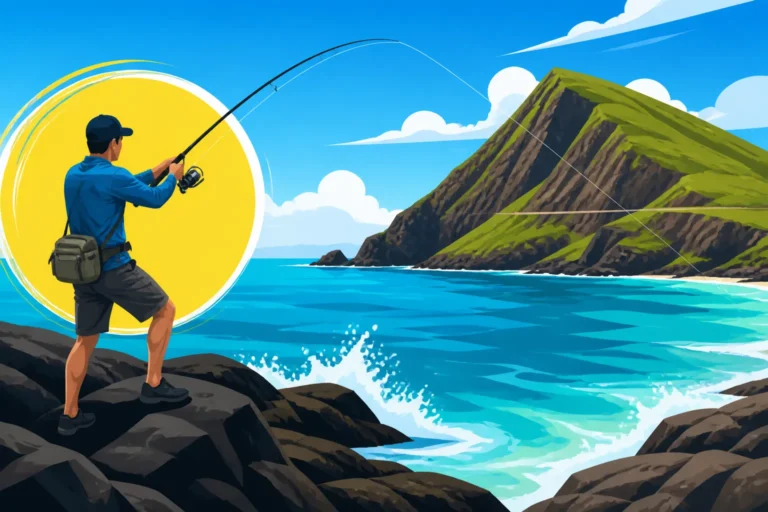
Anyone who's ever chased the ghost of the flats knows the sheer thrill and utter heartbreak of bonefishing. In Hawaii, this pursuit often leads anglers to the renowned flats of Sand Island, just a stone's throw from Honolulu's urban sprawl. It’s a place that promises incredible opportunities for landing the elusive "oʻio," but it also presents its fair share of challenges, from understanding the ever-changing tides to mastering the art of the delicate presentation. This guide is dedicated to helping you unlock the secrets of Sand Island, providing you with the insights you need to turn those heartbreaks into triumphant catches.
Why Sand Island is a Bonefishing Paradise
Sand Island, located at the mouth of Honolulu Harbor, might not look like your typical pristine, secluded bonefish haven at first glance. It's close to the city, often bustling with activity, and sometimes even has that industrial hum in the background. But don't let the urban proximity fool you. Beneath the surface, and across its expansive shallow flats, Sand Island harbors one of Oahu's most consistently productive bonefish fisheries. It’s a testament to Hawaii’s resilient marine life that such a vibrant ecosystem thrives so close to a metropolitan area.
The Unique Allure of Oahu's Flats
What makes Sand Island so special for bonefishing? It boils down to accessibility and diversity. Unlike some of Hawaii's more remote bonefish spots, Sand Island is incredibly easy to get to, making it a favorite for both local anglers and visitors. You can drive right up, park, and be wading the flats in minutes. This convenience is a huge draw, especially for those who don't have access to boats or prefer a shore-based experience. But beyond just being easy to reach, the flats here offer a varied landscape of hard-packed sand, sparse coral patches, and subtle channels, creating a rich tapestry of habitats that bonefish absolutely love. It’s a place where you can spend an entire day sight fishing, walking for miles, and never run out of new water to explore. The sheer vastness means that even on busier days, you can often find a quiet stretch all to yourself. When you're considering the Best Bonefishing Spots in Hawaii, Sand Island consistently makes the cut precisely because of this unique combination of accessibility and quality fishing.
The Ecosystem Supporting Thriving Bonefish
The robust bonefish population at Sand Island isn't just luck; it's a direct result of a dynamic and nutrient-rich ecosystem. The constant ebb and flow of tides through Honolulu Harbor, combined with fresh water runoff (when it rains), brings an abundance of small crabs, shrimp, and various invertebrates onto the flats – the primary diet of bonefish. This steady food supply keeps the oʻio healthy, active, and frequently cruising the shallows in search of their next meal. You'll often see them tailing, their tails breaking the surface as they dig for crustaceans in the soft bottom, a clear sign of a healthy feeding ground. The protective nature of the harbor entrance also means that while currents can be strong, the inner flats often remain calm enough for excellent sight fishing opportunities, even when the open ocean is a bit rough. This rich ecosystem is truly the backbone of Sand Island's reputation as a top-tier bonefishing destination.
Timing Your Sand Island Bonefishing Adventure
When it comes to bonefishing, timing is everything. Unlike offshore trolling for marlin or ahi, where you often just need to be on the water, targeting bonefish on the flats demands a keen understanding of tides, weather, and fish behavior. Head out at the wrong time, and you might spend hours staring at empty water. Get it right, and you could be hooking into one of Hawaii's most exciting shallow-water fighters.
Optimal Tides and Water Conditions
For Sand Island, the tide is your most crucial variable. Bonefish move with the water, pushing onto the flats to feed during certain tidal phases and retreating to deeper channels as the water drops. Generally, a rising or falling tide is best. As the tide comes in, it brings fresh food and deeper water onto the flats, encouraging bonefish to move up from the channels. A falling tide can also be productive, as it concentrates fish into specific depressions or channels, making them easier to spot. However, a dead low tide can leave the flats too shallow, pushing all the fish out, while a dead high tide can make the water too deep and spread out for effective sight fishing.
Beyond the tide, water clarity plays a huge role. Sand Island can get murky after heavy rains due to runoff, which severely impacts sight fishing. Aim for clear, calm days with minimal wind. A gentle breeze can be helpful to create a slight ripple on the water, which can break up your silhouette and make you less visible to wary fish, but anything more than that can make spotting incredibly difficult. Before you head out, check the local tide charts for Honolulu and keep an eye on recent weather patterns.
Seasonal Considerations for Bonefish Activity
While bonefish can be caught year-round in Hawaii, there are subtle seasonal shifts that can impact your success at Sand Island. Generally, the warmer months of summer and fall often see increased bonefish activity, as the water temperatures encourage more vigorous feeding. During these times, the fish might be more aggressive and more willing to chase a fly or bait. However, winter can still be productive, especially on sunny, calm days. The key is consistency: bonefish are always there, but their patterns might shift.
It's also worth noting that Hawaii rarely experiences drastic seasonal changes like mainland regions. We don't have freezing winters that shut down fisheries. Instead, it’s more about subtle variations in weather, ocean swells, and bait availability. For instance, strong winter swells from the north can make the outer edges of the flats tougher to wade, but the protected inner sections of Sand Island often remain fishable. Understanding the Hawaii Fishing Seasons by Month can provide a broader context for overall fishing, but for bonefish specifically, focus on the daily tides and local weather.
Best Time of Day for Sight Fishing
When you're sight fishing for bonefish, light is your best friend. This means that mid-morning to late afternoon, when the sun is high in the sky, often provides the best visibility into the water. The sun's angle helps cut through the glare, allowing you to spot the subtle movements of cruising bonefish or the tell-tale "tailing" behavior. Early mornings and late evenings can be beautiful, but the low angle of the sun can create too much glare, making it nearly impossible to see fish until they are practically at your feet.
However, there's a trade-off. Mid-day sun can also mean more human activity on or near the flats. If you prefer solitude and are confident in your spotting abilities even with some glare, a very early morning start on a rising tide can sometimes yield undisturbed fish. The ideal scenario usually involves a rising tide coinciding with a period of good overhead sun, allowing you to wade slowly and methodically, scanning the water for those tell-tale signs of bonefish.
Essential Gear and Techniques for Sand Island Bonefish
Landing a bonefish, particularly a Hawaiian oʻio, requires more than just luck. It demands the right gear, a thoughtful approach, and a good understanding of their wary nature. Sand Island's flats are unforgiving if you're ill-prepared, but incredibly rewarding if you come equipped with the right tools and techniques.
Recommended Rods, Reels, and Line
For bonefishing on Sand Island, a good setup is crucial. You'll want a sensitive yet powerful rod that can cast accurately and handle the surprising runs of these strong fish.
- Fly Fishing Setup:
- Rod: A 9-foot, 8-weight fly rod is generally considered the standard for Hawaiian bonefish. It offers enough backbone to fight larger fish and sufficient casting power to punch through a breeze, but is still delicate enough for precise presentations. Some anglers prefer a 7-weight for lighter action or a 9-weight for targeting bigger fish or dealing with windier conditions.
- Reel: A reliable large arbor fly reel with a smooth, powerful drag system is essential. Bonefish make incredibly fast, long runs, and your drag needs to handle this without faltering. Make sure your reel can hold at least 200 yards of 20 lb backing in addition to your fly line. Reputable brands like Orvis, Tibor, or Sage offer excellent options.
- Line: A weight-forward floating fly line designed for saltwater is ideal. It needs to turn over flies effectively in windy conditions and present them softly. A clear or natural colored leader, usually 9-12 feet long with a 10-12 lb fluorocarbon tippet, is critical for stealth.
- Spin Fishing Setup:
- Rod: A 7-8 foot medium-light to medium action spinning rod is a good choice. It should have enough sensitivity to feel subtle bites but enough power to cast lighter baits and handle strong runs.
- Reel: A high-quality spinning reel in the 2500-4000 size range, known for its smooth drag and saltwater durability, is perfect. Brands like Shimano or Daiwa are popular choices.
- Line: 10-15 lb braided mainline is preferred for its sensitivity and casting distance, usually with a 10-12 lb fluorocarbon leader of about 3-5 feet.
Regardless of your chosen method, sturdy wading boots with good grip are non-negotiable for protection against sharp coral and lava rock.
Effective Fly Patterns and Baits
Choosing the right fly or bait is paramount to enticing these often finicky feeders.
- Fly Patterns: Hawaiian bonefish respond well to patterns that imitate their natural prey.
- Crab patterns: Squimp, EP Spawning Shrimp, or small Merkin crab patterns in tan, olive, or light pink are highly effective.
- Shrimp patterns: Gotcha, Crazy Charlie, or various "small fry" imitations in subtle colors like tan, white, or clear with a bit of flash.
- Weight: It's crucial to carry flies with different weight eyes (lead eyes or bead chain eyes) to allow your fly to sink at various rates depending on water depth and current. You'll want some that sink quickly and some that drift more naturally. For more specific recommendations, check out a guide on Best fly patterns for Oahu bonefish.
- Bait Fishing (Spinning Gear):
- Live bait: Small live shrimp or crabs are incredibly effective, if you can source them. Present them on a light Carolina rig or simply with a small split shot to allow for natural movement.
- Artificials: Small soft plastic baits that imitate shrimp or crabs, jigged slowly along the bottom, can also work wonders. Gulp! Shrimp or similar scented baits are popular among spin fishermen. Lead head jigs, tipped with a piece of shrimp or even a small synthetic grub, can also be deadly.
The key is a natural presentation. Bonefish are easily spooked, so your bait or fly needs to land softly and move realistically.
Mastering the Art of Spotting and Presentation
This is where the true challenge and skill of bonefishing lie. Bonefish are often called "ghosts of the flats" for a reason – they blend in incredibly well.
- Spotting:
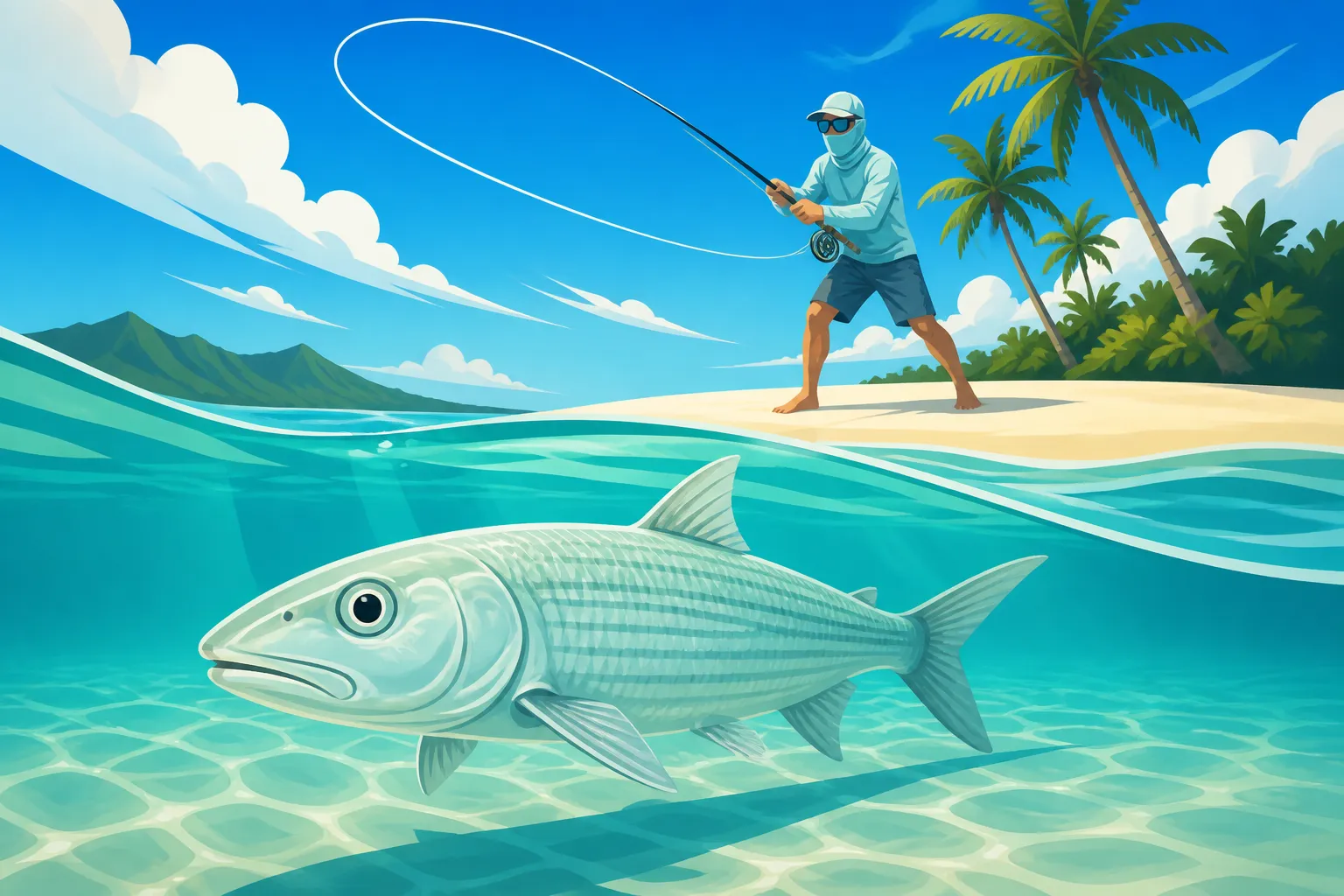
- Train your eyes: Start by looking for movement, subtle shadows, or disruptions in the water, not necessarily the entire fish. Look for "tailing" fish (their tails poking out of the water as they feed) or a "push" of water created by a moving fish.
- Use polarized sunglasses: High-quality polarized sunglasses are absolutely essential for cutting glare and seeing into the water. Amber or copper lenses are often preferred for their contrast-enhancing properties.
- Wade slowly and deliberately: Every step should be intentional. Walk into the sun if possible to minimize your shadow on the water.
- Scan broadly then focus: Scan a wide area ahead of you, then narrow your focus when you see something suspicious. Don't stare at one spot for too long.
- Presentation:
- Stealth is paramount: Bonefish have incredible eyesight and are easily spooked by clumsy casts, heavy footsteps, or a visible silhouette.
- Lead the fish: Cast your fly or bait 5-10 feet ahead and beyond the direction the fish is moving. You want the fly to sink or settle naturally into its path, mimicking an unsuspecting meal. Avoid casting directly on top of the fish, as this will almost always scare them.
- Strip/Retrieve slowly and consistently: Once your offering is on the bottom or in the fish's path, a slow, short strip or a gentle jigging motion is usually all it takes. The goal is to make it look alive, but not panicked.
- The "strip strike": If you see a fish eat your fly (often just a slight hesitation or acceleration of the fish), don't lift your rod! Continue stripping the line sharply to set the hook. Lifting the rod too early will pull the fly out of its mouth.
Mastering these techniques takes practice, but the rewards are well worth the effort.
Navigating Sand Island's Prime Bonefishing Zones
Sand Island offers a diverse range of flats, channels, and transitional areas that cater to different conditions and angler preferences. Knowing where to focus your efforts can significantly increase your chances of success. It's not just about getting on the water; it's about understanding the nuances of the terrain.
Key Flats and Channels to Explore
Sand Island is essentially a large, man-made peninsula, and its fishing potential lies primarily on its eastern and northern sides, which face into Keehi Lagoon and out towards the ocean.
- The Inner Flats (Keehi Lagoon Side): These are the most accessible and popular flats, stretching from the causeway connecting to Oahu, towards the Sand Island Boat Launch. Here, you'll find expansive areas of firm, sandy bottom with scattered coral rubble. This is prime territory for sight fishing, especially on a rising or falling tide. Bonefish frequently cruise these areas in small schools or as singles, tailing actively as they root for food. The water here tends to be shallower and can warm up nicely, making it attractive to bonefish.
- The Outer Flats (Ocean Side): As you move towards the point of Sand Island or along its northern edge facing the open ocean, the flats become a bit more exposed. Here, you might encounter larger individual bonefish or even small schools of more robust oʻio that are less pressured. However, these areas can be more susceptible to wind and wave action, requiring more precise casting and heavier flies. The bottom can also be a mix of sand, rock, and more dense coral, so proper wading footwear is crucial.
- Channels and Drop-offs: Around the Sand Island Boat Launch and along the edges of the deeper channels leading into Honolulu Harbor, bonefish will often stage during low tide or move through as they transition between the flats and deeper water. These areas can be excellent for ambush points, especially during tidal changes. You might not be sight fishing as much here, but rather casting into known lanes where fish travel. These are also good spots if water clarity on the main flats is poor, as fish will often hold in the slightly deeper, clearer water. The area around the Honolulu Harbor entrance is also a natural funnel for fish moving in and out, so don't overlook it, though boat traffic can be a factor.
Access Points and Navigational Tips
Getting to and around Sand Island is relatively straightforward, but having a plan helps.
- Access: Sand Island State Recreation Area provides the primary public access. You can drive across the causeway from Oahu's main island (off Nimitz Highway near Honolulu International Airport). There's ample parking within the park. The main boat launch area is a common starting point for anglers heading out onto the flats.
- Wading Safely: Always be mindful of the bottom. While many areas are soft sand, you'll encounter sharp coral, lava rock, and discarded debris. Good, thick-soled wading boots are non-negotiable. Be aware of currents, especially near channels or during strong tidal movements; the water can move faster than it looks. It's always a good idea to How to wade a reef flat safely in Hawaii before heading out, as understanding currents and hazards can prevent accidents.
- Mind Your Surroundings: Sand Island is a shared space. There are other anglers, swimmers, boaters, and even planes taking off from the nearby airport. Be courteous, give other anglers space, and be aware of boat traffic, especially around the channels. It's also important to be respectful of the environment; pack out everything you pack in.
| Bonefishing Zone | Primary Characteristics | Best Conditions | Target Species | Challenges |
|---|---|---|---|---|
| Inner Flats | Expansive sandy bottom, scattered coral, shallower | Rising/Falling Tide, Clear Water | Bonefish (Oʻio) | Can be crowded, wary fish |
| Outer Flats | Mixed sand/rock/coral, more exposed, deeper sections | Calm Days, Mid-tide | Larger Bonefish, Papio | Wind/Waves, rougher bottom |
| Channels/Drop-offs | Deeper water, current seams, transition zones | Tidal Changes, Low Tide | Bonefish, predatory fish | Boat traffic, less sight-fishing opportunity |
Regulations and Responsible Angling at Sand Island
Fishing in Hawaii, even for a common species like bonefish, comes with a set of rules designed to protect our precious marine resources. Ignoring these regulations can lead to hefty fines, or worse, harm the very fishery we all love. Being a responsible angler means understanding and abiding by these guidelines.
Understanding Hawaii's Fishing Rules
First and foremost, while many may wonder, "Do Hawaii Residents Need an Ocean Fishing License?", the answer for recreational saltwater fishing in Hawaii is generally no, you do not need a license for marine species. However, this exemption does not apply to freshwater fishing, or to commercial fishing. So, for your bonefishing adventure on Sand Island's ocean flats, you won't need a state-issued license. Always double-check current regulations as laws can change, but as of now, saltwater recreational licensing isn't required for residents or non-residents. This is a common point of confusion, so it's good to clarify.
Even without a license requirement, other rules still apply:
- Bag and Size Limits: While bonefish (oʻio) generally do not have specific statewide bag or size limits, it's always prudent to check the current Hawaii Bag and Size Limits by Species through the Hawaii Division of Aquatic Resources (DAR) website, just in case. Some areas or species might have unique restrictions. The general philosophy for bonefish, especially when fly fishing, is catch and release.
- Gear Restrictions: Certain types of gear or methods, such as lay nets in shallow areas, might be restricted in specific locations. For recreational rod-and-reel or fly fishing on the flats, standard gear is typically permitted.
- Protected Areas: Always be aware of any nearby Hawaii Marine Life Conservation Districts, Explained (MLCDs) or other protected areas where fishing may be restricted or prohibited. While Sand Island is not an MLCD, understanding the boundaries of such zones is critical for any angler in Hawaii. The rules are there for a reason – to preserve our unique marine biodiversity.
Catch and Release Best Practices
Because bonefish are such a prized sport fish, and given their importance to the ecosystem, responsible catch and release practices are highly encouraged, especially for larger fish. The thrill of catching an oʻio is often in the fight and the sight of its beautiful silver scales, not necessarily in keeping it for dinner.
- Minimize Handling: Reduce the time the fish is out of the water to an absolute minimum. Hold it horizontally, supporting its belly, and avoid touching its gills or eyes. Wet your hands before touching the fish to protect its slime coat.
- Barbless Hooks: Consider crimping down the barbs on your hooks. This makes it much easier to remove the hook, causes less damage to the fish, and gets the fish back into the water faster.
- Proper Hook Removal: Use pliers or a de-hooking tool to quickly and carefully remove the hook. If the fish is deeply hooked, it's often better to cut the line as close to the hook as possible rather than tearing sensitive tissue.
- Revive the Fish: If the fish seems stressed or tired after the fight, gently hold it in the water, facing into the current, and move it back and forth gently to help water flow over its gills until it regains its strength and swims away on its own. Never just toss a tired fish back into the water.
- Photography: If you want a photo, prepare your camera before landing the fish. Get the shot quickly, ideally with the fish partially submerged, and release it immediately.
By following these practices, we ensure that Sand Island's bonefish population remains healthy and vibrant for future generations of anglers to enjoy. It's about respecting the resource and ensuring the sustainability of this fantastic fishery.
Overcoming Challenges and Maximizing Your Success
Bonefishing on Sand Island, while rewarding, isn't always easy. Hawaii's bonefish are known for their intelligence and wariness, and the environment itself can throw a few curveballs. But with a bit of preparation and persistence, you can turn potential frustrations into successful outings.
Dealing with Wind and Sun Glare
These two environmental factors are often the bane of a flats angler's existence.
- Wind: Hawaii is known for its trade winds, and while they keep things cool, they can make casting incredibly difficult and spotting nearly impossible by rippling the water's surface.
- Strategy 1: Adapt Your Cast: Practice casting into the wind. Use a heavier line, a shorter leader, and a more aggressive casting stroke. A double haul is invaluable here to maintain line speed.
- Strategy 2: Find Shelter: Look for areas of the flats that might be partially shielded by land or structures. On Sand Island, this often means exploring the more protected inner areas closer to the boat launch or finding a point that breaks the wind.
- Strategy 3: Fish with the Wind: If the wind is too strong to cast into, try fishing with it at your back or at an angle. This can make casting easier, though it might mean adjusting your approach to how you wade and spot fish.
- Sun Glare: The bright Hawaiian sun can create intense glare on the water, effectively blinding you to cruising fish.
- Strategy 1: High-Quality Polarized Sunglasses: As mentioned earlier, these are non-negotiable. Invest in a good pair with amber or copper lenses.
- Strategy 2: Position Yourself: Try to wade with the sun at your back or at a 45-degree angle. This minimizes glare directly in your eyes and helps illuminate the water ahead of you.
- Strategy 3: Look for Shadows and Movement: When glare is bad, you might not see the entire fish, but you might catch a subtle shadow, a flicker of its tail, or a puff of mud as it feeds. Train your eyes to pick up these indirect signs.
- Strategy 4: Elevated Vantage Points: If available (though rare on Sand Island's flat terrain), even a slight elevation can help you see over the glare.
Sometimes, despite all your efforts, conditions are simply too poor for effective sight fishing. On those days, it might be better to try a different technique, like blind casting into known productive channels, or even consider exploring other fishing opportunities, perhaps booking a charter through a service like FishingBooker for offshore species.
The Elusive Nature of Hawaii's Bonefish
Hawaiian bonefish are notoriously wary and intelligent. They've evolved in clear waters with numerous predators, making them incredibly sensitive to vibrations, shadows, and unnatural presentations. This elusiveness is part of what makes catching them so challenging and ultimately so rewarding.
- Patience is a Virtue: Don't rush. Walk slowly, scan meticulously, and wait for the perfect shot. A quick, sloppy cast will almost always scare a fish. Remember, you're hunting, not just fishing.
- Stealth is Key: Wear drab, natural colors that blend with the sky and water. Avoid bright, flashy clothing. Move slowly and deliberately. If you can see the fish, there's a good chance it can see you.
- Observe and Learn: Pay attention to how the fish are behaving. Are they tailing aggressively? Cruising slowly? Are they spooking easily? Adjust your approach based on their behavior. If they're particularly spooky, try longer casts, lighter leaders, and more subtle fly patterns.
- Embrace the Challenge: There will be days when you see plenty of fish but can't get a single take. There will be days when you make perfect casts, and the fish still bolt. Don't get discouraged! This is part of the bonefishing experience. Each failed attempt is a learning opportunity. The more time you spend on the flats, the better you'll become at understanding these incredible fish. If you're struggling to crack the code, consider hiring a local guide. Many experienced local guides offer wade-fishing trips for bonefish and can share invaluable local knowledge and techniques that accelerate your learning curve. Services like FishingBooker often list local guides specializing in flats fishing.
Ultimately, bonefishing at Sand Island is a blend of natural beauty, challenging sport, and deep satisfaction. It's an adventure that keeps you coming back for more, constantly refining your skills and deepening your appreciation for Hawaii's unique marine environment.
Disclaimer
The information provided in this guide is for general informational purposes only. Fishing regulations, conditions, and best practices can change. Always consult the latest rules and advisories from the Hawaii Division of Aquatic Resources (DAR) or other relevant local authorities before engaging in any fishing activities. Ensure you have the proper safety equipment and understand all local laws. Fishing involves inherent risks, and personal safety is your responsibility.