Best Reef Fishing Spots in Hawaii
Navigating the myriad of regulations and identifying truly productive spots for reef fishing in Hawaii can feel like a daunting task, especially when you're faced with miles of beautiful coastline but aren't sure where the fish are hiding. Many anglers, whether local or visiting, find themselves spending precious time casting into seemingly perfect waters only to come up empty-handed. This guide is here to cut through that frustration, providing you with an in-depth look at the best reef fishing spots across the Hawaiian Islands, what makes them tick, and how you can maximize your chances of a successful and responsible catch.
Understanding Hawaii's Reef Ecosystems and Their Fish
Hawaii's vibrant reef ecosystems are teeming with life, but they're also incredibly fragile and complex. Before you even think about casting a line, it’s essential to understand the unique characteristics of these underwater worlds and the incredible diversity of fish that call them home. It’s not just about finding a spot; it’s about understanding the environment you’re fishing in.
The Dynamics of Healthy Reefs and Fish Habitats
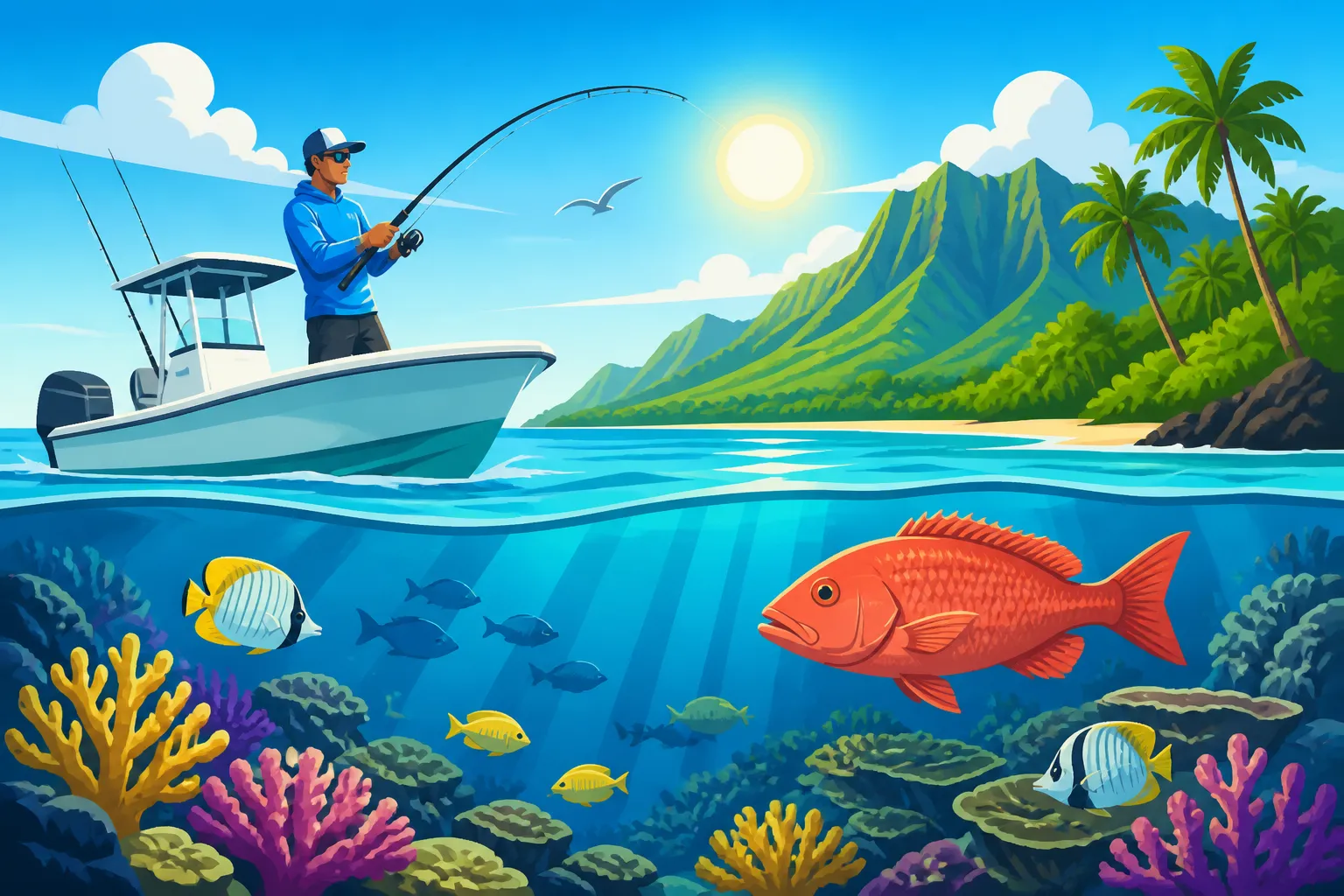
Hawaii's reefs are primarily fringing reefs, growing close to the shore, often formed by ancient lava flows that have been colonized by corals over millennia. These structures provide shelter, food, and breeding grounds for an astonishing array of marine life. A healthy reef is a bustling metropolis underwater, full of nooks, crannies, ledges, and channels. You'll find different species preferring different zones: some love the turbulent surf zones, others prefer the calmer, deeper slopes, and many congregate around the "drop-offs" where shallow reefs plunge into deeper water. The health of these coral communities directly impacts the abundance of fish. Storms, pollution, and human activity can all degrade reefs, making them less productive for fishing. That's why understanding and respecting these areas is paramount. The tide, currents, and even the moon phase play a huge role in how fish use these habitats, moving in and out with the ebb and flow, often seeking shelter or foraging opportunities at specific times.
Common Reef-Dwelling Fish Species to Target
When you're fishing Hawaii's reefs, you're looking for a variety of fantastic species, many of which are excellent table fare. You might encounter the powerful Ulua (Giant Trevally) or its smaller counterpart, the Papio, which are often found cruising the reef edges and channels. These are prized catches, known for their incredible fight. Then there are the various Goatfish, like Kumu and Weke, which are often found foraging in sandy patches adjacent to reef structure. These bottom-dwellers are delicious and can be caught with bait on lighter tackle. Parrotfish, or Uhu, are another common sight, though their capture comes with specific regulations to ensure sustainability. Remember to check the current Hawaii Uhu (Parrotfish) Size and Bag Limits before targeting them. Many smaller reef fish, collectively known as hina, palani, or manini, are also abundant, though not typically targeted by recreational anglers for consumption, they are vital to the reef ecosystem. And of course, there are plenty of invasive species like Taape (Bluestripe Snapper) and Roi (Bluespotted Grouper) that anglers are encouraged to remove due to their detrimental impact on native populations.
Navigating Reef Fishing Regulations and Conservation
Fishing in Hawaii comes with a responsibility to uphold strict regulations designed to protect these precious resources. It's not just about having a license, although understanding the Hawaii Fishing License Guide for 2026 is a non-negotiable first step for non-residents, and even residents have specific rules for freshwater fishing. Ocean fishing in Hawaii generally doesn't require a license for residents for subsistence or recreational purposes, but always double-check current rules with the DLNR. Crucially, specific areas are designated as Marine Life Conservation Districts (MLCDs) or Fish Replenishment Areas (FRAs), where fishing is either completely prohibited or heavily restricted. For example, understanding Hawaii Marine Life Conservation Districts, Explained will prevent you from accidentally fishing in a no-take zone like Hanauma Bay. Furthermore, there are bag and size limits for various species, closed seasons for others (like Moi), and restrictions on certain gear types. The Department of Land and Natural Resources (DLNR) Division of Aquatic Resources (DAR) website is your best friend for up-to-date information. Ignorance of the law is never an excuse, and penalties for violations can be steep.
Top Reef Fishing Spots on Oahu
Oahu, being the most populated island, offers a mix of easily accessible and more remote reef fishing opportunities. The key here is knowing where to look and being aware of local conditions and accessibility. From bustling harbors to secluded shorelines, the reefs around Oahu are diverse and productive if you know how to approach them.
The Vibrant Reefs of the Windward Coast
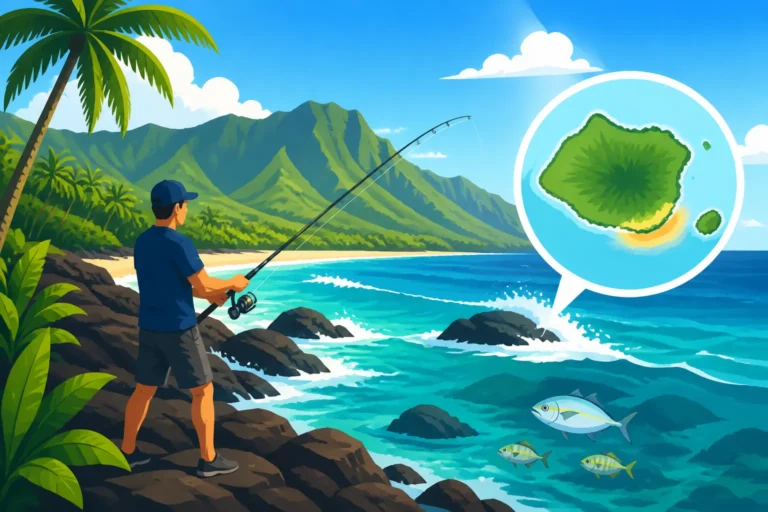
Oahu's Windward (east) Coast is known for its stunning beauty, consistent trade winds, and, importantly for us, some fantastic reef systems. Areas around Kaneohe Bay, while primarily known for its extensive sand flats and protected waters, also boasts fringing reefs that hold good numbers of Papio, Goatfish, and even occasional Ulua. The reefs closer to the mouth of the bay, where the oceanic currents push in, are particularly productive. Access points often involve navigating residential areas or using public parks. Further north, the shoreline along regions like Kahuku and Malaekahana State Park offers expansive reef flats that transition into deeper water, providing excellent opportunities for whipping for Papio, especially during high tide or early morning. You'll often see local anglers wading these flats, casting small lures or live bait. It's important to watch your footing and be aware of incoming swells, as these areas can be quite rugged.
Exploring Leeward Oahu's Hidden Reef Gems
The Leeward (west and southwest) Coast of Oahu offers a different kind of reef fishing experience. Often calmer and drier, these areas feature impressive lava rock formations and a mix of sandy and rocky bottom that hold diverse fish populations. Places like Kaena Point, at the very western tip of the island, provide incredible shore access to deeper reef structure. This is a prime spot for bigger Ulua, especially for those willing to hike in and put in the effort for sliding bait rigs. The rugged coastline here means fewer people but also requires more caution due to powerful currents and waves. Further south, the reefs off the Ko Olina resort area, while popular for tourism, also have productive pockets, particularly outside the heavily used lagoons. The key here is exploring the public access points and identifying natural channels or drop-offs within the reef structure. Early mornings and late evenings are often the most productive times here, when the crowds are minimal and the fish are actively feeding.
Fishing Protected Areas: MLCDs and FRAs
It's vital to remember that not all reefs are open for fishing. Oahu has several Marine Life Conservation Districts (MLCDs) such as those at Waikiki and Pupukea, and Fish Replenishment Areas (FRAs) like those in West Hawaii. While fishing within these designated MLCDs is generally prohibited, understanding their boundaries is crucial. For instance, while you can't fish inside the Waikiki MLCD, the reefs immediately outside its perimeter can be very productive due to the spillover effect from the protected zone. Similarly, knowing about Hawaii Fish Replenishment Areas in West Hawaii is essential when fishing the Big Island's Kona coast. Always consult the latest maps and regulations from the DLNR. However, some areas, like Keehi Lagoon, while not a no-take zone, might have specific restrictions or be part of larger areas with conservation efforts, so it's always worth checking. Many anglers use resources like FishingBooker to find local guides who are intimately familiar with these regulations, ensuring a legal and productive outing.
Discovering Maui's Productive Reef Systems
Maui, with its stunning volcanic landscapes and vibrant marine life, is a fantastic destination for reef fishing. The island offers a variety of reef types, from shallow fringing reefs to more complex submerged structures that hold impressive fish. Whether you're casting from shore or taking a small boat, Maui's reefs are worth exploring.
West Maui's Fringed Reefs and Shoreline Access
The leeward side of West Maui, particularly around areas like Lahaina and Ka'anapali, is characterized by fringing reefs that run parallel to the coastline. These reefs are generally accessible from shore at various public access points. Anglers here often target Papio, Weke, and smaller Trevally species. The trick is finding the natural channels, ledges, and deeper pockets within these reefs, which act as ambush points for predatory fish. Early mornings or late evenings, especially around tide changes, are prime times. Look for areas where the waves break consistently over a reef flat, indicating a change in depth. Popular spots can include areas near Lahaina Harbor, where the reef structure creates excellent habitat, or further north towards Honolua Bay (though Honolua Bay is an MLCD, so again, check boundaries). Light tackle with small plastics, Kastmasters, or natural baits like shrimp or small pieces of fish are often effective.
South Maui's Expansive Coral Gardens
South Maui, stretching from Ma'alaea down to La Perouse Bay, boasts some of the most expansive and healthiest coral gardens in Hawaii. Kihei and Wailea areas, while popular for resorts, also have incredible reef fishing right off their public beaches and access points. These reefs are more protected from the strong trade winds, making for calmer waters on many days, ideal for sight fishing or light tackle. Here, you'll find similar species to West Maui, but often in greater numbers due to the extensive habitat. La Perouse Bay itself, a wild and rugged area at the end of the road, offers unique shore fishing opportunities over relatively pristine lava-rock reefs that extend into deeper water. This remote spot is excellent for casting for Ulua and Papio, but requires careful navigation and respect for the environment due to its wild nature. Always be mindful of the sharp lava rock and the powerful ocean swells in this area.
Kayak and Small Boat Access to Outer Reefs
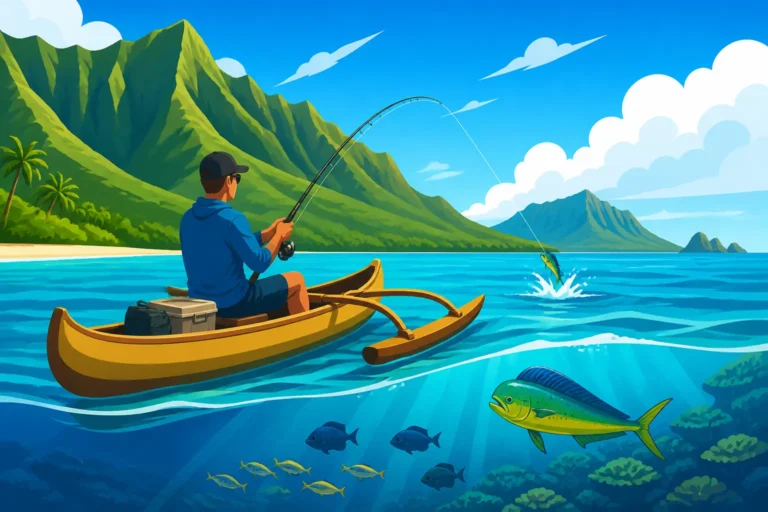
For anglers looking to explore beyond the immediate shoreline, Maui offers excellent opportunities for kayak or small boat access to its outer reefs. Launching from harbors like Ma'alaea Harbor or smaller public ramps allows you to reach areas that are otherwise inaccessible from shore. These deeper, healthier outer reefs often hold larger concentrations of target species and can provide access to bottomfish species like Opakapaka and Onaga, although specific techniques and gear are required for these deeper ventures. Kayak fishing has become increasingly popular for reaching these nearshore reefs, allowing anglers to quietly approach fish holding areas. When planning a small boat trip, always ensure you're familiar with Hawaii Boating Laws for Anglers and carry all required safety equipment. If you don't have your own vessel, consider looking for a local charter on FishingBooker that specializes in inshore reef fishing or bottomfishing, as they will have the specialized gear and local knowledge to put you on fish.
Big Island's Diverse Reef Fishing Opportunities
The Big Island, Hawai'i, lives up to its name, offering a vast and diverse landscape for anglers. Its reefs are shaped by volcanic activity, creating unique structures, lava tubes, and dramatic drop-offs that are prime habitats for a wide variety of reef fish and pelagic species that cruise the reef edges.
Kona Coast's Lava-Sculpted Reefs
The Kona Coast, on the leeward side of the Big Island, is globally renowned for its offshore fishing, but it also boasts exceptional reef fishing right along its dramatic coastline. The underwater topography here is characterized by ancient lava flows that have created intricate reef structures, ledges, and caverns just offshore. These "lava reefs" are absolute magnets for Papio, Ulua, Goatfish, and a host of other reef species. Public access points and parks along Ali'i Drive in Kailua-Kona, and further south towards Kealakekua Bay, offer numerous spots for shore casting. While Kealakekua Bay has strict conservation rules, areas immediately outside its boundaries can be highly productive. For those with access to a small boat or kayak, exploring the fringing reefs and drop-offs further out can yield even better results. The unique structure created by the volcanic rock means fish have countless places to hide and ambush prey, making for exciting and challenging fishing.
East Hawaii's Less-Explored Reef Environments
While the Kona Coast gets a lot of attention, the East Hawaii side (Hilo side) also offers intriguing, albeit different, reef fishing experiences. The consistent rainfall on this side leads to more freshwater runoff, which can impact water clarity, but the reefs here are still very much alive. Hilo Bay itself has fringing reefs and rocky outcroppings that hold fish, especially around the bay's perimeter where there's less sediment. Further south and east, the Puna district coastline, formed by more recent lava flows, presents a rugged and wild environment. These newer lava fields create stark, dramatic shorelines with interspersed tide pools and small reef systems that are less pressured than other parts of the island. Anglers who are willing to explore and navigate the challenging terrain can find excellent, solitary fishing for species like Papio and even Ulua in the channels created by the lava. These spots require local knowledge and extreme caution due to unpredictable surf and sharp rock.
Deeper Reefs and Bottomfish Beyond the Shallows
For those equipped for offshore ventures, the Big Island's reef fishing extends well beyond the shallow fringing reefs. The dramatic drop-offs along the Kona Coast, where the island plunges rapidly into the deep ocean, create unique habitats for deep-water bottomfish. Species like Onaga (Ruby Snapper), Opakapaka (Pink Snapper), and Ehu (Squirrelfish Snapper) reside in these depths, often hundreds of feet down. Targeting these species requires specialized gear, including electric reels and heavy lead, but the rewards are well worth it. These deep reef systems are fragile, and sustainable practices are crucial. Many of the best spots are known by local charter captains. If you're interested in this kind of fishing, engaging with a professional outfit found on platforms like FishingBooker can be an excellent way to experience it safely and effectively. They'll have the right gear, knowledge, and permits to access these deeper, productive areas.
Kauai and Other Islands' Reef Fishing Potential
While Oahu, Maui, and the Big Island get most of the spotlight, the other Hawaiian islands, especially Kauai, offer equally compelling, and often more serene, reef fishing opportunities. These islands boast stunning, often untouched, reef systems that are a dream for the adventurous angler.
Kauai's North Shore and South Shore Reefs
Kauai, known as the "Garden Isle," lives up to its name with lush landscapes extending to the ocean's edge, often meeting beautiful reef formations. The North Shore, around Hanalei Bay and Princeville, features extensive fringing reefs that are incredibly productive, especially during the calmer summer months. The areas where rivers meet the ocean can create unique brackish water zones that attract certain baitfish, which in turn draw in predatory species like Papio. Shore access along the North Shore can be challenging in winter due to large swells, but during periods of calm, the reef edges and channels are fantastic for whipping and bait fishing. On the South Shore, around Poipu and Port Allen, the reefs are generally more accessible year-round. These areas offer a mix of sandy beaches bordering coral, creating perfect habitat for Goatfish, Papio, and the occasional Ulua. When fishing these areas, look for darker patches in the water, indicating reef structure, and cast accordingly.
Molokai and Lanai: Untouched Reef Paradises
For those seeking a truly remote and unspoiled reef fishing experience, Molokai and Lanai are unparalleled. These smaller islands have significantly less population density and development, meaning their reef systems are often more pristine and less pressured. Molokai's south shore boasts the longest fringing reef in the United States, stretching for over 28 miles. This massive natural barrier creates incredibly diverse habitats, from shallow flats to deeper channels, teeming with a wide array of reef fish. Access can be challenging, often requiring a small boat or kayak, or a local guide. Lanai also offers incredible reef fishing, particularly along its rugged southern and eastern coasts. The reefs here are vibrant and healthy, holding a great diversity of species, including larger Papio and Ulua. These islands are ideal for those who truly want to escape the crowds and immerse themselves in nature, but they require careful planning and a deep respect for the environment and local customs. Charters or guides are highly recommended for the best experience.
Respecting Cultural Practices and Land Access
When fishing any of Hawaii's islands, it’s imperative to be mindful of local cultural practices and land access rights. Many areas, particularly on the less-developed islands, hold deep cultural significance, and traditional fishing practices (like net fishing for Akule) are still very much alive. Always ask permission if you're unsure about access, especially on private property, and be respectful of local residents and their activities. The concept of mālama 'āina (to care for the land) and mālama kai (to care for the ocean) is deeply ingrained in Hawaiian culture. This means practicing catch and release for protected or undersized fish, only taking what you need, and never leaving trash behind. Understanding Hawaii Fishing Regulations Explained goes beyond just the legal text; it’s about embracing the spirit of aloha for the land and sea. This ensures that these incredible reef fishing opportunities will be preserved for future generations.
| Reef Fishing Spot Category | Typical Locations | Primary Access | Key Target Species | Recommended Techniques |
|---|---|---|---|---|
| Oahu Windward Reefs | Kaneohe Bay (mouth), Kahuku shoreline | Shore, kayak, small boat | Papio, Goatfish (Kumu, Weke), small Ulua | Whipping, bait fishing (shrimp, limu), light tackle |
| Oahu Leeward Reefs | Kaena Point, Ko Olina fringes | Shore (hike), kayak | Ulua, Papio, invasive Snapper (Taape) | Sliding bait (Ulua), whipping (Papio), plastics |
| Maui West Shore Reefs | Lahaina shoreline, Ka'anapali reef edges | Shore, kayak | Papio, Goatfish, Roi (invasive Grouper) | Lure casting, bait (squid, cut fish), wade fishing |
| Maui South Shore Reefs | Kihei, Wailea, La Perouse Bay | Shore, kayak, small boat | Papio, Ulua, Weke, Taape | Lure casting, live bait, bottom fishing (light) |
| Big Island Kona Lava Reefs | Kailua-Kona (Ali'i Drive), Kealakekua (outer) | Shore, kayak, small boat | Papio, Ulua, Goatfish, invasive Roi/Taape | Whipping, sliding bait, jigging (near drop-offs) |
| Big Island East Side Reefs | Hilo Bay (perimeter), Puna Coast | Shore (rugged), kayak | Papio, Weke, Menpachi | Bait fishing (crabs, shrimp), heavy tackle for Ulua |
| Kauai North Shore Reefs | Hanalei Bay (outer), Princeville | Shore (seasonal), kayak | Papio, Goatfish, small Ulua | Lure casting, light tackle bait, wading |
| Kauai South Shore Reefs | Poipu, Port Allen | Shore, kayak | Papio, Weke, Menpachi, occasional Ulua | Lure casting, bait (squid, limu), shallow jigging |
| Molokai/Lanai Reefs | Molokai South Shore, Lanai South/East | Boat, kayak (guided) | Ulua, Papio, Goatfish, Snappers, Wahoo (Ono) | Offshore trolling (Ono), bottom fishing, bait/lure |
Disclaimer
The information provided in this guide is for general informational purposes only and is not intended as legal advice. Fishing regulations in Hawaii are subject to change by the Department of Land and Natural Resources (DLNR) Division of Aquatic Resources (DAR). It is the responsibility of each angler to consult the most current Hawaii fishing regulations before engaging in any fishing activity. Always prioritize safety, respect marine life, and adhere to sustainable fishing practices.