Best pier fishing spots on Oahu
It's incredibly frustrating when you arrive in paradise, rods in hand, only to realize that finding a decent, accessible fishing spot without a boat can be a real head-scratcher. Many visitors and even some residents might feel like they need an ancient map or a secret handshake to find a good place to cast a line from shore. This guide is here to unravel that mystery, focusing specifically on Oahu's best pier fishing spots, giving you all the details on where to go, what you might catch, and how to make the most of your time on the water.
Why Pier Fishing on Oahu is a Fantastic Option
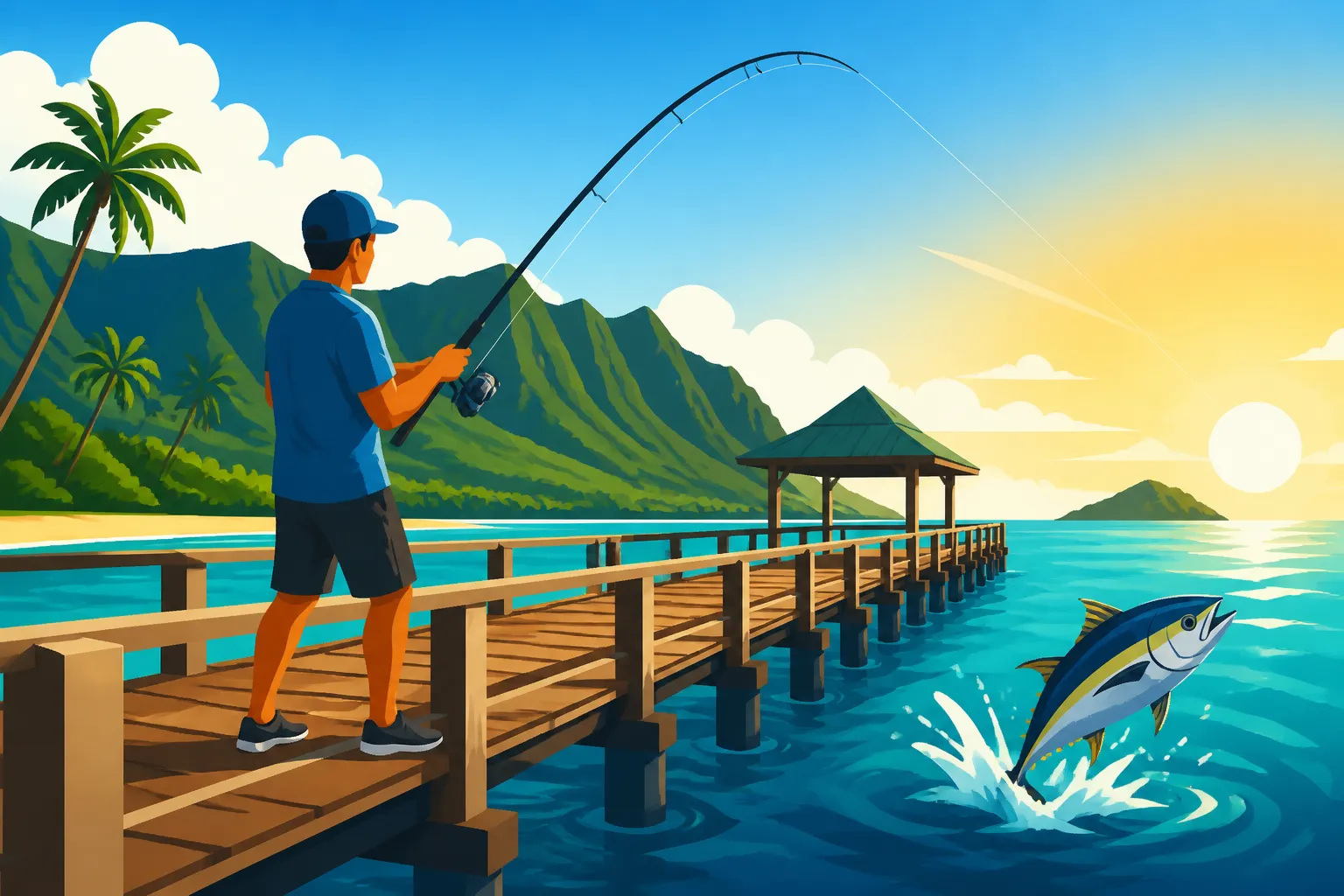
Pier fishing on Oahu offers a unique blend of accessibility, convenience, and surprisingly diverse fishing opportunities. You don't need a boat, an expensive charter, or even a deep understanding of local currents to get started. It's a fantastic entry point for beginners and a reliable fallback for seasoned anglers looking for a relaxing day or a quick fishing fix.
Accessibility and Convenience for All Anglers
One of the biggest draws of pier fishing is its sheer ease. Imagine this: you're staying in a bustling area like Waikiki, and the thought of navigating unfamiliar roads or booking a costly boat trip feels daunting. Pier fishing eliminates much of that stress. Many of Oahu's piers are centrally located, often near public transportation, parking, and amenities like restrooms and food vendors. You can simply walk up with your gear, find an open spot, and start fishing.
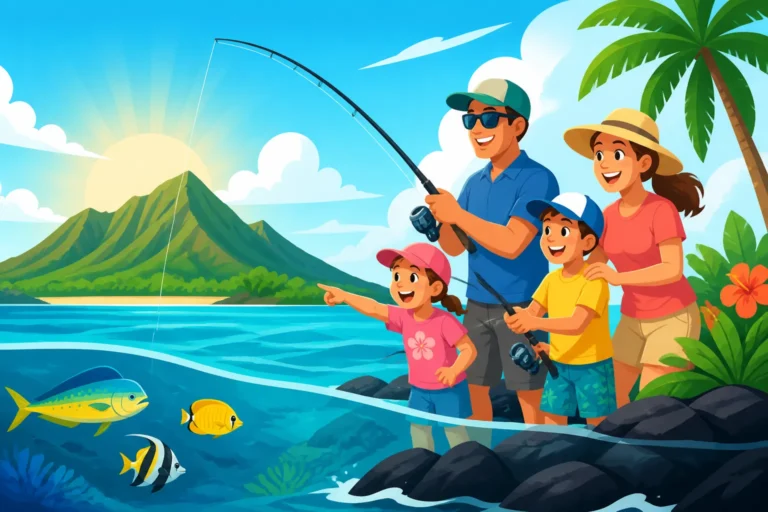
This convenience makes it an ideal activity for families with kids who might not have the patience for a long boat ride, or for solo anglers looking to squeeze in a few hours of fishing without much fuss. There’s no complex boat launch to worry about, no fuel costs, and often, no difficult terrain to traverse. It’s truly a "show up and fish" scenario, which, let's be honest, is exactly what you want when you're trying to relax and enjoy the island life. For anyone looking for an easy, family-friendly outing, a pier is often the perfect choice, allowing you to focus on the joy of fishing rather than the logistics.
Diverse Species Within Reach of the Pier
You might think that pier fishing limits you to only small, common fish, but that's often far from the truth here in Hawaii. While you'll certainly encounter plenty of smaller reef fish and baitfish, Oahu's piers are strategically located in areas that attract a surprising array of species. The deeper waters and currents that sweep past some of these structures can bring in much larger, more sought-after game fish.
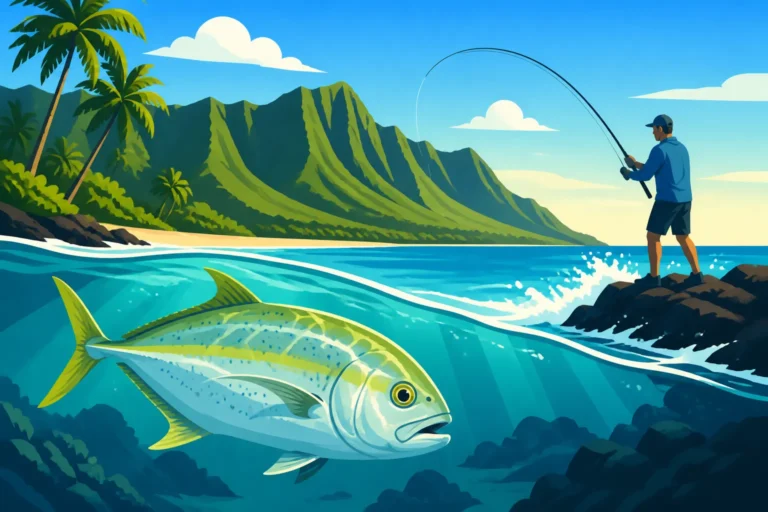
Common catches from Oahu's piers include feisty papio (juvenile Giant Trevally), which are always a blast on light tackle. You might also hook into various species of goatfish like kumu or weke, which are excellent eating. Schools of akule (bigeye scad) and opelu (mackerel scad) often congregate around piers, making for exciting bait-gathering opportunities or even target practice for light tackle enthusiasts. And for those patient and skilled enough, the ultimate pier prize—the mighty ulua (Giant Trevally)—can be hooked, especially during night sessions with heavy sliding bait rigs. Occasionally, anglers even report catching migratory pelagic species like mahimahi or ono if they venture out with specific techniques near the deeper channels leading into or out of harbors. It's truly amazing what the ocean can deliver right to your feet.
Top Pier Fishing Locations on Oahu
Oahu boasts several excellent pier fishing spots, each with its own unique character, target species, and best practices. Whether you're in Honolulu, on the West Side, or up on the North Shore, there's a pier calling your name.
Kewalo Basin Boat Harbor Pier, Honolulu
Located just west of Ala Moana Beach Park in Honolulu, the Kewalo Basin Boat Harbor Pier is a bustling hub of activity and a favorite among local anglers. It's easily accessible and offers a fantastic vantage point for fishing into the deeper channels that lead out to sea.
Parking can sometimes be a bit of a challenge, especially on weekends, but there are paid lots available nearby. The pier itself is quite long and provides ample space, though it can get crowded. Anglers here often target papio and smaller ulua, especially around dawn and dusk. The deeper water also makes it a good spot for catching akule and opelu when schools are present, which are excellent for bait or simply for a quick, action-packed session. Bottom fishing here can yield various reef fish and goatfish. For those who enjoy a bit of a challenge, setting out a heavy sliding bait rig at night with a live bait can tempt a trophy ulua. To truly master this spot, you might want to look at a guide specifically for the best pier fishing spots at Kewalo Basin, as local knowledge is key.
Ala Wai Small Boat Harbor Pier, Waikiki
Situated right in the heart of Waikiki, the Ala Wai Small Boat Harbor Pier is arguably the most convenient spot for visitors staying in the area. It's located along the Ala Wai Canal, near the mouth of the harbor, offering a different kind of fishing experience than an ocean-facing pier.
This pier is perfect for those looking for a casual fishing experience, perhaps with kids in tow. You'll primarily be targeting smaller, inshore species here. Papio are common, as are various small reef fish and goatfish that cruise the harbor waters. Occasionally, you might even encounter moi (Pacific Threadfin) during their season. Because of its calm, protected waters, it’s an excellent spot for light tackle and bait fishing with shrimp, squid, or small pieces of cut bait. Early mornings or late afternoons are generally productive, and you'll find plenty of other anglers and walkers enjoying the scenic views. While it might not yield a record-breaking catch, the Ala Wai pier offers a wonderfully relaxed environment to enjoy fishing just steps from your hotel. It’s also considered one of the best shore fishing spots near Waikiki for ease of access.
Waianae Small Boat Harbor Pier, West Oahu
If you're willing to venture a bit further from the bustling city, the Waianae Small Boat Harbor Pier on Oahu's west side offers a more local and often more productive fishing experience. The waters here are generally clearer and less pressured than the Honolulu spots, attracting a wider range of fish.
This pier is renowned among local anglers for its potential to produce larger fish, especially at night. Serious ulua fishermen often frequent this spot after dark, setting out heavy rigs with live bait or large chunks of cut bait. During the day, you can expect to catch a good number of papio, various reef fish, and sometimes schools of akule or opelu will pass through, providing excellent jigging action. The vibe here is a bit more relaxed, with a strong sense of community among the anglers. Just remember to be respectful of local customs and keep the area clean. It’s a fantastic place to experience fishing alongside the locals and potentially land a truly memorable catch. If you’re serious about fishing this side of the island, check out the article on the best fishing spots in Waianae.
Haleiwa Small Boat Harbor Pier, North Shore
Up on Oahu's iconic North Shore, the Haleiwa Small Boat Harbor Pier provides another excellent pier fishing opportunity, albeit with a slightly different flavor. While Haleiwa is famous for its surf, the harbor itself is a sheltered haven, offering calm waters ideal for a day of fishing.
The pier here is popular with families and those looking for a more laid-back fishing experience away from the city crowds. You'll often find anglers catching papio, small reef fish, and sometimes aholehole (Hawaiian flagtail). It’s also a common spot for throwing a net to catch baitfish like halalu (juvenile scad) when they are around. Light tackle, small baits, and simple bottom rigs work well here. Dawn and dusk are prime times, as is a rising tide, which can bring more active fish into the harbor. The views of the North Shore mountains and the calm harbor environment make it a truly picturesque place to fish. For a deeper dive into fishing this famous area, exploring the best fishing spots on the North Shore of Oahu can provide additional insights.
Ko Olina Lagoons (Resort Access with Limitations)
While not a traditional public pier, the man-made lagoons within the Ko Olina Resort area offer a unique, albeit restricted, fishing experience for resort guests. It's important to understand that these are not public access fishing spots in the same vein as the other piers listed. Fishing here is typically limited to guests of the Ko Olina resorts and is often confined to specific designated areas or even prohibited entirely, depending on the lagoon and current resort policies.
If you are a guest at one of the Ko Olina resorts (such as Aulani, Four Seasons, or Marriott), you might inquire about fishing opportunities. Some areas may allow light tackle fishing for small reef fish and papio within the lagoons. It's always crucial to check with resort staff regarding their specific rules and any permits required before casting a line. While it might not offer the wild, open-ocean feel of other piers, it provides a convenient and safe option for resort guests looking for a relaxed fishing experience without leaving the property. Understanding the specific regulations of these areas is essential, and you can find more information about fishing in the area in our guide to the best fishing spots in the Ko Olina area.
Essential Gear and Tips for Oahu Pier Fishing
Having the right gear and a few insider tips can significantly improve your success and enjoyment while pier fishing on Oahu. It's not just about showing up with a rod; it's about being prepared for the unique environment and the species you're targeting.
Recommended Rods, Reels, and Line
For general pier fishing on Oahu, it's wise to bring a couple of different setups to cover your bases.
For lighter action, like whipping for papio or catching baitfish, a 7 to 8-foot medium-light to medium action spinning rod paired with a 2500-4000 series spinning reel is ideal. Spool it with 15-20 lb braided line and add a 15-20 lb fluorocarbon leader. This setup gives you enough sensitivity for smaller bites and enough backbone to handle a decent papio.
If you're planning to do some bottom fishing for goatfish or target larger papio and small ulua, a 9 to 10-foot medium-heavy surf casting rod with a 5000-6000 series spinning reel is a good choice. Load it with 30-50 lb braided line and a 30-40 lb fluorocarbon leader. This setup provides more casting distance and power for larger fish or heavier sinkers.
For those serious about targeting trophy ulua at night with a sliding bait rig, you'll need even heavier gear. A 12-foot or longer heavy action surf rod paired with a large conventional reel (like a Penn Fathom or Shimano TLD) spooled with 80-100 lb braided line and an 80-100 lb mono or fluorocarbon leader is necessary. This kind of setup is robust enough to handle powerful runs and the abrasive environment around pier pilings. For more in-depth advice on heavy tackle, consider reading about the best rod setup for surfcasting ulua.
Best Baits and Lures for Pier Anglers
Choosing the right bait or lure is critical for success from a pier. Fish behavior can vary greatly depending on the location, time of day, and target species.
For bait fishing, frozen shrimp is a universal go-to. It's cheap, easily available at most grocery stores, and effective for almost any species, from small reef fish to papio. Squid is another versatile option, durable on the hook and appealing to a wide variety of fish. For targeting larger fish like ulua, fresh cut bait from oily fish like opelu, akule, or even store-bought mackerel can be highly effective. The ultimate bait for ulua is often a live baitfish (like a small opelu or halalu) if you can catch them using a cast net or Sabiki rig near the pier.
When it comes to lures, small metal casting spoons (like Kastmasters or similar jigs) in silver, gold, or blue/silver combinations are excellent for whipping for papio and baitfish. Small soft plastic grubs or swimbaits rigged on a jig head can also be incredibly effective, mimicking small baitfish. For surface action, small poppers or stickbaits can draw exciting strikes from papio when they are actively feeding on the surface. Understanding what local baitfish are present can often give you clues as to what lures might work best. For specific lure and bait recommendations for papio, check out our guide on the best bait for whipping papio on reef flats.
Safety and Regulations for Pier Fishing
While pier fishing is generally safe and accessible, it's vital to be aware of your surroundings and adhere to all local regulations. Hawaii's waters are beautiful but powerful, and knowing the rules keeps both you and the marine environment healthy.
First and foremost, always check the latest regulations from the Hawaii Department of Land and Natural Resources (DLNR) Division of Aquatic Resources (DAR). While residents traditionally haven't needed a marine fishing license for saltwater, this has changed for non-residents. All non-residents aged 18 and older are now required to possess a valid marine fishing license when fishing in Hawaii's ocean waters. This includes fishing from piers. Freshwater fishing always requires a license for everyone over a certain age. It’s always best to be informed, so be sure to read our comprehensive Hawaii Fishing License Guide for 2026 and the specific details on if you need a fishing license in Hawaii. For non-residents, understanding the Hawaii Nonresident Marine Fishing License, Explained, is crucial. Additionally, always be mindful of Hawaii Fishing Regulations Explained, especially regarding bag and size limits; our guide on Hawaii Bag and Size Limits by Species is a great resource.
Safety-wise, pier surfaces can sometimes be slippery, especially after rain or with fish slime. Wear appropriate footwear with good grip. Be aware of your casting area, ensuring no one is in your back cast. If fishing at night, a headlamp is indispensable. Respect other anglers' space, and always clean up your trash. Leaving fishing line, hooks, or plastic behind can be detrimental to marine life and disrespectful to the local community.
Best Times to Fish Piers
Timing your pier fishing excursion can make a huge difference in your success rate. Fish activity is often dictated by a combination of factors.
Tides: Generally, the most productive times to fish piers are during an incoming or outgoing tide. These moving currents stir up baitfish and create feeding opportunities for predators. Slack tide (the period of minimal water movement between tides) can sometimes be slower. Checking a local tide chart before you go is a smart move.
Time of Day: Dawn and dusk are universally recognized as prime feeding times for many fish species. The low light conditions provide cover for predators. If you're targeting ulua, night fishing is often the most productive. These powerful trevally are largely nocturnal hunters and use the cover of darkness to ambush prey.
Weather: Calm, clear days are pleasant for anglers, but sometimes slightly overcast skies or a gentle chop can improve fishing by making fish feel more secure. Avoid fishing piers during periods of extremely high surf or strong winds, as these conditions can be dangerous and make fishing difficult.
Maximizing Your Pier Fishing Experience Beyond the Basics
To truly excel at pier fishing on Oahu, you'll want to move beyond just casting a line and waiting. Understanding the environment, connecting with the community, and practicing responsible angling will elevate your experience.
Reading the Water and Structure Around Piers
A pier isn't just a platform; it's a piece of structure that interacts with the ocean in complex ways. Learning to "read the water" around it can dramatically increase your chances of success. Look for signs of life: diving birds often indicate baitfish schools, which in turn attract larger predatory fish. Pay attention to current breaks and eddies created by the pier pilings – these are natural ambush points where fish will lie in wait for food to drift by.
The pilings themselves are habitat. Algae, barnacles, and small invertebrates grow on them, attracting smaller fish, which then attract bigger fish. Casting close to these pilings, or even under the pier if possible, can be very effective. Look for areas where the depth changes rapidly, or where there might be a sandy patch next to a rocky bottom. These transition zones are often hotspots. A school of akule or opelu circling near the pier is a golden opportunity – either jig for them for live bait, or cast a lure that mimics their size and action.
Engaging with the Local Fishing Community
One of the richest resources you have as an angler in Hawaii is the local fishing community. Hawaii has a deep-rooted fishing culture, and many local anglers are incredibly knowledgeable and generous with their advice, provided you approach them with respect and humility. Don't be afraid to strike up a friendly conversation. Observe what tackle they're using, what baits they have, and what they're catching. A simple "Aloha, howzit?" and a respectful question about what's biting can sometimes lead to invaluable insights.
This exchange of knowledge is what makes fishing such a special activity in Hawaii. You might learn about a specific hot bait, a subtle technique, or even the best tide for a particular species at that exact pier. If you're looking to expand your horizons beyond pier fishing and want to connect with local expertise on a deeper level, consider looking into a guided trip. Services like FishingBooker can help you find reputable local captains and guides who offer a range of experiences, from inshore to offshore, ensuring you're tapping into the best of what Hawaii fishing has to offer with an experienced hand.
Practicing Sustainable Fishing and Conservation
As stewards of Hawaii's precious marine resources, it's every angler's responsibility to practice sustainable fishing. This means more than just following the rules; it's about making conscious choices to ensure that future generations can enjoy the same abundant waters.
Catch and release: For species you don't intend to eat or that are under conservation efforts, practice proper catch and release techniques to maximize survival rates. Use barbless hooks, handle fish gently with wet hands, and release them quickly.
Bag and size limits: Always adhere strictly to the established bag and size limits for all species. These limits are in place to protect fish populations and ensure healthy breeding stocks. If you're unsure, it's better to release the fish.
Respect the environment: Take all your trash with you, and never leave discarded fishing line or hooks behind. These can be deadly to marine birds, turtles, and other wildlife. Avoid disturbing sensitive reef areas. By being a responsible angler, you contribute to the health of the ecosystem that provides us with such incredible fishing opportunities.
Oahu Pier Fishing Spot Comparison
To help you quickly decide which pier might be best for your next fishing adventure, here's a handy comparison table:
| Pier Name | Location | Primary Species Targeted | Best Techniques | Accessibility Score (1-5, 5 being highest) | Notes |
|---|---|---|---|---|---|
| Kewalo Basin Boat Harbor Pier | Honolulu | Papio, Ulua, Akule, Opelu | Whipping, Bottom, Sliding Bait | 4 | Busy, great for diverse catches, night fishing |
| Ala Wai Small Boat Harbor Pier | Waikiki | Papio, Reef Fish, Goatfish, Moi | Light Tackle, Bait Fishing | 5 | Very convenient, family-friendly, calm waters |
| Waianae Small Boat Harbor Pier | West Oahu | Ulua, Papio, Reef Fish, Akule | Heavy Tackle, Bottom, Netting | 3 | More local, potential for bigger fish at night |
| Haleiwa Small Boat Harbor Pier | North Shore | Papio, Small Reef Fish, Aholehole | Light Tackle, Bait, Jigging | 3 | Scenic, relaxed, good for baitfish |
| Ko Olina Lagoons (Resort Access) | Ko Olina (West Oahu) | Small Reef Fish, Papio | Light Tackle, Bait | 2 (Restricted access) | Resort guests only, check rules |
Disclaimer
Please remember that fishing conditions, regulations, and fish populations can change. Always check the latest local regulations from the Hawaii Department of Land and Natural Resources (DLNR) before heading out. The information provided here is for general guidance and informational purposes only. Stay safe, be respectful, and enjoy the incredible fishing opportunities Oahu has to offer!