Best lures for uhu on the reef
Trying to figure out the perfect lure to entice a savvy uhu (parrotfish) on Hawaii's vibrant reefs can feel like a real head-scratcher. These beautiful, often colorful fish are primarily grazers, which means they're not always chasing down flashy, erratic baits like some of their predatory neighbors. This guide is all about cutting through that confusion, helping you understand what makes uhu tick, and equipping you with the knowledge of the best lures and techniques to make your reef fishing efforts a success.
Understanding Uhu and Their Reef Habitat
Before we even talk about specific lures, it's crucial to understand the fish we're targeting: the uhu, or parrotfish. These aren't your typical aggressive predators. They're more like the diligent gardeners of the reef, constantly grazing on algae and coral, which fundamentally changes how you approach them with artificial baits. If you go in with the wrong mindset, you'll find yourself frustrated very quickly.
Uhu Behavior and Diet on the Reef
Uhu are truly fascinating creatures, known for their distinctive parrot-like beaks, which they use to scrape algae from rocks and dead coral. This constant grazing plays a vital role in the health of Hawaii's coral reefs, preventing algae from overgrowing and suffocating new coral growth. Because their diet is largely vegetarian – or more accurately, algivorous – they're not typically drawn to lures that mimic fleeing baitfish. Instead, you need to think about presentations that look like something they might casually pick at from the reef, or something that perhaps resembles a small, succulent invertebrate that happens to be among the algae. They're often seen in small schools or individually, slowly cruising over shallow to moderate reef flats, their heads down, constantly munching. This behavior means your lure needs to be presented in their zone and act naturally. Knowing how to approach these fish quietly and effectively is half the battle when targeting Uhu (Parrotfish) in Hawaii.
Reading the Reef for Uhu
Finding uhu isn't just about spotting pretty fish; it's about understanding where they live and feed. Their preferred habitat includes areas with abundant algal growth, healthy coral heads (even dead ones provide a substrate for algae), and rocky outcrops. You'll often find them in relatively shallow waters, from just a few feet deep out to maybe 30 or 40 feet, constantly patrolling the reef. Look for patches of varied bottom structure – not just flat sand, but areas where rock and coral create crevices and ledges. These spots offer both feeding grounds and shelter. Good indicators are clear water, allowing you to see the bottom, and areas where you can observe their distinctive scraping marks on coral. Shoreline anglers might find them near rocky points or protected bays where reef fingers extend outwards. Boat anglers will want to target shallow pinnacles and expansive reef flats. Remember, if you want to know How to fish a reef flat for Uhu, understanding their environment is paramount.
The Lure Lowdown: Best Picks for Uhu
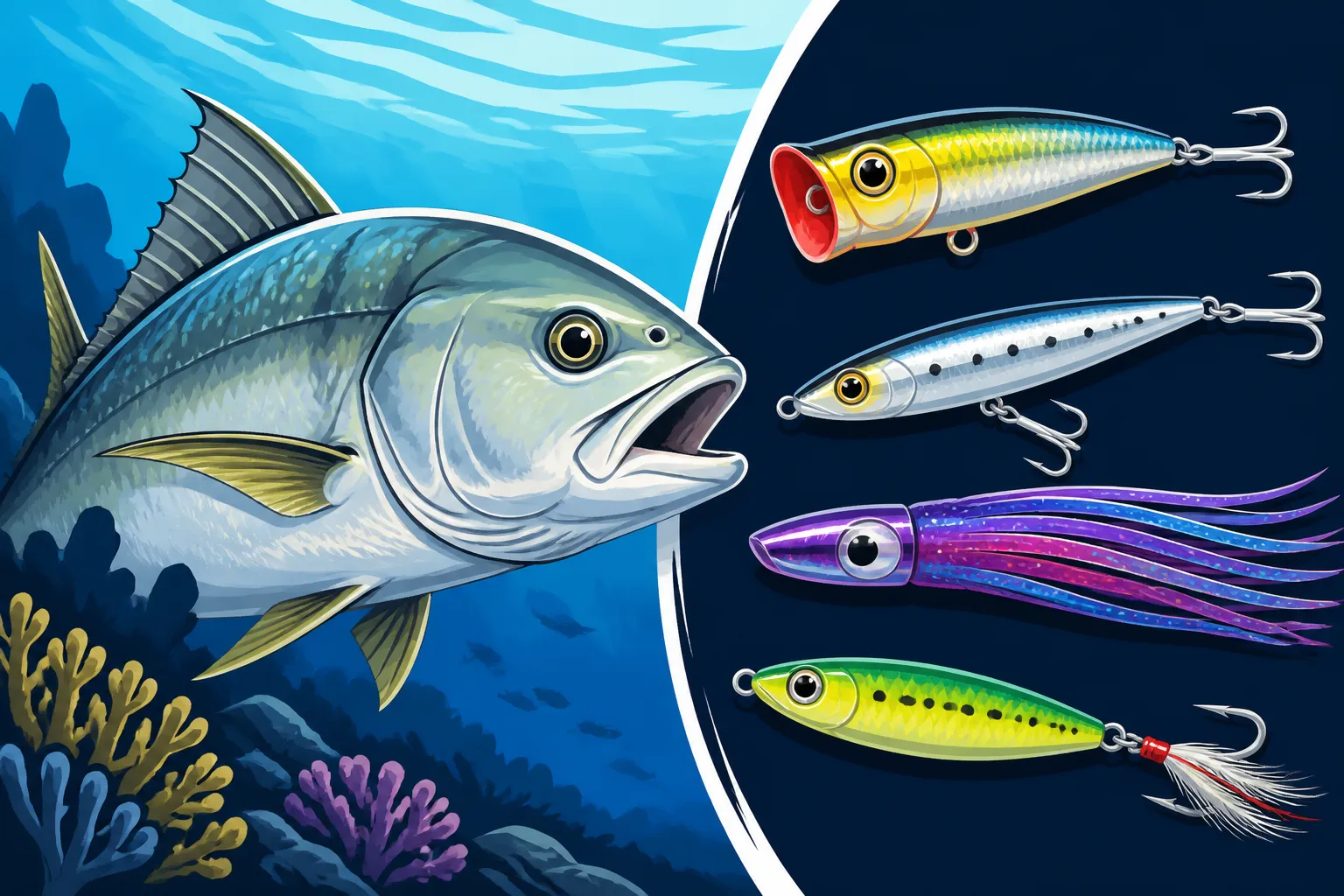
Okay, so we know uhu are grazers and prefer natural presentations. This immediately narrows down our lure selection significantly. Forget the big, flashy trolling lures. We're thinking small, subtle, and realistic. The goal is to make your lure seem like an easy, natural morsel rather than a frantic escape artist.
Soft Plastics for Subtle Presentation
When it comes to fooling a discerning uhu, soft plastics are often your best friend. They offer an incredible range of shapes, sizes, and colors that can mimic small crustaceans, worms, or even tiny pieces of detached algae. The key here is subtlety. You want something that drifts, flutters, or bounces along the bottom in a very unthreatening way.
Small grub tails, typically 1 to 2 inches long, rigged on a tiny jig head (1/8 to 1/4 ounce) are fantastic. Colors that blend with the reef, such as browns, greens, tans, or even translucent shades with flecks of glitter, often work wonders. Think natural patterns. These are especially effective for sight fishing where you can drop the lure directly in front of a feeding uhu. Another great option is a small "worm" style soft plastic, particularly those with a very thin, flexible tail that creates a lot of action with minimal movement. Brands like Berkley Gulp! offer scented options that can sometimes provide an extra edge, as uhu might be attracted to a subtle scent profile. Rigging these weightless or with a very light split shot a foot or two above the hook, allowing them to drift naturally with the current, can be incredibly effective when uhu are picking at the bottom in calmer conditions. Many anglers find a good selection of these small soft plastics on platforms like Amazon, making it easy to stock up on various colors and shapes before hitting the water.
Small Jigs for Precision and Depth
Sometimes, you need to get down to the fish quickly and accurately, especially if they're holding in deeper pockets or you're fishing from a boat. This is where small jigs come into play. While soft plastics offer a subtle flutter, jigs provide direct contact with the bottom and allow for more controlled movements.
Tiny metal jigs, often used for sabiki rigs, can be surprisingly effective. These are usually 1/4 to 1/2 ounce and can be quickly dropped into reef crevices where uhu might be foraging. The flash on the fall can sometimes attract attention, but the real trick is to work them slowly along the bottom, mimicking a small invertebrate. Feathered or bucktail jigs in very small sizes (again, 1/8 to 1/4 ounce) are also excellent choices. The natural undulation of the feathers or bucktail in the water provides an irresistible, lifelike action that's hard for a curious uhu to ignore. Again, natural colors are preferred, but sometimes a small splash of pink or chartreuse can trigger a reaction, especially if you're trying to stand out slightly. The technique here is usually a slow lift-and-drop, letting the jig settle on the bottom, then gently lifting it a few inches before letting it fall again. This disturbance can mimic a small creature stirring up the sediment, which can pique an uhu's interest. When targeting deeper reef structure, these jigs become invaluable for their ability to quickly get into the strike zone.
Spoons and Hard Baits for Flash and Vibration
While uhu aren't typically "flash-chasing" predators, there are situations where a small spoon or a micro hard bait can provoke a strike, especially when they're a bit more active or curious. These lures rely on a different type of attraction: a subtle shimmer or vibration that mimics something struggling or moving awkwardly on the reef.
Think tiny spoons, no more than 1 to 1.5 inches long, often designed for trout or panfish. These should be lightweight, perhaps 1/16 to 1/8 ounce, allowing for a slow, fluttering fall. Gold or silver spoons with a subtle wobble can sometimes catch the light in a way that sparks interest. The key is to retrieve them excruciatingly slowly, just enough to get the spoon to flutter or swing, mimicking a lost scale or a small, injured baitfish that an opportunistic uhu might investigate. Shallow-diving crankbaits are another option, but you need to select the smallest models available, ones that dive only a foot or two. These are best used in very shallow reef flats where you can retrieve them just above the coral without constantly snagging. Look for crankbaits with a tight wiggle and natural patterns, perhaps imitating a very small crab or shrimp. The subtle vibration can sometimes alert uhu to its presence. While not a primary uhu lure, having a few small spoons or micro crankbaits in your tackle box, readily available from retailers like Amazon, can sometimes save the day when other presentations aren't working. Remember that when fishing around sharp reef structure, using a robust leader is essential, so consider checking out recommendations for Best leader for uhu around structure.
Techniques for Presenting Lures to Uhu
Having the right lure is only half the battle; knowing how to present it effectively is the other, equally critical half. Uhu are not typically aggressive chargers, so your presentation needs to be subtle, natural, and often quite patient. Slamming a big, brightly colored lure in front of them is more likely to spook them than to tempt a bite.
The Art of Light Tackle and Stealth
When pursuing uhu, subtlety is your superpower. These fish, while abundant in many areas, can be surprisingly wary, especially in clear Hawaiian waters. Your tackle setup should reflect this. Opt for light spinning gear – a 6 to 7-foot rod with a fast action, paired with a small reel spooled with 6 to 10 lb braided line. A fluorocarbon leader of similar strength (6 to 10 lb) is absolutely essential. Fluorocarbon is nearly invisible in water, and its abrasion resistance will be a lifesaver around sharp coral and rocks. A good length for your leader is typically 3 to 6 feet.
Beyond your gear, your approach needs to be stealthy. If fishing from shore, walk quietly, avoid casting long shadows over the water, and approach the reef edge slowly. From a boat or kayak, minimize noise, use an electric trolling motor if possible, and make long, accurate casts that land gently without a big splash. Remember, you're trying to imitate something natural and harmless, so any sudden movements or loud noises will instantly put these fish on high alert. This delicate approach is often key to success, especially in calmer conditions or when uhu are actively grazing.
Slow Retrieves and Natural Movements
This cannot be emphasized enough: go slow. Uhu are not chasing down frantic prey. They're typically grazing, picking at things, or occasionally nipping at a passing morsel. Your lure presentation needs to mimic this behavior.
For soft plastics and small jigs, a "dead stick" or slow drag-and-pause retrieve is usually most effective. Cast your lure out, let it sink to the bottom (or just above it), and then retrieve it by slowly dragging it a few inches with your rod tip, then pausing to let it settle. Repeat this process, paying close attention to any subtle bumps or resistance. Often, a bite will feel less like a strong yank and more like the line suddenly feels "heavy" or stops moving. Think about mimicking a small crab scuttling across the bottom, then hiding, or a tiny worm burrowing. For spoons, a very slow, steady retrieve that allows the spoon to just wobble and flash is key. Avoid jerky movements unless you're trying to trigger a reaction from a particularly curious fish. The more natural and unhurried your lure appears, the more likely an uhu is to investigate and eventually commit. Mastering these slow, deliberate retrieves is crucial for success and can be applied to any kind of reef fishing in Hawaii, whether targeting uhu or other species.
Navigating Reef Structure with Lures
Fishing around Hawaii's reefs, while incredibly rewarding, comes with its fair share of challenges, especially for your tackle. Snags are an inevitable part of the game, but with a bit of strategy, you can minimize them and maximize your time fishing.
The first rule of thumb is to understand the bottom. If you can see the reef, try to keep your lure just above the most prominent structures. When using jigs or soft plastics, a slight lift of the rod tip after it touches down can prevent it from lodging into a crevice. If you feel your lure scraping or bumping the bottom too much, retrieve it slightly faster or lift your rod higher. Another trick is to use offset worm hooks with soft plastics, which makes them essentially weedless and much less prone to snagging on coral. When casting, aim for sandy pockets or channels adjacent to reef structure, then work your lure towards the structure. This way, if you do get snagged, you might be able to pull your lure free by coming at it from a different angle. If you're fishing from a boat, maintaining your position with a trolling motor or anchor can help keep your casts consistent and away from the most notorious snagging spots. It's a delicate balance between getting your lure into the fish's feeding zone and keeping it out of the reef's jaws. Always be prepared to lose a few lures; it's just part of fishing in such a vibrant, structured environment. You might find it useful to review How to read reef structure for uhu for more insights on avoiding these frustrating snags.
Maximizing Your Uhu Lure Success
Catching uhu on lures requires more than just picking the right bait; it demands an understanding of their patterns, a good dose of patience, and a willingness to adapt your strategy on the fly. These fish aren't always easy targets, but cracking the code is incredibly satisfying.
Timing and Tide Considerations
Just like with most fish, uhu activity can be influenced by the tides and time of day. While they graze constantly, certain periods might see them more actively feeding or moving into more accessible areas.
Generally, incoming or outgoing tides, especially around sunrise and sunset, tend to be productive. The moving water often stirs up food sources and can concentrate uhu in particular areas, such as channels or the edges of reef flats. As the tide changes, new areas of the reef might become exposed or submerged, creating fresh feeding opportunities. During slack tide, uhu might spread out more, making them harder to target. Early mornings and late afternoons often provide calmer conditions and lower light, which can make uhu less wary. Midday, especially on bright, sunny days, they might retreat to deeper water or more sheltered parts of the reef. However, this isn't a hard and fast rule; uhu are grazers, so they're often out and about regardless. Pay attention to local conditions – water clarity, current strength, and even the presence of other baitfish or marine life can all offer clues as to when and where to present your lures. Sometimes, the most important "tide" is the one you happen to be on when the fish decide to bite! When considering the best fishing times in general, you might want to consult a broader guide like Best Time of Year to Fish in Hawaii.
Patience and Persistence on the Reef
Let's be real: uhu can be finicky. They're not always going to hammer your lure on the first cast, or even the tenth. This is where your patience and persistence truly come into play. It's easy to get discouraged when you see fish but can't get them to bite, but a little stubbornness often pays off.
If your chosen lure isn't working, don't be afraid to switch it up. Change colors, change sizes, change the style of soft plastic, or swap to a small jig. Sometimes, a subtle change is all it takes to trigger a bite. Also, vary your retrieve. If a slow drag isn't doing it, try a very short, sharp hop, then a long pause. Experiment until you find what they respond to on that particular day. If you're sight fishing, try to present your lure well ahead of the fish's path, allowing it to sink naturally before the uhu sees it. Remember the legal requirements too: before you start fishing, always check the Hawaii uhu daily bag limit and Hawaii uhu minimum size limit to ensure you're fishing responsibly. The reward for this patience isn't just a beautiful fish; it's the satisfaction of cracking the code on a challenging species, and truly understanding the nuances of the Hawaiian reef environment.
Here's a handy table summarizing some key lure choices and techniques for uhu on the reef:
| Lure Type | Recommended Size | Effective Colors | Retrieve Style | Best Conditions |
|---|---|---|---|---|
| Soft Plastic Grubs | 1-2 inches (e.g., Berkley Gulp!, Z-Man) | Greens, Browns, Tans, Translucent w/ flecks | Slow drag & pause, subtle flutter along bottom | Sight fishing, calm clear water, light current |
| Small Worms | 1-3 inches (thin profiles) | Natural tones, clear, sometimes chartreuse | Weightless drift, very slow twitch & pause | Ultra-clear water, wary fish, light currents |
| Tiny Jig Heads | 1/8 – 1/4 ounce | Match soft plastic, lead/natural | Slow lift & drop, bouncing along structure | Deeper pockets, moderate current, precise drops |
| Feathered/Bucktail Jigs | 1/8 – 1/4 ounce | White, Chartreuse, Pink, Natural | Gentle hops, slow steady retrieve | Mimicking small invertebrates, slightly active fish |
| Micro Spoons | 1 – 1.5 inches | Gold, Silver, Copper | Extremely slow flutter, steady retrieve | Active curiosity, scattered fish on flats |
| Shallow Crankbaits | < 2 inches (tight wobble) | Natural baitfish, small crab | Very slow, steady retrieve just above reef | Shallow flats, aggressive uhu (less common) |
Disclaimer
Fishing regulations, including bag limits, size restrictions, and closed seasons for specific species like uhu, can change. It is always your responsibility to consult the most current Hawaii Division of Aquatic Resources (DAR) regulations before heading out. This guide is for informational purposes only and does not supersede official regulations.