Best water temperature for bottomfishing
One of the most frustrating things about bottomfishing is when you know there are fish down there, but they just aren't biting. It’s a common scenario in Hawaii’s deep, rich waters. Often, the unseen culprit isn't your bait or technique, but the water temperature. This guide will help you unravel the mystery of optimal water temperatures for bottomfishing in Hawaii, providing insights to make your next trip more productive.
The Unseen Influence of Water Temperature on Bottomfish Behavior
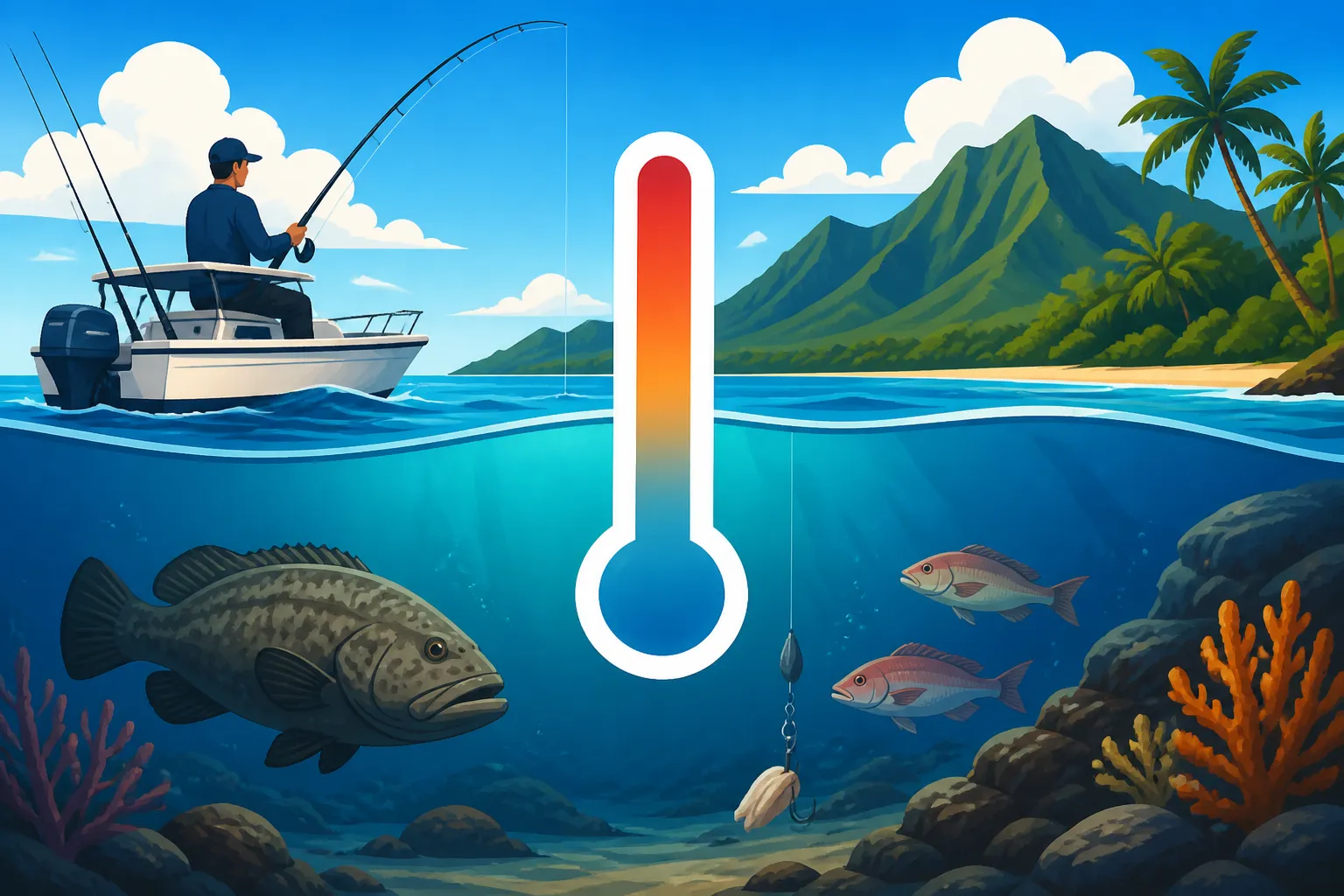
It's easy to assume that deep-water fish are somehow insulated from temperature shifts, but that's far from the truth. The reality is, even subtle changes in water temperature can drastically impact their metabolism, activity levels, and where they choose to hang out. Think about it like us: on a sweltering day, we're less inclined to run a marathon, right? Fish are no different. Their entire biology is finely tuned to specific temperature ranges. When the water is too cold, their metabolism slows down, making them sluggish and less likely to chase a bait. Too warm, and it can stress them, push them deeper to find cooler, more oxygenated water, or even send them fleeing to entirely different areas. This dynamic interplay between temperature and their very existence is why understanding it is paramount for successful bottomfishing.
Why Temperature Dictates the Deep Blue Dinner Bell
The very physiological processes of cold-blooded fish are directly tied to the surrounding water temperature. A fish's metabolic rate, digestive speed, and even its immune system function optimally within a narrow thermal window. Outside of this comfort zone, they become stressed. This stress often manifests as reduced feeding activity or a migration to more suitable conditions. For bottomfish, which might inhabit vast, complex structures like seamounts or deep ledges, finding that perfect thermal band is critical for their survival and, consequently, for our success as anglers. Understanding these fundamental principles helps us move beyond simply looking for structure and towards targeting the "live" structure where conditions are optimal for feeding fish.
How Thermoclines Become Bottomfish Hotspots
One of the most critical concepts for understanding water temperature in relation to bottomfishing is the thermocline. Imagine a distinct, often invisible, layer in the water column where the temperature changes rapidly with depth. Above it, the water might be significantly warmer; below it, much colder. These thermoclines aren't just lines on a graph; they're often vibrant ecosystems. Baitfish and plankton tend to congregate around these temperature breaks because they concentrate nutrients and offer varying degrees of comfort. And where the baitfish go, the predators, including our prized bottomfish, often follow. A strong thermocline can act like an invisible barrier or a superhighway, directing marine life and creating prime feeding grounds. Recognizing and locating these hidden temperature boundaries is a huge step toward consistently finding those deep-dwelling targets, as they often create natural ambush points or areas of increased food availability for species that comprise the rich Bottomfish Species of Hawaii.
Optimal Temperature Zones for Hawaii's Prized Bottomfish
Hawaii boasts an incredible diversity of bottomfish, each with its own thermal preferences. Knowing these general guidelines can drastically improve your chances of success.
Opakapaka and Onaga: The Deepwater Favorites
When we talk about Hawaii bottomfish, names like Opakapaka (Pink Snapper) and Onaga (Ruby Snapper) are usually at the top of the list. These deepwater beauties are highly sought after, and they certainly have their temperature preferences. Generally, Opakapaka thrive in cooler waters, typically found between 48°F and 58°F (9°C to 14°C). You'll often find them congregating in depths ranging from 180 to 600 feet, especially where cooler water upwells or currents bring nutrient-rich flows over deep rocky ledges and pinnacles. Onaga, with their stunning ruby red coloration, prefer a slightly warmer, but still cool, band, often from 52°F to 62°F (11°C to 17°C). They tend to inhabit similar depths, sometimes even deeper than Opakapaka, looking for that sweet spot where food is abundant and the water isn't too warm to stress them out. Targeting these specific temperature pockets, often identified on your fishfinder or through prior knowledge of the area's bathymetry, is key to success when you're Bottomfishing in Hawaii for these premier species.
Ehu, Kalekale, and Hapu'upu'u: Mid-Depth Dwellers
Moving a bit shallower, or perhaps just to slightly different thermal layers, we find other fantastic bottomfish species like Ehu (Squirrelfish Snapper), Kalekale (Silvermouth Snapper), and Hapu'upu'u (Sea Bass or Hawaiian Grouper). Ehu are a bit more adaptable, but generally prefer waters in the 55°F to 65°F (13°C to 18°C) range, often found from 100 to 400 feet. They tend to stick to rocky structures and ledges where they can ambush smaller prey. Kalekale are usually found in slightly shallower to mid-depths, often between 58°F and 68°F (14°C to 20°C), making them a common catch when exploring depths of 80 to 250 feet. They too favor areas with good structure and current over reefs and rubble zones. Hapu'upu'u, being larger predatory fish, can be found across a wider range of depths and temperatures, but their comfort zone for active feeding is often in the 50°F to 60°F (10°C to 16°C) band, especially around deep pinnacles and seamounts from 200 to 800 feet. Understanding these subtle differences in preference for each species helps you fine-tune your approach when you're targeting a specific type of fish.
Tools and Techniques for Tracking Water Temperature
Knowing the ideal temperatures is one thing; finding them is another. Thankfully, modern technology and timeless wisdom can help.
Harnessing Technology: Sonar and Satellite Data
In today's world, you're not guessing about water temperature; you're measuring it. Modern fishing boats are often equipped with advanced fish finders and sonar systems that not only show you the bottom structure but also display water temperature at various depths. Getting familiar with your fish finder and specifically your sonar settings for finding structure off Kona or wherever you are fishing is critical. Many units have a temperature sensor on the transducer, providing real-time surface temperature. More sophisticated units might even log temperature profiles as you move, giving you a detailed picture of the water column. You can find excellent quality marine electronics, including advanced fish finders and temperature sensors, on Amazon.
Beyond your boat's electronics, satellite-derived sea surface temperature (SST) charts are an invaluable resource. Websites and apps provide detailed, near real-time maps showing temperature breaks, eddies, and upwellings that can indicate prime fishing grounds. These charts don't show subsurface temperatures directly, but they often reveal trends and patterns that influence the entire water column. Before you even leave the dock, checking these resources can give you a significant edge, helping you pinpoint potential hotspots without burning unnecessary fuel.
The Art of Observation and Local Knowledge
While technology is incredible, never underestimate the power of observation and local knowledge. Experienced local anglers have a wealth of information about how currents, tides, and seasonal changes affect water temperatures and, consequently, where the fish will be. They might know about a specific area where a deep, cool current consistently brings in baitfish, or a particular time of year when certain bottomfish move shallower or deeper in response to broader ocean patterns. This kind of nuanced understanding of local currents and fish behavior is often gained over decades on the water.
Pay attention to signs on the water itself: changes in water clarity, current lines, or even bird activity can sometimes hint at unseen thermal boundaries or bait concentrations. Sometimes, just talking story with other fishermen at the ramp or harbor can provide golden nuggets of information that no high-tech gadget can offer. Combining what you see, what you hear, and what your electronics tell you creates the most comprehensive picture, especially when trying to understand how barometric pressure affects Hawaii bottomfishing, as these subtle environmental shifts can impact both temperature and fish activity.
Adjusting Your Strategy to Temperature Fluctuations
Since water temperatures are dynamic, your fishing strategy needs to be too.
Depth Adjustments and Target Species Shifts
One of the most direct ways to adapt to water temperature is by adjusting your fishing depth. If your primary target, say Opakapaka, isn't biting at their usual 300-foot mark, and your electronics show that the optimal temperature band has shifted deeper or shallower due to currents or weather, then you adjust your approach. You might need to drop down to 400 feet or come up to 250 feet to find that sweet spot. Remember that the deep-drop fishing strategy involves meticulous depth control, making temperature tracking even more vital.
Sometimes, a significant temperature shift might mean your initial target species isn't in the area at all, but another species that prefers the new temperature range is. For example, if the water is unusually warm, you might find more Ehu or Kalekale at shallower depths than anticipated, while the deeper-dwelling Onaga have moved further offshore or into deeper canyons. Being flexible and willing to explore different depths and target species based on real-time temperature data is a hallmark of a successful bottomfisher. Always be ready to consult a guide like Hawaii Bag and Size Limits by Species to ensure you're compliant with regulations for any species you encounter.
Bait and Lure Selection for Temperature Zones
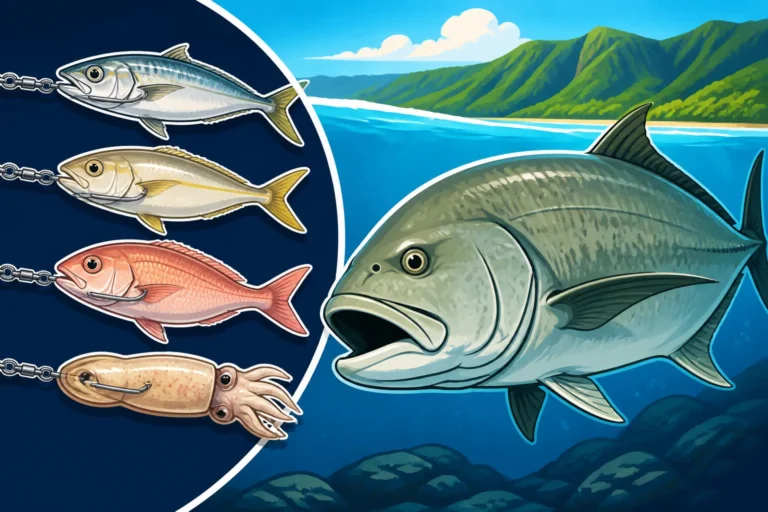
Water temperature doesn't just dictate where fish are; it also influences their feeding behavior and what they're willing to eat. In cooler, less active waters, bottomfish might be more sluggish and prefer a slower-moving, larger, more enticing bait offering. This is where a juicy squid or a whole opelu might shine, presented directly on the bottom. You can find excellent selections of jigs and rigs for bottomfishing on Amazon, often with varying weights and colors that are perfect for different depths and light penetration. Consider referring to the Best Jig Weight for Bottomfishing in Deep Water to match your tackle to the conditions.
Conversely, in slightly warmer, more active conditions, fish might be more aggressive and respond well to jigs or faster-moving baits that mimic fleeing prey. The color of your lures can also play a role, as light penetration changes with depth and water clarity, which can be influenced by temperature. Always carry a variety of baits and lures, including different sizes and colors, and don't be afraid to experiment based on the temperature profile you're encountering. Remember, the goal is to make your offering as appealing as possible to fish in their current mood and environment. Many charter captains operating Best Bottomfishing Charters in Hawaii are experts at adapting bait and lure choices based on current conditions.
The Impact of Seasonality and Weather on Bottomfish Temperatures
Hawaii's ocean temperatures aren't static; they ebb and flow with the seasons and immediate weather.
Seasonal Trends and Deepwater Upwellings
Hawaii's waters might seem perpetually warm, but even here, seasonality plays a significant role in deepwater temperatures. During the cooler winter months, surface waters cool down, which can sometimes lead to a deeper mixing of the water column, bringing cooler water closer to the surface in some areas, or pushing thermoclines deeper in others. Conversely, the warmer summer months can lead to stronger, more defined thermoclines, concentrating fish in narrower bands. This is why understanding the Best Time of Year to Fish in Hawaii is crucial for any serious angler.
Beyond the general seasonal trends, localized phenomena like deepwater upwellings—where cold, nutrient-rich water from the deep ocean rises to shallower depths—can create temporary hotspots. These upwellings, often driven by prevailing winds and currents, bring a flush of food and ideal temperatures for bottomfish, attracting them like a magnet. Keeping an eye on oceanographic reports or even consulting experienced charter captains can give you insights into these larger-scale movements.
Storms, Currents, and Their Thermal Wake
Weather events and ocean currents are powerful forces that constantly reshape the underwater thermal landscape. A strong storm, even if it just affects the surface, can create significant turbulence that mixes the upper layers of the ocean, potentially disrupting thermoclines or pushing warmer or cooler water into new areas. Major currents, like the North Pacific Equatorial Current or various eddies that swirl around the Hawaiian Islands, are constantly transporting vast bodies of water with distinct temperature signatures. A persistent eddy bringing cooler water close to a seamount could create an exceptional bottomfishing opportunity. Conversely, a strong current pushing unusually warm water into a deep fishing ground could scatter the fish. Understanding these dynamic forces, even generally, helps you interpret your temperature readings and predict how fish might react. Always check marine forecasts and current charts before heading out, and consider how a recent weather event might have altered the conditions beneath the waves. This knowledge is especially useful when considering when is the Best Time of Year to Book a Bottomfishing Charter.
Considerations for Specific Bottomfishing Scenarios
Different fishing environments call for nuanced approaches to temperature.
Fishing Near Submerged Seamounts and Ledges
Submerged seamounts and deepwater ledges are prime real estate for bottomfish, and water temperature plays a critical role in their productivity. These structures often interact with ocean currents in ways that create localized upwellings or eddies, concentrating baitfish and creating thermal anomalies. When fishing a seamount, always pay attention to which side of the structure is facing the prevailing current or receiving upwelling water, as these areas often hold the most active fish. The temperature gradient around these features can be very pronounced, with one side being significantly cooler or warmer than the other. This is where your onboard temperature sensors are invaluable, allowing you to trace the contours of the seamount while simultaneously tracking the temperature to find the most productive zones. You might even find specialized gear for precision depth and temperature sensing on Amazon to aid in this.
Night Fishing and Deep Drop Strategies
Night fishing for bottomfish, particularly for species like Opakapaka and Onaga, can be incredibly productive. While surface temperatures drop after sunset, the deeper thermal layers remain relatively stable. However, fish behavior still changes. Some bottomfish species become more active foragers at night, moving along ledges and pinnacles in search of prey. The optimal temperature ranges still apply, but the fish might be distributed differently or respond to different presentations. When deep dropping for these species, perhaps using electric reels and specialized rigs, it's even more crucial to hit that exact temperature zone. You're not just looking for depth; you're looking for the right depth that corresponds to the preferred temperature. Many anglers incorporate Jigging for Bottomfish in Hawaii during these nocturnal excursions. Some anglers even use specialized light sticks or glow-in-the-dark baits, which you can also find on Amazon, believing that the visual appeal can be enhanced in the low-light conditions of the deep, especially within productive thermal layers.
Table: Optimal Temperature Ranges for Common Hawaii Bottomfish
| Species | Preferred Temperature Range (°F) | Preferred Temperature Range (°C) | Typical Depth Range (feet) | Key Habitat |
|---|---|---|---|---|
| Opakapaka | 48°F – 58°F | 9°C – 14°C | 180 – 600 | Deep rocky ledges, pinnacles |
| Onaga | 52°F – 62°F | 11°C – 17°C | 200 – 800 | Deep canyons, seamounts |
| Ehu | 55°F – 65°F | 13°C – 18°C | 100 – 400 | Rocky structures, ledges |
| Kalekale | 58°F – 68°F | 14°C – 20°C | 80 – 250 | Mid-depth reefs, rubble |
| Hapu'upu'u | 50°F – 60°F | 10°C – 16°C | 200 – 800 | Deep pinnacles, seamounts |
| Gindai (Squirrelfish Snapper) | 55°F – 65°F | 13°C – 18°C | 150 – 500 | Ledges, steep drop-offs |
(Note: These are general ranges; actual preferences can vary based on local conditions and individual fish behavior.)
Key Takeaways for Successful Bottomfishing in Varying Temperatures
Mastering the art of bottomfishing in Hawaii isn't just about dropping a line and hoping for the best; it's a science, and understanding water temperature is a huge piece of that puzzle. By recognizing how temperature influences fish metabolism, baitfish distribution, and feeding patterns, you can significantly increase your chances of success. Always prioritize current data, whether it's from your boat's electronics, satellite charts, or valuable local insights. Remember that fish are constantly on the move, chasing comfort and food, and those perfect temperature zones are dynamic. Be flexible, adapt your depths, and vary your bait and lure presentations. With a keen eye on the water temperature, you'll start to unlock the secrets of Hawaii's incredible deepwater fisheries. Many anglers find high-quality gear for monitoring temperature and fishing effectively, like specialized depth sounders or deep-drop rigs, right on Amazon, making it easier than ever to equip yourself for precise temperature-based fishing.
Disclaimer
Fishing involves inherent risks, and conditions in Hawaii's ocean can change rapidly. Always prioritize safety, check local weather and marine forecasts, and adhere to all Hawaii Fishing Regulations Explained. The information provided here is for general guidance only and should not replace professional advice or personal experience. The author and publisher are not responsible for any incidents or injuries that may occur while fishing.