How to catch holdover peacock bass in Hawaii
Many anglers visiting or living in Hawaii dream of battling powerful offshore species, often overlooking the thrilling freshwater opportunities that lie inland. One such challenge is the elusive "holdover" peacock bass, a warier, often larger fish that requires a different approach than their smaller, more naive counterparts. This guide will dive deep into the specific strategies and gear you need to successfully target and land these magnificent freshwater trophies in Hawaii's unique aquatic environments.
Understanding Hawaii's Holdover Peacock Bass
When we talk about peacock bass in Hawaii, especially the bigger, more challenging ones, the term "holdover" comes up a lot. It’s not just angler jargon; it describes a significant difference in the fish themselves, and understanding this distinction is key to finding success on the water. These aren't your average, recently stocked, eager-to-bite juveniles; these are the veterans of the reservoir, the wise old grandpas of the peacock bass world.
What Exactly is a "Holdover" Peacock Bass?
A "holdover" peacock bass is essentially a fish that has survived multiple seasons in the wild, adapting to its environment and growing significantly larger and smarter than its younger, newly stocked relatives. Imagine a fish that has seen every lure, felt the sting of a hook before, and learned to be incredibly wary. That's a holdover. While younger peacock bass might strike aggressively at almost anything that moves, holdovers are often much more selective, cautious, and prone to staying hidden in heavy cover.
Their extended time in the reservoir means they've also experienced varying water conditions, seasonal changes, and angling pressure. This cumulative experience makes them harder to fool, requiring more finesse, patience, and a precise understanding of their habits. They typically weigh more and have developed incredible strength, making the fight an epic challenge once you manage to hook one. Targeting these fish isn't just about catching a bass; it's about outsmarting a truly seasoned predator.
Where to Find Them: Key Habitats and Behaviors
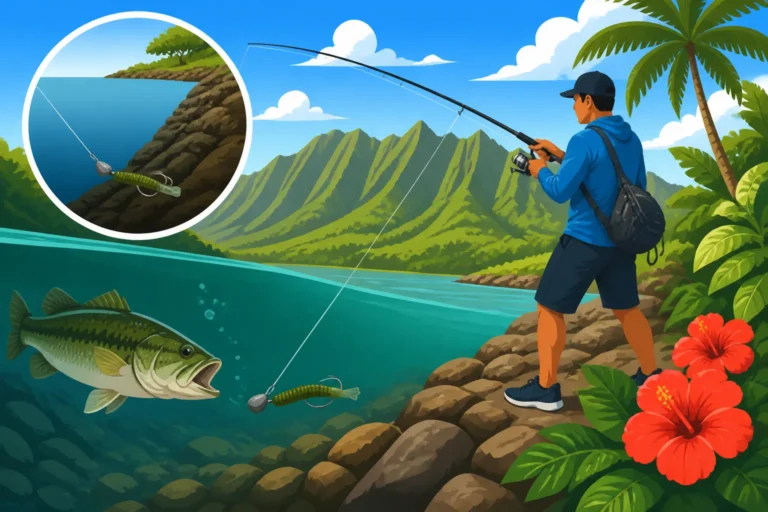
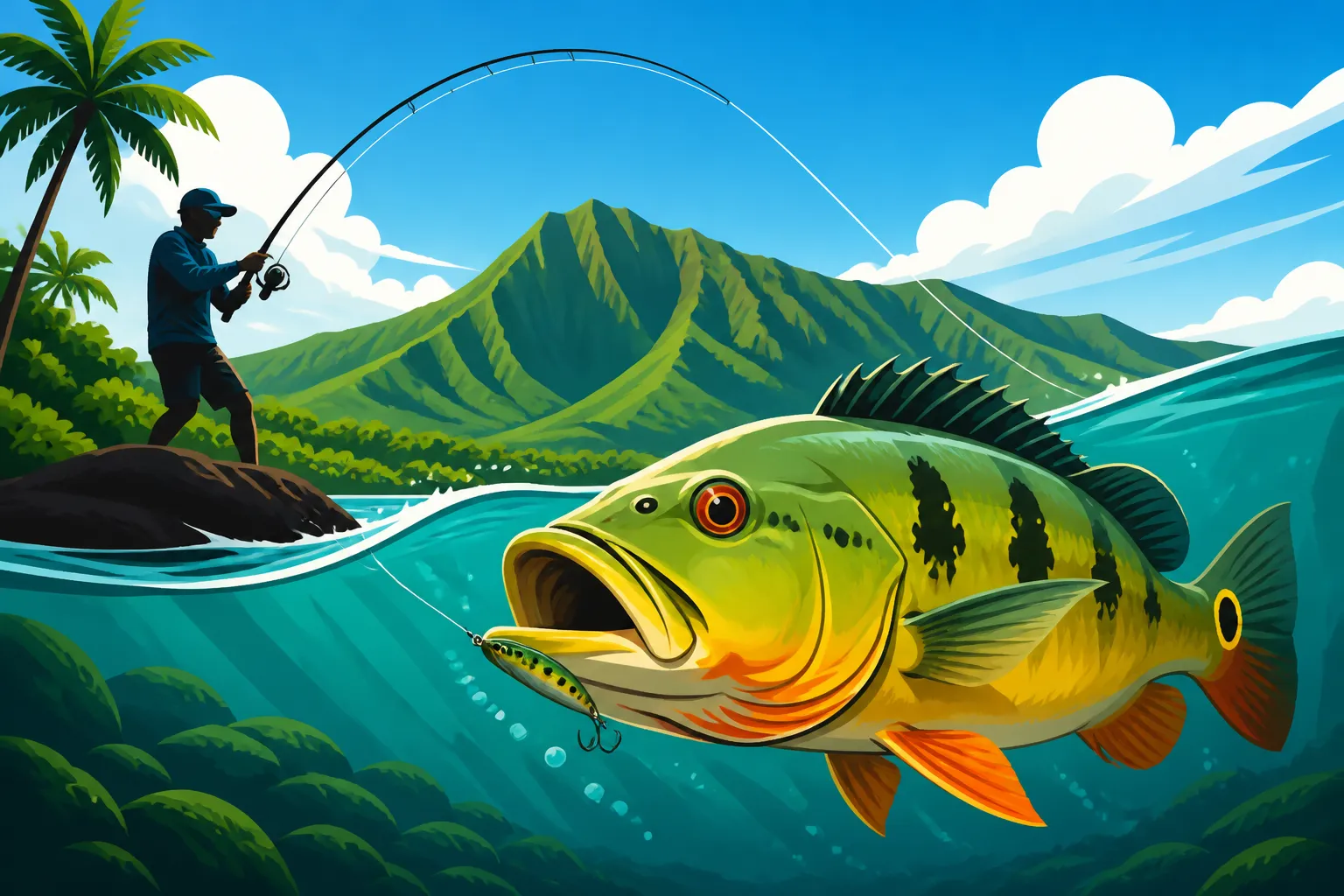
Holdover peacock bass gravitate towards specific types of habitat that offer both ample forage and crucial protection. Unlike their smaller brethren who might roam more openly, these larger fish are often deeply entrenched in heavy cover. Think dense submerged brush, fallen trees, rock piles, deep weed lines, and sharp drop-offs along the shoreline or in the main channel. They prefer areas where they can ambush prey without exposing themselves, and where they can quickly retreat if threatened.
In Hawaii's freshwater systems, particularly places like Wahiawa Reservoir Fishing Guide, these features are abundant. Holdovers will often patrol the edges of these structures, darting out to strike at unsuspecting baitfish before returning to cover. They are also known to hold in deeper pockets or along steep banks where the water temperature is more stable and they can easily move between depths. Pay close attention to points, coves, and areas where feeder creeks enter the main body of water, as these can concentrate baitfish and attract larger bass. Understanding their preference for these protected, ambush-friendly spots is the first step in locating them.
Essential Gear and Tackle for Holdover Peacock Bass
You can't go into a battle unprepared, and targeting holdover peacock bass in Hawaii is definitely a battle. These fish are powerful, live in unforgiving environments, and will test your gear to its limits. Forget your finesse ultralight setup; we’re talking about robust equipment designed to handle serious fights and pull big fish out of heavy cover.
Rods, Reels, and Lines for the Challenge
When selecting your rod for holdover peacock bass, think power. A medium-heavy to heavy power baitcasting rod, typically 6'6" to 7'6" in length, is your best friend. This kind of rod offers the backbone necessary to drive hooks through a peacock bass's bony mouth and leverage them away from snaggy cover. The moderate-fast action will give you the casting accuracy you need for tight spots while maintaining enough flex to absorb powerful runs.
Pair that rod with a high-quality baitcasting reel. Look for a reel with a strong drag system and a fast retrieve ratio (7.1:1 or higher) to quickly pick up slack and gain control of a hooked fish. A fast retrieve is also excellent for working topwater lures effectively. While spinning gear can work, baitcasters offer superior casting accuracy and power for heavier lines and lures in dense vegetation. For your line, braided line is almost non-negotiable. Opt for 30-50lb test braid for its incredible strength, zero stretch (which aids in hooksets), and superior abrasion resistance against rough structure. Because braid is highly visible, you'll want to tie on a 20-30lb fluorocarbon leader (about 2-3 feet long) for stealth. Fluorocarbon is nearly invisible underwater and holds up well against sharp teeth and rough cover. You can find a fantastic selection of these robust rods, reels, and braided lines on platforms like Amazon, ensuring you have the right tools for the job.
Lures and Baits That Entice Wary Fish
Holdover peacock bass have seen it all, so your lure selection needs to be thoughtful. While they will sometimes smash a loud, flashy lure, often a more subtle and realistic presentation is required. Topwater lures are incredibly effective, especially during low light conditions at dawn or dusk, or on overcast days. Poppers, walk-the-dog lures, and prop baits mimicking injured baitfish can draw explosive strikes. For deeper-holding fish, try suspending jerkbaits or lipless crankbaits, retrieved with an erratic stop-and-go action that imitates a fleeing baitfish.
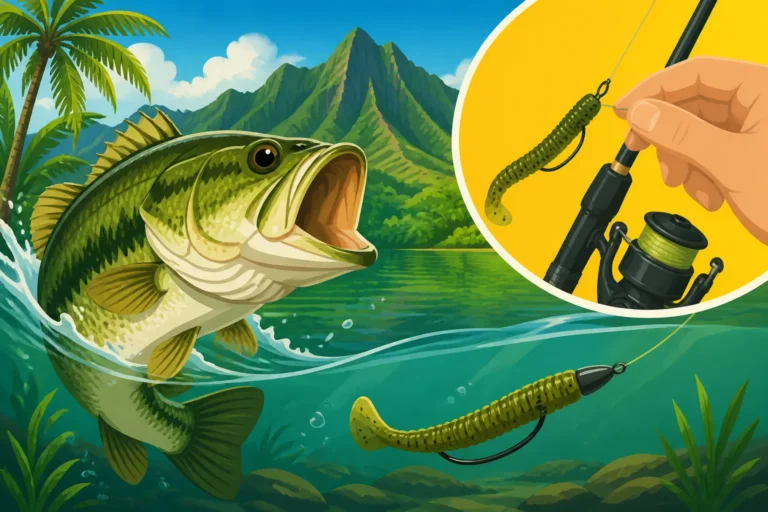
When the fish are tucked deep into cover or near the bottom, jigs and soft plastics become indispensable. Heavy-skirted jigs (1/2 oz to 1 oz) with creature baits or craw trailers, pitched right into the heart of dense vegetation, can trigger reaction strikes. Soft plastic swimbaits, Texas-rigged worms, or Senko-style baits worked slowly and deliberately can also tempt wary fish. Don't be afraid to experiment with natural colors like greens, browns, and black, especially in clearer water. For the truly elusive giants, live bait, such as small tilapia or goldfish (where permitted), can be incredibly effective, often irresistible to a trophy-sized peacock bass. Remember to check local regulations regarding live bait use. Many anglers find great deals and a wide variety of these specialized lures and baits on Amazon, often with reviews from other peacock bass enthusiasts.
Advanced Techniques for Catching Wary Holdovers
Chasing holdover peacock bass isn't just about having the right gear; it's about mastering the techniques that allow you to effectively present your lure and fight these powerful fish in challenging environments. This is where patience, precision, and an understanding of fish behavior truly pay off.
Precision Casting and Working Heavy Cover
The biggest difference between catching a freshly stocked peacock bass and a wily holdover often comes down to presentation. Holdovers live in heavy cover for a reason – it offers protection and ambush points. This means you need to get your lure into those tight, often impenetrable-looking spots. Precision casting techniques like pitching and flipping are absolutely critical. You’re not just casting; you’re placing your lure exactly where you think a big bass might be hiding, often with only inches to spare.
Once your lure is in the strike zone, the retrieve needs to be deliberate and controlled. For jigs and soft plastics, this means slowly working the bait along the bottom, bumping it off structure, and pausing it to mimic a vulnerable creature. For topwater lures, a walk-the-dog or chugging retrieve might be effective, but often a slower, more deliberate action is better for drawing out a wary fish. Don't be afraid to let your lure sit for several seconds after it lands near cover; sometimes the lack of movement is what finally convinces a holdover to strike. And when that strike comes, be prepared for a violent hookset and an immediate fight to pull the fish out of the very cover it calls home.
Reading the Water and Seasonal Adjustments
Successfully targeting holdovers also involves becoming a student of the water itself. Water clarity, temperature, and even subtle currents can dictate where these fish are holding and how active they might be. Clearer water often demands more natural colors and a more stealthy approach, while stained or murky water might allow for bolder presentations and louder lures. Water temperature profoundly impacts their metabolism; during cooler periods, holdovers tend to be deeper and less active, requiring slower retrieves, while warmer water can bring them into shallower feeding zones.
Seasonal adjustments are also paramount. During the peacock bass spawn, typically in late spring or early summer, these fish become highly territorial and can be found guarding nests in shallower, protected areas. After the spawn, they might retreat to deeper water to recover before resuming their feeding patterns. Understanding the seasonal movements and how Hawaii Fishing Seasons by Month affects these fish will allow you to adapt your approach. Pay attention to the subtle cues – changes in baitfish activity, the presence of birds, or even the way the wind is blowing bait into a specific cove. Early mornings and late evenings, or heavily overcast days, are often the most productive times, as the reduced light encourages these predators to move out of their deepest cover. Investing in a good pair of polarized sunglasses, easily found on Amazon, can greatly help you read the water and spot subtle changes or even the fish themselves.
Regulations and Responsible Angling Practices
Fishing in Hawaii, whether it's for offshore giants or elusive freshwater peacock bass, comes with a set of rules designed to protect our precious aquatic resources. Being a responsible angler means understanding and adhering to these regulations, not just to avoid penalties, but to ensure healthy fisheries for future generations.
Knowing the Rules for Freshwater Fishing in Hawaii
First and foremost, if you plan to fish for peacock bass or any other freshwater species in Hawaii, you absolutely need a valid freshwater fishing license. It's not optional, and the penalties for fishing without one can be quite stiff. You can find detailed information on how to obtain one, including costs and requirements, by looking up Hawaii freshwater license cost for residents or Hawaii freshwater license cost for nonresidents. The Hawaii Division of Aquatic Resources (DAR) sets the rules, and it’s important to familiarize yourself with their current guidelines, which cover things like legal fishing methods, specific gear restrictions, and whether live bait is permitted in certain waters.
For peacock bass, because they are an introduced species, there aren't typically restrictive bag or size limits; in fact, their harvest is often encouraged to manage their population and reduce pressure on native species. However, it's always best to double-check the latest regulations before you head out. Additionally, be mindful of public access points and respect private property. Many of Hawaii's reservoirs and freshwater areas have specific access rules, so be sure you're fishing in a legal and permissible area. A great resource for all this information is the Hawaii freshwater fishing license and rules guide.
Practicing Catch and Release for Future Generations
While peacock bass are not native to Hawaii and their presence helps diversify the angling experience, practicing responsible catch and release, especially for larger holdovers, is a fantastic way to ensure the sustainability of trophy-class fish. These bigger fish are the genetic backbone of the population, and releasing them allows them to continue growing and potentially spawn, creating more opportunities for anglers.
When you do hook into one of these magnificent fish, handle it with care. Try to land it quickly to minimize exhaustion, and if possible, keep the fish in the water while you remove the hook. If you must take it out for a photo, do so quickly, supporting its body horizontally with both hands, and return it to the water gently. Avoid dragging fish on rocks or dry surfaces. For deeply hooked fish, consider cutting the line as close to the hook as possible rather than tearing vital organs. Proper catch and release techniques significantly increase a fish's survival rate, ensuring that other anglers, and even you on a future trip, have the chance to experience the thrill of catching a Hawaiian holdover peacock bass.
| Characteristic | Newly Stocked Peacock Bass | Holdover Peacock Bass |
|---|---|---|
| Size | Smaller, often pan-sized to a few pounds | Larger, often 3-5+ pounds, reaching trophy sizes |
| Age | Young, recently introduced | Older, survived multiple seasons |
| Behavior | Less wary, aggressive, more prone to strike | Warier, cautious, selective, structure-oriented |
| Habitat | More open water, less entrenched in heavy cover | Heavy cover, deeper water, submerged structure, drop-offs |
| Fight | Strong, but often less sustained | Extremely powerful, sustained runs, hard fighting |
| Lure Preference | Less picky, responds well to various presentations | More selective, prefers realistic or subtle presentations |
Disclaimer
This article is for general informational purposes only and does not constitute professional advice. Laws, prices and regulations vary by location and change over time. Consult a qualified professional for guidance on your specific situation.