Hawaii state record ulua weight
If you've spent any time on the Hawaiian shoreline, you've heard the whispers, seen the photos, and felt the immense pull towards one of our most iconic and formidable game fish: the ulua. Many anglers dream of the day they hook into one of these ocean titans, but the thought of what truly constitutes a record-breaking ulua can feel almost mythical. This guide isn't just about a number; it's about the legend behind the Hawaii state record ulua weight, what it takes to reach that pinnacle, and how you might approach the challenge of chasing such a magnificent creature.
The Quest for the Giant Trevally (Ulua) in Hawaii
The ulua, also known as the Giant Trevally (GT) in other parts of the world, isn't just a fish; it's an institution in Hawaii. These powerful predators command respect from even the most seasoned anglers, and for good reason. Their sheer strength and unwavering will to fight make every hook-up an epic battle, often pushing gear and grit to their absolute limits.
Understanding Ulua and Their Allure
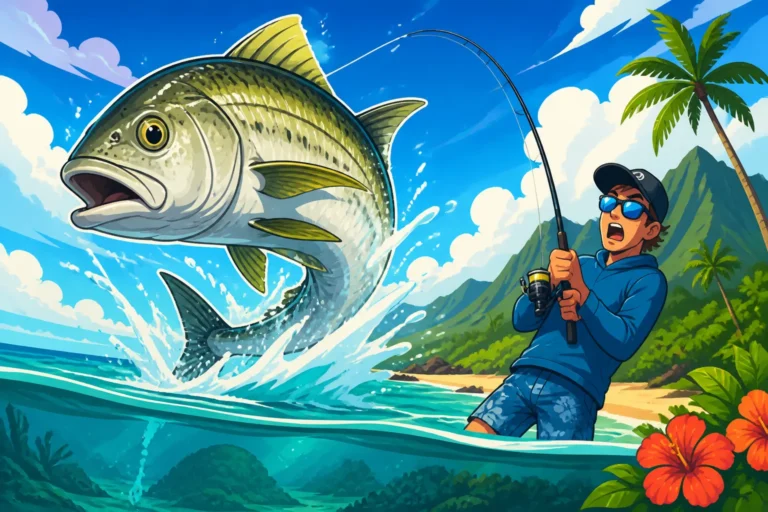
Ulua are characterized by their broad, powerful bodies, blunt heads, and large, predatory eyes. They are apex predators of the reef and nearshore environments, known for ambushing prey with explosive speed and incredible force. Their diet is varied, ranging from smaller reef fish and crustaceans to squid and even juvenile turtles. What makes them so appealing to anglers isn't just their size, but the brutal, relentless fight they put up. Imagine being hooked up to a small car that suddenly decides to drag you into the ocean. That's the feeling of a big ulua. They'll strip line off your reel at an alarming rate, dig deep, and use every bit of structure to their advantage, making landing one a true badge of honor.
Beyond the fight, ulua hold significant cultural importance in Hawaii. They are revered for their strength and are often seen as a symbol of power and resilience. Many local anglers practice what's known as "ulua fishing," a dedication that often involves specialized techniques, heavy tackle, and countless hours spent on the shoreline, often at night, waiting for that one thunderous strike. It's a passion that runs deep, connecting anglers to the ocean and to generations of fishing tradition.
What Makes a Record-Breaking Ulua
So, what separates a simply large ulua from a true record-breaker? It often comes down to a perfect storm of genetics, environment, and sheer luck. These fish are long-lived, and the biggest specimens have spent decades growing to their formidable size, navigating countless dangers, and consuming an incredible amount of food. A record-breaking ulua isn't just heavy; it's typically an older, mature fish that has successfully established itself in a prime hunting territory, often around deep reef structures, submerged lava flows, or current-swept points where food is abundant.
Factors like consistent food supply, lack of predation in their later years, and access to deep, cool waters contribute to their growth. While all ulua are powerful, these truly gargantuan fish possess an almost supernatural strength that can completely overwhelm unprepared anglers and inadequate gear. It’s not uncommon to hear tales of massive ulua straightening hooks, snapping heavy lines, or spooling reels in seconds. They are a testament to the raw power of nature, and catching one requires not just skill, but an immense amount of preparation and respect for their capabilities.
Unveiling the Hawaii State Record Ulua Weight
For many Hawaii anglers, the state record ulua weight is the ultimate benchmark, a mythical figure that represents the pinnacle of what's possible from our waters. It's a weight that inspires awe and fuels countless fishing expeditions.
The Official Record
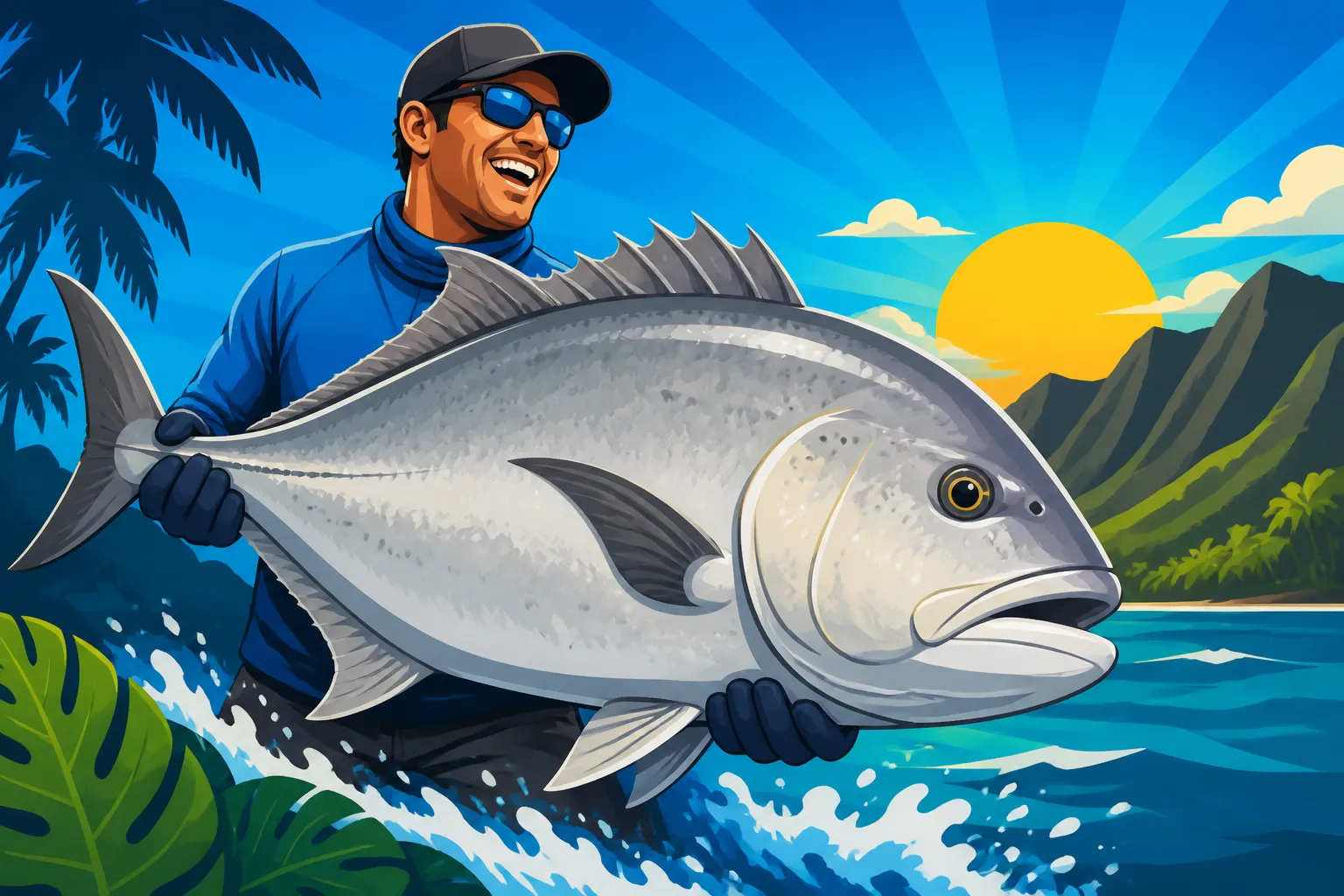
The current Hawaii state record for ulua (Giant Trevally) stands at an astounding 191 pounds. This magnificent fish was caught by an angler named John Moniz, off the shores of the Big Island. Imagine the sheer power and size of a fish that weighs as much as an adult person, fought and brought to shore with rod and reel! This record isn't just a number; it represents a legendary feat of angling skill, perseverance, and a deep understanding of these powerful fish and their habits. It speaks to the incredible potential of Hawaii's unique marine environment to produce true giants of the sea.
Capturing a fish of this magnitude is a testament to perfect execution—the right bait, the right location, the right time, and the sheer physical and mental endurance to battle such a beast. It’s a moment etched into Hawaii's fishing history, demonstrating that while challenging, the dream of a truly monumental ulua is indeed attainable. Anglers continue to chase this dream, knowing that the islands still hold secrets and untold giants in their azure depths.
Comparing Ulua Sizes: Trophy vs. Record
To truly appreciate the enormity of the 191-pound state record, it helps to put it into perspective against what most anglers consider a "trophy" ulua. For many, landing an ulua over 50 pounds is a significant achievement and certainly qualifies as a trophy. A fish breaching the 80 to 100-pound mark is considered a truly exceptional catch, often representing a lifetime's goal for dedicated shore casters. These are the fish that dominate conversation at the harbor and become legendary among local fishing crews.
Here’s a quick comparison to illustrate the scale:
| Ulua Size Category | Approximate Weight Range (lbs) | Angler Experience | Challenge Level |
|---|---|---|---|
| Standard Catch | 15-40 | Beginner to Intermediate | Moderate |
| Trophy | 50-90 | Experienced | High |
| Exceptional Trophy | 100-150 | Highly Experienced | Very High |
| State Record | 191 | Legendary | Extreme |
As you can see, the state record isn't just "big"; it's in a league of its own, far surpassing what most anglers will ever encounter. It takes an incredible amount of dedication, specialized gear, and a bit of pure fortune to even have a chance at such a monumental catch. For information on general ulua sizes, you can check out Ulua Average Size in Hawaii.
Strategies for Targeting Trophy Ulua
Catching a world-record ulua is incredibly rare, but if you're serious about increasing your chances of landing a truly massive trophy, there are specific strategies and preparations you need to consider. This isn't your casual fishing trip; it's a dedicated pursuit that demands heavy-duty gear, precise techniques, and an understanding of where these giants lurk.
Gear Up for Battle
Forget your light spinning rods; targeting trophy ulua requires specialized, heavy-duty tackle that can withstand immense pressure. Your rod needs to be a beast, typically a very long, stout surf rod designed for casting heavy weights and handling large fish. Think rods rated for 50-100 pound test line, or even higher, with a strong backbone to turn a powerful fish. For reels, you'll need a large capacity, high-quality conventional reel, or a heavy-duty spinning reel built for big game. It absolutely must have a smooth, powerful drag system that can be locked down tight without seizing under pressure. Many anglers find reliable options from reputable brands on platforms like Amazon, where they can compare specs and read reviews.
Line choice is critical. Most serious ulua anglers opt for heavy braided line, often in the 80 to 130-pound test range, for its incredible strength-to-diameter ratio and lack of stretch, which helps with hook sets at long distances. This is typically backed by a heavy monofilament or fluorocarbon leader, sometimes 200 to 400 pounds, to withstand the abrasive Hawaiian reef and the ulua’s rough mouth. Terminal tackle includes extra-strong, corrosion-resistant swivels, heavy-duty snap swivels, and most importantly, super-strong, large circle hooks or J-hooks, often in sizes ranging from 16/0 to 20/0, depending on the bait. These aren't cheap items, but compromising on quality when chasing a fish of this caliber is a recipe for heartbreak. Remember, the weakest link in your setup is usually where the biggest fish will find their freedom. You might find a good selection of specialized hooks for ulua fishing on Amazon.
Prime Locations and Conditions
Finding a trophy ulua is often about knowing where they live and when they feed. These giants prefer areas with strong currents, deep drop-offs, and plenty of structure where they can ambush prey. Think rocky points, submerged lava fingers, deep channels between reefs, and the edges of offshore banks. On the Big Island, areas like South Point (Ka Lae) and certain stretches of the Kona Coast are legendary for their ulua potential. On Oahu, places like Kaena Point and specific remote shoreline access points offer similar opportunities, though these spots often require significant effort to reach and fish safely.
Timing is just as crucial. Ulua are often most active during periods of low light—dawn, dusk, and especially throughout the night. Many local anglers swear by fishing during the new moon or full moon phases, when tidal movements are strongest, stirring up bait and making predators more active. Strong currents and choppy water can also be advantageous, as these conditions often disorient baitfish and provide cover for ulua to hunt. Always check the tide charts and moon phase calendars before planning your trip. For more insights on where to find these fish, consider reading up on Best Night Fishing Spots in Hawaii or How to Catch Ulua from Shore.
Effective Techniques and Baits
For trophy ulua from shore, the "sliding bait" rig is king. This technique involves casting a heavy lead sinker out as far as possible, then sending a live or dead bait down the main line on a separate slider rig, allowing the bait to swim freely and naturally. The bait sits on the bottom or just above it, drawing the attention of patrolling ulua. Popular baits include whole papio (juvenile trevally), akule (mackerel scad), opelu (mackerel scad), moi (Pacific threadfin), or large strips of cut bait like skipjack tuna (aku) or marlin. The fresher the bait, the better. Some anglers even use small live eels.
Another effective technique, especially from a boat or kayak in certain spots, is heavy jigging or dropping large chunks of bait directly into deep holes or along ledges. When conditions are right, and baitfish are schooling near the surface, topwater lures like large poppers or stickbaits can also provoke explosive strikes from aggressive ulua. However, for sheer power and size, the sliding bait technique with large, live baits remains a go-to for many land-based ulua hunters. No matter your chosen method, patience is paramount. You might wait hours, even days, for that one single, earth-shattering bite that signifies a record-class fish has taken your offering. Sliding Bait Techniques for Ulua offers more detailed information on this specific method.
The Thrill and Responsibility of Ulua Fishing
Chasing giant ulua isn't just about the catch; it's about the experience, the connection to the ocean, and the deep respect for these powerful creatures. It's a journey filled with anticipation, adrenaline, and often, humility.
The Fight of a Lifetime
Hooking into a truly large ulua is an experience that transcends mere fishing. It's a primal battle, a test of will and strength against a formidable opponent. The initial strike is often violent, a brutal rip that can nearly pull the rod from your hands. Then comes the run—a blistering dash that strips line off your reel with terrifying speed and force. Your drag will scream, your rod will bend in ways you didn't think possible, and your muscles will burn as you try to turn the fish and gain line back. It's a tug-of-war where every inch gained feels like a victory, and every inch lost is a potential defeat.
Anglers often describe the fight as an endurance sport. You might be locked in battle for 20 minutes, an hour, or even longer, all while standing on uneven lava rock in the dark, or bracing against the rail of a boat. The adrenaline surge is immense, and the focus required is absolute. It's during these moments that you truly appreciate the power of these fish and why they are so revered. Successfully bringing a big ulua to hand, even if not a record, is an unforgettable achievement that earns you profound respect among your peers.
Conservation and Responsible Angling
With such powerful and sought-after fish, responsible angling is not just a suggestion; it's a necessity for the health of our oceans and the future of ulua fishing. Many local anglers are deeply committed to conservation, especially when it comes to larger ulua. While specific regulations vary, there's a strong unwritten code of ethics within the ulua fishing community. Larger ulua, especially those over 50-60 pounds, are often older breeding stock and play a vital role in maintaining healthy populations. For this reason, many dedicated ulua fishermen practice catch-and-release for these giants, preferring to photograph, measure, and safely return them to the ocean to continue their role in the ecosystem.
It’s crucial to know and follow all official Hawaii Bag and Size Limits by Species and other regulations set by the Hawaii Department of Land and Natural Resources (DLNR). This includes respecting closed areas like Marine Life Conservation Districts (MLCDs) and understanding Hawaii Fishing Regulations Explained. If you do decide to harvest a fish, ensure it meets all legal requirements and is utilized fully. Handling large fish with care, minimizing their time out of water, and using proper release techniques (like cutting the line close to the hook if deep-hooked) are all part of being a responsible angler. This ensures that future generations can also experience the thrill of chasing these incredible fish.
Documenting Your Catch (Even if Not a Record!)
Even if your ulua isn't going to break the state record, documenting your catch properly is essential, whether for personal bragging rights or to share with the fishing community. For serious trophy hunters, accurate measurements and good photographs are key. If you plan to release a fish, measure its length and girth quickly while minimizing its time out of the water. Have a good quality camera ready to snap a few clear photos from different angles. Make sure the fish looks healthy and vibrant in the pictures.
If you believe you've caught a potential record-breaker or a fish you intend to weigh for a local club, understanding proper protocol is vital. This includes finding a certified scale, having witnesses, and adhering to specific rules for documentation. Even for personal bests, keeping a log of the location, time, tide, bait, and fight duration can provide invaluable information for future trips. It's all part of the journey and the passion for these incredible fish that call Hawaii home.
Disclaimer
This article is for general informational purposes only and does not constitute professional advice. Laws, prices and regulations vary by location and change over time. Consult a qualified professional for guidance on your specific situation.