Hawaii state record opakapaka weight
There's nothing quite like the thrill of chasing a personal best, let alone a state record, especially when you're talking about the deep, mysterious waters surrounding our beautiful Hawaiian islands. Many anglers dream of seeing their name in the record books, and for those who pursue the delectable opakapaka, that dream often involves venturing into the profound depths where these prized pink snapper reside. If you've ever wondered about the biggest opakapaka ever hauled from our local waters and what it takes to even dream of matching it, this guide is for you. We're diving deep into the world of this sought-after bottomfish, exploring the gear, the grit, and the regulations involved in chasing such an impressive trophy.
Opakapaka: The Elusive Pink Snapper of Hawaii's Depths
Opakapaka, also known as the pink snapper, is one of Hawaii's most iconic and highly prized bottomfish. For many local anglers and those visiting with a taste for the islands' bounty, catching an opakapaka is a true badge of honor. But it's not just about the fight; their flaky, delicate white meat makes them a staple on dinner plates and in high-end restaurants across the state. They represent the mystique of our deep-sea fishing traditions.
What Makes Opakapaka So Special?
What sets opakapaka apart isn't just their striking rosy-pink color, often fading to a silvery belly. It's their habitat and the challenge involved in reaching them. These aren't fish you're going to catch from the shoreline or even in shallow reefs. They dwell in the abyssal plains and rocky ledges far offshore, typically in depths ranging from 180 to over 600 feet. This deep-water residency demands specialized gear and techniques, making every successful catch feel like a hard-earned victory. The battle is often less about a screaming reel and more about the methodical retrieve from the crushing pressures below, testing both angler and equipment. If you're curious about other deepwater dwellers, take a look at our guide on Bottomfish Species of Hawaii.
They're not just beautiful; they're resilient. Opakapaka can grow to impressive sizes, offering a substantial meal and a memorable experience. Their popularity is a testament to their exceptional flavor and the unique challenge they present to fishermen. They're a true gem of our marine ecosystem, and catching one, especially a large one, is an experience most anglers cherish.
Where These Deepwater Beauties Call Home
Opakapaka prefer rocky, uneven bottom structures, ledges, and drop-offs that provide both shelter and prime hunting grounds for their prey. You'll often find them lurking where currents bring food, ambushing smaller fish, squid, and crustaceans. These specific deepwater features are scattered around all the main Hawaiian Islands, but knowing exactly where to drop a line requires experience, good sonar, and often, a bit of local knowledge passed down through generations.
They are typically found in cooler waters, hence their preference for deeper environments. The precise depth can vary depending on the time of day, current, and season, but a general range of 200 to 400 feet is often a good starting point for targeting them. They are not solitary creatures, often found in schools, which means if you find one, you might find many more! Understanding Opakapaka Pink Snapper Habits can really help narrow down your search. This also means that anglers must be mindful of regulations to ensure these schools remain healthy for the future.
Chasing the Hawaii State Record Opakapaka Weight
For many, the mention of "state record" brings visions of immense fish, monumental battles, and a place in history. The Hawaii state record for opakapaka is a testament to the dedication and skill of our local anglers and the incredible productivity of our deep waters. It's a significant achievement that inspires others to push their limits and explore the ocean's depths.
The Benchmark: What's the Current Record?
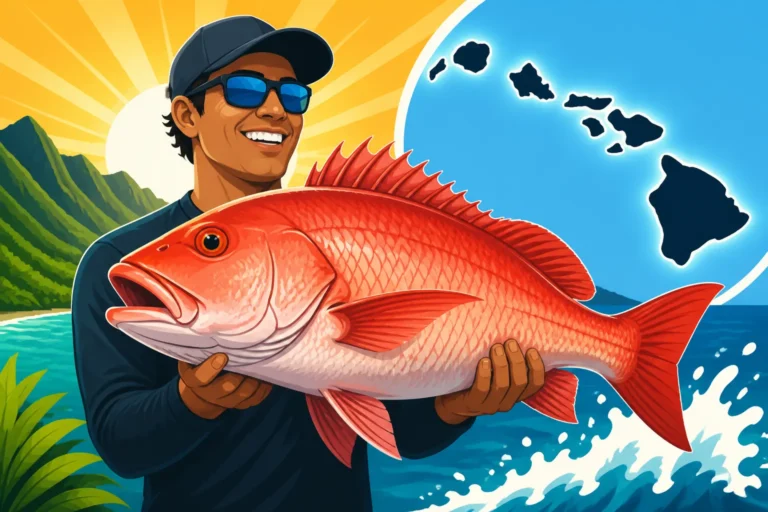
Drumroll please! The Hawaii state record for opakapaka, a truly magnificent fish, stands at 33 pounds, 1 ounce. This incredible catch showcases the potential for truly massive opakapaka in our waters and represents a pinnacle achievement for any bottom fisherman. Imagine the sheer effort and precision required to bring a fish of that size up from hundreds of feet below the surface. It's not just about the brute strength, but the technique, the patience, and the right gear working in harmony. This record highlights the fact that while many opakapaka might be smaller, there are giants lurking in the deep, just waiting for the opportune moment.
To put that into perspective, the average opakapaka you might catch on a typical bottomfishing trip usually ranges from 5 to 15 pounds. A 33-pound fish is truly a behemoth, a once-in-a-lifetime catch that exemplifies the rich marine life we are so fortunate to have here in Hawaii.
The Unique Challenges of Deepwater Record Attempts
Chasing a deepwater record, especially for a species like opakapaka, comes with its own set of formidable challenges that go far beyond what a typical inshore or even offshore trolling angler might face.
First, the sheer depth is a battle in itself. Dropping a line hundreds of feet down, feeling the subtle bites, and then manually or electrically reeling up a heavy fish against immense water pressure is physically demanding. Line stretch becomes a huge factor, making it hard to feel the initial bite. Specialized braided lines with minimal stretch are essential, but even then, it's a long way up.
Second, identifying productive spots is crucial. You can't just throw a line anywhere. You need advanced sonar to pinpoint those specific rocky ledges and drop-offs where opakapaka congregate. This often involves hours of searching, reading the bottom contours, and understanding how currents influence fish behavior. It’s a bit like searching for a needle in a haystack, but with a highly specialized metal detector. Many anglers rely on experienced captains and their carefully guarded waypoints, often acquired over decades of fishing these same waters.
Third, avoiding unwanted species can be tricky. While opakapaka are the target, the deep sea is home to many other fish, some of which are aggressive bait-stealers or simply not what you're after. Sorting through bycatch while maintaining focus on your target species adds another layer of complexity. However, it's also common to hook into other delicious bottomfish like Onaga Ruby Snapper Habits or even some of the deeper-dwelling ulua.
Finally, the pressure change on fish brought up from extreme depths requires careful handling to ensure their survival if they are to be released, and to preserve their quality for the table or for record submission. Without proper techniques, fish can suffer from barotrauma, where their swim bladder expands, making it difficult for them to return to depth. Even if keeping, swift and proper handling is key to preserving meat quality, especially for a record contender.
Equipping Yourself for a Record Opakapaka Hunt
If the dream of that 33-pound, 1-ounce opakapaka has you itching to hit the deep waters, you'll need more than just good intentions. This isn't a job for your everyday casting rod. Deepwater bottomfishing for trophy opakapaka demands specialized gear designed to handle the immense pressures and heavy loads involved.
The Right Gear: Rods, Reels, and Lines for the Deep
Forget your light tackle; we're talking about serious horsepower for deep dropping.
- Rods: You'll need stout, heavy-duty rods, often rated for 50-80 lb test line or even heavier. These rods are usually shorter and have a powerful butt section with a sensitive tip to detect subtle bites hundreds of feet down. They need to withstand the constant pressure of heavy sinkers and the powerful pulls of deep-dwelling fish. Look for rods specifically marketed for deep dropping or heavy bottomfishing.
- Reels: This is where the game changes dramatically. While some hardcore anglers might opt for massive conventional reels and manually crank, the reality of deep dropping for opakapaka, especially when chasing records, often involves electric reels. These aren't just for convenience; they make it physically feasible to retrieve heavy weights and large fish from extreme depths without exhausting the angler. Brands like Daiwa and Shimano offer excellent electric reels that are favorites among serious bottomfishermen. These reels need immense line capacity and powerful drag systems. You can find robust options for your deep-dropping setup on platforms like Amazon.
- Line: Braided line (superline) is virtually non-negotiable for deep dropping. Its zero-stretch properties allow you to feel even the lightest bite from hundreds of feet down, and its thin diameter for a given breaking strength reduces drag in the water, allowing your weight to sink faster and more vertically. A typical setup might involve 60-100 lb test braided line. You'll need a significant amount, often 600-1000 yards, to reach those deep zones. A fluorocarbon leader, typically 80-150 lb test, is then tied to the end of your main line for abrasion resistance and to present your bait more naturally.
Mastering Deep Dropping Techniques and Baits
Having the right gear is only half the battle; knowing how to use it effectively to coax a record-sized opakapaka is the other.
- Rigging for Success: A standard deep drop rig for opakapaka often involves a "chicken rig" or a variation of it. This usually consists of multiple snelled hooks (often 3-5) spaced out above a heavy lead weight, ranging from 1 to 5 pounds or more, depending on depth and current. The hooks are usually circle hooks, which are excellent for deepwater fish as they tend to hook in the corner of the mouth, increasing landing rates and making release easier if desired. The snelled sections should be made of heavy monofilament or fluorocarbon, again for abrasion resistance against sharp rocks and fish teeth. For specific rigging tips, check out Best Techniques for Deep Drop Bottomfishing.
- Bait Choices: Opakapaka are not overly picky, but fresh, natural baits are always best. Common choices include squid, pieces of cut fish (like skipjack tuna or mackerel scad), or whole small fish. Some anglers even use shrimp or crab. The key is to have durable bait that will stay on the hook during the long descent and attract attention once it reaches the bottom. When you're fishing for other bottom species like onaga, the Best Bait for Deep Drop Onaga Fishing might also be effective for opakapaka. Having a good variety on hand can make all the difference.
- Locating Your Prey: As mentioned, good sonar is your best friend. Look for distinct marks on the bottom that indicate structure or schools of fish. Often, captain will mark "ledges" or "piles" on their GPS. Once you've found a promising spot, it's about precise boat positioning to ensure your rig drops directly onto the target zone. Drifting is common, allowing you to cover ground, but sometimes anchoring directly over a productive spot is necessary, especially if currents are strong. Remember, these fish prefer certain What water temperature bottomfish prefer at specific How deep bottomfish species live, so understanding oceanography can give you an edge.
- The Bite and the Retrieve: The bite of an opakapaka can range from a gentle tap to a solid thud. With so much line out, it takes practice to distinguish between a bite and the rig dragging on the bottom. Once you feel that definitive bite, engage your reel (or start cranking!) and begin a steady retrieve. Avoid pumping the rod too aggressively, as this can increase the risk of pulling the hook or causing barotrauma. A slow, steady retrieve is usually best. Many experienced anglers will often use jigging spoons, like those you can find on Amazon, to entice strikes, especially when Jigging for Bottomfish in Hawaii.
From Hook to History: Landing and Documenting Your Trophy
Landing a potential record-breaking opakapaka is just the beginning. The steps you take after the fish is in the boat are crucial, not only for preserving its quality but also for ensuring your catch qualifies for state record consideration. This involves careful handling, precise documentation, and a commitment to sustainable fishing practices.
Proper Handling for Deepwater Species
Bringing a fish up from hundreds of feet below the surface can be rough on it. Deepwater fish like opakapaka experience rapid pressure changes, which can cause their swim bladders to expand dramatically. This phenomenon, known as barotrauma, can make fish bloated and unable to swim back down if you intend to release them.
If you plan to keep your opakapaka, especially if it's a potential record:
- Bleed it immediately: Once in the boat, cut the gills to bleed the fish out quickly. This greatly improves the quality of the meat and keeps it fresher.
- Ice it down: Get the fish on ice as quickly as possible. A proper ice bath will drop its core temperature, further preserving meat quality and firmness.
- Handle with care: Treat your potential record with respect. Avoid dropping it, tossing it around, or otherwise bruising the flesh. Every detail matters for a trophy fish.
For anglers practicing catch and release, especially for smaller or non-target deepwater fish, vent tools (often found on Amazon) are essential. These tools allow you to gently deflate the swim bladder, enabling the fish to swim back to its natural depth. Knowing when to use one and how to do it properly is a critical skill for responsible deep-sea anglers.
Navigating the Record Submission Process
Thinking you've landed a state record? That's exciting! But there's a strict process to follow to ensure your catch is officially recognized. Don't just show off your photos; you need to adhere to official guidelines.
Here’s a general rundown of what's typically required for a state record submission:
- Official Weigh-In: Your fish must be weighed on a certified scale. This means a scale that has been inspected and calibrated for accuracy, usually found at marinas, tackle shops, or designated weigh stations. The weighmaster will be an impartial party.
- Documentation: You'll need clear, high-quality photographs of the fish. These should include:
- The entire fish clearly visible.
- The fish on the certified scale with the weight visible.
- The angler with the fish (optional but good for showing scale).
- Photos that clearly show the species' identifying features (fin shapes, color patterns) to confirm it is indeed an opakapaka.
- Measurements: You'll need to provide accurate length and girth measurements.
- Witnesses: Ideally, you should have at least one, if not two, witnesses present during the weigh-in and documentation process who can attest to the catch and the process.
- Application Form: The Hawaii Division of Aquatic Resources (DAR) will have an official application form that must be filled out completely and accurately, providing all requested details about the catch, including time, location, gear used, and angler information.
- Tackle Verification: Your rod, reel, and line may need to be inspected to ensure the catch was made in accordance with fair fishing practices and appropriate gear standards.
It's a detailed process, but it's vital to maintain the integrity of state records. Always check the latest guidelines from the Hawaii DLNR Division of Aquatic Resources for the most up-to-date requirements. And remember to adhere to all Hawaii Fishing Regulations Explained and Hawaii Bag and Size Limits by Species even when chasing records.
Sustainable Practices for Future Generations
The pursuit of trophy fish like the record opakapaka is thrilling, but it must go hand-in-hand with a deep commitment to conservation. Our marine resources are precious, and it's our kuleana (responsibility) to ensure they remain healthy for future generations of anglers.
- Respect Limits: Always adhere to the established bag and size limits for opakapaka and all other species. These limits are put in place based on scientific data to ensure sustainable populations.
- Minimize Waste: If you are keeping fish, utilize as much of the catch as possible. Don't just take the fillets; consider using frames for soup or other culinary purposes.
- Support Research: Be aware of and support efforts by organizations and government agencies like the DAR that conduct research on opakapaka and other bottomfish populations. The more we understand, the better we can protect.
- Ethical Angling: Practice ethical angling by using appropriate gear, avoiding excessive bycatch, and releasing unwanted fish quickly and carefully, using dehooking tools and vent tools where necessary.
- Choose Reputable Charters: If you're going out on a charter to target opakapaka, select one that demonstrates a strong commitment to sustainable fishing practices and adherence to all regulations. Many Best Bottomfishing Charters in Hawaii pride themselves on these ethics.
By embracing these principles, we can all contribute to a vibrant and healthy fishery, ensuring that the dream of catching a record-breaking opakapaka remains a possibility for years to come.
| Characteristic | Opakapaka (Pink Snapper) | Onaga (Ruby Snapper) | Ehu (Red Snapper) | Kalekale (Silvermouth) |
|---|---|---|---|---|
| Typical Depth | 180-600 feet | 600-1,200 feet | 150-600 feet | 300-900 feet |
| Appearance | Rosy pink, silvery belly | Brilliant red, long tail | Orange-red, large eyes | Silvery-pink, large mouth |
| Max Size | Up to 30+ lbs | Up to 30 lbs | Up to 15 lbs | Up to 20 lbs |
| Flavor | Delicate, flaky, mild | Rich, firm, delicate | Mild, moist | Mild, firm |
| Record | 33 lbs, 1 oz | 48 lbs, 8 oz | 15 lbs, 14 oz | 20 lbs, 8 oz |
Disclaimer
This article is for general informational purposes only and does not constitute professional advice. Laws, prices and regulations vary by location and change over time. Consult a qualified professional for guidance on your specific situation.