When uhu spawn in Hawaii
One of the most common questions I get from fellow anglers, especially those just getting into reef fishing here in Hawaii, is about uhu – our beautiful parrotfish. It can be tricky to figure out when certain fish are most active or, even more importantly, when they're in a sensitive spawning phase. This guide is here to shed some light on the uhu's reproductive cycle, helping you understand when these vibrant fish spawn in Hawaii and what that means for your fishing plans.
Understanding Uhu: More Than Just a Pretty Fish
Uhu, or parrotfish as they're known elsewhere, are incredibly important to Hawaii's reef ecosystems. They're like the gardeners of the sea, constantly grazing on algae that grows on corals, which helps keep our reefs healthy and vibrant. If you've ever watched an uhu feeding, you'll see them scraping algae off rocks and coral with their beak-like teeth, leaving behind distinctive scrape marks. This grazing action prevents algae from overgrowing and suffocating our precious corals.
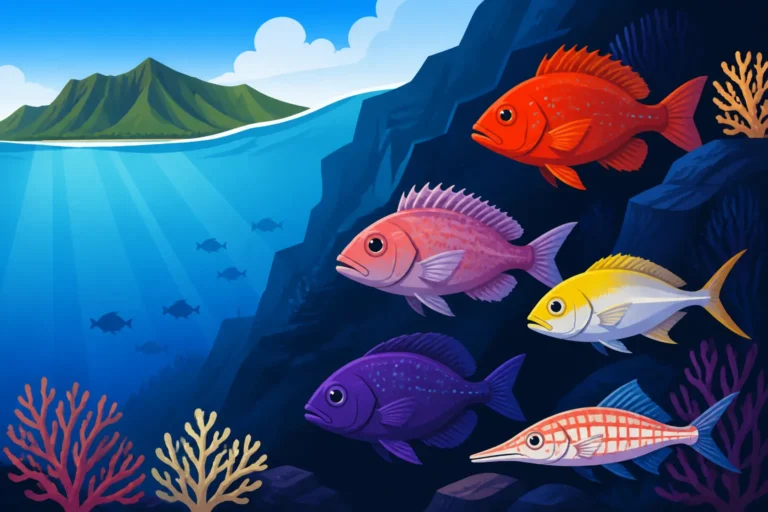
There are several species of uhu found in Hawaiian waters, and they come in a dazzling array of colors. From the deeper dwelling species to those that frequent the shallow reef flats, each plays a vital role. Understanding their general behavior and biology is the first step to appreciating their spawning patterns. They're often seen in small groups, methodically working their way across the reef, and are known for their ability to change sex throughout their lives, a fascinating aspect of their biology that impacts their breeding dynamics.
The Role of Uhu in Hawaii's Reef Ecosystem
Beyond their stunning appearance, uhu are foundational to the health of our local reefs. Their constant munching on algae isn't just a quirky habit; it's a critical process that allows corals to thrive. Without uhu and other herbivores, aggressive algae species could quickly outcompete and smother slow-growing corals, turning vibrant reef habitats into algal-dominated landscapes. This delicate balance is why discussions about uhu populations, including their spawning and fishing practices, are so important to local conservation efforts and sustainable fishing.
Think of it like this: if you have a garden, you wouldn't just let weeds take over, right? Uhu are the natural weed-pullers of the ocean, ensuring the coral flowers can get enough sunlight and grow strong. Their contributions extend beyond grazing; they also produce vast amounts of fine sand as a byproduct of digesting coral and rock while feeding, contributing to our beautiful white sand beaches. So, when we talk about fishing for uhu, it’s not just about the catch, but about respecting their place in the larger ecosystem.
Life Cycle and Behavior of Parrotfish
Uhu have a complex life history. Many species are protogynous hermaphrodites, meaning they start their adult lives as females and can later transition into males. This sex change is often triggered by social cues, like the absence of a dominant male in a group. This dynamic ensures that there's always a male available for reproduction within a local population. They typically mature relatively quickly and can live for several years, depending on the species and environmental conditions.
Their feeding behavior is quite distinctive. You can often spot them by the scraping sounds they make underwater as they feed. This continuous feeding is crucial, and it’s why reef health is so tied to healthy uhu populations. Knowing these basics, including their habits, can also give you clues about where to find them when you're out fishing, though observing their spawning behavior requires a bit more specific knowledge. For a broader understanding of other reef dwellers, check out Reef Fish Species Identification Guide for Hawaii.
The Spawning Cycle of Uhu in Hawaiian Waters
Now, let's get to the heart of the matter: when do uhu spawn in Hawaii? While exact timings can vary slightly depending on the specific species of uhu and local environmental factors like water temperature and moon phase, there's a general pattern that anglers and conservationists observe. Uhu typically engage in spawning activities throughout the year in Hawaii's warm tropical waters, but often show peaks in activity during certain months, particularly during the warmer summer months.
Spawning events usually occur in aggregations, where large numbers of fish gather in specific areas, often along reef edges or channels, to release their eggs and sperm. These aggregations can be quite spectacular, with colorful fish displaying courtship rituals. This is a critical time for their populations, as successful spawning ensures the next generation of uhu. Therefore, understanding these periods is vital for responsible angling and preserving our marine resources.
General Spawning Seasons and Peak Activity
While some uhu species might spawn year-round, many exhibit heightened spawning activity during the summer months, roughly from May through September. During this period, the warmer water temperatures and longer daylight hours appear to be favorable conditions for reproduction. However, it's not a rigid schedule; occasional spawning can occur outside this peak window. These peaks are generally tied to specific moon phases as well, often around the full moon or new moon, which can influence tidal currents that help disperse eggs and larvae.
It's during these peak spawning times that uhu can be more vulnerable to fishing pressure, as they are often concentrated in predictable locations and focused on reproductive activities rather than evading predators or anglers. This makes it particularly important for us to be mindful of our impact during these sensitive periods. The specific timings can also be influenced by larger climatic patterns, like El Niño or La Niña, which subtly shift ocean conditions.
Factors Influencing Uhu Spawning Behavior
Several environmental factors play a crucial role in triggering and influencing uhu spawning behavior. Water temperature is a primary driver; warmer waters generally correlate with increased metabolic activity and reproductive readiness. The lunar cycle is another significant factor, with many reef fish, including uhu, timing their spawning aggregations with specific moon phases. The tides associated with these moon phases can aid in dispersing eggs and larvae away from the reef, increasing their survival chances by reducing predation on the immediate spawning grounds.
Availability of food resources and overall reef health also contribute to successful spawning. A healthy reef with abundant algal growth provides the necessary energy for fish to reproduce. Furthermore, the presence of suitable spawning sites – often specific reef formations, channels, or drop-offs – is critical. These areas provide current patterns that are beneficial for egg dispersal. Observing these conditions can often give you clues about when and where spawning might be taking place.
Signs of Spawning Activity to Observe
If you're out on the water or snorkeling around the reefs, you might observe several signs that indicate uhu are actively spawning. One of the most obvious indicators is the gathering of a large number of fish in a specific area, often more than you'd typically see in one spot. These aggregations might be accompanied by noticeable changes in behavior, such as males displaying more vibrant colors or engaging in elaborate courtship dances to attract females.
You might also see fish making rapid ascents and descents in the water column, often releasing clouds of milt (sperm) and eggs. This "spawning rush" is a clear sign of active reproduction. Keep an eye out for these visual cues, as they are important indicators of when the fish are at their most vulnerable. If you witness such an event, it's a good time to reconsider fishing in that immediate area and give the fish their space to ensure future generations.
| Uhu Spawning Characteristic | General Observation in Hawaii |
|---|---|
| Peak Season | Warmer months, typically May through September, though some activity can occur year-round. |
| Lunar Influence | Often peaks around new or full moon phases, aligning with stronger tidal currents for egg dispersal. |
| Spawning Location | Specific reef channels, outer reef slopes, or drop-offs where currents are favorable. |
| Behavioral Cues | Large aggregations of fish, males displaying intensified colors, courtship rituals, rapid "spawning rushes" involving bursts to the surface to release gametes. |
| Environmental Triggers | Water temperature, daylight hours, tidal patterns, food availability, and overall reef health. |
How Spawning Impacts Fishing and Conservation
The timing of uhu spawning has significant implications for both recreational fishing and the broader conservation of Hawaii's marine resources. When fish aggregate to spawn, they become highly concentrated and often less wary, making them easier targets for anglers. This increased vulnerability can lead to localized overfishing if not managed carefully, potentially depleting populations faster than they can recover.
For this reason, many areas and species in Hawaii have specific regulations designed to protect fish during their reproductive periods. Understanding these regulations and choosing to fish ethically is crucial for ensuring that uhu populations remain healthy for future generations of anglers and for the health of the reefs they maintain. It’s about balance, realizing that our actions today impact the resources of tomorrow.
Regulations and Protected Areas
Hawaii's Department of Land and Natural Resources (DLNR) often implements specific regulations to protect vulnerable fish species, including certain types of uhu, especially during their spawning seasons. These regulations can include size limits, bag limits, and even seasonal closures for specific areas or species. For example, some Marine Life Conservation Districts (MLCDs) or Fish Replenishment Areas (FRAs) might have stricter rules or even prohibit fishing altogether to allow fish to reproduce undisturbed. It's always a good idea to consult the most current Hawaii Fishing Regulations Explained before heading out.
Some species, like certain types of uhu or moi, might have seasonal closures where harvest is not permitted during their primary spawning months. These measures are put in place precisely because fish are so vulnerable during these times. It’s our kuleana (responsibility) to know and respect these rules, not just to avoid penalties, but to actively participate in conservation. Ignoring them can have long-term detrimental effects on the populations and the health of the entire reef system.
Ethical Angling Practices During Spawning Periods
Even if there isn't a specific closure in place for a particular uhu species or area, ethical anglers will always consider how their actions impact the resource. During known spawning periods, choosing to avoid targeting uhu or reducing your catch is a powerful way to contribute to conservation. If you inadvertently find yourself in an area where fish are actively spawning, it’s often best to move to a different location.
Consider using catch-and-release techniques with minimal handling if you do hook an uhu during these times. Reducing stress on the fish increases its chances of survival to spawn again. Moreover, being informed about Hawaii Uhu (Parrotfish) Size and Bag Limits is a must. Carrying a sturdy measuring tape and a scale, and being able to quickly identify your catch, are all part of being a responsible angler. Think about the long-term health of the fishery over a single day's catch.
Conservation Efforts and Sustainable Practices
Conservation isn't just for scientists and government agencies; it's a shared responsibility. Supporting sustainable fishing practices, advocating for sensible regulations, and educating fellow anglers about the importance of protecting spawning fish are all ways we can contribute. Organizations dedicated to marine conservation often provide valuable information and opportunities for community involvement.
Beyond direct regulations, personal choices like diversifying your target species or using less impactful fishing methods can make a difference. For those interested in deeper learning, many resources, including books on marine biology and fish identification, can be found on platforms like Amazon, offering great insights into the species we share our waters with. The more we understand, the better stewards we can be of our ocean.
Best Practices for Fishing Ethically During Spawning Periods
Being an ethical angler means more than just following the rules; it's about adopting a mindset of respect for the marine environment. When it comes to uhu and their spawning periods, this means making conscious choices that prioritize the long-term health of the fishery. It’s about being observant, being informed, and sometimes, choosing not to fish a particular area at a particular time.
The goal isn't to stop fishing altogether, but to integrate knowledge about fish biology, like spawning cycles, into our fishing plans. By understanding when and where fish are most vulnerable, we can make smart decisions that allow us to enjoy the sport while also contributing to the sustainability of Hawaii's unique marine life.
Identifying Uhu and Their Habitats
Before you even think about spawning, you need to be able to identify the different types of uhu you might encounter and where they live. Some species prefer shallow reef flats, while others reside in deeper reef areas. Knowing your target species helps you understand their specific behaviors, including potential spawning patterns. A good fish identification guide is an invaluable tool for any angler. You can often find comprehensive guides and field manuals on Amazon that are specific to Hawaiian reef fish, helping you distinguish between species and learn about their unique characteristics.
For example, understanding that certain larger uhu species might aggregate in specific reef channels, or that the smaller, more colorful terminal phase males are often seen displaying in certain areas, can help you recognize potential spawning activity. Pay attention to the structure of the reef, currents, and water depth, as these are all clues to where uhu might be. Learning How to Fish a Reef Flat for Uhu can teach you general techniques, but always overlay that with spawning awareness.
Planning Your Fishing Trips Responsibly
Armed with knowledge about uhu spawning, you can plan your fishing trips more responsibly. If you know that the summer months are peak spawning times, or that specific moon phases trigger aggregations, you might choose to target other species during those windows. Or, if you do decide to fish for uhu, you might select a location that is less likely to be a critical spawning ground.
Consider checking local fishing reports or consulting with experienced local anglers who often have anecdotal knowledge about specific spawning areas and times. While you might be eager to catch a prized uhu, choosing to fish in a way that respects their reproductive cycle ensures that there will be plenty of fish for seasons to come. This kind of mindful planning is essential for any angler committed to sustainable practices.
Minimizing Impact and Promoting Healthy Populations
If you do find yourself fishing for uhu, especially during a time when spawning might be occurring, employing best practices for catch and release is paramount. Use appropriate gear that minimizes harm, such as circle hooks, and handle fish gently. Reduce the time the fish is out of the water, and ensure it is revived before release. Proper technique can greatly increase a fish's chances of survival.
Furthermore, advocating for and respecting marine protected areas, like Hawaii Marine Life Conservation Districts, Explained, plays a huge role. These areas often serve as critical refuges where fish can reproduce and grow without pressure, effectively seeding surrounding areas. By being conscious of these factors, we contribute to thriving uhu populations, which in turn helps keep our magnificent Hawaiian reefs healthy and vibrant for everyone.
Disclaimer
This article is for general informational purposes only and does not constitute professional advice. Laws, prices and regulations vary by location and change over time. Consult a qualified professional for guidance on your specific situation.