The biggest fish species caught off Hawaii
Few experiences compare to the heart-pounding thrill of hooking into a truly monstrous fish in the expansive waters surrounding the Hawaiian Islands. Many anglers dream of battling a behemoth that tests every ounce of their strength and skill, but often they're not quite sure which species truly grow to epic proportions here. This guide will dive deep into the majestic giants that call Hawaii home, detailing the biggest fish species you could potentially encounter and what makes them such legendary catches for both recreational anglers and seasoned pros.
The Apex Predators of the Hawaiian Seas: Giants of the Pelagic Realm
When you think of big game fishing, Hawaii often springs to mind, and for good reason. The deep, nutrient-rich waters surrounding the islands create a perfect ecosystem for some of the ocean's most formidable predators. These pelagic species, which spend their lives in the open ocean, grow to incredible sizes, offering unparalleled challenges and rewards to those who pursue them. It's a world where the fish are often bigger than the angler, and the stories last a lifetime.
Blue Marlin: The King of Kona
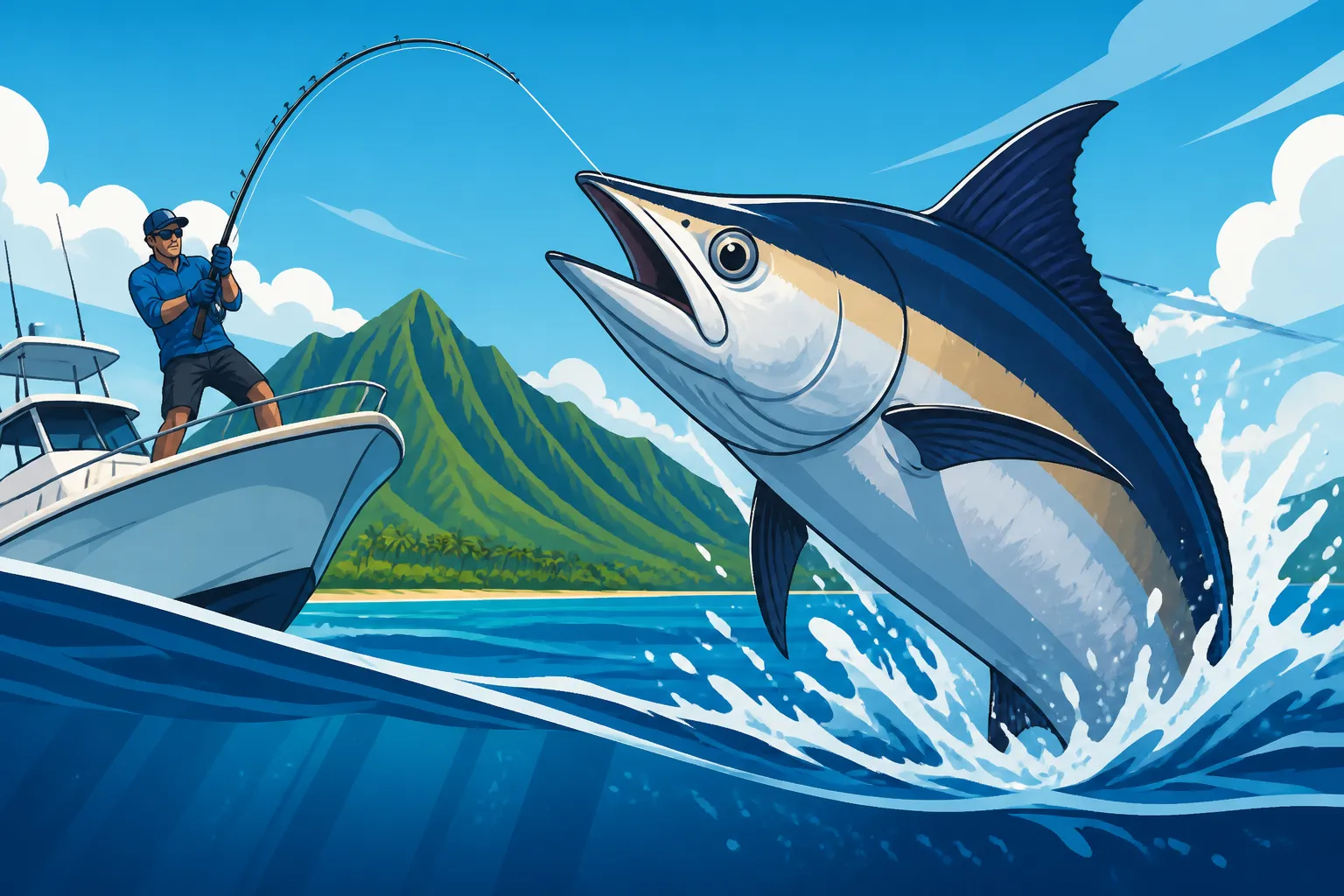
There's a reason why the Kona coast of the Big Island is internationally renowned as the "Marlin Capital of the World." The Pacific Blue Marlin (Makaira nigricans) is, without a doubt, one of the most sought-after trophy fish on the planet, and Hawaii is one of the premier destinations to tangle with a true giant. These magnificent creatures are built for speed and power, with their long, pointed bills and massive, muscular bodies. They're often found patrolling the deep drop-offs and seamounts, perpetually hunting for their next meal.
Hooking into a blue marlin is an experience that can only be described as chaotic beauty. They'll often explode on a lure or bait with breathtaking force, then launch into a series of aerial acrobatics, greyhounding across the surface, tail-walking, and diving deep with incredible speed. The fight can last for hours, pushing both angler and crew to their absolute limits. It's a test of wills, where patience, strength, and the right tackle are all equally crucial. The sheer size potential of these fish, with many exceeding the thousand-pound mark (affectionately known as "granderson" in fishing circles), is what draws anglers from all over the globe to Hawaii's shores. For more on this incredible fishery, check out Marlin Fishing off the Kona Coast.
Ahi (Yellowfin and Bigeye Tuna): Speed and Endurance
While marlin might hold the crown for sheer spectacle, the various tuna species, particularly Ahi (which refers to both Yellowfin and Bigeye Tuna in Hawaii), are champions of sustained power and relentless endurance. Yellowfin Tuna (Thunnus albacares) and Bigeye Tuna (Thunnus obesus) are pelagic speedsters, instantly recognizable by their sleek, torpedo-shaped bodies and prominent fins. They congregate around bait schools, current breaks, and offshore structures like Fish Aggregating Devices (FADs), often in massive schools that can stretch for miles.
When a large ahi decides to eat your bait or lure, be prepared for a fight that is less about jumps and more about raw, unrelenting drag-screaming power. They tend to make incredibly long, blistering runs, followed by a dogged, head-down battle deep in the water column. It's a relentless tug-of-war that can leave your arms burning and your back aching, a true testament to their incredible strength. While not reaching the same grander weights as blue marlin, trophy ahi can easily tip the scales into the hundreds of pounds, making them a formidable opponent and a highly prized culinary catch. Knowing the Hawaii ahi bag limit rules is crucial before you head out.
Other Pelagic Powerhouses: Ono, Mahimahi, and Spearfish
Beyond the legendary marlin and ahi, Hawaii's pelagic waters host other substantial game fish that offer exciting big-fish opportunities. Ono (Acanthocybium solandri), also known as Wahoo, are built like missiles, capable of incredible bursts of speed. Their razor-sharp teeth and aggressive strikes make them a thrilling catch. While they don't reach the same immense weights as marlin or tuna, larger ono are still formidable, often pushing the 80-pound mark or more, and are prized for their firm, white meat.
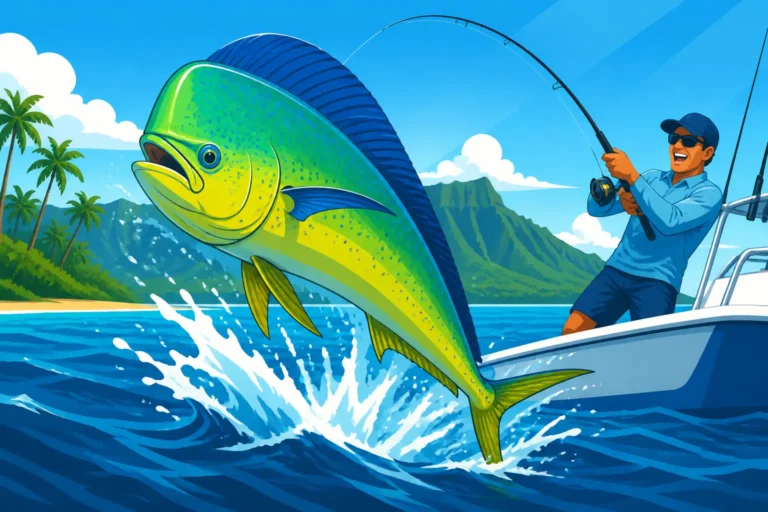
Mahimahi (Coryphaena hippurus), or Dorado, are another vibrant and powerful pelagic species. They're known for their brilliant iridescent colors, incredible leaping ability, and aggressive feeding habits. Often found around floating debris or weed lines, mahimahi are opportunistic predators that grow quickly. While typically caught in the 15- to 30-pound range, true bull mahimahi can easily exceed 50 pounds, making for an exciting battle on light to medium tackle. These fish are not only beautiful but also fantastic table fare.
Finally, the Pacific Shortbill Spearfish (Tetrapturus angustirostris) is another billfish species found in Hawaii that, while generally smaller than blue marlin, can still be a significant catch. They typically range from 20 to 60 pounds, but larger specimens are always possible, offering a spirited fight with classic billfish jumps and runs. They are often caught while targeting marlin or tuna, adding a delightful surprise to any offshore trip. Keep an eye on Hawaii Pelagic Species Bag Limits for all these species.
Shoreline Titans: The Immense Power of Ulua (Giant Trevally)
While the open ocean holds its share of giants, some of Hawaii's most powerful and respected fish are caught right off the shoreline. The Ulua, specifically the Giant Trevally (Caranx ignobilis) or GT, is a true titan of the inshore and nearshore waters, commanding immense respect from local anglers. These fish are known for their incredible brute strength, relentless fighting style, and willingness to inhabit surprisingly shallow, rugged reef environments.
The Ultimate Shore-Based Challenge
Landing a large ulua from the shore is considered one of the ultimate tests of an angler's skill and equipment in Hawaii. These fish are pure muscle, with broad, powerful tails and a stubborn disposition that makes them notoriously difficult to turn once hooked. They patrol rocky ledges, turbulent surf zones, and channels, using the underwater structure to their advantage to break off lines. The sheer force of their initial run can easily strip hundreds of yards of line from a reel in seconds, and anglers often describe the sensation as hooking into a freight train.
The tactics for targeting these giants often involve heavy-duty gear, powerful rods, and reels spooled with strong braided line. Many local anglers prefer sliding bait rigs, casting large chunks of fresh bait into deep holes or ledges and waiting for that tell-tale, bone-jarring strike. The fight is a grueling, close-quarters battle, often fought on unforgiving volcanic rock, where every inch gained is hard-won. Successfully landing a trophy ulua, which can weigh over a hundred pounds, is a feat that earns deep respect within the local fishing community. Learn more about pursuing these giants in Ulua (Giant Trevally) Fishing in Hawaii.
Papio: The Smaller but Still Mighty Cousins
Before they become true ulua, these powerful fish are often referred to as "papio." Papio is a general term for juvenile trevally, encompassing a variety of species including juvenile Giant Trevally, Bluefin Trevally (Caranx melampygus), and other smaller jack species. While papio are smaller than their fully grown ulua counterparts, they are by no means small or weak fish. Many papio still put up an incredible fight, often in the 5 to 20-pound range, and are a fantastic sport fish for anglers looking for a challenging inshore battle.
Fishing for papio often involves lighter tackle than what's needed for ulua, but still robust enough to handle their impressive runs and headshakes. Lures like poppers, stickbaits, and metal jigs are popular, as are natural baits such as pieces of squid or cut fish. These smaller trevally still display the characteristic power and aggression of their species, making them a thrilling catch from beaches, harbors, and rocky points around the islands. Many anglers enjoy chasing papio as a stepping stone to the larger ulua, honing their skills and understanding the nuances of trevally behavior. Remember to check Hawaii ulua minimum size limit regulations to ensure you're fishing legally.
Deepwater Denizens: Big Bottomfish and Their Haunts
While the thrill of pelagic species and the raw power of ulua capture much of the imagination, Hawaii's deep-sea bottom fishing grounds hold their own magnificent giants. These fish live in the cool, dark depths, often hundreds to over a thousand feet below the surface, and represent a completely different challenge for anglers. They are highly prized for their exquisite table fare and can grow to very substantial sizes, particularly for reef-dwelling species.
Onaga, Opakapaka, and Ehu: Prized Deepwater Catches
Among the most sought-after deepwater bottomfish are the snappers, often collectively referred to as "ʻōpakapaka" in Hawaii. However, three species stand out for their size and value:
- Onaga (Etelis coruscans): Also known as Ruby Snapper, onaga are stunning red fish with long, flowing tails. They are considered a delicacy and can grow to impressive sizes, with large specimens easily reaching 20 to 40 pounds, though some truly exceptional ones can be even heavier. Their vibrant color and delicate flavor make them a top target for deep-drop specialists.
- Opakapaka (Pristipomoides filamentosus): The Pink Snapper, or opakapaka, is another highly valued deepwater fish. These beautiful pinkish-red fish are often found in schools over rocky bottom structures and ledges. While individual opakapaka generally average 5 to 15 pounds, larger fish pushing 20-30 pounds are not uncommon, making them a significant catch from the depths.
- Ehu (Etelis carbunculus): The Squirrelfish Snapper, or ehu, is similar to onaga in appearance but typically has a deeper red color and less elongated tail. Ehu also grow to substantial sizes, commonly caught in the 10 to 25-pound range, and are another fantastic eating fish from Hawaii's deep reefs.
Targeting these species requires specialized electric reels and heavy-duty rods, as they inhabit depths where traditional manual reeling becomes incredibly arduous. The use of specialized deep-drop rigs with multiple hooks and heavy sinkers is common. While their fight is often a powerful, dead weight pull from the depths rather than spectacular jumps, the anticipation of reeling up a magnificent, deep-sea snapper is a unique thrill. Exploring Bottomfishing in Hawaii can give you more insights into this specialized fishery.
The Thrill of Deep Dropping for Giants
Deep dropping for these bottomfish giants isn't just about the catch; it's about the entire experience. It involves advanced electronics to locate suitable deepwater structures, careful management of specialized electric reels, and a lot of patience. When a fish bites, it's a distinct thud or bend in the rod, and then the long, slow process of reeling it up begins. The anticipation builds with every foot of line recovered, wondering what gem from the deep will emerge.
Bringing up these fish from such extreme depths often results in barotrauma, where their swim bladders expand. Responsible anglers use venting tools or descent devices to help these fish, if released, to survive. However, most deep-drop bottomfish are targeted for their table quality and are kept. The reward is often a truly magnificent fish, not only in size but in beauty and flavor, making the effort entirely worthwhile. A good deep-dropping setup requires specific lines and leaders, often found on reputable sites like Amazon, where specialized gear for these depths is readily available.
Chasing Records: Understanding Hawaii's Trophy Potential
Hawaii's waters are truly a land of giants, and the pursuit of a record-breaking catch is a dream for many anglers. While not everyone aims for an official state or world record, the potential to land a personal best, or even a fish of a lifetime, is very real across several species here. Understanding what goes into targeting these behemoths can help you prepare for that ultimate encounter.
What it Takes to Land a Monster
Landing one of the biggest fish species caught off Hawaii isn't just about luck; it's a combination of preparation, skill, perseverance, and often, the right charter or guide. First and foremost, you need the right gear. This means heavy-duty rods and reels capable of handling immense strain, spooled with strong, fresh line. For marlin and large tuna, 80-pound or even 130-pound class tackle is common. For ulua, specialized casting rods and robust spinning reels are essential. Bottom fishing requires electric reels and braided line. Having your gear in top condition is non-negotiable when battling a fish that could potentially pull you over the side of the boat!
Beyond the tackle, local knowledge is invaluable. Understanding the fish's habits, preferred feeding grounds, and seasonal patterns significantly increases your chances. This is where experienced charter captains and shore fishing guides truly shine. They spend countless hours on the water (or on the rocks), observing and learning. Whether you're booking a deep-sea charter out of Honokohau Harbor to chase marlin or hiring a shore guide to target ulua, their expertise is often the biggest factor in finding and fighting these massive fish. A great place to start researching these options is Best Fishing Charters in Hawaii.
Gearing Up for the Big Ones
Investing in quality gear is paramount when targeting Hawaii's largest fish. While charter boats typically provide all the necessary tackle, if you're venturing out on your own, or simply want to learn more about the equipment, there's a lot to consider. High-quality braided line, heavy fluorocarbon leader material, and stout hooks are crucial components. For offshore fishing, durable lures designed for high-speed trolling or live bait setups are key. When fishing from shore for ulua, consider heavy-duty headlamps, sturdy gaffs, and a reliable tackle bag.
Many anglers find it convenient to browse fishing gear online, with platforms like Amazon offering a vast selection of specialized rods, reels, lines, and accessories that can handle the power of Hawaii's biggest fish. Reading reviews and understanding product specifications can help you make informed choices, whether you're looking for a new heavy-duty reel or just stocking up on terminal tackle. Don't forget essentials like sun protection, a good pair of polarized sunglasses, and comfortable, quick-drying clothing – Hawaii's sun can be intense during long fishing days.
Hawaii's Top Trophy Fish Species
To give you a clearer picture of the giants we've discussed, here's a quick overview of some of Hawaii's top trophy fish, highlighting their impressive size potential. Keep in mind that specific numbers can vary greatly, but these categories generally represent what anglers hope to encounter.
| Fish Species | Common Size Range (lbs) | Trophy Potential (lbs) | Primary Method Targeted | Primary Location Type |
|---|---|---|---|---|
| Blue Marlin | 200 – 800 | 1000+ | Trolling, Live Baiting | Deep Offshore Waters |
| Yellowfin Tuna (Ahi) | 50 – 200 | 300+ | Trolling, Jigging, Chunking | Offshore FADs, Bait Schools |
| Giant Trevally (Ulua) | 20 – 100 | 150+ | Shore Casting, Sliding Bait | Rocky Shorelines, Reef Edges |
| Ono (Wahoo) | 20 – 60 | 100+ | Trolling | Offshore Current Breaks |
| Mahimahi | 10 – 30 | 50+ | Trolling, Live Baiting | Weed Lines, Floating Debris |
| Onaga (Ruby Snapper) | 15 – 35 | 50+ | Deep Dropping | Deep Reefs, Seamounts |
This table provides a general guide; the ocean always holds surprises! For official weights and historical records, the Hawaii State Fish Records by Species is an interesting read that truly showcases the immense potential of these waters.
Embarking on Your Own Big Fish Adventure
Hawaii offers a diverse and thrilling fishing landscape for anyone hoping to land a truly massive fish. From the open-ocean battles with grander marlin and powerful ahi to the brutal tug-of-war with a shoreline ulua, the islands provide unparalleled opportunities. These experiences are not just about the size of the fish, but the challenge, the beauty of the surroundings, and the deep connection to the ocean that Hawaii embodies.
Whether you're a seasoned angler with heavy tackle or someone dreaming of their first big game encounter, remember that respect for the ocean and its creatures is paramount. Follow all local regulations, practice responsible angling, and always prioritize safety. The ocean around Hawaii is powerful and unpredictable, but it holds rewards beyond imagination for those who approach it with preparation and humility. So, gear up, cast your line, and get ready for the fight of a lifetime. Maybe your name will be added to the legends of the biggest fish caught off Hawaii! Don't forget to check out Best Deep Sea Fishing Spots in Hawaii for ideas on where to embark on your adventure.
Disclaimer
This article is for general informational purposes only and does not constitute professional advice. Laws, prices and regulations vary by location and change over time. Consult a qualified professional for guidance on your specific situation.