What is the state fish of Hawaii
It's incredibly common for visitors and even some residents to wonder, "What is the official state fish of Hawaii, anyway?" You hear the name often, but spelling it out or even remembering it can be a challenge, let alone knowing the story behind it. This guide is here to clear up all that delightful confusion and introduce you to the truly unique and wonderfully named creature that holds this special title, helping you understand its significance and where you might even spot one.
Unveiling Hawaii's Official State Fish
The beautiful turquoise waters surrounding the Hawaiian islands are home to countless vibrant marine species, making the selection of a single state fish quite a task! Yet, one particular reef dweller has, over time, earned this distinct honor, embodying the spirit and uniqueness of Hawaii's aquatic life.
The Iconic Humuhumunukunukuapua'a
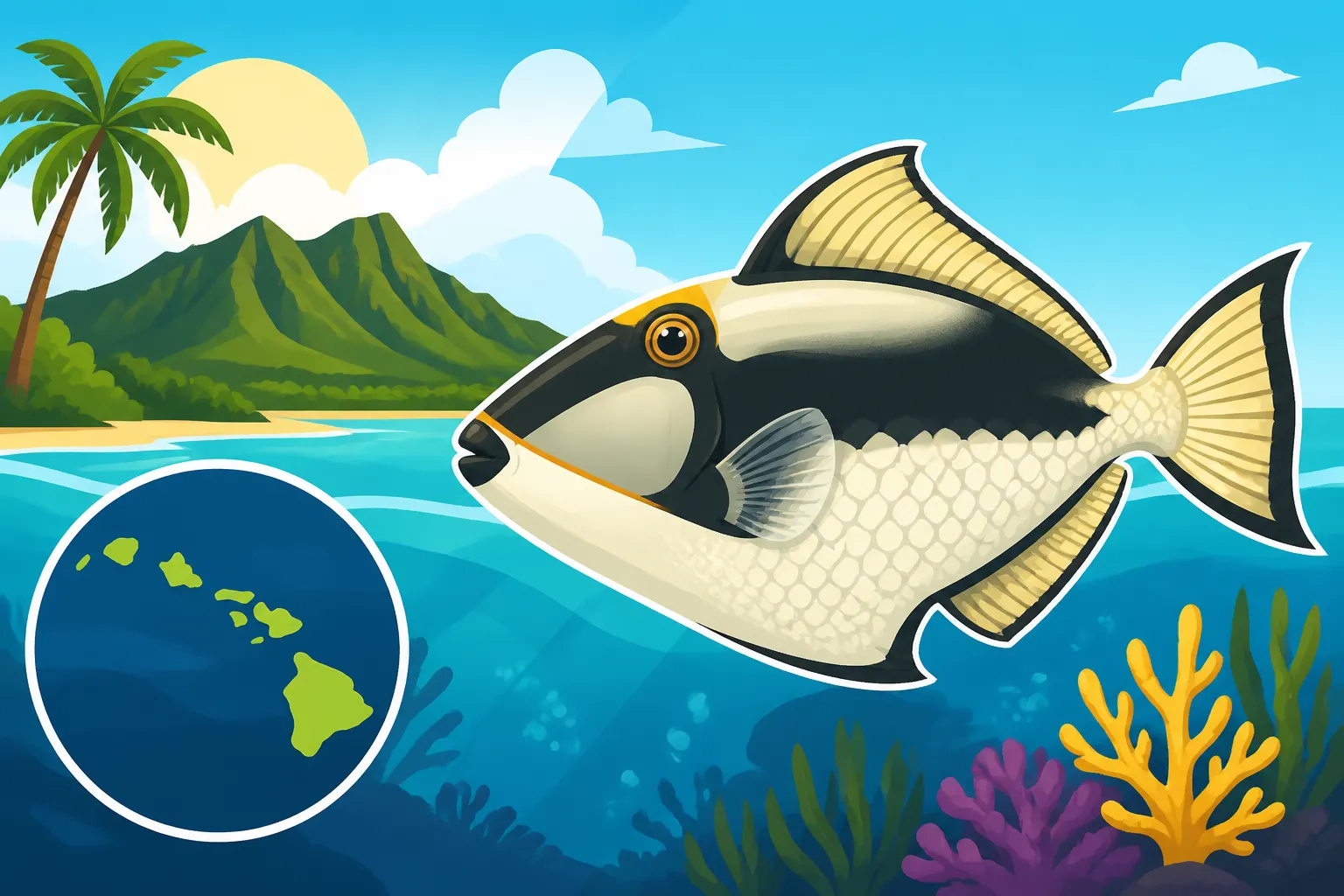
Prepare yourself for a mouthful, because Hawaii's official state fish is indeed the Humuhumunukunukuapua'a. Try saying that five times fast! This mouthful of a name translates quite literally to "reef triggerfish with a snout like a pig," which, once you see its distinctive mouth, makes perfect sense. It’s not just a funny name; it's a descriptive one that captures a key physical feature of this fascinating creature. The Humuhumu is a species of triggerfish, specifically Rhinecanthus rectangulus, and it's easily recognizable by its striking geometric patterns, vibrant colors of yellow, blue, black, and white, and its generally stout body shape.
These fish are truly little characters of the reef. They're often seen darting around the coral, sometimes seemingly with an agenda, sometimes just meandering, but always adding a splash of personality to the underwater landscape. Their unique dorsal fin, which can be locked into an upright position like a trigger, is a defense mechanism and also helps them wedge themselves into reef crevices at night or when startled. Finding good quality underwater cameras or waterproof cases for your phone on platforms like Amazon can help you capture their beauty if you're lucky enough to spot one.
A History of Selection and Reinstatement
The story of the Humuhumunukunukuapua'a becoming the state fish isn't a straight line; it has a bit of an interesting historical journey. It was first officially designated as Hawaii's state fish in 1985. This was a popular choice, as its long, melodic name and distinctive appearance made it an instant icon. However, this designation was initially set for a temporary period of five years. When that period lapsed in 1990, the law was not renewed, and the Humuhumu temporarily lost its official status, though many people continued to refer to it as such out of habit and affection.
For years, it was almost like an unofficial state fish, living on in the hearts and minds of residents and tourists alike. The cultural significance and popular appeal of the Humuhumu were too strong to ignore. Finally, in 2006, after much advocacy and public support, the Humuhumunukunukuapua'a was permanently reinstated as the official state fish of Hawaii. This reinstatement solidified its place not just in marine biology, but in the cultural fabric of the islands, ensuring its unique name and colorful presence would forever be associated with the Aloha State. It’s a wonderful example of how the community's connection to nature can influence policy and honor beloved local wildlife.
Understanding the Humuhumu: More Than Just a Name
Beyond its catchy name and official title, the Humuhumunukunukuapua'a is a fascinating creature with a rich life in Hawaii's underwater world. Getting to know its habits and its role in the ecosystem makes spotting one even more special.
Habitat and Behavior of the Reef Triggerfish
The Humuhumunukunukuapua'a makes its home in the shallow, clear waters of Hawaii's coral reefs, typically in depths ranging from just a few feet down to about 90 feet. You'll often find them meandering over sand flats adjacent to reef structures, poking around crevices, or swimming casually amongst the coral heads. They are particularly common in sheltered lagoons and rocky areas where there's plenty of hiding spots and food. Their diet is quite varied, consisting mainly of invertebrates like crabs, sea urchins, worms, and mollusks, which they expertly extract from the reef using their strong teeth and pig-like snout. They also graze on algae, playing a role in keeping the reef clean.
Their swimming style is distinctive – they move by undulating their dorsal and anal fins, giving them a rather jerky, almost helicopter-like motion, especially when compared to the smooth gliding of other reef fish. When threatened or settling in for the night, they use that incredible "trigger" mechanism. They dive into a narrow crevice, then erect their sharp first dorsal spine and lock it into place with a smaller second spine. This makes it nearly impossible for a predator to pull them out. They are also known for being quite territorial, often seen chasing away other fish that venture too close to their chosen patch of reef. Observing these behaviors can be a real treat for snorkelers and divers.
Why This Fish Captivates Hearts and Minds
There’s something truly special about the Humuhumunukunukuapua'a that goes beyond its official status. Its vibrant, almost painted appearance makes it stand out against the blues and greens of the ocean. The contrasting bands of color, from deep blue to bright yellow and white, create a stunning visual spectacle that captures the attention of anyone lucky enough to see one. For many, encountering a Humuhumu for the first time is a memorable part of their Hawaiian experience, often prompting a giggle at the name and a wonder at its beauty.
Beyond aesthetics, their endearing personality makes them captivating. They seem curious, sometimes a bit sassy, and always full of character as they navigate their reef world. They are a familiar and beloved sight in many of Hawaii's Hawaii Marine Life Conservation Districts, Explained, where their presence helps remind us of the fragile beauty of the coral ecosystem. Learning about them often sparks a deeper appreciation for the unique biodiversity of the Hawaiian islands and the importance of conservation efforts. For visitors, it's a tangible, living symbol of their Hawaiian adventure, often inspiring souvenirs and tales shared long after they've returned home.
Encountering the Humuhumu (and Other Reef Dwellers)
While you're certainly not going to be targeting the Humuhumu with a fishing pole, spotting one in its natural habitat is an unforgettable experience. Knowing where to look and how to behave respectfully can make all the difference.
Best Ways to Spot Hawaii's State Fish
If you're hoping to catch a glimpse of the Humuhumunukunukuapua'a, the best way is to grab a mask, snorkel, and fins and head to some of Hawaii's protected reef areas. These fish thrive in healthy coral ecosystems found in shallow, clear waters. Excellent spots for snorkeling, where you have a good chance of seeing them, include popular snorkeling beaches on Oahu, Maui, and the Big Island. For instance, in certain designated areas, you might easily encounter them. It's important to remember that some highly protected areas, like Hanauma Bay on Oahu, strictly regulate activity. If you're wondering Is Fishing Allowed at Hanauma Bay?, the answer is generally no, making it a pristine spot for observing marine life undisturbed.
You'll find the Humuhumu often darting between coral heads or foraging over sandy patches adjacent to the reef. They are not shy, but they are also not overly friendly, so maintain a respectful distance. Having a waterproof fish identification card (many are available on Amazon) can be a fun way to confirm your sighting and learn about other species you encounter. Always check local conditions and any specific rules for the area you plan to visit, as reef conditions and access can vary.
Responsible Reef Etiquette for Observers
Encountering marine life, especially the state fish, is a privilege, and with that comes a responsibility to protect their habitat. The golden rule for any reef encounter is "look, don't touch." This means refraining from touching, chasing, or disturbing any marine animals, including the Humuhumu. Their natural behaviors are best observed from a respectful distance. Touching coral can damage the delicate polyps that make up the living reef, which are the very homes for these fish.
Furthermore, consider what you bring into the water. Always use reef-safe sunscreen that is free of oxybenzone and octinoxate, as these chemicals are harmful to coral and other marine life. Many eco-friendly brands are readily available on Amazon or at local shops in Hawaii. When wading or snorkeling, be mindful of your fin kicks and foot placement to avoid stirring up sand or accidentally kicking coral. Understanding the concept of What a Marine Life Conservation District means for anglers and observers is crucial, as these areas are designed for protection and observation, often with strict rules against any form of harvesting or disturbance. Respecting these guidelines ensures that the Humuhumu and all the other vibrant creatures of the reef will continue to thrive for future generations.
Common Misconceptions and Interesting Facts
The Humuhumunukunukuapua'a is a fascinating fish, and like any iconic creature, it comes with a few common questions and intriguing tidbits that are worth exploring.
Is the Humuhumu Edible or Targeted by Anglers?
While many fish in Hawaii's waters are highly prized for their culinary value, the Humuhumunukunukuapua'a is generally not a target species for recreational anglers looking to fill their coolers for dinner. Technically, it is edible, but its flesh is often considered tough and not particularly palatable by most standards. Furthermore, like many reef-dwelling fish, it can carry the risk of ciguatera poisoning, a foodborne illness caused by toxins accumulated through their diet. This risk, coupled with their relatively small size and vibrant beauty, means they are almost exclusively admired for their aesthetic appeal rather than their culinary potential.
Anglers in Hawaii tend to focus on larger, pelagic species like Ahi (Yellowfin Tuna) or Mahimahi, or delicious bottomfish like opakapaka and onaga, or even inshore game fish like Ulua and Papio. The Humuhumu is simply too small and too potentially risky to be worth the effort for most. It’s a fish best left to gracefully navigate its reef home, serving as a living symbol of Hawaii's natural splendor.
Other Iconic Hawaiian Reef Fish
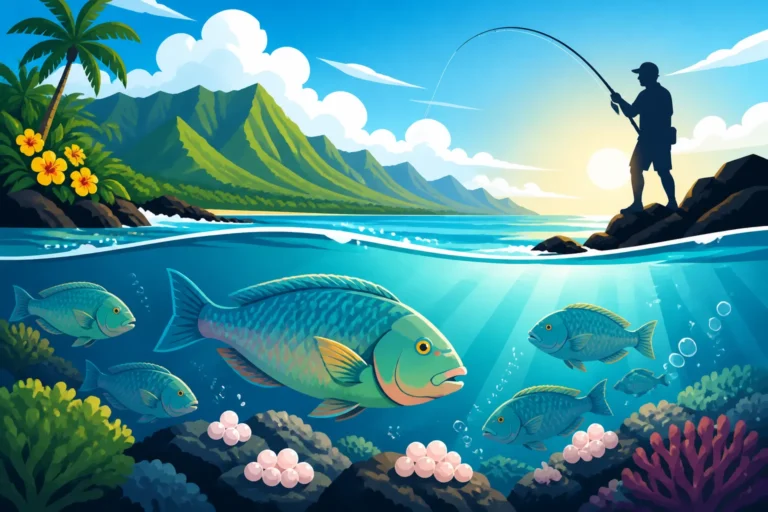
While the Humuhumunukunukuapua'a holds the esteemed title of state fish, Hawaii's reefs are teeming with an incredible diversity of other colorful and important species. Understanding some of these other residents helps paint a fuller picture of the vibrant underwater world. For example, the Uhu, or parrotfish, are often seen grazing on algae, leaving tell-tale scrape marks on the coral. They play a vital role in reef health by preventing algae overgrowth and producing sand. You can find out more about their regulations in Hawaii Uhu (Parrotfish) Size and Bag Limits. Then there are the Kumu and Weke, two types of goatfish, easily identified by their prominent barbels ("whiskers") that they use to sift through sand for food. Kumu (Goatfish) in Hawaii are a beautiful sight.
Another group you'll frequently encounter are the various types of butterflyfish and tangs, all adding their unique patterns and colors to the reef kaleidoscope. For those interested in a broader view of the underwater ecosystem, a Reef Fish Species Identification Guide for Hawaii is an invaluable resource. These fish, along with countless others, form a complex and interdependent community. Learning to identify them enhances any snorkeling or diving experience and underscores the importance of protecting these delicate habitats. You might even find some fascinating facts about What fish species thrive on shallow reef flats.
Here’s a quick overview of some notable Hawaiian reef fish:
| Fish Species | Common Name | Key Characteristics | Primary Habitat | Angler Target? (Recreational) |
|---|---|---|---|---|
| Rhinecanthus rectangulus | Humuhumunukunukuapua'a | Geometric patterns, pig-like snout, trigger spine | Shallow coral reefs, lagoons | No (observation only) |
| Scarus spp. | Uhu (Parrotfish) | Vibrant colors, beak-like mouth for scraping algae, large scales | Coral reefs, rocky areas | Sometimes (food fish) |
| Parupeneus spp. | Kumu (Goatfish) | Barbel "whiskers", often reddish hues | Sandy bottoms near reefs | Yes (food fish) |
| Acanthurus spp. | Manini (Surgeonfish) | Oval bodies, scalpel-like spines near tail, various colors | Reef flats, algal grazing | No (observation only) |
| Chaetodon spp. | Butterflyfish | Flat, disc-shaped, intricate patterns, usually small | Coral reefs | No (observation only) |
Disclaimer
This article is for general informational purposes only and does not constitute professional advice. Laws, prices and regulations vary by location and change over time. Consult a qualified professional for guidance on your specific situation.