Marlin catch and release survival tips
It can be incredibly disheartening to battle a magnificent marlin, finally get it alongside the boat, and then watch it struggle or even perish after release. We all want these incredible fish to thrive and be there for future generations, but the sheer power and size of marlin make catch and release a real challenge. This guide is all about equipping you with the knowledge and practical tips to maximize a marlin's chances of survival after you've made that successful release, ensuring you're doing your part for Hawaii's precious marine ecosystem.
Why Marlin Catch and Release Matters So Much
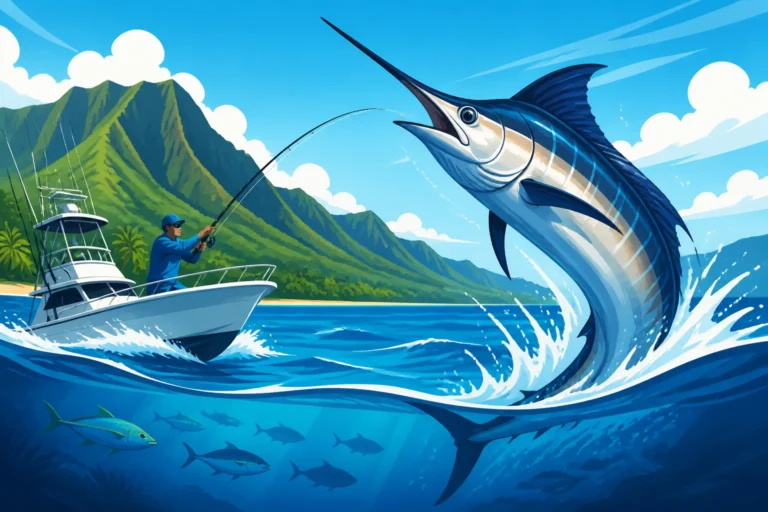
Let's face it, there's nothing quite like the thrill of hooking into a marlin off the Kona Coast – that electric run, the aerial acrobatics, the sheer power. It's a bucket list experience for many anglers. But with such an incredible resource comes a responsibility. Marlin, especially species like the majestic blue marlin, are apex predators and vital to the health of our oceans. They're also long-lived and can take many years to reach full maturity, making every adult fish incredibly valuable to the breeding population.
The frustration often stems from seeing a magnificent fish swim away seemingly healthy, only to wonder if it truly recovered. It's a valid concern. The stress of a prolonged fight, the physical handling, and potential injuries can all take a toll. That's why simply releasing a fish isn't always enough; we need to focus on survival after release. By understanding the best practices, from your gear choices to your handling techniques, you're directly contributing to the sustainability of these incredible fisheries, making sure those screaming reels and epic battles continue for years to come. Think about the impact of every successful release – it's a direct investment in the future of Marlin Fishing off the Kona Coast and beyond.
Pre-Fight Preparation: Setting the Stage for Success
The success of a marlin's survival starts long before the fish even bites. It begins with your mindset and the deliberate choices you make regarding your tackle and techniques. Planning ahead minimizes stress on the fish and increases your efficiency when it matters most.
Choosing the Right Hooks and Terminal Tackle
One of the single most impactful decisions you can make for marlin catch and release is your choice of hook. J-hooks, while effective at hooking fish, often result in gut-hooking, which dramatically reduces a marlin's chances of survival. This is where circle hooks truly shine. They are designed to hook in the corner of the fish's mouth, minimizing internal damage. When you're rigging up your spread for How to Catch Marlin off the Kona Coast, make the switch to circle hooks a non-negotiable part of your strategy.
Beyond hooks, consider your leader and line choices. While heavy tackle can shorten a fight, excessively heavy leader can make it harder for the fish to shed if it breaks off or if the hook cannot be removed. Conversely, too light a line can prolong the fight to a point of exhaustion for the fish. The goal is to find a balance – strong enough to handle the fish efficiently but not so over-the-top that it becomes a hazard post-release. Many anglers opt for a heavy monofilament leader, which is more easily shed by the fish over time than wire, if it can't be retrieved. You can find a wide range of high-quality circle hooks and leader materials, often bundled for convenience, by searching on Amazon.
Minimizing Fight Time and Fish Exhaustion
A marlin's chances of survival are directly correlated with the length and intensity of the fight. The longer a marlin battles, the more lactic acid builds up in its muscles, leading to severe exhaustion and a decreased ability to recover. This is often referred to as "lactic acidosis," and it's a silent killer for released fish.
To minimize fight time, it’s crucial to use appropriate tackle for the size of fish you’re targeting. If you're chasing truly large fish, light tackle might offer a "sporting" fight, but it's detrimental to the fish's survival. Use a rod and reel combination that allows you to apply consistent pressure and retrieve line effectively. Your boat's maneuverability also plays a huge role. A skilled captain will anticipate the fish's runs and movements, positioning the boat to keep the line tight, prevent slack, and help the angler gain line quickly. Every minute counts when you're battling a powerful fish that could represent years of Marlin Growth Rate to Grander Size. Working as a cohesive team – angler, deckhand, and captain – is paramount to a swift and clean fight.
Best Practices During the Battle and Alongside the Boat
Once that reel starts screaming, the real test begins. How you manage the fight and the crucial moments when the marlin is boat-side are critical to its survival. This isn't just about landing the fish; it's about landing it smart.
Fighting Techniques to Preserve Fish Health
During the fight, focus on maintaining constant pressure on the fish. Avoid pumping and dropping the rod too aggressively, which can create slack and allow the fish to rest or spit the hook. Instead, use a steady, powerful retrieve. When the fish jumps, resist the urge to crank down; instead, free-spool slightly or back off the drag momentarily to prevent the line from breaking from the sudden impact, then re-engage pressure as it re-enters the water.
Keep your drag settings firm enough to gain line but not so locked down that it risks pulling the hook or breaking the line prematurely. A good captain will "run and gun" if necessary, chasing down a hot fish to reduce the distance and angle, preventing the fish from sounding deep and wearing itself out against heavy drag. This proactive approach significantly shortens the fight and conserves the fish's energy. Remember, the goal is to subdue the fish quickly, not to engage in a prolonged tug-of-war that ultimately harms the fish.
Handling at the Boat: Minimizing Injury and Stress
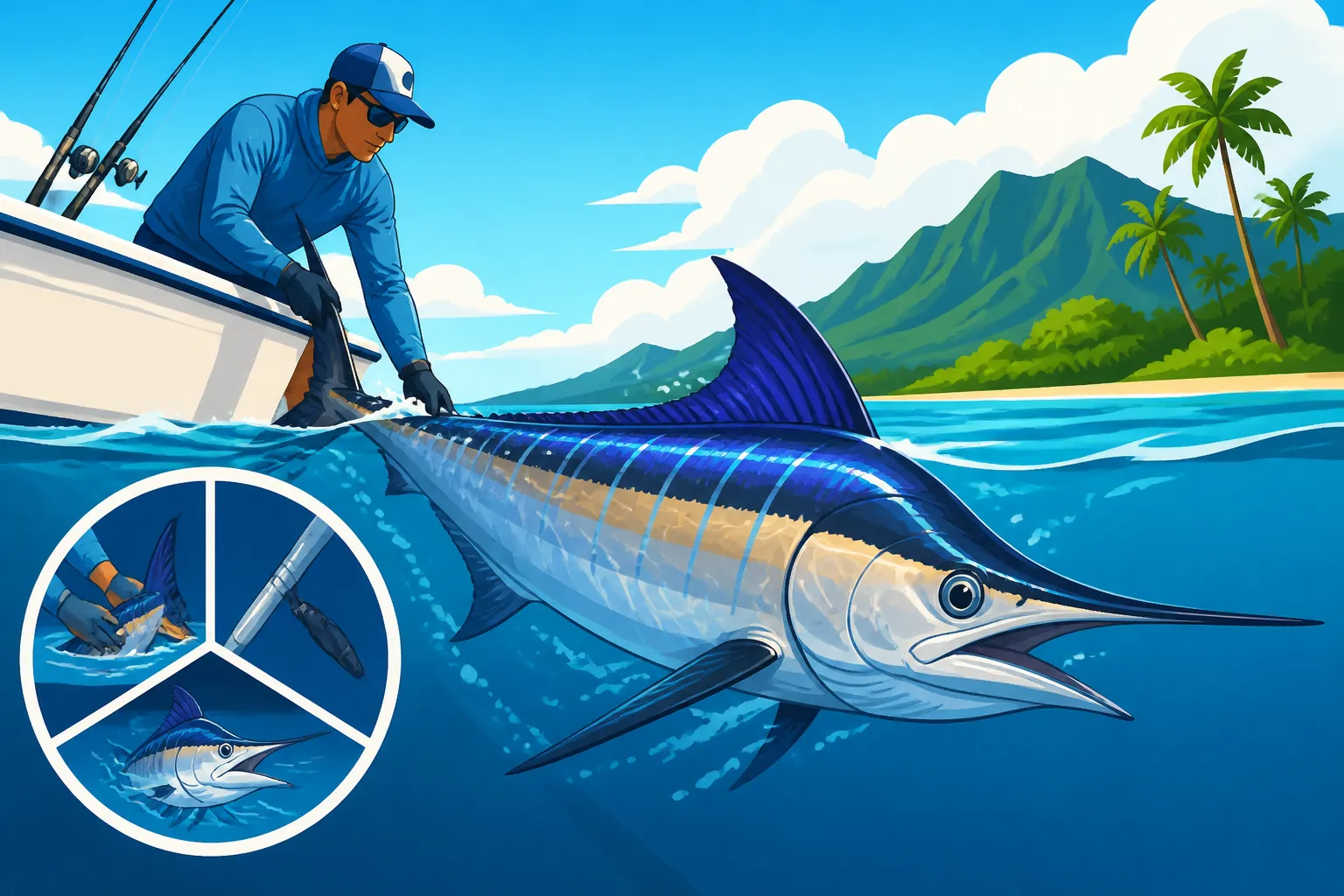
This is perhaps the most delicate stage. The moment the marlin is alongside the boat, your actions are absolutely critical. Ideally, you want to release the fish without removing it from the water. If you need to remove the hook or get a quick photo, keep the fish in the water as much as possible, with its head pointed into the current for oxygenation.
When bringing a marlin to the boat, the deckhand should grab the leader, but avoid using a gaff on the fish itself unless you intend to keep it. Instead, if necessary, use a large, strong bill rope or tail rope for control. Be gentle but firm. Don't drag the fish roughly over the gunwale or allow it to thrash violently against the side of the boat. Minimize the time the fish is out of the water – even a few seconds can be detrimental, as its gills collapse and it struggles to breathe. Having a pre-rigged dehooker and leader cutter ready is essential for a quick operation. You can find durable, long-handled dehooking tools and leader cutters that are perfect for offshore fishing on Amazon, ensuring you’re prepared for a swift release.
Here’s a quick checklist of release gear to have on board:
| Item | Purpose | Key Features for C&R |
|---|---|---|
| Circle Hooks | Minimizes gut-hooking | Non-offset, appropriately sized |
| Long-Handled Dehooker | Safely remove hooks without handling fish directly | Stainless steel, strong, long reach |
| Leader Cutter | Quickly cut leader if hook is unretrievable | Heavy-duty, sharp, corrosion-resistant |
| Bill Rope/Tail Rope | Control fish boat-side (if needed) | Soft, wide, non-abrasive material |
| Heavy-Duty Gloves | Protect hands during brief handling | Good grip, puncture-resistant |
| Camera (Waterproof) | Quick photo, minimal fish out-of-water time | Fast shutter, easy to operate |
| Freshwater Spray Bottle | Rinse gills if salt burn is a concern (briefly) | Small, accessible |
Post-Release: Ensuring a Strong Swim-Away
The job isn't done until the marlin swims away strongly, showing clear signs of recovery. Your actions immediately after the hook is removed are just as vital as everything that came before.
Proper Dehooking and Leader Cutting
Once the fish is alongside the boat, the primary goal is to remove the hook quickly and safely. With circle hooks, they are often visible in the corner of the mouth, making removal straightforward with a dehooker. Slide the dehooker down the leader, secure the hook, and twist gently to back it out. Avoid tearing the fish's mouth.
If the hook is deeply embedded or the fish is thrashing too violently to safely remove it, cut the leader as close to the hook as possible. Don't hesitate to cut the leader if it means avoiding further injury or prolonging the stress on the fish. A high-quality monofilament leader will eventually corrode and fall out, or the hook will rust away. Always prioritize the fish's well-being over retrieving a hook. Make sure your leader cutter is sharp and easily accessible; you don't want to be fumbling around when time is of the essence. Searching for "fishing leader cutter" on Amazon will yield many robust options.
Reviving and Releasing the Marlin
After the hook is removed or the leader cut, the marlin might need a moment to recover. Hold the fish gently by the bill (with heavy gloves, of course, for your safety and the fish's stabilization) and point its head into the current or the boat's forward motion. This forces water through its gills, helping it to oxygenate and recover. You'll feel the fish's strength returning as it starts to kick its tail and try to pull away.
Don't release the fish until it shows clear signs of being able to swim off on its own. It should be able to hold itself upright and exhibit strong tail kicks. When it's ready, gently let go of its bill. Watch it swim away for a few moments to ensure it's heading off strongly and not sinking or drifting. Sometimes, a quick splash or two of water over its head can help invigorate it for that final push. Seeing a marlin swim off powerfully is the ultimate reward for a responsible angler and a testament to the efforts in Pelagic Species Identification Guide for Hawaii and conservation.
Final Thoughts on Marlin Catch and Release
Practicing proper marlin catch and release is more than just following rules; it's about being a responsible steward of the ocean. Each successful, healthy release ensures that these magnificent creatures continue to grace our Hawaiian waters, offering future generations the chance to experience the same incredible thrill. From carefully selecting your gear and employing strategic fighting techniques to executing a swift and gentle release, every step makes a difference.
Remember, the goal isn't just to catch a marlin, but to release it in the best possible condition so it can continue its journey. This commitment contributes directly to the long-term health of our fisheries and ensures that Hawaii remains a world-class destination for anglers seeking the ultimate big-game challenge. Whether you're planning a trip during the Best Time of Year to Fish in Hawaii or targeting specific species, making marlin survival a priority is always the right call. If you're looking to upgrade your gear or stock up on essentials like dehookers, leader cutters, or quality circle hooks, a quick browse on Amazon can help you prepare for your next responsible fishing adventure.
Disclaimer
This article is for general informational purposes only and does not constitute professional advice. Laws, prices and regulations vary by location and change over time. Consult a qualified professional for guidance on your specific situation.