Hawaii monk seal protected status near fishing grounds
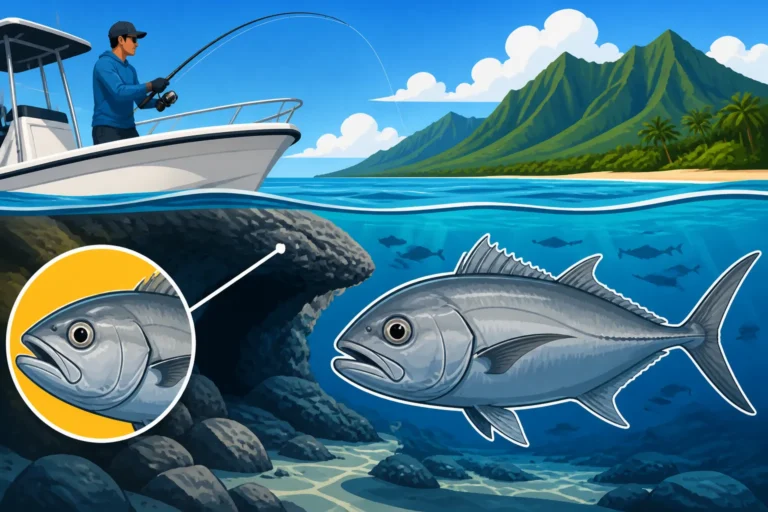
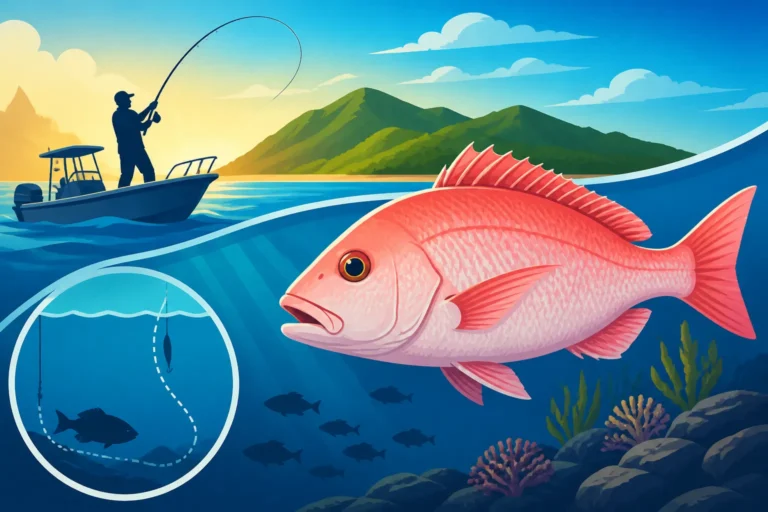
There's nothing quite like the feeling of dropping a line into the crystal-clear waters of Hawaii, hoping for a papio, ulua, or maybe even an opakapaka to bite. But out here, we share our precious ocean with some incredibly special residents, none more iconic than the Hawaiian monk seal. It can be a bit confusing, and honestly, a little anxiety-inducing, trying to balance your love for fishing with the critical need to protect these magnificent, yet vulnerable, creatures. This guide is here to untangle the rules, help you understand how to responsibly enjoy Hawaii's fisheries, and ensure both you and our monk seals have a safe, stress-free experience.
Understanding the Hawaiian Monk Seal's Protected Status
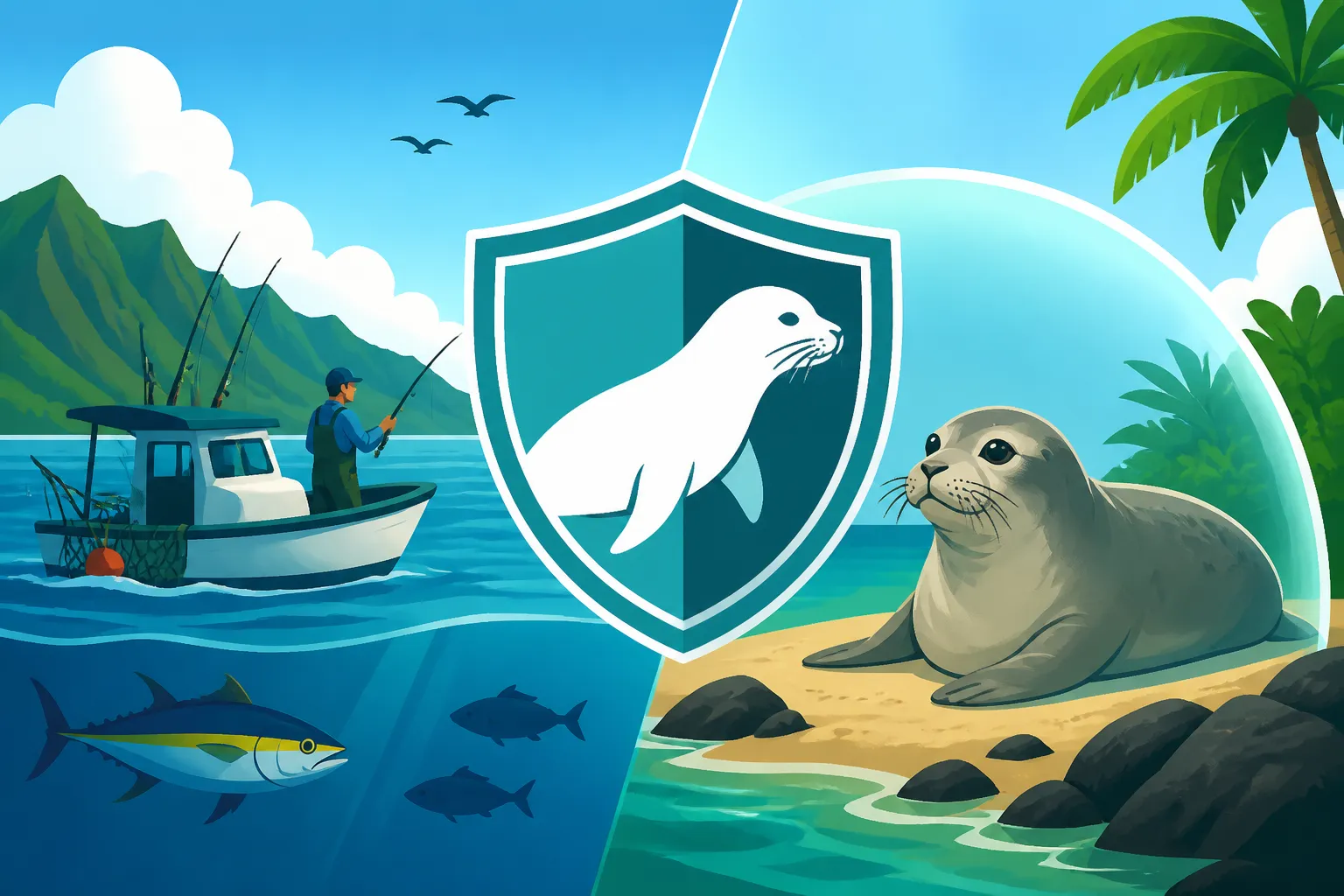
When you're out on the shoreline or in your boat, the sudden appearance of a Hawaiian monk seal (ʻIlio-holo-i-ka-uaua) can be breathtaking. These animals are incredibly charismatic, often seen basking on sandy beaches or gracefully cruising through nearshore waters. However, their beauty comes with a serious responsibility, as they are one of the most endangered marine mammals in the world. Their protected status isn't just a suggestion; it's a matter of federal and state law designed to safeguard every single individual.
Why Monk Seals Are Protected
Imagine a species with fewer than 1,600 individuals left in the wild – that's the reality for the Hawaiian monk seal. They're found nowhere else on Earth, making them truly unique to our islands. Their numbers have been critically low for decades, facing threats from habitat loss, entanglement in marine debris, disease, and unfortunately, human interaction. Every single seal is vital to the survival and recovery of the species. This dire situation is why they receive such stringent protections, far beyond what many other marine animals do. It's a race against time, and every angler plays a part in their future.
These seals are not just any marine animal; they are a living piece of Hawaii's natural heritage, intricately woven into the fabric of the islands' ecosystem and culture. Their vulnerability means that even seemingly minor interactions can have significant consequences for an individual seal, and potentially for the overall population. Our fishing activities, if not conducted carefully, can inadvertently become one of these threats, which is why understanding and respecting their protected status is so crucial.
Federal and State Laws Protecting Monk Seals
The Hawaiian monk seal is protected under both the federal Endangered Species Act (ESA) and the Marine Mammal Protection Act (MMPA). These aren't just obscure government regulations; they are powerful laws with real teeth, designed to prevent harm, harassment, and mortality of these animals. Under these acts, it is illegal to "take" a monk seal, which is defined broadly to include harassing, harming, pursuing, hunting, shooting, wounding, killing, trapping, capturing, or collecting, or attempting to engage in any such conduct. Even modifying their habitat in a way that harms them can be considered a violation.
In addition to federal laws, Hawaii also has state regulations that reinforce these protections. The Hawaii Department of Land and Natural Resources (DLNR) actively works to monitor and protect monk seals, often coordinating with federal agencies like the National Oceanic and Atmospheric Administration (NOAA). The message is clear: these animals are off-limits for interference. Ignorance of the law is not an excuse, and penalties for violations can be severe, including substantial fines and even imprisonment. When you're out fishing, it's not just about knowing the Hawaii Fishing Regulations Explained for your target species; it's also about understanding the broader marine ecosystem you're a part of.
What "Protected Status" Means for Anglers
For those of us who love to fish, "protected status" fundamentally means maintaining a respectful distance and avoiding any interaction that could disturb or harm a monk seal. This isn't just about avoiding direct physical contact; it extends to preventing behaviors that could alter their natural patterns, such as feeding, resting, or nursing. For instance, if you're shore fishing and a seal hauls out near your spot, you're expected to give it ample space and avoid approaching it. The general guideline is to stay at least 50 feet away on land and 150 feet in the water, but if the seal seems stressed or changes its behavior because of your presence, you're too close.
This also means being incredibly mindful of your fishing gear. Discarded fishing line, hooks, or nets can quickly become entanglement hazards for curious seals. These animals explore their environment with their mouths and flippers, and fishing debris is a major threat. Anglers are encouraged to use barbless hooks where possible, retrieve all lost gear, and be extra vigilant when seals are known to be in the area. It’s a call to be a proactive steward of the ocean, rather than just a passive participant.
How Monk Seal Interactions Affect Fishing in Hawaii
It's a tricky situation when your passion for fishing intersects with the presence of an endangered species. Anglers often face unique challenges and frustrations when monk seals are around, sometimes feeling caught between enjoying their hobby and the strict protection guidelines. But understanding these interactions, both positive and negative, helps us all be better ocean users.
The Frustration of Accidental Encounters
Let's be honest, it can be incredibly frustrating. You've set up your gear, cast your line, and you're just getting into the rhythm of fishing when a monk seal appears, sometimes a bit too close for comfort. They might swim near your lines, potentially get interested in your bait, or even haul out right where you planned to fish. This isn't them being malicious; it's just their natural behavior in their home. However, it puts anglers in a tough spot. You don't want to accidentally hook a seal, and you certainly don't want to be accused of harassment. The immediate thought is, "Now what do I do?"
This frustration is particularly acute for shore anglers who have limited mobility. If a monk seal decides to rest on your favorite rock or beach access, you might feel like your fishing spot for the day is gone. It's a common complaint, but it's important to remember that these animals don't understand our boundaries or intentions. Their survival takes precedence. It takes a lot of patience and a deep breath to pack up and move, but it's often the safest and most responsible course of action for both you and the seal. For more on navigating such situations, you might find information on Hawaii turtle and monk seal proximity rules for anglers helpful.
Preventing Negative Interactions While Fishing
Prevention is absolutely key. The best way to avoid a negative interaction is to be aware and proactive. First, always know where you are fishing. Are you near a known monk seal haul-out area or a popular feeding ground? Local knowledge and current reports can be invaluable here. Before casting, take a moment to scan the water and shoreline. If you see a seal, consider moving to a different spot where the risk of interaction is lower. This might mean finding a new "Best Shore Fishing Spots in Hawaii" for the day.
When you are fishing, maintain vigilance. If a seal approaches your area, immediately reel in your lines, especially if they show interest in your bait or lure. Store your tackle securely and do not throw any fish scraps or bait into the water when seals are present, as this can habituate them to human feeding and lead to dangerous behaviors. Some anglers find that using specialized tackle, like fish-friendly dehookers or cutting away leaders if a seal is inadvertently hooked, can minimize harm. Carrying a sturdy pair of binoculars, perhaps a compact, waterproof pair from Amazon, can help you spot seals from a distance and avoid getting too close initially.
Reporting Monk Seal Incidents
It's a tough pill to swallow, but sometimes, despite our best efforts, an incident can occur. Maybe you see a seal entangled in old fishing gear, or perhaps one appears lethargic or injured. It’s even possible, in the worst-case scenario, that a seal might accidentally get hooked on your line. In any of these situations, the most critical step is to report it immediately. Do NOT try to intervene yourself, no matter how good your intentions are. Approaching or trying to help a monk seal directly, even an injured one, can put both you and the animal at risk, and it's also illegal. They are powerful wild animals, and a stressed seal can be unpredictable.
The proper channels for reporting are NOAA Fisheries' Marine Mammal Stranding Hotline or the DLNR. Jot down their numbers and keep them handy, perhaps waterproofed and tucked into your tackle box. When you call, be prepared to provide as much detail as possible: the exact location (GPS coordinates if you have them), the time of the sighting, the seal's condition, its size, and any identifying marks. If you're on a boat, having a marine VHF radio can be incredibly useful for these reports, alongside your cell phone. Remember, quick and accurate reporting is vital for their rescue and recovery efforts.
Fishing Responsibly Near Monk Seal Habitats
Fishing responsibly goes beyond just following the rules; it's about adopting a mindset of respect and stewardship for the environment and its inhabitants. Especially in Hawaii, where our natural resources are so precious and often unique, this mindset is paramount. Being an informed and considerate angler helps ensure that both fishing and marine life can thrive.
Identifying Common Monk Seal Haul-Out and Feeding Areas
Knowing where monk seals typically rest and feed is a huge advantage for responsible anglers. Monk seals prefer quiet, undisturbed sandy beaches, rocky shorelines, and even some tide pools for hauling out. They'll often choose remote stretches of coastline, but they can also surprise you by appearing on more populated beaches. Their feeding grounds are generally in shallow, nearshore waters, where they hunt for reef fish, octopus (tako), and crustaceans. Different islands and specific locations will have varying concentrations of seals. For example, some parts of Kauai and Molokai are known for higher populations, but they can be found on all the main Hawaiian Islands.
Before you head out, do a bit of research. NOAA Fisheries often posts information about recent monk seal sightings and known activity areas on their website. Local fishing forums and communities can also provide up-to-date insights. Pay attention to signs posted on beaches, which often alert the public to resting seals and provide clear guidelines on maintaining distance. If you're planning a trip to a Marine Life Conservation District, it's particularly important to be aware, as these areas often have special rules that apply to both fishing and protected species. Understanding the lay of the land, or rather, the lay of the coast, is your first line of defense in avoiding unwanted encounters.
Best Practices for Shoreline and Boat Anglers
Whether you're casting from shore or trolling from a boat, there are specific actions you can take to minimize your impact.
For shoreline anglers:
- Keep Your Distance: If you see a monk seal on the beach, give it a wide berth, staying at least 50 feet away. If it's in the water near your fishing spot, consider moving to a new location.
- Be Mindful of Your Gear: Never leave your fishing lines unattended. If you must step away, reel in your lines. Use fishing weights that are less likely to get snagged, and if you do get snagged, try your best to retrieve all your line. Lost monofilament is a death trap for marine life. Consider using environmentally friendly sinkers, which can be found easily on Amazon.
- No Feeding: Never, ever feed a monk seal, directly or indirectly. This includes throwing fish scraps into the water if a seal is nearby. It habituates them to humans and can lead to dangerous behaviors where they approach people expecting food, which is harmful to both parties.
- Proper Disposal: Pack out all your trash, especially fishing line, hooks, and bait packaging. A small, separate bag in your tackle box just for discarded line is an excellent idea.
For boat anglers:
- Vigilant Watch: Keep a sharp lookout for monk seals, especially when cruising at speed or approaching known haul-out areas. Their dark forms can be hard to spot in the water.
- Slow Down and Divert: If you spot a seal in the water, slow down and, if safe, alter your course to give it a wide berth, at least 150 feet. Never approach a monk seal in your vessel.
- Secure All Gear: Ensure all lines, lures, and nets are securely stowed when not in use. If a seal is actively in your fishing area, reel in your lines until it moves on.
- Know Your Regulations: Be intimately familiar with Hawaii Boating Laws for Anglers and ensure your vessel is properly registered and equipped with all necessary safety gear, like life jackets, which are crucial for any emergency, including those involving wildlife.
Gear and Technique Considerations
The gear you choose and how you use it can make a difference. Consider using barbless hooks, which make accidental hook removal much easier and less traumatic for any marine animal. If a regular hook is used, be prepared to cut your line if a seal is accidentally hooked, minimizing the amount of line left on the animal. Carrying a line cutter or pliers, perhaps a marine-grade tool from Amazon, is always a good idea. Using heavier test line where appropriate can also help prevent break-offs, reducing the amount of ghost fishing gear in the water.
In terms of technique, avoiding long soaks with live bait in areas frequented by seals can reduce the risk. If you're using chum, do so cautiously and only when seals are definitively not in the area. Some anglers also find that using artificial lures, while not foolproof, might reduce the seals' interest compared to natural bait, though this isn't a guaranteed deterrent. It really boils down to minimizing potential attractants and entanglement hazards whenever seals are nearby.
| Action | Do's | Don'ts |
|---|---|---|
| Observation | Observe from a safe distance (50 ft land, 150 ft water). | Approach, touch, or try to get a "selfie" with a seal. |
| Fishing Gear | Reel in lines if a seal approaches; use barbless hooks if possible; retrieve all lost gear. | Leave lines unattended; discard broken line or hooks; use seals as a "feature" for photos. |
| Interaction | Immediately report any entangled, injured, or distressed seals to NOAA/DLNR. | Attempt to disentangle or help a seal yourself; feed a seal; throw fish scraps near seals. |
| Vessel Ops | Slow down and alter course if a seal is sighted; keep a vigilant lookout. | Chase, harass, or intentionally approach seals with your boat; speed through known seal areas. |
| Awareness | Know local regulations and common monk seal areas; educate fellow anglers. | Ignore warning signs or reports of seal activity; assume seals won't be in your fishing spot. |
What to Do If You Encounter a Monk Seal While Fishing
Despite all your careful planning and best intentions, a close encounter with a Hawaiian monk seal might happen. It's crucial to know exactly what to do in these moments to ensure the safety of both the seal and yourself, and to comply with legal requirements. Panic is the enemy; clear, decisive action is your friend.
Immediate Steps for Disentanglement or Close Proximity
If a monk seal appears unexpectedly close to your fishing lines, or worse, becomes accidentally entangled or hooked, your immediate actions are critical. First and foremost, resist the urge to pull on the line or try to retrieve your hook directly. This can cause severe injury to the seal, leading to deeper embedded hooks or more serious entanglement. Your priority is to prevent further harm.
- Cut the Line (if hooked): If a monk seal is accidentally hooked, cut your line as close to the animal as safely possible without putting yourself at risk. Do not try to reel it in or remove the hook. The less line trailing from the seal, the better.
- Reel In (if just curious): If a seal is simply swimming near your lines, showing curiosity, immediately reel in all your fishing gear. Secure hooks and lures to prevent them from becoming an entanglement hazard.
- Create Space: If you are on shore and a seal hauls out too close to your gear, or if you are on a boat and a seal approaches, create distance. Pack up your gear and move to a new location on shore, or slowly and safely move your boat away from the area. The goal is to minimize any potential for interaction.
- Document (from a distance): If you can, take photos or videos from a safe distance. These can be incredibly valuable for authorities when you report the incident, helping them assess the situation without having to approach the animal blind.
Contacting Authorities and Providing Information
Once you've taken immediate steps to mitigate any harm and ensure distance, the very next action is to contact the appropriate authorities. The primary contact for Hawaiian monk seal incidents is NOAA Fisheries' Marine Mammal Stranding Hotline. You can also reach out to the Hawaii DLNR. These agencies have trained professionals who are equipped to respond to monk seal emergencies.
When you call, be prepared to provide precise information:
- Exact Location: Use GPS coordinates if you have them, or provide clear landmarks. Being able to say "near the lava rocks just east of Makapuu Point" is much more helpful than "somewhere on Oahu."
- Time of Sighting: When did the incident occur?
- Description of the Seal: Note its size, any distinguishing marks, and its overall condition (e.g., alert, lethargic, injured, entangled).
- Details of the Incident: Explain exactly what happened – was it entangled? Hooked? Just observed in close proximity?
- Your Contact Information: Provide your name and phone number so they can follow up if needed.
Remember, reporting an incident, even if it was accidental, is not an admission of guilt, but rather a responsible action that contributes to the monk seal's welfare. Failing to report an incident can lead to more severe consequences. This is also why having a printed copy of local regulations, perhaps referencing Reading the Hawaii DLNR Fishing Regulations, is always a smart move.
Understanding the Legal Ramifications of Harassment
It's critical to understand that any intentional act that alters the behavior of a monk seal, or any action that injures or kills one, constitutes harassment or a "take" and is a violation of federal law. This isn't just about direct physical harm; it can include chasing a seal, making loud noises to scare it away, or even repeatedly approaching it too closely. The laws are strict because these animals are so vulnerable.
Penalties for violating the Marine Mammal Protection Act or the Endangered Species Act can be substantial. These can range from civil penalties, which are significant monetary fines, to criminal penalties, which can include even larger fines and imprisonment. The specific amount often depends on the severity of the infraction and whether it was intentional. Even accidental harm that could have been prevented through reasonable care can lead to enforcement action. This is why the best defense is always a proactive, respectful approach to fishing around these protected species. Ignorance is not a defense, and a costly fine or legal action would certainly put a damper on anyone's fishing passion, far beyond the cost of any Hawaii Freshwater Game Fishing License Cost. Always err on the side of caution and respect the space and well-being of our unique Hawaiian monk seals.
Disclaimer
This article is for general informational purposes only and does not constitute professional advice. Laws, prices and regulations vary by location and change over time. Consult a qualified professional for guidance on your specific situation.