When spearfish season peaks off Kona
There’s nothing quite like the thrill of a spearfish strike off the legendary Kona Coast. Anglers often dream of connecting with these magnificent billfish, but pinning down when to go can feel like chasing a ghost if you don't know the local rhythms. This guide cuts through the guesswork, helping you understand the seasonal patterns and environmental cues that bring shortbill spearfish to their peak activity in Kona's abundant waters, giving you the best chance to hook into one of these acrobatic beauties.
Understanding the Elusive Shortbill Spearfish in Kona
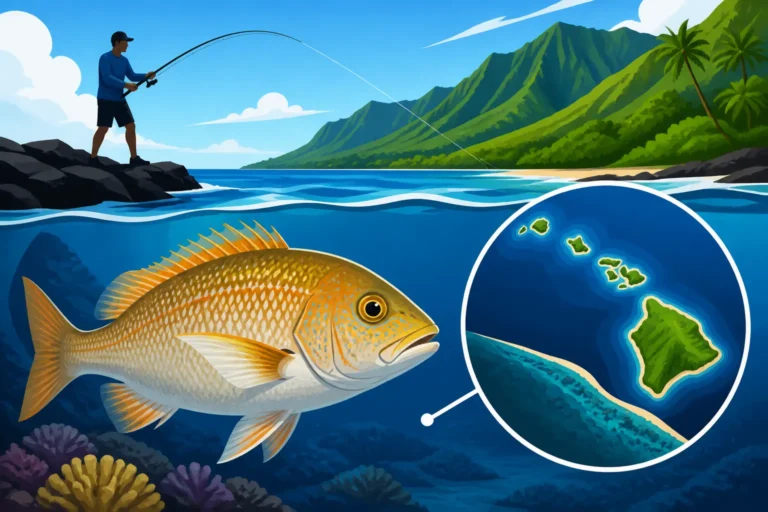
Fishing for shortbill spearfish off the Kona Coast is a truly special experience, one that many anglers cherish. These aren't your giant blue marlin, but their lightning-fast strikes and incredible aerial displays make them a highly sought-after game fish. Kona is particularly renowned for its consistent spearfish action, largely due to its unique oceanographic features, like the deep-water drop-offs that come incredibly close to shore, making pelagic species accessible without a long run out.
Spearfish, like all pelagic species, are creatures of the open ocean, constantly on the move in search of food and favorable conditions. They often travel in smaller schools or pairs, making them a bit more elusive than, say, a huge school of ahi. However, their presence is heavily influenced by the same currents and baitfish concentrations that draw in other billfish and tuna. Understanding their general habits is the first step to pinpointing their peak season.
Unlike some fish that have very strict spawning seasons, spearfish movements are more tied to the availability of their prey and comfortable water temperatures. They are opportunistic feeders, preying on small schooling fish, squid, and crustaceans. This means that where the bait goes, the spearfish often follow, and off Kona, there's a pretty reliable pattern to these movements that experienced captains and anglers have learned to anticipate over decades.
The Kona Coast's calm leeward waters, protected by the massive slopes of Mauna Loa and Hualalai, create an almost ideal environment for targeting these fast-swimming predators. The deep blue water is usually quite clear, and the ocean currents here act like conveyor belts, bringing nutrient-rich waters and baitfish closer to shore. This consistent availability of food sources is a major reason why Kona remains a prime location for shortbill spearfish year-round, even if some months stand out more than others.
Factors Influencing the Peak Spearfish Season
Pinpointing the exact "peak" of any fishing season in Hawaii isn't always as simple as circling a few dates on a calendar. The ocean is a dynamic environment, and various factors, from water temperature to baitfish abundance, play a huge role in how and when spearfish show up in numbers off Kona. Understanding these environmental cues will give you a much deeper insight into the patterns of these magnificent fish.
Ocean Temperatures and Thermoclines
Shortbill spearfish, being warm-water species, are highly sensitive to ocean temperatures. They generally prefer water that's consistently warm, typically in the mid-70s to low-80s Fahrenheit. When these ideal temperatures prevail, and especially when a strong, well-defined thermocline sets up at a specific depth, it creates perfect hunting grounds for them. The thermocline acts like a floor, concentrating baitfish and, consequently, the predators that feed on them.
Off Kona, the deep water heats up reliably during certain times of the year, leading to these favorable conditions. A stable thermocline means the fish aren't scattered across the entire water column, making them more predictable for anglers. Slight temperature changes, however, can push them deeper or wider, requiring adjustments in trolling depths and locations. This is why experienced captains are always checking their fish finders and keeping an eye on the water temperature gauges.
Baitfish Abundance and Migration Patterns
You've heard it a million times: find the bait, find the fish. This old adage holds especially true for spearfish. Their peak season often coincides directly with periods of high baitfish activity. Small tunas like skipjack (aku), mackerel scad (opelu), and various other schooling baitfish are their primary food sources, and when these schools are plentiful, spearfish are sure to be close by.
Off Kona, certain baitfish, such as the opelu, have seasonal movements. When the opelu run is strong, you'll often see a surge in various pelagic predators, including spearfish. Keeping an eye on what bait is active – whether it’s visible on the surface, or marked on sonar – is a critical indicator for finding these billfish. This often involves watching for diving birds, which are usually a dead giveaway for bait activity.
Ocean Currents and Weather Patterns
Hawaii's ocean currents are complex and ever-changing, but they profoundly impact where bait and, subsequently, game fish like spearfish gather. Specific current lines and eddies can create nutrient-rich upwellings that concentrate food sources, making them prime fishing grounds. The consistency of the currents off Kona, which often run north-south, helps create reliable trolling lanes that hold fish.
While Kona is famous for its calm waters, especially on the leeward side, strong winds or large swells can definitely affect fishing conditions and fish behavior. A significant increase in wave height can make it harder to spot fish, and can also push baitfish into different areas or depths. Conversely, periods of sustained calm weather often lead to clearer, more stable ocean conditions that are generally excellent for spearfish. Anglers often find their comfort and success improve when they check weather conditions for their trips, and sometimes even grab an extra wide-brimmed hat or lightweight sun-protective shirt from Amazon for those long, sunny days on the water.
Identifying the Prime Months for Spearfish
Alright, let's get down to brass tacks: when is the best time to target spearfish off the Kona Coast? While spearfish are caught year-round in Hawaii's productive waters, there are definitely periods when their numbers swell, and your chances of a successful hook-up significantly increase. These peak periods are usually a delightful combination of favorable ocean conditions and increased baitfish activity.
The Sweet Spot: Late Winter to Early Summer
For shortbill spearfish off Kona, the absolute prime time generally runs from late winter through early summer. Think February to June, with March, April, and May often highlighted as truly exceptional months. During this window, the ocean temperatures stabilize beautifully, and the baitfish migrations are typically in full swing, creating an abundance of food that spearfish simply can't resist.
This period sees a fantastic confluence of conditions. The cooler, clearer waters of late winter begin to warm up consistently, creating those ideal temperature bands and thermoclines that spearfish love. You'll hear captains talk about the water "getting good" during these months. It’s when the entire ecosystem seems to hum with activity, making it not just great for spearfish, but often for other pelagics as well.
Why These Months Shine
Several factors contribute to these months being the shining stars for spearfish in Kona. Firstly, the consistent trade winds often mean calmer seas on the Kona side, which makes for more comfortable fishing and easier spotting of billfish or bait schools. Secondly, this is a time when many of their primary food sources, like various schooling baitfish and squid, are particularly numerous or migrating through the area.
This doesn't mean you can't catch a spearfish outside of this window – far from it! Experienced anglers and charter captains will tell you they find spearfish throughout the year. But if you're planning a dedicated trip with the sole goal of targeting these speedy billfish, aiming for the February to June timeframe will significantly stack the odds in your favor. It's truly a magical time on the water, with the added bonus that you might also encounter other exciting species like mahimahi or even early-season blue marlin. You can learn more about fishing for other species in Hawaii Fishing Seasons by Month.
Seasonal Nuances and Variability
Even within the "peak" season, there can be subtle variations from year to year, or even month to month. One year, March might be phenomenal, and the next, April could steal the show. This variability is why it's always a good idea to consult with local charter captains or tackle shops just before your trip. They'll have the most up-to-date intel on current conditions and recent catch reports.
For instance, if there's an unusual cold snap or a particularly strong current anomaly, it might temporarily push the fish out of their usual haunts. However, the general pattern of late winter to early summer holds remarkably consistent over time. It's less about hitting one perfect day and more about giving yourself a good window within this broader peak to increase your chances. For details on local regulations that might affect your trip, check out Hawaii Fishing Regulations Explained.
| Month | Spearfish Activity Off Kona | Common Baitfish Activity | Water Temperature Trend |
|---|---|---|---|
| January | Good, improving as waters stabilize. | Moderate | Cooling to Stable |
| February | Very Good, start of peak season. High activity, increasing numbers. | High | Warming slowly |
| March | Excellent, often considered peak. Consistent action, strong numbers. | Very High | Consistently Warm |
| April | Excellent, sustained peak. Continues to be one of the best months. | Very High | Consistently Warm |
| May | Excellent, strong peak continues. Often sees good numbers and sizes. | High | Warming further |
| June | Very Good, tapering off peak but still strong. Good catches, but sometimes more scattered. | High | Steadily Warm |
| July | Good, but blue marlin numbers increase, potentially spreading out spearfish. | Moderate | Very Warm |
| August | Moderate, less concentrated, still present but less of a target. | Moderate | Very Warm |
| September | Moderate, can still find them, but often mixed with other pelagics. | Moderate | Slightly Cooling |
| October | Good, as other pelagic action might slow, spearfish can become a more focused target again. | Moderate | Cooling |
| November | Good, consistent if conditions are stable. | Moderate | Cooling |
| December | Good, steady catches often made, but not in the concentrated numbers of the peak season. | Moderate | Cooling |
Note: This table represents general trends. Actual conditions can vary from year to year.
Maximizing Your Chances During Peak Spearfish Season
Knowing when to go is half the battle; the other half is knowing how to fish effectively for spearfish, especially during their peak season off Kona. These fast, agile billfish require a specific approach, and employing the right techniques and gear can significantly boost your success rate.
Choosing the Right Charter and Captain
If you're serious about targeting spearfish during their peak, booking a reputable fishing charter with an experienced captain is paramount. Not all charters specialize in spearfish, as many focus heavily on marlin or ahi. Look for captains who have a proven track record with spearfish, understand their subtle habits, and are tuned into the daily bite. They'll know the best trolling lanes, the optimal lure spreads, and the ideal depths based on current conditions.
A good captain will also have top-of-the-line gear specifically suited for these light-tackle fighters. Don't be afraid to ask about their spearfish success rates and what kind of tackle they typically use. You're paying for their expertise, so leverage it! It's one of the best investments you can make for a successful trip. For guidance on selecting the right boat, see How to Choose a Hawaii Fishing Charter.
Effective Trolling Techniques and Lures
Spearfish are typically caught while trolling, often alongside other pelagic species. They are aggressive feeders, and a well-presented lure can entice a strike. Here are a few tips:
- Lure Selection: Spearfish often prefer smaller, skirted trolling lures than those used for giant blue marlin. Think 5-inch to 9-inch lures in bright, natural colors like blues, greens, pinks, and purples. Sometimes a lure with a reflective head or a bit of flash works wonders. You might find a great selection of these specialized lures available for purchase on Amazon before your trip.
- Speed and Spread: Trolling speed is usually between 7-9 knots, but captains will adjust based on sea conditions and how the lures are performing. A well-designed spread with lures running at different distances behind the boat helps cover more water and mimic a school of baitfish. Many captains will also include a "shotgun" lure, run way back, which can often pick up the more cautious fish.
- Targeting Depths: While spearfish are often found relatively high in the water column, don't overlook targeting different depths if the bite is slow. Sometimes a deeper-running lure or a rigged natural bait on a downrigger can entice a strike. The captain's sonar will be crucial for identifying bait balls or thermoclines where fish might be holding. You can read more about Trolling Techniques for Hawaii Pelagics to broaden your knowledge.
Gear Considerations and Preparation
While most charters provide all the necessary gear, understanding the equipment can enhance your experience. Spearfish are typically fought on lighter tackle than their marlin cousins, often 30-pound or 50-pound class outfits, which makes for an incredibly fun and challenging fight. The lighter line allows for more sporting battles and gives these fish plenty of opportunities for acrobatic jumps.
Always wear appropriate clothing for a day out on the ocean – light-colored, long-sleeved shirts, hats, and polarized sunglasses are essential for sun protection. A good pair of polarized sunglasses, for instance, can be easily picked up on Amazon and will help you spot activity on the water, from jumping fish to diving birds. Don't forget sunscreen, a camera, and plenty of water or other hydration. If you're prone to seasickness, take preventative measures well before you board the boat. A lost Hawaii fishing license can be replaced, but a miserable day on the water is harder to fix.
Beyond the Peak: Year-Round Spearfish Opportunities
While the late winter to early summer window is undeniably the peak for shortbill spearfish off Kona, it's really important to remember that these waters are productive year-round. Hawaii is a fishing paradise, and spearfish are present in some numbers throughout all twelve months. Missing the "peak" doesn't mean you won't catch one; it just means the concentration might be slightly lower, or you might need to adjust your expectations.
Off-Season Strategies
During the "off-peak" months, particularly in late summer and fall, spearfish might be a little more scattered or less frequently targeted as captains shift their focus to other abundant species like blue marlin or ahi. However, a dedicated captain who knows the subtle signs of spearfish activity can still put you on them. This might involve longer runs to find temperature breaks or current lines, or simply a more patient approach.
Sometimes, during these periods, spearfish are caught as a pleasant surprise while targeting other game fish. They'll often hit the same lures intended for smaller marlin or larger mahimahi. The key is simply to be out on the water, with lines in, because you never know when one of these speedsters will decide to crash your spread. The ocean always holds surprises, and Kona is famous for them.
Double-Duty Fishing
Many anglers coming to Kona have a wish list that includes multiple species. The beauty of fishing Kona is that even when you're targeting blue marlin, which have their own peak season, you're always in with a shot at a spearfish. They often inhabit similar waters and respond to similar trolling presentations, albeit sometimes preferring slightly smaller lures.
This means that if your trip falls outside the spearfish peak, you can still plan a fantastic fishing adventure with the possibility of catching a spearfish as a bonus. A good charter will always be looking for signs of any pelagic activity, and you might find yourself battling a spearfish, then reeling in an ahi, and perhaps even a mahimahi, all in the same day. It's truly a testament to the rich biodiversity and consistent productivity of the Kona Coast waters, making it an angler's dream any time of year. Consider exploring Marlin Fishing off the Kona Coast or How to Catch Ahi in Hawaii for more information on these other exciting targets.
Disclaimer
This article is for general informational purposes only and does not constitute professional advice. Laws, prices and regulations vary by location and change over time. Consult a qualified professional for guidance on your specific situation.