Best Sportfishing Yacht Charters in Kona
Deciding to embark on a sportfishing yacht charter in Kona is like stepping into a dream for many anglers, but the sheer number of options can feel overwhelming. It's tough to figure out which boat, captain, and trip structure will truly deliver that epic Hawaiian big game experience you're after. This guide is here to cut through the confusion and help you confidently select the best sportfishing yacht charter in Kona for an unforgettable adventure.
Understanding Kona's Sportfishing Yacht Charters
Kona, on the Big Island of Hawaii, isn't just another pretty coastline; it's a world-renowned hotspot for big game fishing, especially for those pursuing trophy marlin and other powerful pelagic species. Understanding what makes this area so special, and the specific nature of yacht charters here, is your first step toward an incredible trip.
What Makes Kona a Premier Sportfishing Destination?
There's a reason Kona regularly lands on "best of" lists for sportfishing. It's not just the stunning scenery; it's the unique underwater topography and consistent weather patterns that create a perfect storm for incredible fishing. Right off the Kona coast, the ocean floor drops dramatically, plunging into thousands of feet of water just a few miles from shore. This means less travel time to reach prime offshore fishing grounds, giving you more lines-in-the-water action. The calm, protected waters of the leeward side of the Big Island, often shielded from strong trade winds by Mauna Loa and Hualalai volcanoes, create ideal conditions for comfortable trolling and fighting big fish, even on days when other parts of the islands might be too rough.
This deep-water proximity attracts a diverse array of pelagic species that patrol these rich feeding grounds. You're not just hoping for a big catch; you're fishing in waters known to hold grander marlin – those magnificent fish weighing over 1,000 pounds. Beyond the legendary Pacific blue marlin, you'll also find striped marlin, spearfish, yellowfin tuna (ahi), wahoo (ono), and mahi-mahi. The incredible accessibility to these apex predators makes Kona a truly unique sportfishing playground, offering unparalleled opportunities to tangle with some of the ocean's most formidable creatures. For serious anglers, it’s not just a vacation; it’s a pilgrimage.
Distinguishing Between Charter Types
When you're looking at sportfishing yacht charters in Kona, you'll generally encounter two main types of bookings: private charters and shared charters. Each offers a distinct experience and comes with its own set of considerations. Choosing between them often comes down to your budget, your group size, and your desired level of control over the trip.
A private charter means you have the entire boat to yourself and your chosen companions. This is the ultimate bespoke experience. You dictate the target species (within reason and season), the fishing style, and even the start and end times, offering maximum flexibility and privacy. If you have a specific goal, like chasing a Hawaii state record blue marlin weight or teaching your kids how to fish without distractions, a private charter is invaluable. While often the more expensive option upfront, it can be cost-effective for larger groups, as the total price is split amongst everyone. It also means more rod time for each angler, a huge plus when chasing big game.
Shared charters, sometimes called "walk-on" or "split" charters, involve booking a single spot on a boat with other individual anglers or small groups. This is a fantastic option if you're traveling solo, as a couple, or with a small budget, as it significantly reduces the per-person cost. The downside is that you share the boat, the fishing time, and the decision-making with strangers. The captain will generally aim to please the collective, which might mean a mix of targeting different species or sharing the fighting chair. While you might not get to call all the shots, a shared charter still offers an incredible opportunity to fish Kona's legendary waters and connect with fellow fishing enthusiasts, often leading to new friendships and shared memories. It's a great way to experience world-class fishing without the full private charter investment.
Key Features of a Sportfishing Yacht
When we talk about a "sportfishing yacht" in Kona, we're not just referring to any boat that goes fishing. These vessels are purpose-built machines designed to pursue, hook, and land large pelagic fish in comfort and efficiency. They are engineered with specific features that elevate the angling experience far beyond what a smaller recreational boat could offer.
At the heart of any serious sportfishing yacht is a robust and comfortable fighting chair. This isn't just a place to sit; it's a critical piece of equipment that allows an angler to leverage their body weight and the boat's movement to battle powerful fish for extended periods. Alongside the fighting chair, you'll find heavy-duty rod holders strategically placed around the cockpit, designed to handle the immense forces exerted by large marlin or tuna. Outriggers are another tell-tale sign of a sportfishing yacht, extending from the sides of the boat to spread multiple trolling lines across a wider path, mimicking a school of baitfish and increasing the chances of a strike. They also keep lines clear of prop wash, presenting lures more naturally.
Beyond the fishing deck, these yachts offer amenities that make long days on the water enjoyable. Most will have a comfortable, air-conditioned cabin where you can escape the sun, grab a snack, or take a break. Modern navigation and fish-finding electronics are standard, including high-definition sonar to spot bait schools and lurking predators, and GPS to mark productive spots. Livewells are crucial for keeping baitfish fresh and lively, an absolute necessity when certain Hawaii fishing seasons by month call for live baiting techniques. Many yachts also feature a tuna tower, providing the captain with an elevated vantage point to spot fish activity from afar. These integrated features work together to create a formidable fishing platform, ensuring you have the best possible chance to hook into the fish of a lifetime.
What to Look for in a Top Kona Sportfishing Yacht Charter
With so many choices available, distinguishing a truly top-tier Kona sportfishing yacht charter from an average one can feel daunting. However, by focusing on a few key areas – the expertise of the crew, the quality of the vessel, and the charter's overall reputation – you can make an informed decision that significantly increases your chances of a successful and enjoyable trip.
Captain and Crew Expertise
The captain and crew are arguably the most critical components of any successful sportfishing charter, especially in a competitive and nuanced fishery like Kona's. Their knowledge, skill, and demeanor will directly impact your experience, from finding the fish to making sure you're comfortable and safe. A seasoned Kona captain isn't just someone who drives the boat; they are intimately familiar with the local waters, including subtle currents, underwater structures, and the migratory patterns of target species. They know Best marlin fishing spots off the Kona Coast and when to adjust tactics based on conditions.
A truly great captain has years, often decades, of experience in these specific waters, understanding not just where the fish should be, but where they are on any given day. They can "read" the ocean, interpreting bird activity, bait schools, and even changes in water color to put you in the best position. Alongside the captain, a skilled deckhand is invaluable. They are the ones rigging baits, managing the lines, coaching you through the fight, and ensuring everything runs smoothly in the cockpit. Their ability to quickly react to a strike, clear lines, and gaff a fish can be the difference between a triumphant catch and a heartbreaking loss. Look for charters where the captain and crew are not only experienced anglers but also excellent communicators who prioritize safety and are genuinely enthusiastic about helping you achieve your fishing goals. They should be patient teachers for beginners and knowledgeable guides for experienced anglers, making the whole experience enjoyable, regardless of the size of the fish caught.
Vessel Quality and Maintenance
While the crew brings the expertise, the vessel itself provides the platform for your adventure. The quality and maintenance of a sportfishing yacht directly correlate to your safety, comfort, and the overall effectiveness of your fishing trip. No one wants to spend their hard-earned money on a charter only to find themselves on a rundown boat with unreliable gear.
A top-tier sportfishing yacht will be impeccably maintained, both cosmetically and mechanically. This means clean decks, well-organized tackle, and engines that run smoothly. Ask about the boat's age and how often it undergoes maintenance. Modern electronics, including high-end fish finders, radar, and GPS, are crucial for safely navigating and locating fish efficiently. High-quality fishing tackle, from rods and reels to lines and lures, is also non-negotiable. It's frustrating to hook a monster only to have a faulty reel or worn line cost you the fish. A reputable charter will invest in top-of-the-line gear that is regularly inspected and replaced. This ensures that when you hook into a powerful ahi or a grander marlin, your equipment is up to the task.
Beyond the fishing amenities, consider the creature comforts. A clean, air-conditioned cabin, a functional head (restroom), and comfortable seating can make a significant difference over a long day at sea. These details, while seemingly minor, contribute greatly to a pleasant experience. Before booking, don't hesitate to inquire about the vessel's features, safety equipment (which should always be up to Coast Guard standards, including life jackets, flares, and first-aid kits), and the overall cleanliness of the boat. A well-maintained yacht reflects a captain and crew who take pride in their operation and prioritize their guests' experience and safety.
Reputation and Reviews
In today's interconnected world, a charter's reputation and online reviews are incredibly powerful tools for assessing its quality and reliability. Before you even step foot on a boat, you can gain significant insight into what kind of experience to expect by doing a little research. This is where platforms like FishingBooker become invaluable, providing a centralized hub for genuine angler feedback.
Start by looking for charters with a consistent track record of positive reviews across multiple platforms. Pay attention not just to the star ratings, but to the specific comments. What do previous guests rave about? Is it the captain's ability to find fish, the crew's friendly demeanor, the comfort of the boat, or perhaps their dedication to safety? Conversely, be wary of charters with numerous negative reviews, especially those that highlight issues with communication, cleanliness, or broken gear. While one bad review might be an anomaly, a pattern of complaints is a red flag. Look for responses from the charter itself to negative feedback; a professional and courteous response can often turn a negative into a positive, showing a commitment to guest satisfaction.
Consider the types of trips reviewers took. Did they catch their target species? Was the boat well-equipped? Were they happy with the Hawaii fishing license refund policy if a trip was cancelled? Many reputable charter operations in Kona have dedicated websites showcasing their vessels, crew, and recent catches, often with testimonials. Don't underestimate the power of word-of-mouth recommendations either. If you know someone who has fished in Kona, ask for their honest opinion. Combining online research with personal recommendations gives you the most comprehensive picture, helping you choose a charter that aligns with your expectations and ensures a memorable, rather than regrettable, fishing adventure.
Preparing for Your Kona Sportfishing Yacht Adventure
You've done your research, picked your dream charter, and now the excitement is building! To ensure your Kona sportfishing yacht adventure goes off without a hitch, a little preparation goes a long way. Thinking ahead about what to bring, understanding the local fish and seasons, and knowing basic on-boat etiquette can significantly enhance your trip.
Essential Gear and Personal Items
While a reputable sportfishing yacht charter in Kona will provide all the necessary high-end fishing tackle – rods, reels, lines, and bait – there are several personal items you'll want to bring along to ensure your comfort and enjoyment throughout the day. Forgetting essentials can turn a fantastic day into a frustrating one, so it’s worth taking a few moments to pack thoughtfully.
First and foremost, sun protection is absolutely critical in Hawaii's intense tropical sun. Even on an overcast day, the UV index can be high, and the reflection off the water amplifies the effect. Pack plenty of reef-safe sunscreen (check local regulations for specific requirements), a wide-brimmed hat, and polarized sunglasses to protect your eyes and help you spot fish or bait on the surface. Long-sleeved, lightweight, breathable shirts and pants (or convertible pants) are excellent for fending off the sun's rays. Secondly, hydration is key. While many charters offer drinks, bringing your own reusable water bottle filled with ice and water is always a good idea, along with your preferred snacks. A long day of fighting fish or just being on the water can be draining, and keeping your energy up is important.
If you are prone to motion sickness, take preventative medication before the boat departs, following package directions. Don't wait until you start feeling queasy; it's often too late by then. Having a camera or a waterproof phone case is essential to capture those incredible moments, whether it's a jumping marlin or a smiling crew with a trophy catch. Finally, remember to bring any personal medications, a light jacket or rain shell (especially for early morning departures or unexpected showers), and comfortable boat shoes with non-slip soles. Review the What to Bring on a Hawaii Fishing Charter list provided by your specific charter, as they might have additional recommendations or restrictions. Being prepared allows you to focus entirely on the thrill of the fishing.
Understanding Kona's Pelagic Species and Seasons
Kona is renowned for its diverse pelagic fishery, but what you might target on your sportfishing yacht charter often depends on the time of year. While some species are available year-round, others have peak seasons that increase your chances of a successful encounter. Having a basic understanding of these patterns can help you set realistic expectations and even influence when you book your trip.
The undisputed king of Kona's waters is the Pacific blue marlin. While they can be caught any time, their peak season generally runs from May through September, with July and August often seeing the highest numbers of granders. During these months, the waters are usually teeming with their preferred baitfish, drawing these magnificent predators close to the Kona coast. Striped marlin, another highly sought-after billfish, are more prevalent in the cooler months, typically from November through March. Spearfish, smaller but incredibly acrobatic, are also more common during the winter and spring. So, if landing a specific type of marlin is your primary goal, knowing their seasonal patterns is crucial.
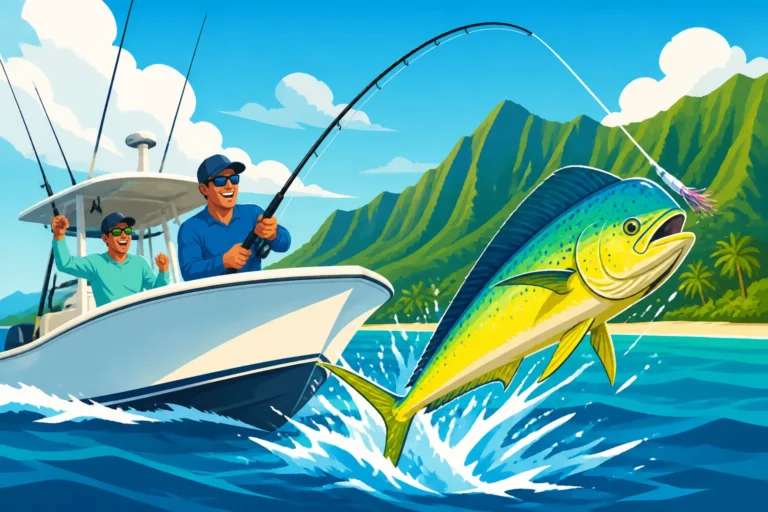
Beyond billfish, Kona offers exceptional opportunities for tuna and other game fish. Yellowfin tuna, or ahi, are a staple of the Hawaiian fishery and can be caught year-round, though larger schools and bigger fish tend to show up during the summer months. Wahoo, known as ono in Hawaii, are prized for their speed and delicious meat; their numbers peak in the summer and fall. Mahi-mahi, with their vibrant colors and acrobatic fights, are also a seasonal favorite, typically showing up in larger numbers during the spring and early summer. Consult a guide like Hawaii Fishing Seasons by Month to get a more detailed picture, but generally, summer offers the broadest range of prime pelagic fishing opportunities in Kona. Discuss your target species with your charter captain beforehand; they'll have the most up-to-date local knowledge to guide your expectations.
Etiquette on a Sportfishing Yacht
Spending a day on a sportfishing yacht is an incredible experience, but it’s also a shared space, even on a private charter, where the captain and crew are working tirelessly to make your trip a success. Adhering to some basic etiquette not only ensures a smoother, more enjoyable trip for everyone but also shows respect for the crew and their vessel. Think of it as being a good guest in someone else's specialized "office."
One of the most important aspects of on-board etiquette is to listen to and follow the crew's instructions promptly. They are the experts in safety, navigation, and fishing techniques. When a fish strikes, chaos can quickly ensue, and the crew needs to execute specific maneuvers without delay. Your cooperation, whether it's moving out of the way, grabbing a different rod, or getting into the fighting chair, is paramount for a successful outcome. Similarly, understand that a yacht charter involves shared expenses and efforts. If you're on a shared charter, respect other anglers' turns in the fighting chair and their space. Even on a private charter, avoid interfering with the crew's work or rummaging through tackle boxes without permission.
Another critical point of etiquette revolves around respect for the vessel and the environment. Keep the boat clean by disposing of trash properly in designated bins. Be mindful of not tracking mud or excessive bait onto clean surfaces. If you bring food or drinks, be considerate and tidy up after yourself. Finally, don't forget the importance of gratuity. Tipping Etiquette for Hawaii Fishing Charters generally suggests a tip for the captain and crew, usually a percentage of the charter cost, to acknowledge their hard work, expertise, and dedication throughout the day, whether you catch a grander or not. A happy crew makes for a better trip, and showing appreciation goes a long way.
Booking Your Ideal Kona Sportfishing Yacht Charter
The decision to book a sportfishing yacht charter in Kona is a significant investment in your angling dreams, so the booking process itself deserves careful attention. Navigating the myriad options, platforms, and questions can feel like a mini-adventure in itself. However, with a strategic approach, you can ensure you secure the perfect charter that meets all your expectations.
Navigating Booking Platforms and Direct Bookings
When it comes to reserving your sportfishing yacht charter in Kona, you essentially have two main avenues: utilizing online booking platforms or contacting charter operators directly. Both have their advantages and disadvantages, and understanding them can help you decide the best approach for your specific needs.
Online booking platforms, such as FishingBooker, act as centralized marketplaces where numerous charter boats list their services. The primary benefit of these platforms is convenience; you can easily compare multiple charters side-by-side, filter by boat size, price, amenities, and target species, and read verified reviews from previous customers. They often provide secure payment processing and clear cancellation policies, which can offer a layer of consumer protection. For many anglers, especially those new to Kona or looking for a wide array of options, these platforms simplify the research and booking process considerably. You can get a good sense of availability and pricing structure from one place, allowing for efficient comparison shopping.
Conversely, booking directly with a charter operator allows for more personalized communication and potentially greater flexibility. When you speak directly with the captain or their booking agent, you can ask very specific questions about their boat, their fishing philosophy, and tailor the trip to your exact preferences. Sometimes, direct bookings might offer slight discounts or more nuanced scheduling options not available through third-party platforms. However, direct bookings often require more individual research to find reputable charters and may have less standardized booking and cancellation policies. Many experienced anglers or those with very specific requirements often prefer the direct approach to build a rapport with the captain. Ultimately, consider your comfort level with research and your desire for direct interaction versus streamlined convenience when making your choice.
Asking the Right Questions Before You Book
You've narrowed down your choices, and now it's time to solidify your booking. Before you commit, a crucial step is to ask a series of pointed questions that will clarify expectations, prevent misunderstandings, and ensure the charter genuinely aligns with your vision for the trip. Don't be shy; a reputable charter will welcome your inquiries.
Start by clarifying what's included in the price. Does it cover bait, tackle, and ice? Are food and drinks provided, or should you bring your own? What about the Hawaii Fishing License Guide for 2026 – do you need to purchase one separately, or is a blanket charter license included (often the case for ocean charters)? These details can significantly impact your overall budget and convenience. Next, delve into the specifics of the fishing: What species will you be primarily targeting, and what are the realistic expectations for that time of year? What fishing techniques will be employed? Discuss the boat's "catch policy" – is it strictly catch and release, or can you keep a portion of your catch for dinner? If so, what are the Hawaii Bag and Size Limits by Species, and what are the arrangements for cleaning and filleting the fish?
It's also vital to understand the charter's policies regarding cancellations, especially due to weather. What happens if weather cancels a Hawaii charter? Will you receive a full refund, or be offered a reschedule? Inquire about the crew: How many deckhands will be on board, and what is their experience level? Finally, don't hesitate to ask for references or to see recent photos of catches. The more information you gather upfront, the more confident you'll feel in your choice, and the less likely you are to encounter unwelcome surprises on the day of your trip. Think of this as your due diligence, ensuring you’ve followed the advice for How to Choose a Hawaii Fishing Charter carefully.
Understanding Costs and Value
The cost of a sportfishing yacht charter in Kona can vary widely, and it's essential to understand what factors contribute to the price so you can assess the true value you're getting. It's not just about the sticker price; it's about what that price includes and what kind of experience it promises. Expect to pay a premium for a top-tier operation, but also understand what justifies that expense.
The primary factors influencing cost include the duration of the trip (half-day, 3/4-day, full-day, or multi-day), the size and luxury of the yacht, and whether you're booking a private or shared charter. Naturally, a private, full-day charter on a large, well-appointed yacht with a seasoned crew will be at the higher end of the spectrum compared to a shared half-day trip on a smaller vessel. The Hawaii Fishing Charter Cost Guide can give you a general overview, but always check specifics. What's often overlooked are the "hidden" or assumed costs. Does the quoted price include fuel, tackle, bait, and ice, or are these added expenses? Some charters include light refreshments, while others expect you to bring everything. Gratuities for the captain and crew, typically 15-20% of the charter fee, are also an expected part of the overall cost and should be factored into your budget.
When evaluating value, consider what the higher price point for a premium charter typically buys you. It usually means a more experienced crew, a meticulously maintained boat with top-of-the-line electronics and gear, and a higher level of personalized service. These elements significantly increase your chances of a successful and memorable trip. A cheaper charter might save you money upfront but could result in frustration due to old gear, an unenthusiastic crew, or a boat that spends more time looking for fish than actually fishing. Ultimately, aim for a balance between cost and the quality of the experience. Read reviews, ask detailed questions about inclusions, and weigh the peace of mind that comes with booking a reputable, well-equipped charter against the allure of a lower price point. Your ultimate goal is a fantastic fishing adventure, and sometimes, paying a little more ensures that goal is met.
Here’s a quick comparison of private versus shared sportfishing yacht charters in Kona:
| Feature | Private Sportfishing Yacht Charter | Shared Sportfishing Yacht Charter |
|---|---|---|
| Cost | Higher overall rate, split among your group | Lower per-person rate, fixed spot |
| Flexibility | High: choose target species, start time, duration | Limited: captain sets agenda, fixed schedule |
| Privacy | Exclusive to your group | Shared with other anglers, often strangers |
| Rod Time | More individual time with a rod | Shared turns at the fighting chair |
| Customization | Tailored to your preferences | General fishing approach to suit varied interests |
| Group Size | Ideal for families, friends, specific events | Good for solo travelers or small groups on a budget |
| Decision-Making | You and your group have significant input | Captain and crew make most decisions collaboratively |
Maximizing Your Sportfishing Yacht Experience on the Water
You've secured your spot on a premier sportfishing yacht charter in Kona, and now it's time for the real fun to begin! Once you're out on the water, there are ways to make the most of every moment, from the initial strike to the post-trip celebrations. It’s about engaging with the process and appreciating the entire experience.
The Thrill of the Fight: Techniques and Gear
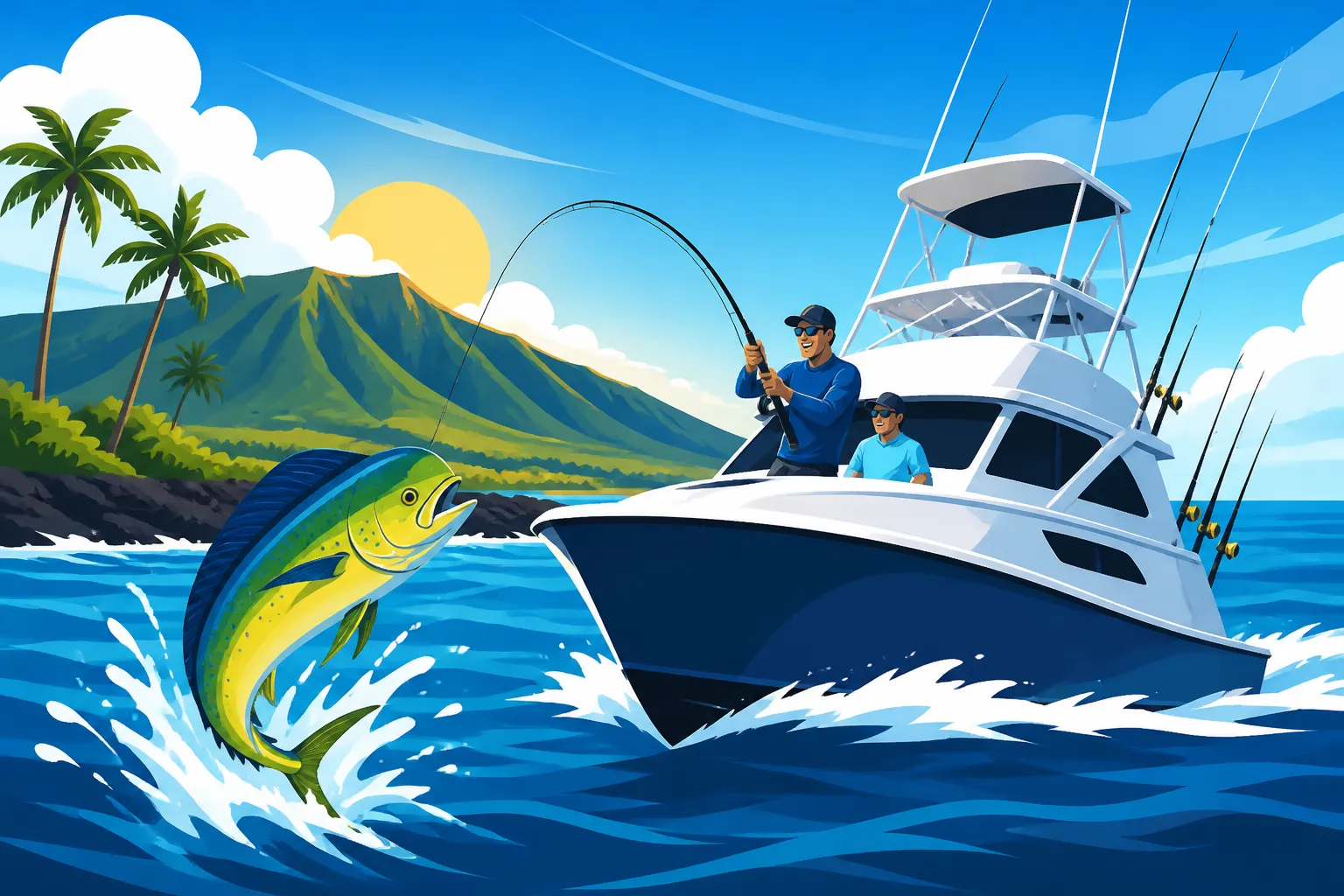
The moment a marlin strikes a trolled lure or an ahi hits a live bait is an electrifying experience that defines big game sportfishing. On a Kona sportfishing yacht, the crew will be using highly specialized techniques and robust gear designed to handle these powerful ocean dwellers. Understanding a bit about what’s happening can enhance your appreciation of the fight.
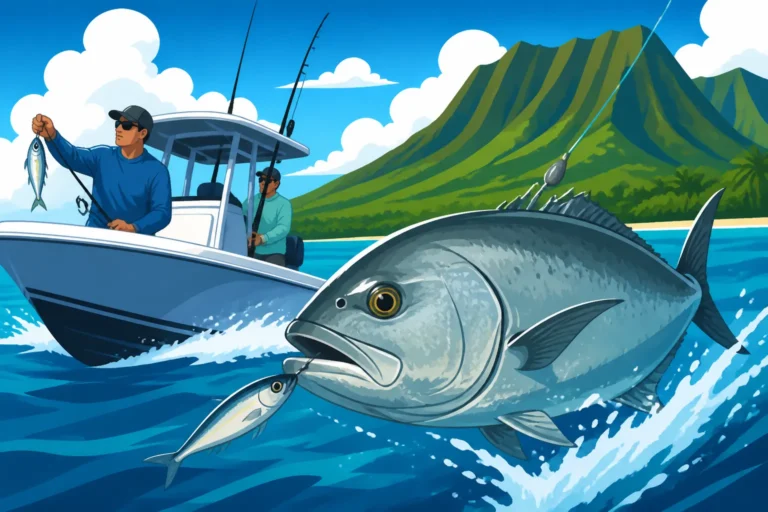
Most Kona charters employ various trolling techniques, dragging a spread of lures or natural baits behind the boat at specific speeds. This is designed to imitate baitfish and attract predatory species like marlin, ono, and mahimahi. When a fish strikes, the crew springs into action, clearing other lines and preparing the angler for the fight. You’ll likely be placed in the fighting chair, which provides stability and leverage against a powerful fish. The gear itself is heavy-duty: stout rods capable of withstanding immense pressure, and large conventional reels spooled with hundreds of yards of heavy monofilament or braided line. The drag system on these reels is crucial, designed to slowly wear down a fish while preventing the line from snapping. The crew will coach you through the process, instructing you on how to pump the rod and reel in line during the fish’s runs.
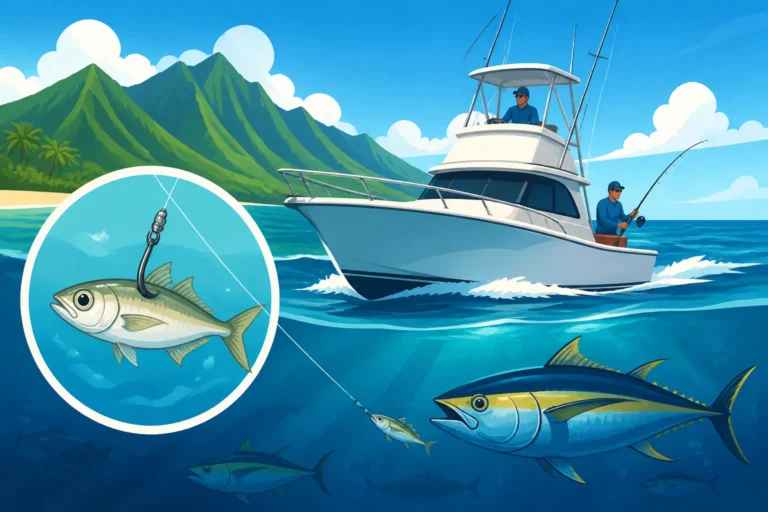
For species like ahi or bottomfish, methods such as jigging or live-baiting might be employed when the boat stops over a productive area or a fish aggregation device (FAD). Jigging involves rapidly raising and lowering heavy jigs to attract fish below the surface, while live-baiting involves using fresh, active baitfish to entice a strike. Each technique requires skill and patience, and the crew's expertise in these methods is paramount. The adrenaline rush of battling a strong fish is unparalleled, and knowing that you're supported by top-tier gear and a seasoned crew allows you to focus solely on the incredible challenge of bringing that fish to the boat. It's a true test of strength and endurance, guided by the experience of your charter team.
Catch and Release vs. Keeping Your Catch
One of the most important discussions you’ll have with your charter captain, or clarify before booking, revolves around the policy on catch and release versus keeping your catch. This aspect touches upon conservation ethics, personal preference, and local regulations, making it a nuanced but crucial part of your sportfishing experience. Responsible angling practices are at the heart of sustaining Hawaii’s incredible fishery.
Many anglers who target billfish, particularly large marlin, opt for catch and release. This conservation-minded approach ensures these magnificent creatures can continue to thrive and reproduce, contributing to the health of the ocean ecosystem. Reputable Kona charters are well-versed in best practices for catch and release, aiming to minimize stress on the fish and maximize its survival chances. This includes quick fights, careful handling at the boat, and efficient removal of hooks or cutting the line close to the hook if removal is too dangerous for the fish or crew. Even with catch and release, the thrill of the fight and the impressive photo opportunities are still unforgettable.
However, if you're hoping to bring home some delicious Hawaiian fish for dinner, many charters allow guests to keep edible species like ahi (yellowfin tuna), ono (wahoo), and mahi-mahi, provided they adhere to all Hawaii Bag and Size Limits by Species set by the Department of Land and Natural Resources (DLNR). Some charters might have a "boat share" policy, where a portion of the catch goes to the crew, and the rest is divided among the anglers. Always confirm these details upfront. Some very large billfish, even if legal to keep, are often released due to their immense size and the amount of meat they provide, which can be overwhelming for a single group. Knowing the charter's policy and expressing your preference beforehand ensures there are no surprises or disappointments once you're back at the dock.
Post-Trip Experience: Fish Processing and Memories
The fishing might be over, but the experience doesn't end when the boat pulls back into Honokohau Harbor or another Kona port. The post-trip activities, from fish processing to preserving your memories, are an integral part of your sportfishing yacht adventure. It’s about celebrating your success and enjoying the fruits of your labor.
If you've managed to land some keepers, one of the most immediate post-trip activities will be fish processing. Most reputable charters offer to clean and fillet your catch right at the dock, or they’ll direct you to a local fish processor. This service is usually included in the charter price or available for a small additional fee. The crew will expertly prepare your fish, often bagging it for easy transport. This fresh, delicious Hawaiian fish is one of the best souvenirs you can take home! Be sure to bring a cooler with you if you plan on taking fish, especially if you’re traveling inter-island or flying home, keeping in mind Hawaii ice chest and catch transport rules for interisland travel.
Beyond the fish itself, capturing and preserving the memories of your trip is paramount. The crew will often take photos throughout the day, especially during the fight and with your catch (whether released or kept). Make sure to bring your own camera or smartphone to get additional shots, and don't hesitate to ask the crew for help getting that perfect hero shot. Many charters also offer services like fish replicas (mounts) for those who release a trophy fish but still want a lasting physical reminder. Sharing stories, reliving the exciting moments of the fight, and reflecting on the beauty of Kona’s waters with your fellow anglers are all part of the invaluable post-trip experience. It transforms a day of fishing into a lasting memory and a story you’ll be telling for years to come.
Disclaimer
This article is for general informational purposes only and does not constitute professional advice. Laws, prices and regulations vary by location and change over time. Consult a qualified professional for guidance on your specific situation.