Hawaii state record blue marlin weight
Every angler who wets a line in Hawaii, especially off the legendary Kona Coast, dreams of the day they hook into a true monster. The ocean here holds secrets and giants, and none are more fabled than the blue marlin. The thought of battling a fish so immense it could rewrite the state's record books is what keeps many of us coming back, day after day, year after year, enduring countless hours of trolling for that one explosive strike that changes everything. This guide is all about that ultimate quest: understanding the sheer magnitude and challenge of the Hawaii state record blue marlin, and what it truly takes to pursue such an incredible catch.
The Legendary Quest for Hawaii's Blue Marlin Records
There's something almost mythical about chasing blue marlin in Hawaii. These magnificent creatures are the apex predators of the deep, powerful and elusive, making any encounter with them a story for the ages. But a state record blue marlin? That's not just a story; that's a legend etched into the annals of Hawaiian fishing history. It represents the pinnacle of skill, luck, and perseverance, a testament to both the angler and the incredible bounty of these waters.
Why Hawaii's Kona Coast is Blue Marlin Country
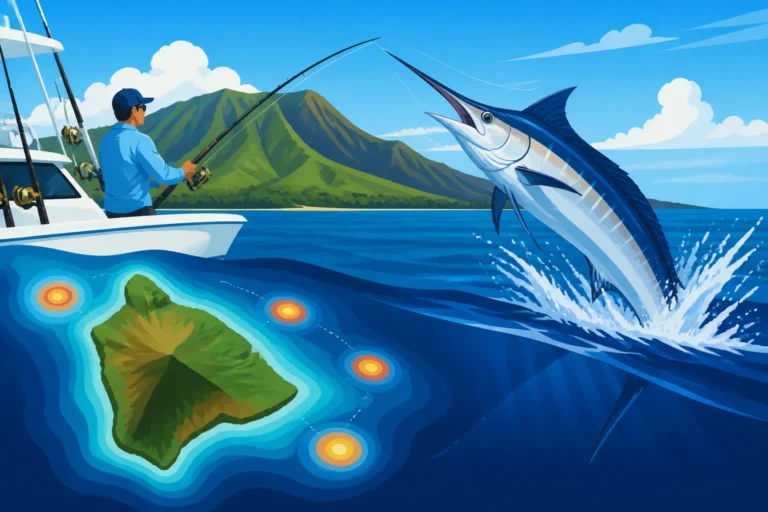
When you talk about giant blue marlin, the conversation inevitably turns to the Kona Coast of the Big Island. This isn't by accident; it's a geographic marvel that creates a perfect storm for these pelagic giants. The deep, calm waters right offshore, often reaching thousands of feet just a few miles from land, create ideal hunting grounds for marlin. The proximity of the Hawaiian Islands, particularly the Big Island, acts like an underwater magnet for baitfish, which in turn attracts the predators that feed on them. You'll find warm currents, underwater seamounts, and deep ocean canyons all contributing to a vibrant ecosystem where big marlin thrive. This unique combination of factors is why so many world-class captains and anglers choose Kona as their base camp for chasing these incredible fish. It’s where some of the biggest blue marlin in the world have been caught, and where the dream of a "grander" (a marlin weighing 1,000 pounds or more) feels most tangible. To truly appreciate the scale, you might want to delve into Marlin Fishing off the Kona Coast.
The Allure and Challenge of a State Record
The allure of a state record isn't just about the size of the fish; it's about the challenge it represents. Imagine hours, sometimes days, on the water without a strike, then suddenly, the reel screams, and chaos erupts. Battling a blue marlin that could contend for a record is an epic struggle, often lasting for hours, pushing both the angler and the crew to their physical and mental limits. It requires heavy tackle, expert boat handling, and a deep understanding of the fish's immense power and unpredictable movements. These fish are notorious for their acrobatic jumps, deep dives, and blistering runs. The fish itself becomes a force of nature, and bringing it to the boat is a monumental achievement. It’s a contest of wills, a dance between human determination and raw, untamed power. For many, it's the ultimate fishing adventure, a test that few are privileged enough to undertake, let alone succeed at.
Understanding the Pinnacle: What Defines a State Record Blue Marlin
When we talk about the "Hawaii state record blue marlin weight," we're not just discussing a big fish. We're talking about a catch that has met incredibly stringent criteria, not only in terms of its weight but also how it was caught and documented. It’s a fish that stands alone, representing the largest of its species ever officially recorded in Hawaiian waters.
The Sheer Size and Power of a Record Contender
To even be considered for a state record, a blue marlin must be truly colossal. These are fish that can dwarf a human being, with bills like swords and tails that can propel them through the water with incredible speed and force. While specific record weights vary over time and by location, any blue marlin approaching or exceeding the 1,000-pound mark – a "grander" – is immediately in rare company. The current state record for blue marlin in Hawaii is a legendary fish, a true giant that has stood the test of time and countless attempts by other dedicated anglers. These are not everyday catches. The sheer size dictates a fight unlike any other. Imagine the strain on your body, the burning in your muscles, and the unwavering focus required to maintain control as hundreds of pounds of pure muscle thrashes, jumps, and dives. It’s an experience that leaves an indelible mark on those fortunate enough to witness it, let alone be part of it. To learn more about their incredible growth, check out Marlin Growth Rate to Grander Size.
Navigating the Rules: IGFA and State Record Requirements
Catching a giant marlin is one thing; getting it certified as a state record is another entirely. The process is governed by strict rules, most often following the guidelines set forth by the International Game Fish Association (IGFA). These rules cover everything from the tackle used (line class, hook type, leader length) to the angling methods (no "switch baiting" or assistance beyond specific parameters). For a fish to qualify, it must be weighed on a certified scale, usually at a reputable harbor or fish-weighing station, and witnessed by official personnel. Extensive documentation is required, including photographs, measurements, and a detailed account of the catch. Any deviation from these rules can disqualify an otherwise record-breaking fish. This rigorous process ensures the integrity of the record, making the achievement even more prestigious. It means that the angler didn't just catch a giant fish, but did so under fair chase rules, demonstrating true skill and adherence to the highest standards of sportfishing.
Strategies and Mindset for Pursuing a Record-Breaking Marlin
Chasing a state record blue marlin is not for the faint of heart or the unprepared. It requires a meticulous approach, from selecting the right people to having the right equipment and the mental fortitude to see it through. It's a journey that often spans many trips and many years, a true test of dedication.
Assembling Your A-Team: Charters, Gear, and Expertise
Your success in pursuing a record-breaking marlin hinges significantly on the team you assemble and the gear you employ. Firstly, choosing the right fishing charter is paramount. You need an experienced captain and crew who know the local waters like the back of their hand, understand marlin behavior, and have a proven track record of finding and fighting giant fish. Look for charters that specialize in heavy tackle marlin fishing and have a deep understanding of IGFA rules. These veteran crews often have their own specific areas and techniques that they believe increase their chances. Researching options like Best Marlin Charters off the Kona Coast can give you a head start.
Next comes the gear. Anglers often spend hours poring over online shops, like those you find on Amazon, searching for the perfect heavy-duty reels, robust rods, and high-quality lines and leaders. We're talking about 80-lb or even 130-lb class tackle, designed to withstand immense pressure for extended periods. Every component, from the swivel to the hook, must be top-notch and meticulously inspected before each trip. Weak points simply aren't an option when a potential state record is on the line. Investing in a good quality fighting belt and harness is crucial, and you can find a wide range of options on platforms like Amazon that can make a difference in your stamina during a long fight. Without this specialized equipment, the chances of landing a true giant become incredibly slim.
The Mental Game: Patience, Preparation, and Persistence
Beyond the physical demands and the right equipment, the mental game plays an enormous role in pursuing a record-breaking marlin. Patience is arguably the most important virtue. Days, or even weeks, can go by without a single strike, testing the resolve of even the most seasoned anglers. You need to be prepared for long hours under the Hawaiian sun, maintaining focus and vigilance for that one moment when a colossal marlin decides to hit your lure. There are fantastic resources, books, and even specialized videos available on Amazon that dive deep into the nuances of marlin behavior and optimal fishing strategies, which can help fuel your preparation and keep your spirits up during the slow times.
Preparation extends to every detail: ensuring all reels are serviced, lines are fresh, lures are meticulously rigged, and the boat is running flawlessly. The crew must work as a synchronized unit, anticipating every move the fish might make and every command from the captain. Persistence means returning to the water day after day, despite setbacks, learning from each experience, and believing that the next bite could be the one. This unwavering dedication, coupled with a calm and strategic approach during the chaos of the fight, is what separates those who dream of a record from those who eventually achieve it. For deeper insights into strategies, consider reading How to Catch Marlin off the Kona Coast.
Beyond the Scales: The Enduring Legacy of Hawaii Marlin Fishing
While the pursuit of a state record blue marlin is undeniably thrilling, the experience of marlin fishing in Hawaii offers so much more than just the potential for a place in the record books. It’s about connecting with the ocean, challenging yourself, and appreciating these magnificent creatures in their natural habitat.
The Thrill of the Catch, Record or Not
Even if you don't land a state record, or even a grander, hooking into any blue marlin in Hawaiian waters is an unforgettable experience. The sheer power of the initial strike, the scream of the drag as hundreds of yards of line peel off the reel in seconds, and the sight of a massive fish erupting from the ocean in a spectacular display of jumps and tail walks – these moments are etched into an angler's memory forever. Each fish, regardless of its size, presents its own unique challenge and teaches you something new about these incredible creatures and your own limits. The stories shared back at the dock, the camaraderie among fellow anglers, and the sheer joy of a successful day on the water are rewards in themselves. It’s a fishing adventure that truly transcends the mere act of catching fish. From the first morning light on the water to the sunset over the Pacific, every moment spent chasing these giants is a privilege.
Protecting the Giants: Conservation and Sustainable Practices
With the immense power and beauty of blue marlin comes a profound responsibility to protect them. While record attempts often involve bringing a fish to the scales for official weight, the vast majority of marlin caught in Hawaii are released to fight another day. Responsible angling and conservation are crucial to ensuring that future generations can also experience the thrill of encountering these majestic fish. Many charters, especially those targeting granders, practice highly effective catch-and-release techniques for fish that are not potential record contenders or for those that anglers simply wish to release.
This includes using appropriate tackle, careful handling at the boat, and minimizing the fight time to reduce stress on the fish. Education about species identification, proper release methods, and adherence to all local fishing regulations are vital components of sustainable sportfishing. Organizations dedicated to marlin conservation actively promote practices that protect these populations. Having a reliable waterproof camera, readily available on Amazon, is also key for documenting releases, allowing you to share the memory without needing to bring the fish aboard. The goal is always to respect the resource, ensuring that the legacy of Hawaii's blue marlin fishery continues to thrive. For more information on ethical fishing, read Marlin catch and release survival tips.
Key Factors for Targeting a Trophy Blue Marlin
Landing a truly enormous blue marlin, one that might even approach the legendary state record, depends on a convergence of many factors. It’s a combination of choosing the right location, understanding the subtle patterns of the ocean, and having both the equipment and the mental fortitude to endure the chase. Here's a quick overview of some critical elements:
| Factor | Description | Importance |
|---|---|---|
| Location | The deep, calm waters of the Kona Coast, particularly around known FADs (Fish Aggregating Devices), seamounts, and deep ocean drop-offs. | Blue marlin actively hunt in these areas due to the abundance of baitfish. |
| Season & Conditions | While possible year-round, the summer months (June-August) are often considered prime for larger blue marlin. Look for calm seas, favorable currents, and bait concentrations. | Understanding Hawaii Fishing Seasons by Month increases your odds. |
| Tackle & Gear | Heavy-duty 80-lb or 130-lb class rods and reels, meticulously maintained with fresh line, strong leaders, and large, sharp circle hooks. Specialized lures are also key. | Essential for withstanding the immense power and long fights of giant marlin. |
| Crew Experience | A seasoned captain and deckhand who possess deep knowledge of marlin behavior, expert boat handling skills, and strict adherence to IGFA rules. | Their expertise in spotting fish, setting lines, and fighting greatly impacts success. |
| Bait & Lures | Live skipjack tuna (aku) or mahi-mahi are prime baits. Large trolling lures in various colors and patterns are also highly effective, chosen based on conditions. | Matching the hatch and presenting an enticing offering is paramount. Check out What marlin eat off the Kona Coast. |
| Patience & Persistence | Hours or days can pass without a strike. The mental fortitude to stay vigilant, maintain focus, and return to the water despite slow periods is critical. | Record fish are rare; the chase is a marathon, not a sprint. |
Disclaimer
This article is for general informational purposes only and does not constitute professional advice. Laws, prices and regulations vary by location and change over time. Consult a qualified professional for guidance on your specific situation.