Menpachi (Squirrelfish) in Hawaii
Many anglers visiting or living in Hawaii focus their attention on the big pelagics like marlin and tuna, or the more famous reef fighters like ulua. But there's a fascinating and delicious fish swimming in our nearshore waters that often gets overlooked: the humble yet vibrant menpachi, also known as squirrelfish. This guide will shine a light on these intriguing nocturnal residents, helping you understand their habits, find them, and successfully add them to your fishing repertoire.
What Exactly are Menpachi (Squirrelfish)?
Menpachi are a group of beautiful, often red or orange-hued fish, commonly known as squirrelfish due to their large eyes and sometimes squirrel-like chattering sounds they make when caught. They're a staple of the Hawaiian reef ecosystem, thriving in rocky and coral environments. While not as big or flashy as some of Hawaii's other famous catches, they are abundant, fun to catch, and make for excellent table fare, especially when prepared fresh.
Identifying Features and Characteristics
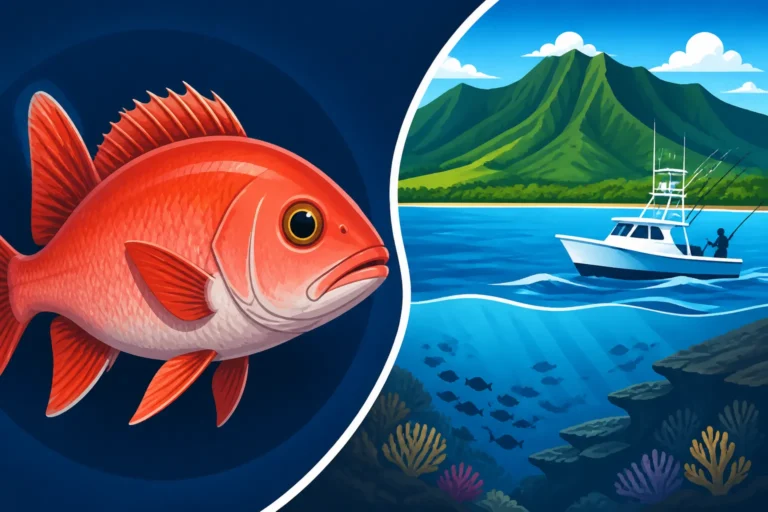
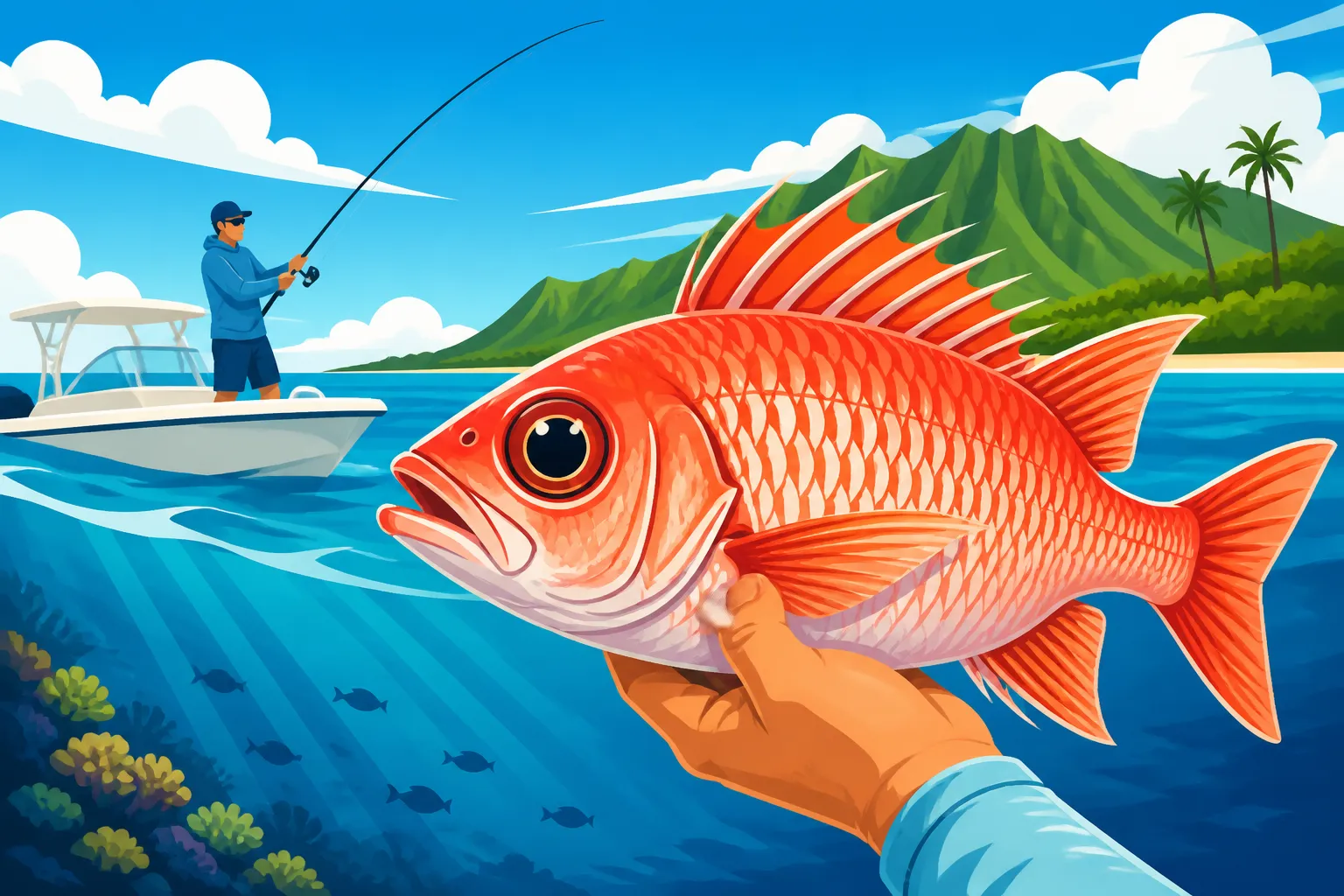
Menpachi are instantly recognizable by their striking appearance. Their bodies are typically stout, with large, often spiny dorsal fins and prominent scales. What really sets them apart, though, are their enormous eyes, which are perfectly adapted for their nocturnal lifestyle. These large eyes allow them to gather maximum light in the dim underwater world after the sun sets. You'll often see them in shades of reddish-orange, sometimes with silvery streaks or darker spots, providing excellent camouflage against the coral and rock formations where they live. They also possess sharp opercular spines (gill plate spines), so always handle them with care, ideally with a glove or by using a fish gripper, to avoid painful pokes. If you're keen on identifying other fascinating creatures you might encounter, our Reef Fish Species Identification Guide for Hawaii offers a broader look.
Beyond their looks, menpachi are known for their auditory signals. When pulled from the water, they can often emit a distinct grunt or croaking sound. This isn't just a quirk; it's a form of communication they use underwater as well. Imagine the quiet of the reef at night, and these subtle sounds helping them navigate or warn others of predators. This unique characteristic adds another layer of intrigue to these often underestimated fish. Their firm, flaky white meat is highly prized, making them a dual-threat as both an engaging target and a delicious meal.
Common Habitat and Behavior
Menpachi are true reef dwellers. You'll find them in and around rocky crevices, coral formations, caves, and ledges from shallow intertidal zones down to significant depths. During the day, they are quite shy and reclusive, seeking shelter deep within these structures to avoid predators. This is why you rarely see them actively swimming around during daylight hours. They’re masters of hiding, using the complex architecture of the reef as their fortress.
However, once twilight descends, it's a completely different story. Under the cover of darkness, menpachi emerge from their daytime hideouts to forage for food. They are primarily carnivores, feeding on small crustaceans, worms, and tiny fish that become more active at night. This nocturnal feeding behavior is crucial to understanding how and when to target them. They rely heavily on their excellent night vision to navigate and hunt in the low light, making them a prime target for night fishing enthusiasts. Their movements are often slow and methodical, not typically characterized by aggressive chases, which influences the types of fishing techniques that prove most effective.
Menpachi's Role in the Hawaiian Ecosystem
While not topping the food chain, menpachi play a vital role in the intricate balance of Hawaii's coral reef ecosystems. As nocturnal predators, they help keep populations of smaller invertebrates and fish in check, preventing any single species from overpopulating and potentially harming the reef. Their foraging habits also contribute to the overall health of the reef by cleaning detritus and keeping the substrate healthy. They are, in turn, a food source for larger predators like sharks, ulua, and even some pelagic species that venture closer to the reefs at night.
Their presence indicates a healthy reef environment, as they are sensitive to changes in water quality and habitat degradation. A thriving menpachi population is often a good sign that the coral reefs are in good condition and can support a diverse array of marine life. Understanding this ecological role deepens our appreciation for these fish, reminding us that every creature, no matter how small or seemingly insignificant, contributes to the grand tapestry of our ocean. It's a testament to the complexity and interconnectedness of Hawaii's unique marine environment, highlighting why responsible fishing and conservation efforts are so critical.
Where to Find Menpachi in Hawaiian Waters
Knowing what menpachi are is one thing, but knowing where to find them is the key to a successful outing. Given their nocturnal and reclusive nature, you won't typically spot them schooling openly during the day like some other reef fish. Instead, you need to understand their preferred hangouts and the environmental cues that trigger their activity.
Preferred Depths and Structures
Menpachi are primarily associated with rocky bottoms, lava tubes, coral heads, and any complex underwater structure that offers plenty of nooks and crannies for hiding. You can find them anywhere from very shallow waters, just a few feet deep, all the way down to several hundred feet. However, for most recreational shore anglers and small boaters, the sweet spot tends to be from 10 to 60 feet of water, especially in areas with significant rock or coral cover. Think about areas with ledges, drop-offs, and submerged boulders – these are prime menpachi territory.
When you're out scouting, look for any signs of underwater caves or dark recesses. These are their daytime sanctuaries. At night, they'll emerge but still tend to stay relatively close to this protective cover. They aren't generally found over vast sandy flats, preferring the security and food sources that structured environments provide. If you're bottomfishing, these are the kinds of spots your sonar should be lighting up with structure, even if it's not showing a dense school of fish directly. Sometimes, the subtle change in bottom composition is all the menpachi need to call a place home.
Best Islands and Locations
You can find menpachi around all the main Hawaiian islands – Oahu, Maui, Kauai, Molokai, Lanai, and the Big Island. Their prevalence is tied directly to the availability of healthy coral reefs and rocky shorelines. On Oahu, spots along the Windward Coast or certain harbors and rocky points after dark can be productive. On the Big Island, the lava-strewn coastlines offer abundant menpachi habitat, particularly the Kona side with its dramatic underwater topography. Maui's diverse shoreline, from the reefs of West Maui to the rugged coastline around La Perouse Bay, also holds good populations.
The trick isn't so much finding a specific "menpachi spot" as it is finding any healthy reef or rocky area, and then timing your fishing to their active hours. Popular areas for other bottomfish, like those mentioned in Best Reef Fishing Spots in Hawaii, are often excellent places to encounter menpachi, especially at night. Always remember to check local regulations, particularly if fishing near a Marine Life Conservation District, as areas like these might have specific rules. It’s important to understand What a Marine Life Conservation District means for anglers before dropping a line.
Understanding Their Nocturnal Nature
This is perhaps the single most critical piece of information for successfully targeting menpachi. They are overwhelmingly nocturnal. While you might catch one or two during a daytime bottomfishing excursion, your chances increase exponentially after sunset. Their large eyes are designed to excel in low light, giving them a distinct advantage over many of their predators and prey once the sun dips below the horizon.
Think about it: during the day, the reef is bustling with activity, many fish species are actively hunting, and the menpachi's bright red color would make them vulnerable. But at night, the larger, sight-dependent predators are less effective, creating a window for menpachi to feed relatively safely. This means that if you're serious about catching menpachi, you need to embrace night fishing. It requires a different approach, a good headlamp (you can find reliable options on Amazon for this), and an appreciation for the quiet, star-filled Hawaiian nights. Prepare for cooler temperatures and the unique ambiance of fishing under the moon and stars, where the ocean takes on a completely different character.
Effective Techniques for Catching Menpachi
Now that we know what menpachi are and where they live, let's talk about how to get them to bite. Catching menpachi isn't about brute force or fancy retrieves; it's about subtlety, presenting the right bait, and understanding their feeding behavior. They're not particularly picky, but precision in your setup and timing makes all the difference.
Essential Gear and Bait Setups
For menpachi, you don't need heavy-duty offshore gear. A light to medium-action spinning rod, around 7-9 feet long, paired with a reel spooled with 10-20 lb monofilament or braided line, is usually perfect. The lighter tackle allows you to feel their subtle bites and makes the fight more enjoyable. As for hooks, small, sharp hooks are key – think size #4 to #1 octopus hooks or small J-hooks. A simple high-low rig or a single dropper loop rig with a small sinker (1/2 to 2 oz, depending on current and depth) works wonders. You want enough weight to get your bait down to the structure but not so much that it gets constantly snagged.
The bait is crucial. Menpachi are not shy about fresh bait. Small pieces of squid, shrimp, or cut fish (like opelu or akule) are incredibly effective. A common and very successful bait is a small piece of squid, no larger than your thumbnail, on each hook. The scent trail from fresh bait in the water is what really draws them out of their hiding spots. Carrying a small cooler to keep your bait fresh will greatly increase your success rate. When purchasing gear, from hooks to line or even a new tackle box, checking out what's available on Amazon can save you time.
Night Fishing Strategies
As established, night is prime time for menpachi. When fishing at night, safety is paramount. Always let someone know where you're going and when you expect to return. A good headlamp (again, great options for durable, waterproof headlamps can be found on Amazon) is non-negotiable for tying knots, baiting hooks, and navigating uneven terrain. You'll also want to bring bug spray, especially if you're near brackish water or dense vegetation.
Once you're set up, cast your bait close to rocky structures or ledges. Let your rig sink to the bottom, then lift it slightly to keep it from getting snagged. Menpachi bites are often subtle, a gentle tug or a slight resistance. Don't wait for a huge strike; if you feel anything out of the ordinary, gently lift your rod to set the hook. Patience is your friend here. Chumming a small amount of chopped bait can also attract them to your area. Remember, you're not trying to blast cast into the abyss; you're gently presenting bait near their homes. This is very different from Night Fishing for Ulua in Hawaii, where larger baits and heavier tackle are usually the order of the day.
Daytime Opportunistic Catches
While nocturnal, menpachi aren't entirely uncatchable during the day. If you're engaging in Bottomfishing in Hawaii during daylight hours, especially in deeper waters or around very dense, dark structure like caves or lava tubes, you might still pull up a few. These are often menpachi that were either too far from their daytime hideout to retreat quickly or were particularly hungry and took a chance.
The technique remains largely the same: small baits presented on the bottom near structure. However, don't expect the same consistent action you'd get at night. Daytime catches are more opportunistic, a bonus to whatever other bottom-dwelling species you might be targeting, like goatfish (kumu or weke) or various snapper species. So, if you're out there during the day, keep your small bait rig handy; you never know when a curious menpachi might decide to make an appearance. Just be prepared for fewer bites than you'd experience after sundown.
Regulations and Responsible Fishing Practices
Just like with any other fishery in Hawaii, there are rules and best practices to ensure menpachi populations remain healthy for generations to come. Fishing responsibly isn't just about following the law; it's about respecting the resource and the unique Hawaiian ecosystem.
Size and Bag Limits
While specific numbers can fluctuate, generally, there are regulations in place concerning the size and quantity of menpachi you can keep. These limits are designed to prevent overfishing and allow fish to reach maturity and spawn. It's imperative that every angler, whether local or visitor, familiarizes themselves with the current Hawaii Bag and Size Limits by Species. These regulations are published by the Hawaii Department of Land and Natural Resources (DLNR) Division of Aquatic Resources (DAR).
Ignoring these limits isn't just illegal; it contributes to the degradation of our precious marine resources. Always measure your fish carefully and release any undersized or oversized fish promptly and safely. The philosophy here is simple: take only what you need, and ensure there's plenty left for tomorrow. It's a key tenet of sustainable fishing in Hawaii and something that all responsible anglers practice.
Conservation Tips for Menpachi
Beyond just adhering to size and bag limits, there are several ways you can contribute to the conservation of menpachi and their habitat. First, minimize your impact on the reef itself. Avoid anchoring directly on coral; if you must anchor, find a sandy patch or use a mooring buoy. If you're wading, be mindful of where you step. Second, practice catch and release for fish you don't intend to eat or those outside the legal limits. Handle them gently with wet hands, remove hooks carefully, and release them quickly.
Consider using circle hooks when possible, as they are less likely to gut-hook fish, increasing their survival chances upon release. Also, be mindful of your trash. Pack out everything you pack in, and never leave fishing line, hooks, or plastic waste on the shoreline or in the water. These seemingly small actions collectively have a huge impact on the health of our reefs and the fish that call them home. Understanding the broader context of Hawaii Fishing Regulations Explained will further help you make informed choices on the water.
Handling and Releasing Your Catch
Menpachi, with their spiny fins and sharp gill plates, require careful handling. If you plan to release a fish, try to handle it as little as possible. Use a dehooking tool if the hook is deep, or simply cut the line as close to the hook as possible if you can't easily remove it. Avoid letting the fish flop around on rocks or dry surfaces. If you want to take a quick photo, do so quickly while supporting the fish horizontally, keeping it close to the water.
For fish you intend to keep, dispatch them humanely and immediately. Bleeding the fish soon after capture will improve its meat quality. Store your catch on ice in a cooler to keep it fresh until you get home. Remember, these fish are primarily nocturnal, so if you're releasing one during the day, try to get it back into a sheltered, dark spot if possible to give it the best chance of survival. Proper handling demonstrates respect for the individual fish and the larger marine ecosystem.
Menpachi in the Kitchen: A Local Delicacy
While they may not be the largest fish in the sea, menpachi are highly regarded for their culinary qualities in Hawaii. Their mild, sweet flavor and flaky white meat make them a favorite among locals, especially when fresh from the ocean. Don't let their relatively small size deter you; what they lack in heft, they more than make up for in taste.
Flavor Profile and Texture
Menpachi boast a delicate, sweet flavor that is often described as cleaner than many other reef fish. The meat is white, firm, and flaky, holding up well to various cooking methods without becoming mushy. There's no strong "fishy" taste, which makes it appealing even to those who are sometimes hesitant about seafood. The texture is consistent and moist, making it a versatile ingredient for a range of dishes.
Because of this mild profile, menpachi readily absorbs the flavors of marinades, spices, and sauces, allowing for a diverse culinary experience. It's a fish that truly shines when prepared simply, allowing its natural sweetness to come through. This is also why it's a popular choice for whole-fish preparations, where the bones and skin add depth to the flavor during cooking. Think of it as a clean canvas for your favorite Hawaiian-inspired flavors.
Popular Hawaiian Preparations
In Hawaii, menpachi are often prepared and enjoyed whole, either steamed, fried, or baked. One classic preparation is steamed menpachi with ginger, green onions, and soy sauce. The gentle steaming highlights the fish's natural flavors while keeping the meat incredibly moist. Pan-frying a whole menpachi until the skin is crispy is another favorite, often served with a squeeze of lemon and a sprinkle of sea salt. For those interested in Best Techniques for Winter Bottomfishing, you'll often find menpachi as part of that winter catch, and knowing how to prepare it is a treat.
Another popular method is to bake menpachi en papillote (in parchment paper) with local vegetables and herbs, which steams the fish in its own juices. You can also fillet menpachi for quick pan-searing or grilling, but many locals argue that cooking it whole maximizes flavor due to the bone structure. Don't be afraid to experiment with different seasonings, but often, simple is best to let the menpachi's natural taste shine. It pairs wonderfully with poi, rice, or a fresh green salad with a lilikoi vinaigrette.
Tips for Cleaning and Filleting
Cleaning menpachi involves the usual steps: scaling, gutting, and removing the gills. Be mindful of those sharp spines mentioned earlier; wear gloves to protect your hands. The scales can be quite tough, so a good quality fish scaler is helpful. Once scaled and gutted, a quick rinse under cold water prepares the fish for cooking. If you're going to cook it whole, you're pretty much done!
If you prefer fillets, the process is straightforward, though menpachi don't yield massive fillets due to their body shape. Start by cutting behind the head, down to the backbone. Then, run your knife along the backbone towards the tail, lifting the fillet as you go. Repeat for the other side. You'll likely end up with two thin, beautiful fillets. The bones can be used to make a flavorful fish stock, adding another dimension to your meal. A sharp, flexible fillet knife will be your best friend here, and you can find a wide array of options, from basic to professional grade, on Amazon. No matter how you prepare it, fresh menpachi from Hawaiian waters is a culinary experience not to be missed!
Disclaimer
This article is for general informational purposes only and does not constitute professional advice. Laws, prices and regulations vary by location and change over time. Consult a qualified professional for guidance on your specific situation.