Hawaii Uhu (Parrotfish) Size and Bag Limits
Navigating the specific rules and regulations for fishing in Hawaii can feel like trying to untangle a particularly stubborn fishing line, especially when it comes to culturally significant and ecologically vital species like the uhu, or parrotfish. It’s easy to get confused about what you can keep, when, and how, leading to unnecessary stress or even accidental violations. This comprehensive guide is here to cut through that confusion, breaking down everything you need to know about Hawaii's uhu size and bag limits so you can fish responsibly and with confidence.
Understanding Uhu in Hawaiian Waters
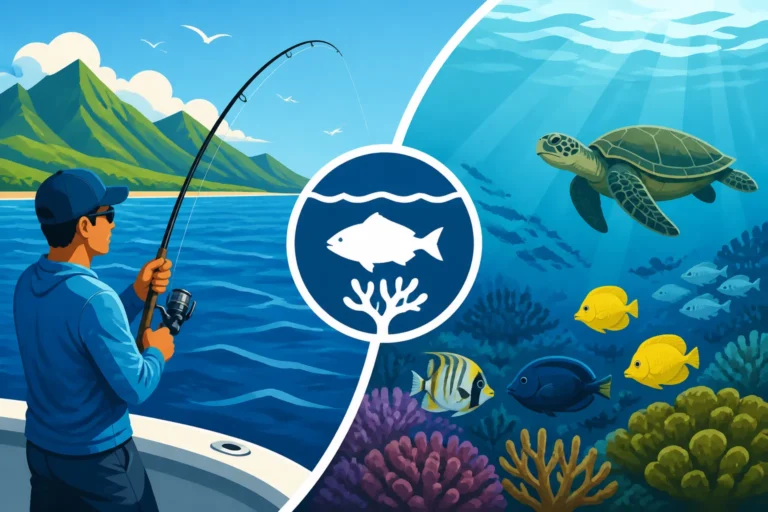
Uhu, commonly known as parrotfish, are not just beautiful residents of Hawaii's coral reefs; they are absolutely essential to the health and vibrancy of these underwater ecosystems. Their unique feeding habits, where they graze on algae off corals, play a critical role in preventing algal overgrowth, which can smother and kill corals. Without them, our reefs would look vastly different, and not for the better. This deep connection to the reef, combined with their traditional importance as a food source, is why understanding their regulations is so crucial for every angler.
Identifying Uhu Species
Hawaii is home to several species of parrotfish, and while the regulations largely apply to uhu in general, knowing some of the common ones can enhance your appreciation and help with identification. You'll often encounter the 'uhu-palukaluka' (Bullethead Parrotfish), 'uhu-ele'ele' (Spectacled Parrotfish), or the striking 'uhu-ahuula' (Redlip Parrotfish). Each has slightly different coloration and growth patterns, but they all share that distinctive parrot-like beak formed by fused teeth, which they use to scrape algae from rocks and corals. For a more comprehensive guide to differentiating these vibrant species, you might find a Reef Fish Species Identification Guide for Hawaii incredibly helpful, especially if you're new to the islands' diverse marine life.
The Ecological Role of Uhu on Reefs
Imagine a garden overgrown with weeds. That's what a coral reef can become without its natural gardeners—the uhu. By constantly scraping algae, they create space for new coral polyps to settle and grow, essentially cleaning the reef. Their feeding also produces fine sand as a byproduct, contributing to the beautiful white sand beaches we all cherish. This vital role means that healthy uhu populations are directly linked to healthy reefs, making their conservation a top priority for state agencies like the Hawaii Division of Aquatic Resources (DAR), which falls under the Department of Land and Natural Resources (DLNR).
Cultural Significance of Uhu in Hawaii
Beyond their ecological importance, uhu hold a special place in Hawaiian culture. Historically, they were a prized food fish, often caught using traditional methods. The name 'uhu-ahuula' specifically refers to the redlip parrotfish, whose vibrant colors were sometimes associated with the feather cloaks ('ahu'ula') worn by Hawaiian ali'i (chiefs). This deep cultural connection means that regulations aren't just about biology; they're also about perpetuating traditions and ensuring that future generations can continue to enjoy and interact with these significant fish, much like understanding the rules for other culturally important species like the Hawaii Moi Closed Season, Explained.
Current Uhu (Parrotfish) Size Limits in Hawaii
When you're out fishing, particularly for reef fish, size limits are one of the most immediate and critical rules to follow. These aren't arbitrary numbers; they are scientifically determined to protect fish at various stages of their life cycle, ensuring they have a chance to reproduce before being harvested. For uhu, these limits are designed to allow juveniles to mature and contribute to the population, and often, to protect the largest, most productive breeders.
Minimum and Maximum Size Rules
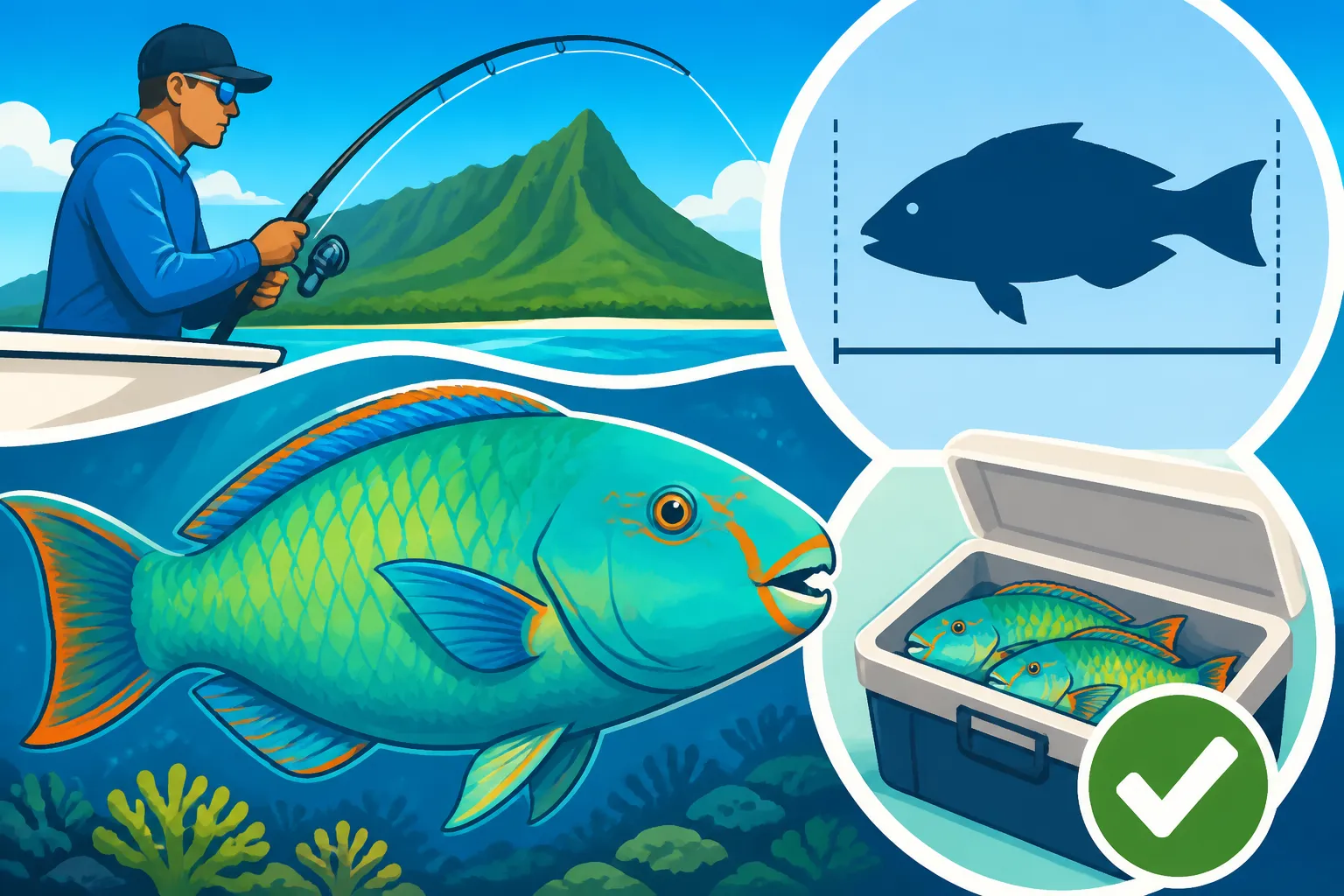
For most uhu species in Hawaii, there is a general minimum size limit of 10 inches (25.4 cm) from the tip of the snout to the tip of the tail. This means any uhu you catch that measures less than 10 inches must be immediately released unharmed. However, there's also a specific maximum size limit for one particular species: the uhu-ahuula (redlip parrotfish). For this species, you are only allowed to keep individuals that measure between 10 and 16 inches (40.6 cm). This means any uhu-ahuula larger than 16 inches must also be released. These precise measurements are critical, and it’s a good idea to have a sturdy, reliable measuring tape or ruler on hand. You can find excellent options, often waterproof and flexible, on platforms like Amazon that are perfect for marine environments.
The Rationale Behind Size Restrictions
The dual size limits for uhu, especially the maximum for uhu-ahuula, might seem a bit counterintuitive at first glance. Why release a big fish? The answer lies in protecting the breeding stock. Larger, mature fish, particularly females, are often the most prolific spawners, contributing significantly more eggs to the next generation. By protecting these 'super breeders,' conservation efforts aim to bolster the overall population. The minimum size, on the other hand, allows younger fish to grow to maturity and reproduce at least once before they are harvested. This scientific approach helps ensure sustainable fishing practices, mirroring the thought process behind rules like Hawaii kumu minimum size limit or Hawaii weke minimum size limit for other reef dwellers.
What to Do if You Catch an Undersized or Oversized Uhu
No matter how careful you are, sometimes you'll reel in a fish that doesn't meet the legal requirements. If you catch an uhu that is either too small (under 10 inches) or, in the case of uhu-ahuula, too large (over 16 inches), the most important thing is to release it quickly and with minimal harm. Handle the fish gently with wet hands, remove the hook as swiftly as possible, and get it back into the water right away. Avoid dropping it on hard surfaces or keeping it out of the water for extended periods. If the fish is deeply hooked, it may be best to cut the line as close to the hook as possible rather than attempting to remove it, which could cause more internal damage.
Hawaii's Uhu Bag Limits and Daily Catch
Beyond size, knowing how many fish you can keep is equally important. Bag limits are in place to prevent overharvesting and ensure that the resource remains abundant for everyone. These limits apply per person, per day, and are designed to spread the catch among more anglers while still allowing for a satisfying day of fishing.
Per Person Daily Bag Limits
For uhu, the general daily bag limit is 10 fish per person per day, regardless of species, provided they meet the specific size limits. This means you can keep up to ten parrotfish, as long as each one is at least 10 inches long, and any uhu-ahuula among them are within the 10-16 inch slot. It’s a straightforward rule that helps manage the daily take. Keeping a mental count, or even a physical tally on a small notepad, can prevent accidental overages, especially during a productive fishing session. For a broader overview of other species, consulting the Hawaii Bag and Size Limits by Species guide can provide valuable context.
Aggregate Bag Limits and Multi-Angler Groups
While the 10-fish limit applies per person, it’s also important to consider aggregate limits, especially if you're fishing with a group. The boat or group limit for uhu is generally 10 uhu per vessel, per day, regardless of how many licensed anglers are on board. This is a critical distinction, meaning even if you have multiple people fishing, the total number of uhu kept from that single boat cannot exceed ten. This measure helps prevent commercial-scale harvesting under the guise of recreational fishing and ensures that the collective impact on the fishery remains sustainable. Always clarify this with your fishing partners before heading out to avoid any misunderstandings or potential violations.
Enforcement and Penalties for Exceeding Limits
The Hawaii DLNR takes its fishing regulations seriously, and for good reason—it’s all about protecting these precious natural resources. Violations of size or bag limits, whether accidental or intentional, can result in significant penalties. These can range from substantial fines, confiscation of your catch and gear, to even more severe consequences depending on the nature and severity of the infraction. For example, if you're caught fishing without the proper documentation, the Fishing Without a Required License in Hawaii: Penalties can be quite steep. The best advice is always to err on the side of caution. If you're unsure about a specific regulation, don't risk it. The goal is to enjoy the ocean responsibly, not to push the boundaries of the law.
Why These Regulations Exist: Conservation and Sustainability
It’s natural to sometimes feel like regulations are just there to make things complicated. But for species like the uhu, these rules are a vital shield against overexploitation, ensuring that fishing remains a viable activity for generations to come. The Hawaiian islands have seen the impact of unregulated harvesting in the past, and these current rules are a direct response to those lessons learned, aiming to strike a balance between allowing harvest and protecting the future.
Protecting Uhu Populations for Future Generations
The primary goal behind any fishing regulation is conservation: to ensure there are enough fish in the sea for tomorrow, not just for today. Uhu populations, while generally resilient, can be vulnerable to concentrated fishing pressure, especially in popular nearshore areas. By setting limits on size and quantity, the DLNR aims to create a sustainable harvest model, allowing fish to grow, reproduce, and replenish their numbers naturally. This forward-thinking approach is fundamental to the health of Hawaii's marine ecosystems, much like the comprehensive approach taken by the Hawaii Fishing License Guide for 2026.
Maintaining Healthy Reef Ecosystems
As we discussed earlier, uhu are the unsung heroes of coral reefs. Their constant grazing activity helps control algae, fostering the growth of corals and supporting the entire reef food web. A decline in uhu numbers can lead to an explosion of algae, which can then choke out corals, leading to a degraded reef environment. The regulations are, therefore, not just about the uhu themselves, but about safeguarding the entire intricate ecosystem they inhabit. This holistic view extends to protecting specific areas, as detailed in discussions about Hawaii Marine Life Conservation Districts, Explained, where fishing activities are often highly restricted to preserve pristine habitats.
Scientific Basis for UH and DLNR Regulations
The rules around uhu fishing aren't pulled out of thin air. They are the result of extensive research and monitoring conducted by marine biologists and resource managers, often in collaboration with institutions like the University of Hawaii (UH) and the DLNR's Division of Aquatic Resources (DAR). Scientists study growth rates, reproductive cycles, migration patterns, and population dynamics to determine what levels of harvest are sustainable. They use data on fish size at maturity, spawning seasons, and overall population health to inform the regulations. This science-driven approach ensures that the rules are based on the best available evidence, constantly reviewed, and adjusted as new information emerges or environmental conditions change.
Gear and Techniques to Comply with Uhu Regulations
Knowing the rules is one thing; putting them into practice is another. The right gear and responsible techniques can make all the difference in ensuring you're compliant with uhu regulations and minimizing your impact on the marine environment. It's about being prepared and thoughtful in your approach, which ultimately leads to a more enjoyable and ethical fishing experience.
Measuring Your Catch Accurately
The 10-inch minimum and 16-inch maximum (for uhu-ahuula) size limits mean you'll need a reliable way to measure your catch. A simple, waterproof measuring tape is indispensable. Look for one that's flexible and clearly marked, making it easy to get an accurate reading even on a wriggling fish. Many anglers find roll-up tapes or even pre-marked rulers adhered to their cooler or kayak to be very practical. Remember, you measure from the tip of the snout to the tip of the tail. When in doubt, it’s always better to release a fish if you're on the borderline. Durable and easy-to-read measuring devices are readily available on Amazon and are a small but crucial investment for any responsible angler.
Responsible Catch and Release Practices
For fish that don't meet the legal size or species-specific requirements, responsible catch and release techniques are paramount. This means minimizing the stress and injury to the fish so it has the best chance of survival. Here are a few tips:
- Handle with Care: Use wet hands to avoid removing the fish's protective slime layer, and support its body weight.
- Dehook Quickly: Use needle-nose pliers or a dehooking tool to remove hooks efficiently. Barbless hooks can also make removal much easier.
- Avoid Air Exposure: Keep the fish in the water as much as possible, especially if you need to take a quick measurement or photo.
- Revive If Needed: If the fish seems sluggish, gently hold it upright in the water, facing into the current, until it regains strength and swims off on its own.
These practices are not just for uhu; they apply to all fish you intend to release, contributing to the overall health of the fishery.
Selecting Gear to Target Legal-Sized Uhu
While uhu are often caught incidentally while targeting other reef fish, you can influence your catch towards legal-sized fish by your gear choices. Using slightly larger hooks (e.g., circle hooks in sizes 4/0 to 6/0) can help reduce the number of very small fish that get hooked, as smaller fish may have difficulty taking a larger bait or lure. Also, consider the type of bait. While uhu are primarily herbivorous, they can be tempted by various baits. Using chunk baits of local fish or even some synthetic baits can be effective. Your choice of line strength is also important; while not directly tied to size limits, a heavier line might be necessary to avoid break-offs on sharp coral when fighting a larger uhu. Learning about different Shore Fishing Techniques for Hawaii can further refine your approach.
Common Misconceptions and FAQs about Uhu Fishing
Even with all the rules laid out, there are always those lingering questions or misunderstandings that pop up. Addressing these common points of confusion can help new and experienced anglers alike feel more confident and prepared when fishing for uhu in Hawaii.
Distinguishing Uhu from Other Reef Fish
Sometimes, especially for beginners, it can be tough to tell one reef fish from another. While uhu have a distinct parrot-like beak, other fish like certain types of wrasse or chubs might look similar from a distance. The key is to look for that fused, plate-like mouth. Uhu also come in an incredible array of vibrant colors, often changing significantly throughout their life stages, which can add to the confusion. If you're unsure, it's always best to assume it might be regulated and check carefully or simply release it. Having a good, waterproof fish identification card or app on your phone can be a lifesaver in these situations. Remember, a picture can sometimes clarify things later, but releasing first is always safest.
What About Uhu Ahuula (Redlip Parrotfish) and Their Unique Rules
The uhu-ahuula, or redlip parrotfish, deserves a special mention because it's the specific species with that maximum size limit of 16 inches. This fish is particularly vibrant, often displaying reds, oranges, and greens, and can be quite striking. Because of its specific conservation needs, likely due to its role as a key breeder or perhaps slower growth rates in its larger stages, it has this extra layer of protection. It's not enough to just know the general uhu rules; you need to be able to identify this particular species to ensure you're compliant. Missing this distinction could lead to an accidental violation. For more detailed information on this unique species, you can look up specific rules like Hawaii Uhu ahuula closed season dates to ensure full compliance.
Reporting Violations and Understanding Your Kuleana (Responsibility)
Beyond just following the rules yourself, a crucial part of being a responsible angler in Hawaii is understanding your kuleana – your responsibility – to the resource and the community. This includes being aware of potential violations by others and knowing how to report them. If you witness someone exceeding bag limits, keeping undersized fish, or engaging in other illegal fishing activities, you can anonymously report it to the DLNR's enforcement division (Division of Conservation and Resources Enforcement, DOCARE). Your observations can help protect Hawaii's marine resources for everyone. It's not about being a "tattletale" but about active stewardship of a shared and precious environment, a principle that underpins all Hawaii Fishing Regulations Explained.
Hawaii Uhu (Parrotfish) Regulation Summary
To quickly recap the essential information, here's a table summarizing the general uhu regulations in Hawaii:
| Regulation Type | General Uhu (All Species) | Uhu-Ahuula (Redlip Parrotfish) | Notes |
|---|---|---|---|
| Minimum Size Limit | 10 inches (25.4 cm) | 10 inches (25.4 cm) | Measured from snout to tail tip. |
| Maximum Size Limit | None (for general uhu) | 16 inches (40.6 cm) | Any uhu-ahuula over 16" must be released. |
| Daily Bag Limit | 10 fish per person | Included in 10 fish per person limit | Applies to all species combined. |
| Boat/Group Limit | 10 fish per vessel | Included in 10 fish per vessel limit | Total catch for entire party on one boat. |
| Methods | Hook-and-line, spear fishing (specific rules apply) | Hook-and-line, spear fishing (specific rules apply) | Always check Hawaii Spearfishing Regulations if applicable. |
Disclaimer
Please remember that fishing regulations, including those for uhu (parrotfish) in Hawaii, are subject to change by the Department of Land and Natural Resources (DLNR) at any time. While we strive to provide the most current and accurate information, it is always your responsibility to verify the latest regulations directly with the Hawaii DLNR Division of Aquatic Resources (DAR) before you head out on your fishing trip. Local conditions, emergency closures, or specific area restrictions may also apply. Safe and responsible fishing starts with staying informed!