How to book a fishing charter out of Lahaina Harbor
Planning a fishing trip to Maui often brings dreams of casting lines into the deep blue, but figuring out how to actually get on a boat out of a specific harbor, like Lahaina, can feel like navigating a maze of options and unknown details. This guide will walk you through everything you need to know about booking a fishing charter from Lahaina Harbor, from choosing the right trip to preparing for your adventure, ensuring a smooth and exciting experience on the water.
Why Choose Lahaina Harbor for Your Fishing Charter?
Lahaina, with its vibrant Front Street and picturesque harbor, isn't just a historic whaling town; it's a premier launching point for some of the best fishing in Hawaii. Anglers are drawn to this spot for its convenience, diverse marine life, and the sheer number of experienced captains ready to take you out.
A Rich Fishing History and Convenient Location
Lahaina's history is deeply intertwined with the ocean. For centuries, Hawaiians fished these waters, and in the 19th century, it became a global whaling hub. Today, while the whales are protected, the deep-sea fishing tradition continues with modern sportfishing. The harbor itself is bustling, located right in the heart of West Maui, making it easily accessible from popular resort areas like Kaanapali and Wailea. You won't have to travel far to get to your boat, which is a huge plus, especially for early morning departures. The ease of access, combined with a beautiful setting, truly enhances the pre-fishing excitement. Just being at the harbor, watching the activity, sets the tone for a fantastic day.
Many captains operating out of Lahaina have generations of knowledge about these specific waters. They know the currents, the deep-water FADs (Fish Aggregating Devices), and the secret spots where different species tend to congregate. This local wisdom is invaluable and a significant reason why anglers choose Lahaina. When you're looking for Lahaina Harbor Fishing Access, you're not just finding a dock; you're tapping into a legacy of ocean expertise.
Diverse Fishing Opportunities
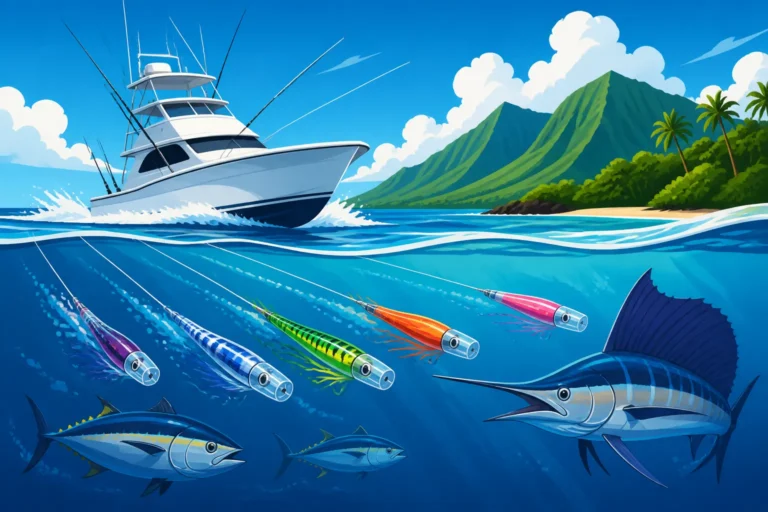
One of the greatest advantages of fishing out of Lahaina Harbor is the incredible diversity of species you can target. Just a short run offshore, you can be in prime waters for pelagic giants. Think about battling a powerful Ahi (yellowfin tuna), a lightning-fast Ono (wahoo), or the iconic Mahimahi (dolphin fish) with its brilliant colors. For those dreaming of a true billfish encounter, blue marlin and striped marlin are also frequently caught. The deep drop-offs and underwater structures off Maui’s west coast create perfect habitats for these offshore predators.
But it’s not just about the big game. If bottomfishing is more your style, Lahaina offers access to reefs and ledges teeming with snapper species like Opakapaka (pink snapper) and Onaga (ruby snapper), as well as various trevally (Ulua and Papio) and goatfish (Kumu, Weke). Some charters even specialize in targeting specific reef species using lighter tackle, which can be a blast. Whether you're an experienced angler seeking a trophy or a family looking for a fun day reeling in some dinner, Lahaina’s waters truly offer something for everyone. You can learn more about what you might catch by checking out Hawaii Pelagic Species Bag Limits and Hawaii Bag and Size Limits by Species.
Understanding Your Charter Options from Lahaina
When you start looking at Lahaina charters, you'll quickly see there's a wide range of experiences on offer. Knowing the differences between private and shared trips, and various trip durations, will help you narrow down the best choice for your group and budget.
Shared vs. Private Charters
This is often the first big decision you'll make. A private charter means you have the entire boat to yourself and your chosen companions. This offers ultimate flexibility: you decide who comes, what type of fishing you want to do (within reason and captain's advice), and often, the exact start and end times. It’s perfect for families, groups of friends, or serious anglers who want dedicated attention from the crew and don't want to compromise on their target species or techniques. While it generally comes with a higher price tag overall, when split among a group, it can sometimes be quite competitive per person, and the personalized experience is often worth every penny. You get to call the shots, spend more time learning from the crew, and avoid any potential personality clashes with strangers.
On the other hand, a shared charter, also known as a "walk-on" or "split" trip, means you'll be booking a single spot on a boat with other individual anglers or small groups. This is a much more budget-friendly option for solo travelers or couples who don't want to commit to the cost of a private boat. The downside is that you have less control over the type of fishing, and you’ll share the space and the fishing action with others. The captain will typically try to accommodate everyone, but the target species or fishing style might be a group consensus or the captain's preference for the day. It’s a great way to meet other fishing enthusiasts and still get out on the water without breaking the bank. Many visitors find shared charters to be a social and enjoyable way to fish.
| Feature | Private Charter | Shared Charter |
|---|---|---|
| Cost | Higher overall, but potentially good per person for groups | Lower per person |
| Group Size | Your private party only | You + other anglers (boat usually fills up) |
| Flexibility | High (target species, timing, fishing style) | Limited (captain/group consensus on targets) |
| Privacy | Full privacy for your group | Shared experience with strangers |
| Crew Attention | Dedicated to your group | Shared among all anglers |
| Ideal For | Families, serious anglers, special occasions, groups | Solo anglers, couples, budget-conscious individuals |
Half-Day, Full-Day, and Specialized Trips
The duration of your charter can significantly impact your experience and what you're able to catch.
Half-day charters typically run for 4-6 hours. These are excellent for beginners, families with young children, or those who want a taste of Hawaiian fishing without committing to a full day on the ocean. While you can certainly catch great fish on a half-day trip, your range might be slightly more limited, and you'll have less time to chase down elusive species or explore multiple fishing grounds. These trips are often more focused on inshore trolling for pelagics or accessible bottomfishing spots. It's a fantastic introduction, often allowing you to be back on shore by lunchtime, leaving the afternoon free for other activities.
Full-day charters usually last 8-9 hours and are generally recommended for more experienced anglers or groups truly dedicated to maximizing their chances. With a full day, the captain has more time to travel further offshore to prime fishing grounds, switch between different techniques (trolling, jigging, live baiting), and wait out slower periods. This increased flexibility significantly ups your odds of encountering larger, more sought-after species, especially big marlin or ahi. If your goal is a trophy catch or a diverse haul, a full-day trip is almost always the better investment.
Beyond these standard options, some Lahaina charters offer specialized trips. These might include dedicated bottomfishing charters, night fishing trips for Ulua, or even longer multi-day excursions if you're truly ambitious. While less common, it's worth inquiring if you have a very specific fishing goal in mind. For many, a "full-day fishing charter out of Lahaina Harbor" is the sweet spot, balancing adventure with practical duration.
What to Expect: Gear, Bait, and Expertise
When you book a reputable fishing charter out of Lahaina, you can generally expect them to provide all the essential gear and expertise you'll need. This typically includes:
- Rods and Reels: High-quality, well-maintained fishing rods and reels suited for the target species, whether it's heavy tackle for marlin or lighter gear for bottomfish.
- Bait and Lures: Live bait, dead bait, and a variety of trolling lures are usually provided. The crew will select the best options based on current conditions and target fish.
- Safety Equipment: All boats are required to carry essential safety equipment, including life jackets, first-aid kits, and communication devices. You can read more about Hawaii Boating Laws for Anglers for specifics.
- Experienced Crew: This is arguably the most valuable part of a charter. Your captain and deckhand are professionals with extensive knowledge of the local waters, fish behavior, and fishing techniques. They’ll be responsible for navigating, setting lines, spotting fish, and helping you reel in your catch. They’re also typically great at sharing stories and local insights, making the trip even more enjoyable.
While some boats might offer refreshments, it’s always a good idea to confirm what's included and what you should bring yourself. Most charters will have a cooler with ice, so you can bring your own snacks and drinks. Don't forget, one of the best aspects of a charter is the crew's dedication to making your trip successful and enjoyable. They’ll often go the extra mile to put you on fish and ensure a memorable experience. Check out What to Expect on a Hawaii Fishing Charter for more details.
The Step-by-Step Process of Booking Your Charter
Booking a fishing charter shouldn't be stressful. With a little planning and research, you can secure the perfect trip from Lahaina.
Researching and Comparing Charters
The internet is your best friend when it comes to finding and comparing charters. Start by searching for "Lahaina fishing charters" or "fishing charters Maui." You'll find numerous charter websites, but also aggregation platforms that list many boats in one place. One such platform, FishingBooker, is a popular choice for comparing different charters, reading reviews, and seeing availability. It allows you to filter by location, boat type, trip duration, and even target species, giving you a clear overview of your options.
When researching, pay close attention to:
- Reviews: What are previous customers saying? Look for consistent themes regarding the crew's professionalism, fishing success, boat condition, and overall experience.
- Boat Details: Look at photos of the boat. Is it clean and well-maintained? Does it look comfortable and appropriate for your group size? What kind of electronics and amenities does it have?
- Target Species: Make sure the charter specializes in or frequently targets the fish you're hoping to catch.
- Pricing: Compare the cost structure. Is it per person or for the entire boat? What's included and what's extra? This will give you a good sense of the Hawaii Fishing Charter Cost Guide.
- Captain's Experience: How long has the captain been fishing these waters? Do they have a strong track record?
Don't be afraid to cast a wide net initially, comparing several options before narrowing down your favorites. Platforms like FishingBooker make this comparison process much easier by consolidating information.
Key Questions to Ask Before Booking
Once you have a few charters in mind, it's wise to reach out to them directly with some questions. Even if you book through a platform like FishingBooker, a quick email or call can clarify specifics and give you a better feel for the operation.
Here are some essential questions to ask:
- "What's your typical fishing strategy for a trip of this duration?" This helps set expectations for whether you'll be trolling, bottomfishing, or a mix.
- "What's your policy on keeping fish?" Some charters are strictly catch-and-release for certain species, while others will clean and fillet your catch for you. Make sure this aligns with your goals.
- "What happens if the weather is bad?" Understand their cancellation or rescheduling policy for inclement weather.
- "Do I need my own fishing license?" While most offshore charters cover the vessel's licensing, it's always good to confirm if individual angler licenses are needed for their specific type of operation. Generally, recreational ocean fishing in Hawaii does not require a license for residents or non-residents unless you are commercial fishing. However, there are exceptions for certain areas or activities, so confirming with your charter is key. You can also explore Do You Need a Fishing License in Hawaii for general information.
- "What should we bring with us?" Get a definitive list of recommended items.
- "Are there any age or physical restrictions?" Important if you're traveling with very young children, seniors, or individuals with mobility concerns.
- "What's your tipping policy/custom for the crew?" While discussed below, it's good to know if they have specific recommendations.
Getting clear answers to these questions upfront will prevent surprises and ensure a more enjoyable trip.
Making Your Reservation and Deposit
After you've done your research and asked your questions, it's time to book! Most charters will require a deposit to secure your date, with the balance due on the day of the trip. Booking through platforms like FishingBooker usually streamlines this process, handling the deposit securely and providing instant confirmation. They'll also send reminders closer to your trip date, which is super helpful when you're caught up in vacation planning.
When making your reservation, be sure to:
- Confirm the date, time, and duration of your trip.
- Verify the number of people in your party.
- Note the captain's contact information and the exact meeting point at Lahaina Harbor. Sometimes, specific slips can be a little tricky to find among the bustling docks.
- Understand the cancellation policy. Life happens, and it's important to know your options if plans change unexpectedly. This is especially true for popular times of the year, when spots fill up fast.
Once you have your confirmation, you can breathe a sigh of relief – your Lahaina fishing adventure is officially on the calendar!
Preparing for Your Lahaina Fishing Adventure
A little preparation goes a long way in ensuring your day on the water is comfortable and successful.
What to Bring on Board
Even though your charter will provide the fishing gear, there are several personal items you should absolutely bring to make your trip more enjoyable. Think about what will protect you from the elements and keep you comfortable for several hours at sea.
Here’s a checklist of essentials:
- Sun Protection: The Hawaiian sun is intense, even on cloudy days. Bring reef-safe sunscreen (required in Hawaii), a wide-brimmed hat, and polarized sunglasses to protect your eyes and help you spot fish or structure in the water. Long-sleeved, lightweight shirts are also a good idea.
- Food and Drinks: While some charters may offer water or sodas, it’s best to bring your own snacks, lunch, and plenty of water to stay hydrated. A small cooler of your own is often welcome if you have specific dietary needs or preferences.
- Rain Gear or Light Jacket: Weather can change quickly in Hawaii. A lightweight, waterproof jacket can be a lifesaver if a sudden shower rolls through or if it gets breezy offshore. Even on a hot day, the wind can make it feel cooler on the water.
- Appropriate Footwear: Wear non-slip shoes with good grip. Flip-flops are fine for getting to the boat, but something more secure is better for moving around on a rocking deck.
- Camera: You'll want to capture those trophy fish moments and the stunning Maui scenery. Make sure it's secure or in a waterproof case.
- Seasickness Medication: If you are prone to motion sickness, take medication before you board the boat. Ginger chews, acupressure bands, or over-the-counter remedies can make a huge difference. Don't wait until you feel ill; by then, it's often too late. Read Seasickness tips for a Hawaii fishing charter for more guidance.
For a more comprehensive list, you can check out What to Bring on a Hawaii Fishing Charter. Remember, space on a boat can be limited, so pack smart and only bring what you truly need.
Understanding Weather and Sea Conditions
The Pacific Ocean around Maui can be beautiful and calm, but it can also get rough very quickly. Your captain is the ultimate authority on whether it's safe and reasonable to go out. They monitor forecasts closely and will make decisions based on the safety of their passengers and crew, as well as the likelihood of a productive trip.
If the weather looks iffy, don't be surprised if the captain contacts you to discuss options – whether it's rescheduling, adjusting the trip duration, or outright canceling. This is for your safety and comfort, and reputable captains prioritize this above all else. Trying to fish in dangerously rough conditions is not only unpleasant but also unsafe. Embrace the flexibility, as rescheduling for better conditions often leads to a much more enjoyable and successful day. Trust your captain's judgment; they know these waters intimately.
Tipping Etiquette and Post-Trip Considerations
After a fantastic day on the water, showing your appreciation to the crew is customary and very much appreciated. In the charter fishing industry, tipping is an important part of the crew's income, much like in restaurants.
- Tipping Guidelines: A general guideline is to tip 15-20% of the total charter cost. If the crew went above and beyond, provided excellent service, worked hard to put you on fish, or made the trip particularly memorable, feel free to tip more.
- How to Tip: It's best to give the tip directly to the captain or the deckhand (or both, if you want to split it). Cash is always preferred.
- Fish Filleting: If you've kept fish, most charters will offer to clean and fillet your catch for you, often for an additional small fee or as part of the tipping expectation. This is a valuable service, as filleting a large pelagic fish can be a significant task. Be sure to bring a cooler with ice to transport your fresh fillets home safely.
Beyond tipping, remember to leave a positive review for your charter if you had a great experience. This helps other anglers find quality operations and supports the hard-working crew. If you're staying on Maui, inquire about local restaurants that might cook your fresh catch for you – it's a fantastic way to enjoy the fruits of your labor! You can get more information on Tipping Etiquette for Hawaii Fishing Charters.
Booking a fishing charter out of Lahaina Harbor is an incredible opportunity to experience the thrill of Hawaiian fishing. By understanding your options, asking the right questions, and preparing properly, you're set for an unforgettable adventure on Maui's beautiful waters.
Disclaimer
This article is for general informational purposes only and does not constitute professional advice. Laws, prices and regulations vary by location and change over time. Consult a qualified professional for guidance on your specific situation.