Best charters departing from Kihei
Staring out at the sparkling waters off Kihei, it’s easy to dream of reeling in a magnificent mahi-mahi or a feisty ono. But when it comes to actually booking a fishing charter, the sheer number of options can quickly turn that dream into a head-scratching puzzle. You want to find the right boat, the right crew, and the right trip for your specific fishing goals and budget. This guide will help you navigate the choices, ensuring you select the best charter departing from Kihei for an unforgettable Hawaii fishing experience.
Why Kihei is an Exceptional Base for Your Maui Fishing Adventure
Kihei, nestled on Maui's sunny South Shore, offers a unique blend of accessibility and fantastic fishing opportunities. It's not just a tourist hub; it's a gateway to some of Hawaii's most productive fishing grounds, all while providing a vibrant atmosphere and plenty of amenities before and after your trip. For many anglers, the convenience of departing from Kihei or a nearby harbor like Ma'alaea, just a short drive away, is a huge draw.
The Strategic Location of Kihei for Anglers
Kihei's central location on Maui means that charters departing from its vicinity have relatively quick access to both inshore reefs and the deeper offshore waters. Imagine being able to target papio and ulua closer to shore in the morning, and then head out a bit further to chase pelagic species like ahi or marlin in the afternoon. This flexibility is a significant advantage. The waters directly offshore often hold healthy populations of reef fish, while the deep channels between Maui, Molokai, Lanai, and Kahoolawe are highways for migratory big game. Many charter captains operating from this region are masters at reading the ocean conditions, knowing exactly where to go to find the fish based on current, bait schools, and recent bite reports. It’s not uncommon for boats to head towards the "back side" of Molokai or Lanai, or south towards the Alalakeiki Channel, depending on where the bite is hot.
Understanding the Local Fishing Culture and Offerings
Fishing in Hawaii, especially from a place like Kihei, is steeped in a rich local culture. It’s not just about catching fish; it’s about understanding the ocean, respecting its resources, and often, sharing the experience with others. Many Kihei-based charters are run by captains and crews who have been fishing these waters for generations, possessing an intimate knowledge that goes beyond what any chart can tell you. They understand the nuances of the tides, the seasonal movements of baitfish, and the preferred habitats of target species. This deep local insight can dramatically enhance your fishing trip, offering not just a successful catch but also a genuine connection to the Hawaiian fishing heritage. Furthermore, many operators are very keen on conservation, promoting catch and release for certain species or ensuring sustainable practices are followed, which is an important consideration for many visiting anglers. You might even learn a few Hawaiian words for different fish species or fishing techniques along the way!
Deciphering the Different Kinds of Fishing Charters From Kihei
When you're looking into fishing charters from Kihei, you'll quickly discover that not all trips are created equal. Just like choosing a restaurant, you have options ranging from a quick bite to a full-course feast. Understanding the different types of charters available is crucial to picking the one that aligns best with your expectations, skill level, and budget.
Private vs. Shared Charters: What’s Your Style?
This is often the first big decision. A private charter means you and your chosen companions (family, friends, colleagues) have the entire boat and crew to yourselves. This offers unparalleled flexibility: you can often dictate the target species, fishing method, and even the duration of your stops. Want to spend more time trolling for Marlin Fishing off the Kona Coast? Or maybe dedicate the afternoon to bottomfishing for some delicious snapper? A private charter allows for this customization. It's fantastic for families with kids who might need more attention or for serious anglers who want an intensive, focused experience. The downside, of course, is the cost, which is typically higher since you're covering the entire boat's fee.
On the other hand, a shared charter (sometimes called a "walk-on" or "split" charter) is where you book a spot on a boat with other individual anglers or small groups you don't know. This is a much more budget-friendly option, as the cost is divided among all passengers. While you sacrifice some flexibility – the captain will usually have a general game plan for the day, often targeting popular pelagic species – it’s a great way to meet new people who share your passion for fishing. It’s also perfect for solo travelers or couples who don't want to shell out for a private boat. Just be prepared to compromise a bit on tactics and perhaps jostle for a prime spot on the rail if the bite gets hot. Many boats operating out of the Kihei area and nearby Ma'alaea Harbor offer both options.
Half-Day vs. Full-Day Trips: Maximizing Your Time
The length of your trip significantly impacts what you can realistically target and how much ground you can cover.
- Half-Day Charters: These typically run for about 4 to 5 hours. They are excellent for beginners, families with young children, or those with limited time or budget. Half-day trips departing from Kihei usually focus on inshore fishing, targeting species like papio, small trevally, various reef fish, and sometimes even smaller mahi-mahi or skipjack tuna (aku) if they're close to shore. While you might not venture far offshore, you can still have a very productive and exciting time. It’s also a good option if you’re prone to seasickness, as the shorter duration minimizes exposure. Check out Best Half-Day Charters in Hawaii for more insights.
- Full-Day Charters: Ranging from 8 to 10 hours, full-day charters offer the most comprehensive fishing experience. With more time, captains can travel further offshore to deeper waters where the really big game fish reside. This is where you have the best shot at catching large ahi, marlin, ono, and larger mahi-mahi. Full-day trips also allow for more varied techniques – perhaps trolling in the morning, then deep dropping for Bottomfish Species of Hawaii in the afternoon, or trying your hand at live baiting. While more of an investment in both time and money, a full-day trip significantly increases your chances of a trophy catch and provides a deeper immersion into the sportfishing world.
Inshore vs. Offshore: Where Do You Want to Fish?
Hawaii offers distinct fishing environments, and Kihei charters cater to both.
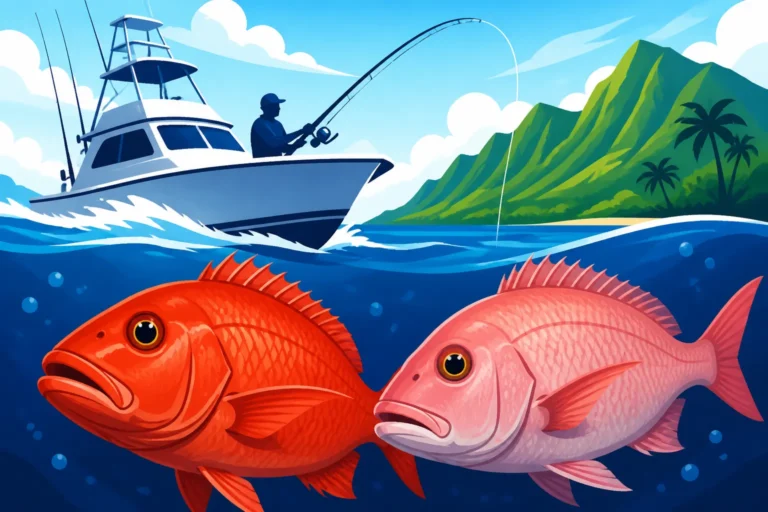
- Inshore Fishing: This involves staying closer to the coastline, typically within a few miles of shore, or in shallower bays and reefs. Inshore fishing from Kihei often targets reef dwellers like various snappers, goatfish (Kumu Goatfish in Hawaii), and various trevally (papio). Techniques might include light tackle bait fishing, whipping, or even some limited trolling. This is a great choice for a relaxed day on the water, often with calmer seas and beautiful views of the Maui coastline. It's also fantastic for introducing new anglers to the sport.
- Offshore Fishing: This is the realm of big game. Departing from Kihei, offshore charters will head out into the deep blue, often targeting specific FADs (Fish Aggregating Devices) or known seamounts and ledges. Here, the focus is almost exclusively on pelagic species – the migrating giants of the ocean. Think Ahi Yellowfin Tuna Fishing in Hawaii, Ono Wahoo Fishing in Hawaii, Mahimahi Fishing in Hawaii, and various species of marlin. Trolling with large lures is the primary method, but live baiting and jigging are also common. Offshore trips can be challenging due to potentially rougher seas and the sheer power of the fish, but the reward of hooking into a true Hawaiian grander is unparalleled.
Here’s a quick overview of the differences to help you decide:
| Feature | Shared Half-Day Inshore | Private Full-Day Offshore |
|---|---|---|
| Cost | Lower, per person | Higher, per boat |
| Duration | ~4-5 hours | ~8-10 hours |
| Flexibility | Limited, captain's discretion | High, customizable itinerary |
| Target Species | Papio, reef fish, small pelagics (aku) | Marlin, Ahi, Ono, Mahimahi, deep bottomfish |
| Experience | Relaxed, social, good for beginners/families | Intensive, focused, ideal for serious anglers |
| Seas | Generally calmer, closer to shore | Potentially rougher, further offshore |
| Catch Potential | Consistent action, smaller fish | Chance for trophy fish, fewer but larger bites |
Essential Factors to Consider When Selecting Your Kihei Charter
Choosing a fishing charter is a significant part of your Hawaii vacation planning, and it's worth putting in the effort to find the right fit. It's not just about the price; it's about the entire experience, the safety, and ultimately, your success and enjoyment on the water.
Captain and Crew Expertise and Personality
This is arguably the most critical factor. A good captain and crew can make or break your trip, regardless of how many fish are biting. Look for captains with extensive experience specifically in Maui waters. They should know the local currents, the behavior of various species, and the best spots to find fish year-round. Beyond their fishing prowess, consider their personality. Do they sound friendly and patient in reviews? Are they good communicators? For a private trip, this is especially important, as you’ll be spending hours together. For families, finding a crew that is great with kids can turn a good trip into an amazing memory. They should be willing to teach, share stories, and genuinely enjoy having you on board. Websites like FishingBooker often feature detailed captain profiles and angler reviews that give you a sense of their personality and approach.
Boat Condition and Equipment
Before you even step foot on deck, you should feel confident in the vessel and its gear.
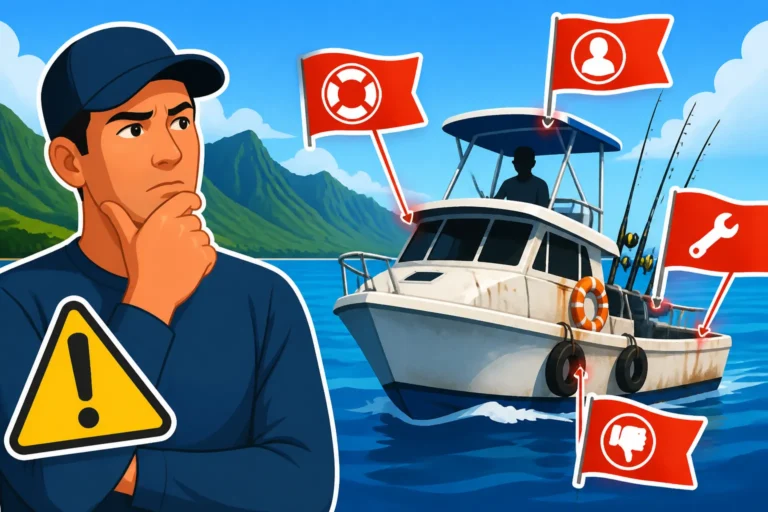
The boat itself should be well-maintained, clean, and equipped with all necessary safety gear, which includes life jackets, first-aid kits, and communication devices. While most reputable charters adhere to strict Coast Guard regulations, a quick check of recent photos or asking about the boat's amenities can give you peace of mind. For the fishing gear, expect modern, well-maintained rods, reels, and tackle appropriate for the target species. Nothing is more frustrating than losing a fish of a lifetime due to faulty equipment. Ask about the type of rods and reels they use – are they heavy tackle for marlin or lighter setups for bottomfish? Do they provide all bait and tackle, or should you bring anything specific? Also, consider comfort features. Is there a restroom on board? Is there shade from the intense Hawaiian sun? These details can significantly impact your enjoyment, especially on a full-day trip.
Reviews and Recommendations
In today's connected world, reviews are gold. Before booking, dive into online reviews on platforms like Google, TripAdvisor, or dedicated fishing charter sites such as FishingBooker. Pay attention to consistent themes in the reviews:
- Customer Service: Were the crew friendly, helpful, and attentive?
- Fishing Success: Did people catch fish, and were they satisfied with the experience, even if the bite was slow?
- Boat Quality: Was the boat clean, comfortable, and safe?
- Communication: Was the booking process smooth? Were instructions clear?
Don't just look at the star rating; read the actual comments. A few negative reviews are normal for any business, but a pattern of complaints should raise a red flag. Recommendations from friends who have fished in Kihei can also be invaluable, as they offer trusted, first-hand accounts. Asking for references from the charter company itself is also a good idea.
Pricing and Inclusions
Charter costs can vary widely, so it's essential to understand what's included in the quoted price.
Always confirm:
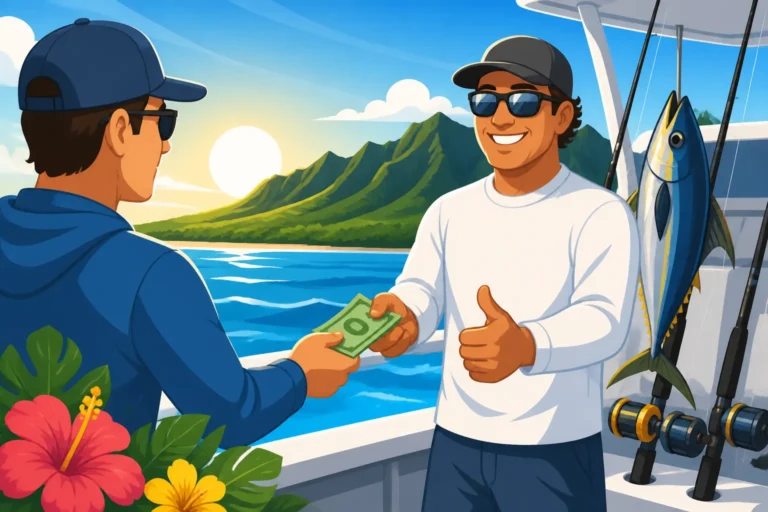
- Gratuity: Tipping Etiquette for Hawaii Fishing Charters is common, usually 15-20% for the crew. Is it included or expected separately?
- Fishing Licenses: Do you need Do You Need a Fishing License in Hawaii yourself, or does the charter cover a blanket license for passengers? For most ocean charters, a personal license is not required as the boat operates under a commercial permit, but it's always good to confirm.
- Food and Drinks: Are snacks, lunch, and beverages provided? If not, plan to bring your own.
- Fish Cleaning: Will the crew clean and fillet your catch for you to take home? What is the policy on keeping fish? Many charters split the catch, or only allow you to keep a portion, especially for certain species or if targeting massive game fish.
- Tackle and Bait: Typically included, but confirm if there are any extra charges for lost lures or specialized bait.
Make sure there are no hidden fees. A transparent pricing structure reflects a trustworthy operation. Don't be shy about asking direct questions about costs upfront to avoid any surprises on the day of your trip.
Booking Your Kihei Fishing Adventure and What to Expect
Once you've done your research and narrowed down your choices, it's time to book! This section will guide you through the booking process and help you prepare for your incredible day on the water.
The Booking Process: From Inquiry to Confirmation
Booking a charter from Kihei is generally straightforward, but there are a few things to keep in mind. Many charters have websites where you can check availability and book directly. Alternatively, booking platforms like FishingBooker aggregate many local charters, allowing you to compare options side-by-side, read reviews, and secure your spot with a deposit. This can be particularly helpful if you're looking for a specific type of trip or trying to find a shared charter spot.
When you reach out, be clear about:
- Your desired date(s) and time.
- The number of people in your party.
- Your preferred trip length (half-day or full-day).
- Any specific target species or fishing methods you're interested in. (e.g., "We'd love to troll for Mahimahi Fishing in Hawaii!" or "We're hoping for some bottomfishing action.")
- Your experience level. This helps the captain tailor the trip.
Most charters will require a deposit to hold your reservation, with the balance due on the day of the trip. Always ask about their cancellation policy, especially regarding weather. Hawaiian weather can be unpredictable, and a reputable captain will prioritize safety above all else. Understanding their policy for refunds or rescheduling due to inclement weather is vital.
What to Pack and Prepare for Your Trip
Preparation is key to a comfortable and enjoyable day. While most charters provide the necessary fishing gear, you’ll be responsible for your personal items. Think of it like preparing for any other day out on the ocean in Hawaii:
- Sun Protection: The Hawaiian sun is intense, even on cloudy days. Bring reef-safe sunscreen (required by law in Hawaii), a wide-brimmed hat, sunglasses, and long-sleeved, light-colored clothing. Some charters will have shaded areas, but you'll still get plenty of exposure.
- Food and Drinks: While some charters offer refreshments, it's always a good idea to bring extra water, snacks, and any specific beverages you prefer. Staying hydrated is crucial.
- Motion Sickness Medication: If you’re prone to seasickness, take medication before you board the boat, as it's often too late once symptoms start. Choose a charter that matches your tolerance for rough seas; half-day inshore trips are generally calmer. Check out specific Seasickness tips for a Hawaii fishing charter.
- Rain Gear: A light waterproof jacket can be a lifesaver, as tropical showers can pop up unexpectedly.
- Camera: You’ll want to capture those amazing views and, hopefully, your trophy catch! Just make sure it’s protected from salt spray.
- Towel: Essential for drying off after a wave splashes over the bow or after handling fish.
- Cooler (Optional): If the charter allows you to keep fish, you might want a cooler to transport your fillets home. Confirm this with the captain beforehand.
Remember that What to Expect on a Hawaii Fishing Charter will vary slightly from boat to boat, so always ask the charter company for their specific recommendations.
On the Day of Your Trip: Making the Most of It
Arrive at the designated harbor or meeting point in Kihei (or nearby, such as Ma'alaea Harbor) with plenty of time to spare. Listen carefully to the captain and crew's safety briefing and any instructions they give for fishing. They are there to help you have a successful day, so don't hesitate to ask questions. Be patient, especially with big game fishing – it's called "fishing," not "catching" for a reason! Some days the bite is hot, some days it's slow, but the experience of being on the open ocean, surrounded by Maui's beauty, is a reward in itself. Be respectful of the crew and your fellow anglers, especially on shared trips. Celebrate every catch, big or small, and savor the moments. You're on a Hawaiian fishing adventure, and that's something truly special.
Disclaimer
This article is for general informational purposes only and does not constitute professional advice. Laws, prices and regulations vary by location and change over time. Consult a qualified professional for guidance on your specific situation.