Best charters for photographing marlin releases
Catching a magnificent marlin is an experience of a lifetime, but trying to capture that breathtaking moment of release on camera can be incredibly challenging amidst the excitement and chaos, often leaving anglers with blurry shots or missed opportunities. This comprehensive guide will walk you through how to find and choose the best Hawaii fishing charters that understand and cater to the specific needs of photographing those incredible marlin releases, ensuring you bring home not just memories, but stunning visual proof of your angling adventure.
Understanding the Nuance of Marlin Release Photography on a Charter
Many charters focus purely on getting the fish to the boat, and rightfully so – that's their primary mission. However, for those of us who dream of capturing that perfect shot of a vibrant blue marlin leaping away or gracefully swimming off into the deep blue, it requires a charter crew with a little extra understanding and willingness. It's not just about snapping a photo; it's about the captain's boat handling, the deckhand's positioning, and a general awareness of the photographic opportunity. Without this, you might find yourself with a spectacular fish, but no real shot to show for it beyond a quick cell phone snap.
What Makes a Charter Photo-Friendly?
A truly photo-friendly charter goes beyond just having a boat. It starts with a crew who values the visual aspect of the experience. This isn't always something advertised, so it often requires asking the right questions upfront. They understand that a good photo helps tell the story, and that story is something you'll cherish long after the fish is gone. It's about a captain who can anticipate the fish's movements, a deckhand who understands how to safely handle the leader while keeping the fish near the boat for a moment, and a general vibe on board that supports capturing these moments.
You'll find that some crews are naturally more inclined towards this, perhaps because they've had clients specifically request it before or because they also love seeing those dynamic shots. They'll communicate with you about when the best time to be ready is, where to position yourself, and even offer tips on getting the shot. They know the angles, the lighting, and how to keep the boat steady enough for a clear capture.
The Role of Captain and Crew in Photo Opportunities
The captain's skill in handling the vessel is paramount. After a marlin is brought boat-side and the leader is secured, the captain can often position the boat to maximize light and backdrop, giving you a better chance at a clear shot of the fish as it swims away or breaches. For example, by turning the boat to keep the sun at your back, they can ensure the fish is well-lit and not shadowed.
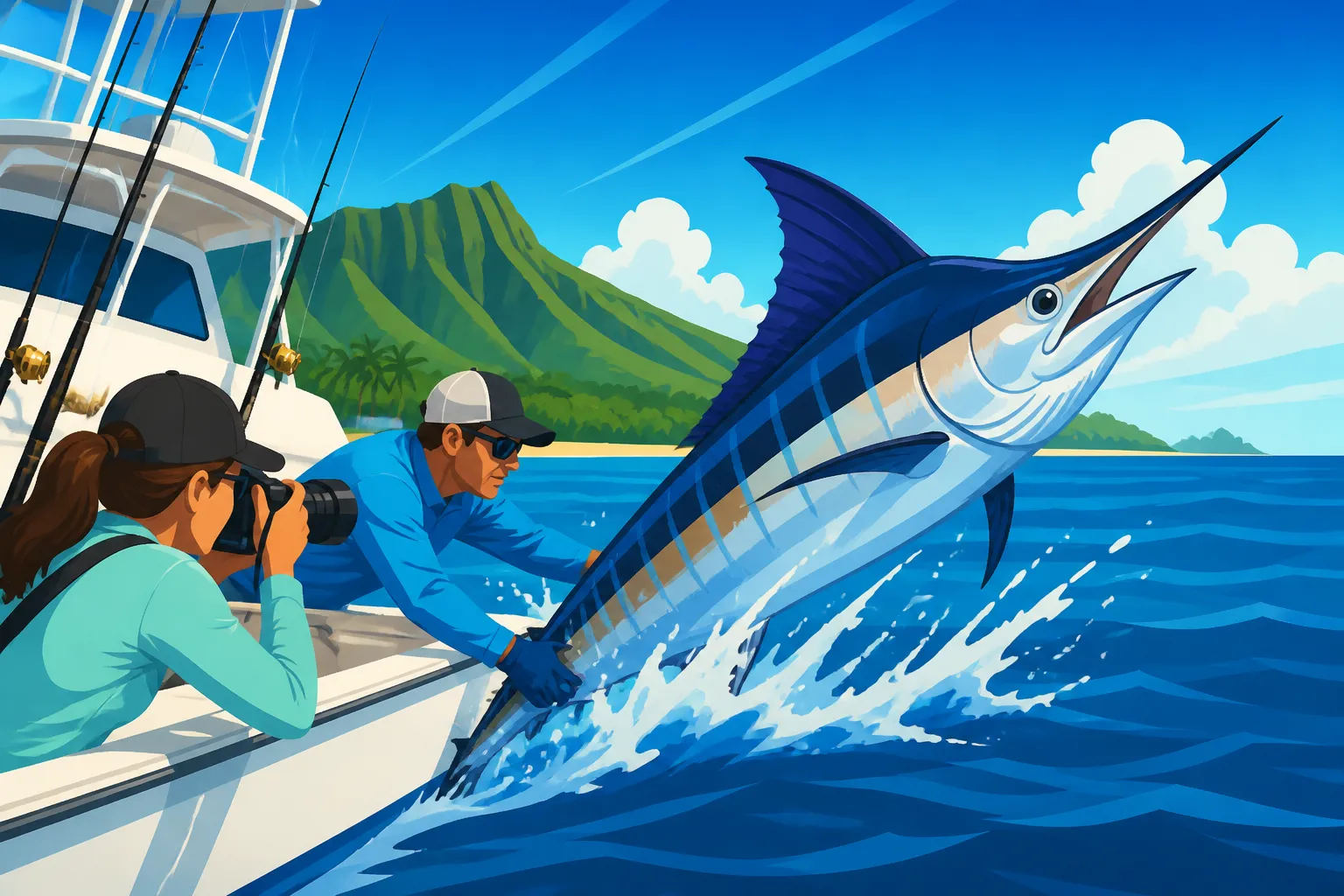
The deckhand also plays a crucial role. Their primary job is the safe handling of the fish for release, but a photo-conscious deckhand can momentarily orient the fish in the water to show off its colors or dorsal fin before letting it go completely. They can also ensure the leader is managed in a way that doesn't obstruct the shot. This careful coordination between the captain, the deckhand, and you, the photographer, is what elevates a good fishing trip into an exceptional photographic expedition. It's a dance, really, and the best crews know the steps.
Key Considerations When Booking Your Marlin Photography Charter
Booking a charter specifically for photographing marlin releases isn't like booking any other fishing trip. You need to be proactive and ask very specific questions to ensure your expectations are met. This isn't about simply catching fish; it's about capturing the moment, which requires a different kind of preparation and communication.
Researching Charters with a Photographic Mindset
Start by looking for charters that have a strong online presence with high-quality photos on their websites or social media. Do they feature dynamic release shots or just fish in the cockpit? This can be a subtle clue. While many charters post photos of their catches, truly great release photos are rarer and indicate a crew that makes an effort. Platforms like FishingBooker can be invaluable here. You can browse various charter profiles, look at their photo galleries, and often read reviews that might mention the crew's willingness to help with photography. Don't hesitate to directly contact captains listed on such platforms to discuss your specific interest in capturing release photos.
When you call or email, explain your goal clearly. Say something like, "I'm really hoping to get some great photos of the marlin being released. Is this something your crew is experienced with, and can you help facilitate getting some good angles?" Gauge their enthusiasm and willingness. Some might even have tips for you. Look for boats that regularly fish the Kona Coast, as this area is renowned for its marlin fishing and has many experienced captains. You might even find some insights on Best Marlin Charters off the Kona Coast by reading up on specific operations.
Communicating Your Photographic Goals Clearly
This is probably the most crucial step. Don't assume. When you book, explicitly state your interest in marlin release photography. Discuss:
- Your Camera Gear: Let them know if you're bringing a professional DSLR with a large lens, or just relying on a high-end smartphone. This helps them understand your needs for space and maneuvering.
- Your Preferred Angles: If you have a specific type of shot in mind (e.g., from the bow, stern, or a specific side), discuss it. They might advise if it's safe or feasible.
- Safety First: Always prioritize safety. A good captain will ensure that any photographic attempts don't compromise the safety of the crew, the angler, or the fish. Be prepared to listen to their instructions immediately.
- Expectations: Understand that fishing is unpredictable. You might not catch a marlin, or the conditions might not be ideal for photography even if you do. Be flexible and realistic.
A captain who has a proven track record of facilitating such requests will often include this in their pre-trip briefing. They might suggest ideal positions on the boat or even recommend a specific time of day for better light. It's all about setting the stage for success. You can also explore general advice on How to Choose a Hawaii Fishing Charter to fine-tune your selection process.
Choosing the Right Boat and Crew
Different boat types and crew sizes can impact your photographic opportunities. A larger sportfishing yacht might offer more stable platforms and multiple vantage points, but a smaller, more agile boat might be able to maneuver more quickly around a feisty marlin.
Consider the crew size. On a boat with an experienced captain and at least one dedicated deckhand, the deckhand can focus on leadering and the captain on boat positioning, leaving you free to concentrate on photography. If the crew is short-handed, they might be too busy to accommodate your specific photographic needs.
| Feature | Photography Impact | Why it Matters |
|---|---|---|
| Experienced Captain | Anticipates fish movements, positions boat for light. | Crucial for getting the fish in the frame with good lighting and backdrop. |
| Dedicated Deckhand | Safe leadering, brief fish orientation near boat. | Allows for a moment to capture the fish clearly before full release. |
| Boat Layout | Open deck space, stable platform, clear sight lines. | Enables easy movement and a steady base for your camera, fewer obstructions. |
| Communication | Crew provides cues for when to be ready, where to stand. | Helps you prepare your shot and anticipate the action, minimizing missed opportunities. |
| Lighting | Captain positions boat relative to sun. | Avoids shadows, glare, and ensures vibrant colors of the marlin are captured. |
When you're looking at listings, whether through a direct website or a booking agent like FishingBooker, pay attention to descriptions that highlight "professional photography available" or "crew accustomed to media requests." These are strong indicators that they understand the value of a good shot.
Optimizing Your Experience for Stellar Marlin Release Photos
Once you've booked your photo-friendly charter, your preparation doesn't end. There are several steps you can take both before and during the trip to maximize your chances of getting those incredible shots. It's about being ready when the moment strikes, because with marlin, those moments can be incredibly brief and intense.
Pre-Trip Camera and Gear Preparation
Having the right gear and knowing how to use it quickly is essential.
- Camera Choice: While a smartphone can capture decent photos, a DSLR or mirrorless camera with a fast burst mode and a versatile zoom lens (e.g., 70-200mm) will give you the best results. The speed of focus and continuous shooting are key.
- Waterproofing: The ocean is unforgiving. Invest in waterproof housing for your camera or at least a good splash-proof bag. Saltwater spray can ruin electronics in an instant. Even a high-quality action camera like a GoPro can be excellent for wide-angle, close-up shots if the crew is comfortable with it.
- Settings: Pre-set your camera! You won't have time to fiddle with settings when a marlin is at the boat.
- Shutter Speed: Aim for at least 1/1000th of a second to freeze fast action. Even faster is better if light allows.
- Aperture: Start around f/5.6 or f/8 for a good depth of field, keeping the fish sharp.
- ISO: Adjust as needed for proper exposure, keeping it as low as possible to reduce noise.
- Burst Mode: Always shoot in continuous high-speed burst mode. This drastically increases your chances of capturing that perfect frame.
- Batteries and Memory Cards: Bring spares! You don't want to run out of power or space at the critical moment.
- Strap/Harness: Secure your camera to yourself. The boat can pitch and roll, and dropping expensive gear overboard is a real possibility.
A little planning here goes a long way. Think through the entire process before you even step on the boat.
Onboard Execution and Angler Communication
Once you're on the boat, communication with the crew becomes critical.
- Reconfirm Your Goals: At the start of the trip, have a quick chat with the captain and deckhand to remind them of your photography aspirations. "Hey guys, just wanted to reiterate how much I'd love to get some great release shots today. I'll be ready with my camera if we get a marlin!"
- Stay Ready: Don't put your camera away in a bag once you hook up. Have it accessible, lens cap off, settings pre-set. When the action starts, you need to be able to raise it and shoot instantly.
- Listen to Instructions: The crew will direct you on where to stand for safety and the best vantage point. Respect their guidance. They know the boat and the fish best.
- Angler's Role: If you are the angler, you have a unique opportunity. As the fish is being brought to the boat, try to keep it as calm as possible. Before release, if the crew is holding the leader, a gentle dip or turn can often present a better angle for a shot. Discuss this beforehand with your deckhand. The process of getting a marlin to the boat can be covered in more detail in How to Catch Marlin off the Kona Coast.
- Shoot Before the Full Release: The best photos are often captured in the seconds before the fish is fully released and swims off. This is when the fish is typically closest to the boat and most visible.
- Focus on the Eyes: When shooting, try to focus on the marlin's eye. This often leads to the sharpest, most compelling images.
- Be Patient: Marlin fishing can involve long stretches of waiting. Don't get discouraged. When the strike happens, it's fast and furious, so always be prepared. Remember, Marlin catch and release survival tips also apply to getting that perfect shot – a healthy, calm fish makes for better photos and a better outcome for the fish.
Post-Release Review and Follow-Up
Even after the marlin swims away, your photographic journey isn't quite over.
- Review Your Shots: Take a moment to scroll through your burst shots. Often, out of many frames, there will be a few gems. This also helps you learn what worked and what didn't for next time.
- Thank the Crew: Acknowledge the crew's efforts to help you get your shots. A genuine "Thank you for helping me get those photos, I really appreciate it!" goes a long way. This positive feedback can encourage them to continue being photo-friendly for future clients. And don't forget Tipping Etiquette for Hawaii Fishing Charters!
- Share Your Photos: If you get some truly stunning images, offer to share them with the charter captain. They often appreciate high-quality content for their own marketing, and it builds good rapport. You might even find your photos featured on their social media, crediting you for the amazing capture.
By meticulously planning and communicating, you significantly increase your chances of not only catching a magnificent Hawaiian marlin but also bringing home some truly spectacular photographs of its triumphant return to the ocean.
Ideal Locations and Seasons for Marlin Photography Charters
Hawaii, particularly the Big Island's Kona Coast, is world-renowned for its marlin fishing. The calm waters and deep drop-offs close to shore create an ideal environment for these pelagic giants. Understanding the best times and places will further refine your search for that perfect photo opportunity.
Kona Coast: The Epicenter of Marlin Action
The Kona Coast of the Big Island is arguably the single best place in the world for marlin fishing, and by extension, marlin photography. The waters here drop off rapidly to thousands of feet just a few miles offshore, meaning less travel time to reach prime fishing grounds. The relatively calm conditions on the leeward side of the island mean less boat chop, which is a huge advantage when trying to steady a camera for a fast-moving subject.
Honokohau Harbor, just north of Kailua-Kona, is home to a vast fleet of experienced sportfishing charters. These captains and crews live and breathe marlin fishing and are often very accustomed to the nuances of handling large fish boat-side for tagging, releasing, and increasingly, for photography. Many of the most iconic marlin photos have come from these very waters. If you're looking for Best charters for photographing marlin releases, this is where you'll find the highest concentration of boats that can deliver. Checking out listings on platforms like FishingBooker specifically for Honokohau Harbor can provide a great starting point for finding charters that excel in this area. You can also learn more about specific charters by searching for Best Charters Out of Honokohau Harbor.
Other Hawaiian Islands for Marlin Opportunities
While Kona is king, other islands also offer excellent marlin fishing, though perhaps with fewer dedicated "photo-friendly" charters due to lower overall marlin pressure.
- Maui: Charters out of Maalaea Harbor or Lahaina Harbor target marlin, especially during peak seasons. The waters off Maui's west coast can also be productive. Best Charters Out of Maalaea Harbor and Best Charters Out of Lahaina Harbor are good resources for Maui options.
- Oahu: Boats departing from Kewalo Basin or other harbors around Oahu do encounter marlin, particularly during certain migrations.
- Kauai: Though less known for marlin, Kauai's offshore waters can also yield opportunities.
The key across all islands is to prioritize charters with experienced crews, regardless of the specific location. An experienced crew is more likely to handle a marlin safely and efficiently, giving you a better chance for a photo.
Best Seasons and Conditions for Marlin Photography
Marlin can be caught year-round in Hawaii, but certain seasons offer higher concentrations or better conditions:
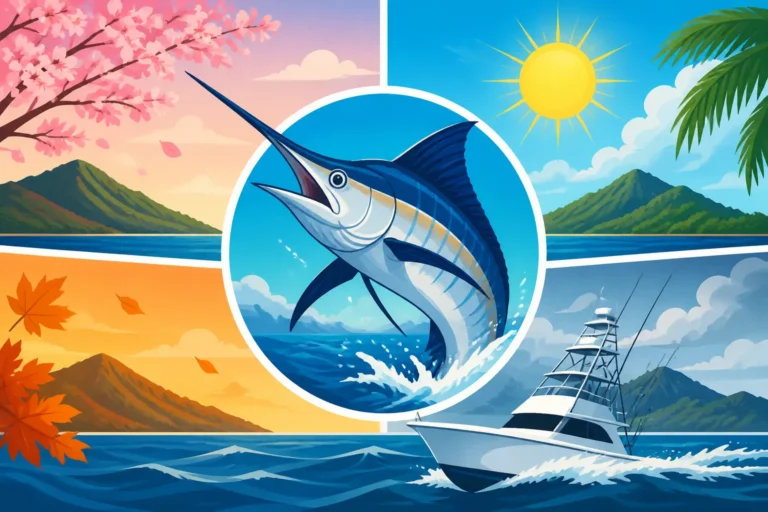
- Summer (May-September): This is generally considered peak blue marlin season. The larger "grander" marlin are often caught during these months. The seas are typically calmer, making for a more comfortable ride and easier photography. The ample daylight hours also mean more opportunities for good natural light. Learn more about optimal fishing times in Best Time of Year to Fish in Hawaii.
- Spring and Fall: While not as prolific as summer, these shoulder seasons can still be excellent for striped marlin and occasional blue marlin. Weather patterns can be a bit more unpredictable, but there are still plenty of calm days.
- Winter: Though winter can bring rougher seas, it can also produce large striped marlin. However, the choppier conditions can make photography more challenging.
Beyond the season, keep an eye on the daily weather forecast. Calm, sunny days with minimal chop are your best friends for clear, well-lit photographs. Avoid days with heavy rain, high winds, or large swells, as these will severely impact both the safety and quality of your photography. The clearer the water, the more vibrant the blues and silvers of the marlin will appear.
| Season | Typical Marlin Species Targeted | Sea Conditions | Photography Potential |
|---|---|---|---|
| Summer | Blue Marlin (big ones!) | Generally calm | Excellent |
| Spring | Striped, smaller Blue Marlin | Moderate, some chop | Good |
| Fall | Striped, smaller Blue Marlin | Moderate, some chop | Good |
| Winter | Striped Marlin | Can be rougher | Challenging |
Remember, while catching a marlin is an amazing feat, capturing that moment of release with a fantastic photograph is a different kind of trophy. With careful planning, clear communication, and the right charter, you're well on your way to getting those epic shots that will last a lifetime.
Disclaimer
This article is for general informational purposes only and does not constitute professional advice. Laws, prices and regulations vary by location and change over time. Consult a qualified professional for guidance on your specific situation.