Best Trolling Charters for Ono
It's incredibly frustrating when you're dreaming of reeling in a magnificent Ono (Wahoo) in Hawaii, but the sheer number of charter options, coupled with trying to figure out which ones actually specialize in trolling for these elusive speedsters, feels like navigating a maze. This guide is here to cut through that confusion, helping you understand what makes a trolling charter truly excellent for targeting Ono, where to find them across the islands, and how to book the perfect trip for an unforgettable Hawaiian fishing adventure.
Understanding Ono (Wahoo) and the Art of Trolling
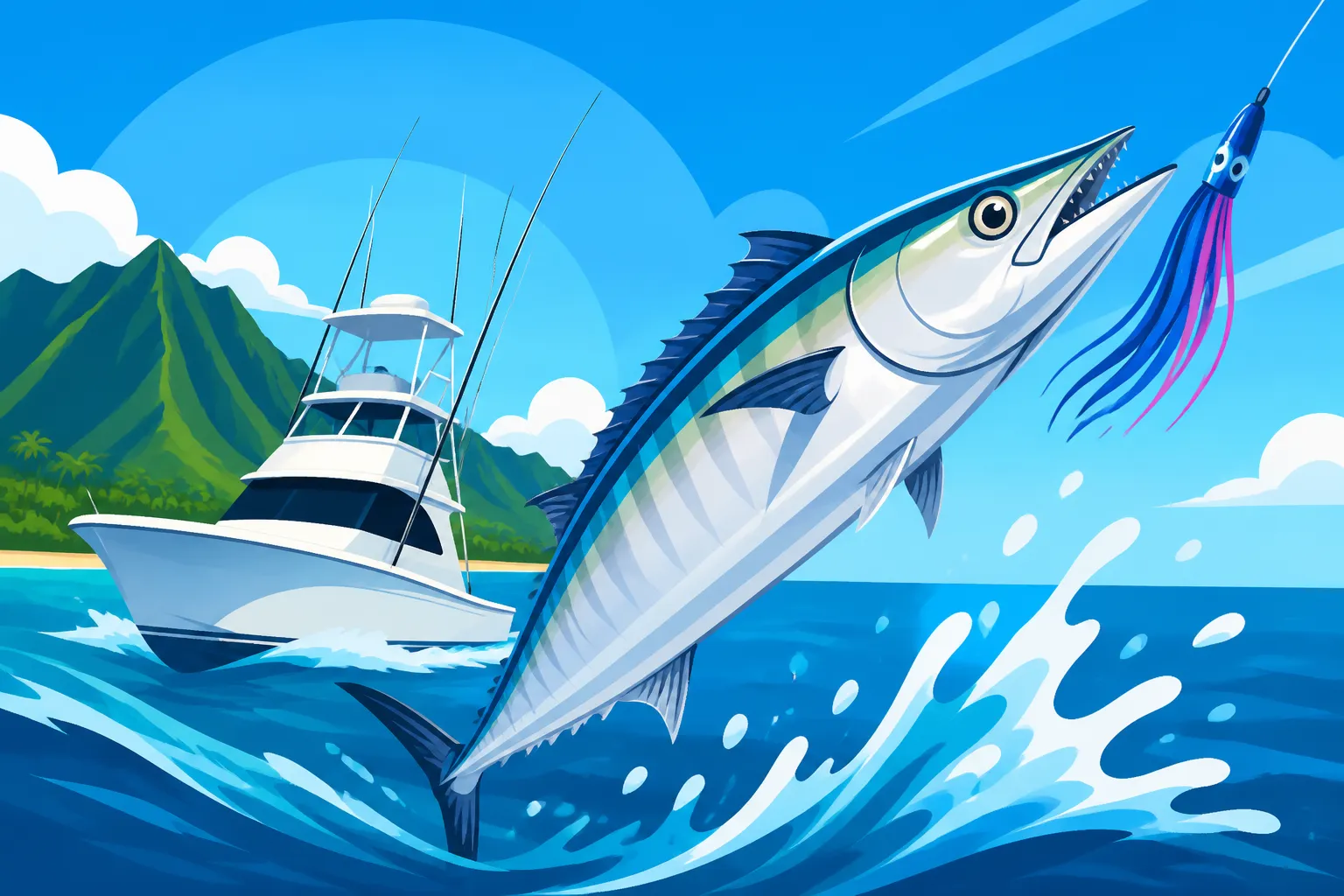
Ono, known universally as Wahoo, are truly one of Hawaii's prized catches. Their striking torpedo shape, incredible speed, and delicious firm white meat make them a top target for many anglers visiting our shores. But catching them isn't always as simple as dropping a line. They require a specific approach, and that's where a dedicated trolling charter comes into its own.
The Elusive Nature and Habits of Ono
Ono are solitary hunters, typically found cruising the open ocean, often around current lines, temperature breaks, or near offshore FADs (Fish Aggregating Devices) where baitfish gather. They are built for speed, with powerful tails and razor-sharp teeth, making them formidable predators. They can appear almost out of nowhere, strike a lure with incredible force, and then disappear just as quickly. This elusive nature is what makes the chase so thrilling!
Their diet consists mainly of smaller fish, squid, and crustaceans. They are ambush predators, often hiding near structure or floating debris, darting out to strike unsuspecting prey. Knowing their habits is crucial for charter captains who need to predict where these speed demons might be lurking. You might also want to explore Ono Habits and Feeding Behavior to deepen your understanding of these magnificent fish.
Why Trolling is the Premier Method for Ono
Trolling is essentially dragging lures or baited lines behind a moving boat, mimicking baitfish swimming through the water. For Ono, this is the most effective method because it allows you to cover vast expanses of ocean, searching for these fast-moving, pelagic predators. Ono are attracted to high-speed lures that imitate fleeing prey, and a good trolling spread creates a disturbance in the water that can trigger their aggressive predatory instincts.
A well-executed trolling spread involves multiple lines, each with a different lure or bait, deployed at varying distances and depths. This not only increases your chances of encountering an Ono but also allows the captain to experiment with what the fish are keying in on that particular day. It's a dynamic and exciting way to fish, always keeping you on the edge of your seat, waiting for that screaming drag.
What to Look for in an Exceptional Ono Trolling Charter
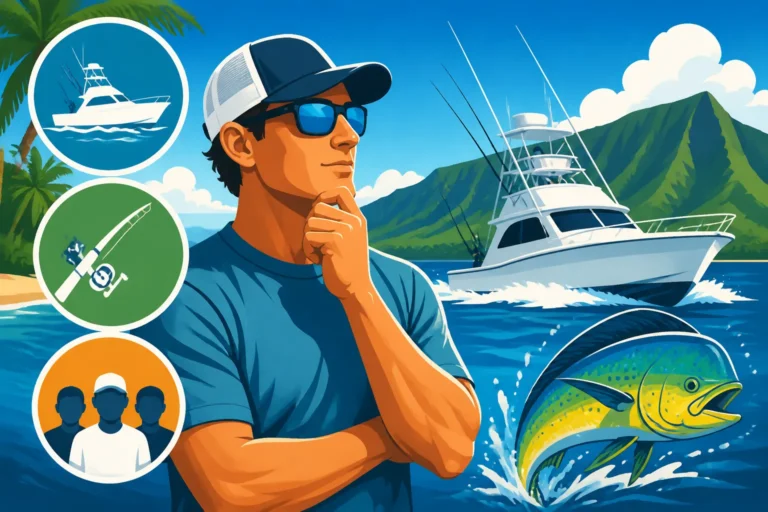
Choosing the right charter for Ono trolling can make all the difference between a memorable trip and a disappointing one. You want a crew that lives and breathes Ono, understands the local waters like the back of their hand, and has the right gear to back it up.
Experienced Captains and Crew Specializing in Ono
This is probably the single most important factor. An experienced captain who specifically targets Ono will know the best grounds, understand seasonal patterns, and be adept at reading the ocean for signs of activity. They know how to set a proper trolling spread, identify the right boat speed, and make quick adjustments based on conditions. The deckhand's role is equally vital, expertly handling lines, rigging baits, and helping anglers manage the fight.
They'll also know how to differentiate between an Ono strike and another pelagic species, ensuring you're not wasting time on less productive areas if Ono are the primary target. Look for charters with a proven track record of Ono catches, not just general pelagic fishing. Reviews and word-of-mouth are invaluable here. Many anglers use platforms like FishingBooker to read past customer experiences and ensure they are booking with captains known for their Ono prowess.
Specialized Gear and High-Speed Lures
Ono hit hard and fast, and they have incredibly sharp teeth that can quickly cut through light tackle. A good Ono trolling charter will be equipped with heavy-duty conventional rods and reels, spooled with strong monofilament or braided line, and robust leaders – often wire or heavy fluorocarbon – to withstand their bite. The lures themselves are also key. Ono respond well to high-speed trolling lures, often with bright colors, reflective surfaces, and designs that create a lot of splash and commotion.
You should expect the charter to provide all necessary gear, but don't hesitate to ask about their specific Ono setup when booking. Does the captain prefer certain types of skirts, jet heads, or hard baits? Do they use planers or downriggers to get lures deeper in the water column? These details indicate a charter truly dedicated to Ono fishing.
Boat Features Conducive to Trolling
The vessel itself plays a significant role. A good trolling boat needs to be stable and capable of maintaining consistent speeds, even in choppy conditions. Look for sportfishers or larger center consoles that have outriggers and a clear, open cockpit area for fighting fish. Outriggers are poles that extend from the sides of the boat, allowing the crew to spread out the trolling lines, preventing tangles and covering a wider path in the water.
A comfortable, shaded area is also a plus for those long days on the water. While you'll be focused on the fishing, a reliable engine, navigation equipment, and safety gear are paramount for any offshore trip. You can often find detailed boat specifications and photos when browsing charters on sites like FishingBooker, helping you gauge their suitability.
Top Hawaiian Islands for Ono Trolling Adventures
While Ono can be found throughout Hawaiian waters, certain islands and their unique oceanographic conditions tend to offer more consistent and often larger catches, especially when it comes to trolling.
Kona Coast, Big Island
The Kona Coast on the Big Island is world-renowned for its calm waters and deep-sea fishing, often referred to as the "Marlin Capital of the World." However, it's also a fantastic spot for Ono. The steep drop-offs close to shore mean you don't have to travel far to reach productive pelagic grounds. Current lines and temperature breaks form regularly offshore, creating perfect feeding zones for Ono.
Many Kona charters, while famous for their marlin prowess, are also excellent at targeting Ono, often catching them as bycatch or dedicating specific trolling runs to them. The abundance of baitfish like skipjack tuna and mackerel scad draws in these fast predators. When looking for a charter here, inquire about their specific Ono success, as some boats truly excel at targeting these fish. You might find a charter that also specializes in Marlin Fishing off the Kona Coast, often combining techniques for both species.
Maui's Leeward Side
Maui's leeward (western and southern) coasts, particularly out of harbors like Maalaea and Lahaina, also offer fantastic Ono trolling opportunities. The channel waters between Maui, Lanai, and Molokai are often nutrient-rich, attracting baitfish and, consequently, Ono. The protection offered by the West Maui mountains can often mean calmer waters closer to shore, though offshore can still get exciting.
Charters here often focus on a diverse pelagic catch, including Ono, mahimahi, and tuna. Captains working these waters are highly skilled at identifying kelp paddies and floating debris, which are prime hiding spots for Ono. The offshore banks and ledges also provide excellent structure where Ono congregate. Consider booking from Best Charters Out of Maalaea Harbor or Best Charters Out of Lahaina Harbor for prime access to these waters.
Oahu's Offshore Waters
Oahu, while being the most populated island, also holds its own for Ono trolling, particularly in the offshore waters on the west and south shores. Harbors like Kewalo Basin and Honokohau offer access to deep pelagic fishing grounds. Offshore FADs and the expansive open ocean beyond the reef lines are where Ono can be found.
Oahu's charters are typically geared for general pelagic trolling, and Ono are a welcome and frequent addition to the day's catch. The diversity of marine life here means you might also hook into ahi (yellowfin tuna) or mahimahi while targeting Ono, making for an exciting mixed bag day. If you're staying in Honolulu, charters from Best Charters Out of Honolulu are easily accessible.
Preparing for Your Ono Trolling Adventure
Even with the best charter, a little preparation on your part can greatly enhance your experience. Knowing what to expect and what to bring will ensure you're comfortable and ready for action.
What to Pack and Wear
Days on the water in Hawaii can be intense, with strong sun and ocean spray. Here’s a quick checklist to help you prepare:
| Item | Why It's Important |
|---|---|
| Sun Protection | Sunscreen (reef-safe!), wide-brimmed hat, sunglasses, and long-sleeved, lightweight clothing are essential. The sun reflects off the water and can cause severe burns. |
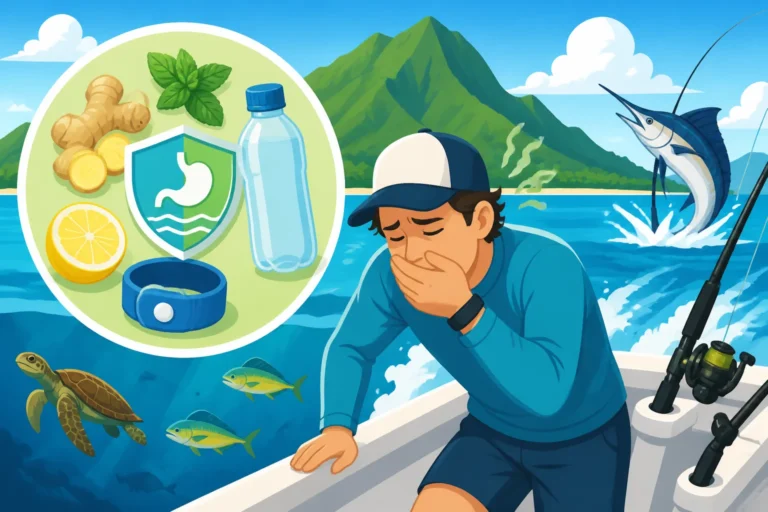
| Seasickness Medication | If you're prone to seasickness, take medication before you board the boat. Offshore trolling means continuous movement, and you want to enjoy your trip! |
| Non-Slip Shoes | The boat deck can get wet and slippery. Closed-toe, non-marking, non-slip shoes are a must for safety. |
| Snacks and Drinks | While some charters provide drinks, bringing your own water, sodas, and easy-to-eat snacks (sandwiches, granola bars) is always a good idea. |
| Camera | You'll want to capture that epic Ono! Make sure it's waterproof or in a waterproof bag. |
| Light Rain Jacket | Hawaii weather can be unpredictable. A light, packable rain jacket can save you from unexpected showers or cool breezes. |
| Small Bag | Keep your essentials in a small, soft-sided bag that can be easily stowed. |
For a more in-depth list, check out What to Bring on a Hawaii Fishing Charter. Remember, the goal is comfort and safety so you can focus on the fishing!
Understanding the Catch and Keep Policy
Before you head out, it's wise to clarify the charter's policy on keeping your catch. For Ono, many charters operate on a "share the catch" basis, meaning the boat takes a portion (often the fillets) and the anglers get some to take home. Some private charters might allow you to keep the entire catch, while others may have arrangements with local restaurants.
Don't assume you get to keep everything, especially with highly prized fish like Ono. Be sure to ask about this when you book your trip to avoid any surprises. Also, be aware of Hawaii Pelagic Species Bag Limits, as these regulations dictate how many fish can be legally harvested. A good charter will always abide by these rules.
Tipping Etiquette and Expectations
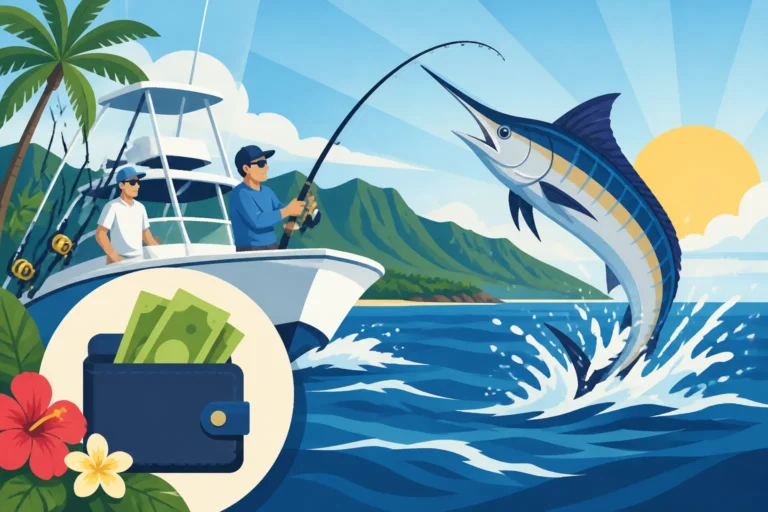
Just like in other service industries, tipping your captain and crew is customary in Hawaii, especially if they've provided excellent service and worked hard to put you on fish. A typical tip for the deckhand and captain ranges from 15-20% of the charter fee, depending on your satisfaction. If they went above and beyond, a more generous tip is always appreciated.
Remember, the crew works incredibly hard, often long hours, maintaining gear, cleaning the boat, and assisting you throughout the day. Their expertise is a huge part of your success. If you're unsure, feel free to discreetly ask the booking agent or other anglers about local tipping norms. You can find more detailed information in Tipping Etiquette for Hawaii Fishing Charters.
Booking Your Ideal Ono Trolling Charter
Now that you know what to look for and how to prepare, it's time to secure your spot on an Ono trolling adventure. The process is straightforward, but a few considerations can help you make the best choice.
Researching and Comparing Charters
Start your search by looking at various charter options available in the harbors you're considering, such as Honokohau, Maalaea, or Kewalo Basin. Pay close attention to reviews, specifically those that mention Ono or Wahoo catches. Look for consistent positive feedback about the crew's professionalism, the boat's condition, and their fishing expertise.
Platforms like FishingBooker are fantastic resources for this. They allow you to filter by location, species, and boat type, and you can read detailed descriptions and real angler reviews all in one place. This makes it much easier to compare different charters side-by-side and see which ones align best with your Ono trolling goals. Take your time to really dig into what each charter offers.
Asking the Right Questions Before Booking
Don't be shy about asking questions before you commit. A reputable charter will be happy to answer everything you need to know. Here are some key questions tailored for Ono trolling:
- "What's your typical success rate for Ono on trolling trips this time of year?" This helps manage expectations.
- "What kind of tackle and lures do you use specifically for Ono?" This confirms their specialization.
- "Do you provide all necessary licenses and gear, or do I need to bring anything specific?" For instance, while generally not needed for ocean fishing, you might wonder Do You Need a Fishing License in Hawaii. Most ocean charters cover this under their commercial license, but it's good to confirm.
- "What's your policy on catch and release versus keeping fish?" As discussed, clarify this upfront.
- "What happens if the weather is bad on our scheduled day?" Understand their cancellation or rescheduling policy.
These questions will give you a clearer picture of what to expect and help you select a charter that truly meets your needs.
Understanding Half-Day vs. Full-Day Options
Charters typically offer half-day (4-6 hours) and full-day (8-10 hours) trips. For Ono trolling, which often involves covering significant distances to find fish, a full-day trip usually offers a much better chance of success.
- Half-Day Charters: These are great for families, beginners, or if you're on a tighter schedule. They often stay closer to shore, which might limit encounters with offshore Ono schools. You might still get lucky, but the chances for dedicated Ono trolling are reduced.
- Full-Day Charters: This is generally recommended for serious Ono anglers. It provides ample time to travel to prime offshore grounds, set a proper trolling spread, and actively search for feeding fish. The extra hours significantly increase your odds of encountering and fighting an Ono.
Consider your budget and stamina, but if Ono is your main target, investing in a full-day trip is almost always worth it. You'll find many options listed on FishingBooker, allowing you to compare both durations.
Maximizing Your Ono Trolling Success on the Water
Once you're on the boat, your role shifts from researcher to active participant. There are a few things you can do to make the most of your time and increase your chances of hooking into that dream Ono.
Listening to Your Captain and Crew
The captain and crew are your best assets. They know these waters, they understand Ono behavior, and they're constantly working to put you on fish. Listen intently to their instructions, whether it's how to hold the rod, when to strike, or how to fight a fish. They'll advise on things like Best Lures for Marlin Trolling off Kona which can often apply to Ono too, or specific strategies for Trolling Techniques for Hawaii Pelagics.
Resist the urge to offer unsolicited advice or complain about a slow bite. Fishing has its ups and downs, and the crew is doing everything in their power to make it a successful day. Your cooperation and positive attitude will contribute to a better experience for everyone.
Proper Fighting Techniques for Ono
When an Ono hits, it’s usually explosive! The drag will scream as line peels off the reel at an incredible speed. These fish are powerful, and their runs are blistering. Here's how to fight them effectively:
- Stay in the fighting chair (if available) or brace yourself: Ono hit hard, and you need to be ready for the initial shock.
- Keep the rod tip up: This maintains pressure on the fish and helps absorb its powerful runs.
- Pump and reel: When the fish pauses its run, pump the rod up and then reel down to gain line. Repeat this motion steadily.
- Be mindful of the leader: Ono have sharp teeth, so the crew will often use a wire leader. Be careful when the fish gets close to the boat, as it might make a final, dangerous surge.
- Listen to the deckhand: They'll guide you through the fight, especially during the crucial final moments at the boat.
For an Ono, the fight is often more about raw speed and power than a drawn-out tug-of-war. They can sometimes throw the hook if there's slack line, so maintaining constant pressure is vital.
The Best Time of Year for Ono Trolling
While Ono can be caught year-round in Hawaii, there are peak seasons when their numbers tend to be higher and the fishing more consistent. Generally, the warmer months from late spring through fall tend to be excellent for Ono. This is often when baitfish schools are more prevalent, and pelagic species are actively feeding.
During these months, you'll find more consistent current lines and aggregations of floating debris that attract Ono. However, a skilled captain can find Ono even in the "off-season" by knowing the specific spots and conditions. It's always a good idea to check with local charters or look at fishing reports for the specific time you plan to visit. If you want a more general overview, you can check out Best Time of Year to Fish in Hawaii.
Hawaii offers an incredible backdrop for chasing the formidable Ono. By understanding their habits, knowing what makes a charter exceptional, preparing thoroughly, and engaging actively on your trip, you're setting yourself up for an unforgettable adventure. With a bit of research and the right crew, you'll be well on your way to experiencing the thrill of reeling in one of Hawaii's fastest and most exciting game fish.
Disclaimer
This article is for general informational purposes only and does not constitute professional advice. Laws, prices and regulations vary by location and change over time. Consult a qualified professional for guidance on your specific situation.