Best charters targeting ahi at the buoys
Oh, the thrill of chasing ahi at the buoys! There's nothing quite like the anticipation of that screaming reel, knowing a powerful yellowfin tuna has just inhaled your bait far offshore. But let's be real, finding the perfect charter that specializes in this exhilarating pursuit can feel like searching for a needle in a haystack, especially when you're visiting or new to the local scene. This guide is here to cut through the confusion and help you pinpoint the best charters in Hawaii that consistently target ahi at the FADs (Fish Aggregating Devices), ensuring you get the most out of your deep-sea adventure.
The Allure and Challenge of Targeting Ahi at the Buoys
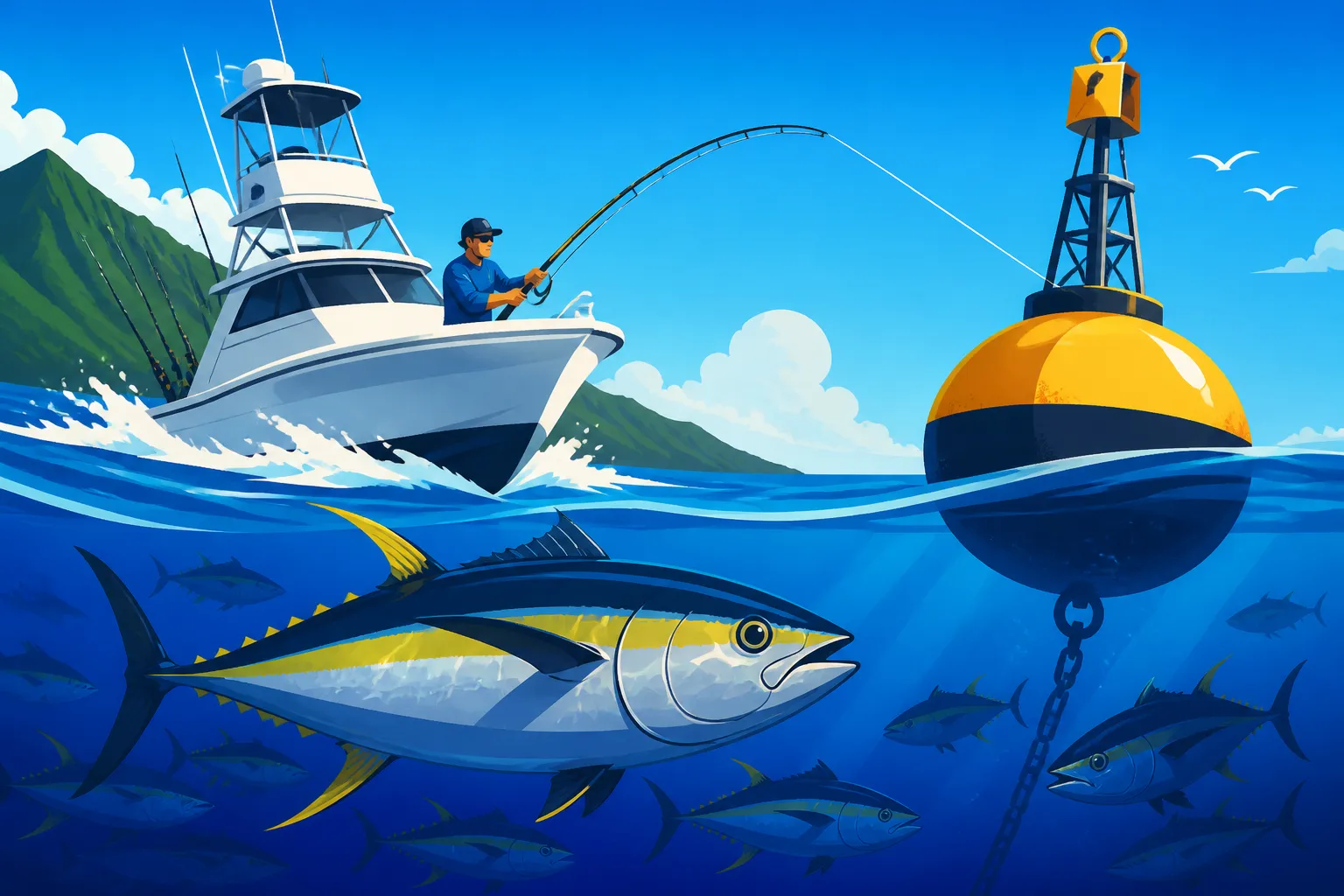
For many anglers, the thought of landing a magnificent ahi, or yellowfin tuna, is the ultimate Hawaiian fishing dream. These powerful pelagic fish are known for their incredible speed and stamina, offering a fight that will test even the most seasoned angler. When we talk about "ahi at the buoys," we're specifically referring to targeting these tuna around the Fish Aggregating Devices (FADs) strategically placed off the Hawaiian coasts by the state's Division of Aquatic Resources. These buoys, sometimes miles offshore, are essentially floating oases in the vast ocean, attracting all sorts of marine life, with ahi often at the top of the food chain gathering beneath them.
The challenge, however, isn't just catching the ahi once you find them; it's finding a charter that knows how to consistently put you on those fish at the buoys. Not all charters are created equal, and some excel more than others at this specific style of fishing. It requires a captain and crew with an intimate understanding of ocean currents, fish behavior around these FADs, and the right techniques, whether it's trolling specific lures, chunking bait, or deploying live baits. A charter that simply goes "offshore" might eventually stumble upon tuna, but one that actively targets them at the buoys is operating with a much more focused and often more productive strategy.
Why Buoys Are Ahi Magnets
FADs are essentially artificial reefs in the open ocean. They can be simple buoys anchored to the seafloor or more elaborate floating structures. What makes them so effective for ahi fishing is their ability to aggregate baitfish and, consequently, the predators that feed on them. In the vast, relatively featureless expanse of the open ocean, any floating object becomes a point of interest, a place for smaller fish to shelter and feed. This concentration of bait then attracts larger pelagic species like ahi, marlin, mahimahi, and ono.
Captains who specialize in FAD fishing spend countless hours observing these buoys, tracking the presence of bait, and understanding how ahi use them throughout the day and in different conditions. They learn which buoys are most productive at certain times of the year or under specific moon phases. It's a game of pattern recognition, combined with deep knowledge of the local waters and the migratory habits of these majestic fish. Understanding this relationship between ahi and the FADs is the first step in appreciating what a truly specialized charter brings to the table.
The Dynamics of Ahi Behavior Around FADs
Ahi are schooling fish, and their behavior around FADs can vary greatly depending on factors like time of day, current, water temperature, and the amount of bait present. Sometimes, they'll be actively feeding on the surface, creating explosive "boils" as they slash through schools of baitfish. Other times, they might be holding much deeper, requiring different tactics to entice a bite. A skilled captain will be constantly reading the ocean, looking for bird activity, temperature breaks, and current lines that indicate where the ahi might be holding near the buoy.
The most successful charters targeting ahi at the buoys often employ a mix of techniques. They might start by trolling a spread of lures around the FAD to locate active fish or to draw them up from the depths. Once fish are located, they might switch to chunking – cutting baitfish into small pieces and throwing them into the water to create a scent trail and draw the ahi closer to the boat. Live baiting, using frisky skipjack tuna or mackerel scad, is another highly effective method for enticing larger, more wary ahi. The ability of a charter to adapt their techniques to the fish's behavior on any given day is a hallmark of a truly expert crew. You can learn more about specific tactics in articles like How to Catch Ahi in Hawaii and Best Bait for Ahi Fishing.
What Separates the Best Ahi Buoy Charters from the Rest
When you're shelling out for a deep-sea fishing experience, you want more than just a boat ride. For ahi fishing at the buoys, you need a charter that breathes, sleeps, and dreams about those yellowfin. It's about a combination of specialized knowledge, the right equipment, and a crew that's passionate about putting you on the fish.
Specialized Expertise and Local Knowledge
The absolute biggest differentiator for a top ahi buoy charter is the captain's and crew's specialized knowledge of the FADs themselves. They don't just know where the buoys are on a chart; they know which buoys are typically holding fish, what depth the fish are at, and what tactics are currently working best. They have years, if not decades, of experience reading the currents, monitoring bait schools, and understanding the subtle nuances of ahi behavior around each specific FAD. This isn't something you can pick up in a few trips; it's hard-earned wisdom.
A great ahi buoy captain will know, for example, that Buoy "Charlie" might be better for trolling in the morning with an outgoing tide, while Buoy "Delta" might produce better on the chunk in the afternoon if the current is slacking. They understand the impact of moon phases on Ahi Migration Patterns Around Hawaii and how that affects where the fish might be holding. This isn't guesswork; it's a scientific approach honed by countless hours on the water. They'll also often be tracking reports from other reputable captains, creating a network of information that increases your chances of success.
Superior Gear and Well-Maintained Vessels
Chasing ahi at the buoys means venturing far offshore, often in conditions that can range from glassy calm to significant swells. The best charters will operate well-maintained vessels specifically designed for offshore sportfishing. This means a stable platform, reliable engines, and all the necessary safety equipment. Beyond the boat itself, the fishing gear needs to be top-notch. Ahi are incredibly powerful, and inferior tackle will break under their strain, leading to heartbreak.
Expect heavy-duty rods and reels spooled with strong braided line and appropriate fluorocarbon leaders. The terminal tackle – hooks, swivels, and lures – must also be robust enough to withstand the immense pressure of a fighting ahi. Charters that excel at buoy fishing often invest in specialized equipment like tuna tubes for keeping live bait fresh and frisky, high-quality gaffs, and spacious fish boxes to handle your catch. They'll also have advanced sonar and radar systems to not only navigate safely but to locate schools of bait and ahi holding deep beneath the FADs. When you're considering a charter, don't hesitate to ask about their gear and how often it's maintained.
Proven Techniques and Adaptability
As mentioned earlier, ahi fishing at the buoys isn't a one-trick pony. The best charters are masters of multiple techniques and are adaptable enough to switch tactics as conditions or fish behavior changes. They won't just blindly troll lures all day if the fish are holding deep; they'll be ready to deploy heavy jigs, set out live baits, or start a chunking operation if that's what it takes to get a bite.
This adaptability extends to their strategy for approaching and fishing each buoy. Sometimes, a long, wide troll around the FAD is best. Other times, a more concentrated approach, perhaps even drifting over the buoy structure, is warranted. The crew will be constantly communicating, watching for signs of life, and making adjustments to maximize your chances. Their ability to switch gears, often seamlessly, is a testament to their deep understanding of Trolling Techniques for Hawaii Pelagics and other specialized methods for ahi.
Navigating the Charter Options for Buoy Ahi Fishing
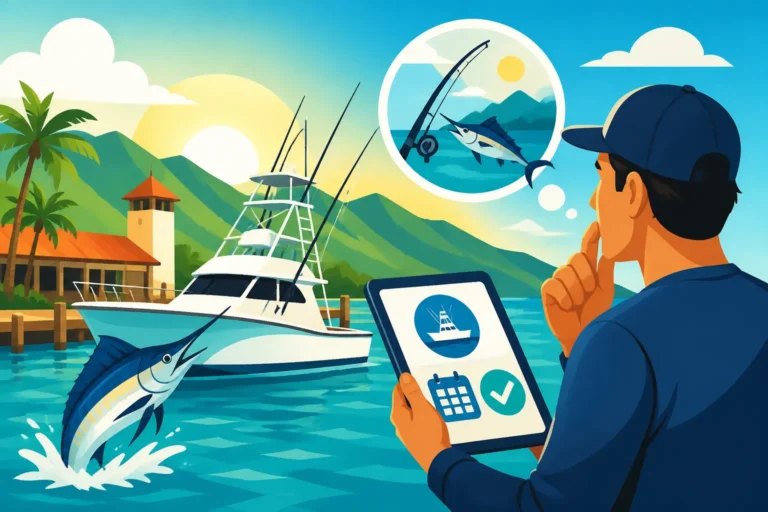
So, you're convinced you want to target ahi at the buoys, and you know what makes a great charter. Now comes the task of actually finding and booking one! It can feel overwhelming with all the options out there, but with a little research and the right questions, you can narrow down your choices and find the perfect fit.
Researching Charters with a Focus on Ahi Buoy Fishing
Start your research by looking for charters that explicitly mention "ahi," "yellowfin tuna," or "FAD fishing" in their descriptions. Don't just settle for general "deep-sea fishing" charters, as their focus might be broader, potentially including marlin, mahimahi, or ono without a specific emphasis on ahi at the buoys. Websites like FishingBooker can be incredibly helpful here. They allow you to filter by location (like the Kona Coast or Oahu) and often provide detailed descriptions of what each charter specializes in. You can also read reviews from past customers, which often give valuable insights into a charter's strengths and typical target species.
Pay close attention to trip reports or social media posts from charters. Do they frequently show pictures of big ahi? Do they mention fishing specific FADs? This kind of evidence can speak volumes about their consistent success in this niche. Don't be shy about looking for charters that operate out of known ahi hotspots, such as Honokohau Harbor on the Big Island, which is renowned for its access to excellent offshore grounds and numerous FADs. Best Charters Out of Honokohau Harbor would be a great place to start your search if you're on the Big Island.
Key Questions to Ask Prospective Charters
Once you've identified a few potential charters, it's time to get on the phone or send an email. This is your chance to ask specific questions that confirm their expertise in ahi buoy fishing:
- "How often do you target ahi at the FADs?" This helps gauge their commitment and experience. A charter that says "sometimes" or "if we happen to run into them" isn't as specialized as one that says, "that's our primary focus, especially this time of year."
- "What techniques do you typically use for ahi at the buoys?" Listen for a variety of methods: trolling, chunking, live baiting. A charter that can adapt is a good sign. If they only mention one technique, they might be less versatile.
- "What's your typical success rate for ahi on these kinds of trips?" While no one can guarantee fish, a charter with a strong track record and confidence in their ability to find ahi is a good indicator. They might also share information about Hawaii Pelagic Species Bag Limits and how they manage catch.
- "What kind of gear do you use for ahi?" Ask about rod and reel sizes, line strength, and if they have specialized equipment like tuna tubes. This helps confirm they're properly equipped for the fight.
- "What's the best time of year/day for ahi at the buoys?" This shows you're serious and also helps you plan your trip. A knowledgeable captain will have clear answers. You can cross-reference their advice with general information on Best Time of Day to Book a Charter for Ahi.
- "Do you practice catch and release for ahi, or is it typically kept?" This is important for managing expectations and knowing the charter's philosophy on conservation and sharing the catch.
When using a platform like FishingBooker, many of these details might be listed, and you can often message the captains directly through the platform to ask follow-up questions. This makes comparing options much more efficient.
Making Your Booking and Confirming Details
Once you've chosen your charter, confirm all the booking details: date, time, cost, duration, and what's included (tackle, bait, ice, fish cleaning). Don't forget to inquire about their cancellation policy, especially for weather-related issues, as offshore fishing can be sensitive to ocean conditions.
A good charter will also provide you with information on what you should bring, such as appropriate clothing, sun protection, food and drinks, and any personal medications (like motion sickness remedies). Remember to ask if a fishing license is required for you, the angler, or if it's covered by the charter's commercial license. In Hawaii, charter passengers typically do not need a personal marine fishing license, but it's always wise to confirm.
Preparing for Your Ahi Buoy Fishing Adventure
You've booked your trip, you're excited, but what's next? Preparation is key to a comfortable, safe, and successful ahi fishing experience at the buoys. These trips are often long and can be physically demanding, so a little foresight goes a long way.
What to Expect on a Typical Ahi Buoy Charter
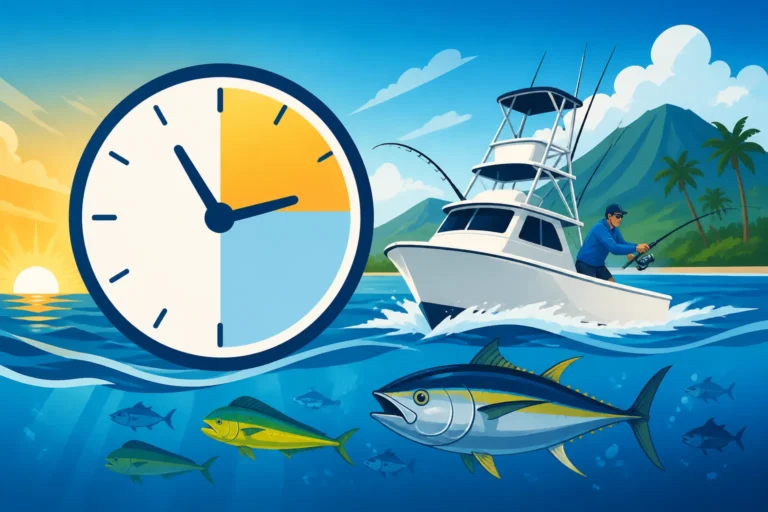
Be prepared for an early start. Many ahi charters depart before dawn to reach the buoys as the sun rises, which is often a prime feeding time. The ride out to the FADs can be anywhere from a few miles to over 20 miles offshore, so expect a significant steam time. This is a great opportunity to relax, enjoy the sunrise, and chat with the crew. The captain and crew will be constantly scanning for signs of fish, like birds working bait or changes in water color.
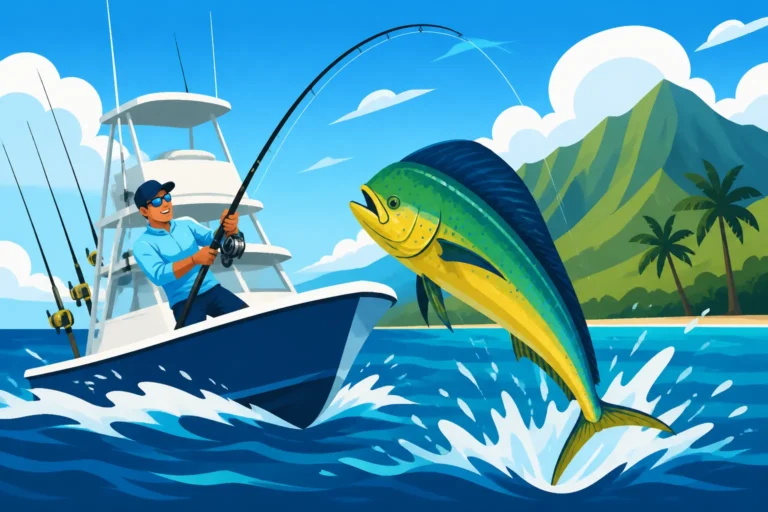
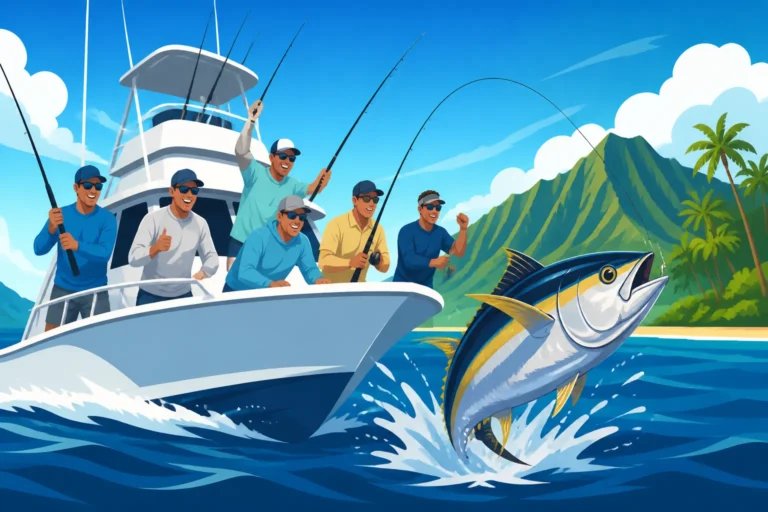
Once at a promising buoy, the fishing method will vary. It might be constant trolling around the FADs, with the crew expertly managing multiple lines. If fish are marked deeper, they might switch to vertical jigging or dropping live bait. If a school of ahi is located, the action can be fast and furious! Fighting a large ahi is a true test of strength and endurance, often involving long runs and deep dives. The crew will be there to guide you, gaff the fish, and get it safely into the boat. Expect a full day on the water; these are not short trips.
Essential Gear and Personal Items to Bring
Even though charters provide the fishing gear, there are several personal items you'll want to bring to make your trip more enjoyable:
- Sun Protection: The Hawaiian sun is intense, especially offshore. Bring a wide-brimmed hat, polarized sunglasses, and plenty of high-SPF, reef-safe sunscreen. Long-sleeved shirts and pants, or UPF-rated clothing, are highly recommended.
- Food and Drinks: While some charters may provide snacks or beverages, it's always a good idea to bring your own lunch, plenty of water, and any other drinks you prefer. Staying hydrated is crucial.
- Motion Sickness Medication: Even if you don't usually get seasick, offshore fishing in Hawaii can involve significant swells. Take preventative medication before you board the boat, as it's often too late once symptoms start.
- Appropriate Clothing: Dress in layers. It can be cool in the morning with the boat running, but it will warm up quickly. Bring a light jacket or rain shell, just in case of a passing shower. Non-slip deck shoes are also essential for safety.
- Camera: You'll want to capture the memories, especially if you land a trophy ahi! Just make sure it's protected from spray and sun.
- Cooler (Optional): If you plan to keep your catch (and the charter allows it), you might want to bring a small cooler to transport your share of the fish home. Confirm this with your charter beforehand.
- Cash for Gratuities: Tipping the crew is customary and a great way to show your appreciation for their hard work and expertise. Guidelines for this are often covered in Tipping Etiquette for Hawaii Fishing Charters.
Mindset for Success: Patience and Persistence
Ahi fishing at the buoys can be incredibly rewarding, but it also requires patience and persistence. There will be times of intense action, and there will be slower periods. The best anglers understand that fishing involves highs and lows. Trust your captain and crew; they are constantly working to put you on fish.
Celebrate every bite, every hookup, and every fish landed. Even if you don't land a "grander" ahi, the experience of being out on the open ocean, chasing one of the fastest fish in the sea, is an adventure in itself. Remember, the journey is just as important as the destination. Embrace the beauty of the Hawaiian waters and the thrill of the chase.
A Quick Comparison of Ahi Fishing Techniques at Buoys
Different charters may favor different techniques for targeting ahi at the FADs. Knowing these methods can help you understand a charter's approach and what to expect during your trip.
| Technique | Description | Pros | Cons |
|---|---|---|---|
| Trolling | Pulling lures or rigged baits behind the boat at specific speeds, often in a pattern around the FAD. | Covers a lot of water, effective for locating active fish, can attract multiple species. | Less precise targeting, can be less effective if fish are holding deep, requires constant boat movement. |
| Chunking | Cutting up baitfish (like opelu or aku) into small pieces and tossing them into the water to create a scent trail, drawing ahi closer to the boat. | Highly effective for bringing fish up from the depths, can create a feeding frenzy, attracts big ahi. | Can use a lot of bait, requires patience, might attract unwanted species (sharks), messy. |
| Live Baiting | Using frisky live baitfish (often caught on site or brought along) presented on a hook near the FAD. | Very effective for larger, wary ahi, simulates natural prey, strong hook-up ratio. | Requires catching or sourcing live bait, bait can be fragile, fish can be particular about bait size/species. |
| Jigging | Dropping heavy metal jigs down to the depths and working them vertically to imitate wounded baitfish. | Excellent for deep-holding fish, active and engaging, can entice fish that ignore other baits. | Physically demanding, requires specific tackle, can be harder to sustain for long periods. |
| Drifting | Letting the boat drift with the current, presenting baits at various depths near the FAD. | Can be very stealthy, effective when fish are scattered or not actively chasing. | Less control over boat position, covers less water than trolling, dependent on currents. |
By understanding these approaches, you can have a more informed conversation with your chosen charter and appreciate the skill involved in their day-to-day operations. Whether they are chumming for ahi or using Drift Fishing for Ahi in Hawaii, each method has its time and place.
Disclaimer
This article is for general informational purposes only and does not constitute professional advice. Laws, prices and regulations vary by location and change over time. Consult a qualified professional for guidance on your specific situation.