Best charters for slow trolling live bait
For many anglers, the dream of hooking into a powerful pelagic species like a marlin or a big tuna in Hawaii is exhilarating, but the thought of just trolling endlessly with artificial lures can sometimes feel less personal. If you're looking for a more deliberate, targeted, and often incredibly effective method for connecting with those trophy fish, then slow trolling live bait is your ticket. This guide will walk you through what makes a charter truly exceptional for this specialized technique, helping you find the perfect boat to chase down those elusive giants of the deep.
Why Slow Trolling Live Bait is a Game Changer in Hawaii
When we talk about fishing in Hawaii, especially for the big pelagics, most folks immediately picture boats roaring across the ocean with colorful plastic lures skipping behind. And while that can certainly be effective, there's a whole different level of excitement and effectiveness that comes with slow trolling live bait. It's an art form, a dance between angler and nature, that often yields some of the most memorable catches. It’s less about brute force speed and more about finesse and presenting a truly irresistible offering to opportunistic predators.
The beauty of live bait is its natural appeal. Nothing mimics a struggling, frantic baitfish better than an actual struggling, frantic baitfish. These are the meals that marlin, ahi, ono, and mahimahi are actively hunting in their natural environment. When presented correctly, a lively baitfish swimming just right in the water column can trigger strikes that artificial lures might miss, especially when the bite is tough or the fish are being particularly picky. It taps into their primal instincts in a way that plastic simply can't.
The Allure of Live Bait
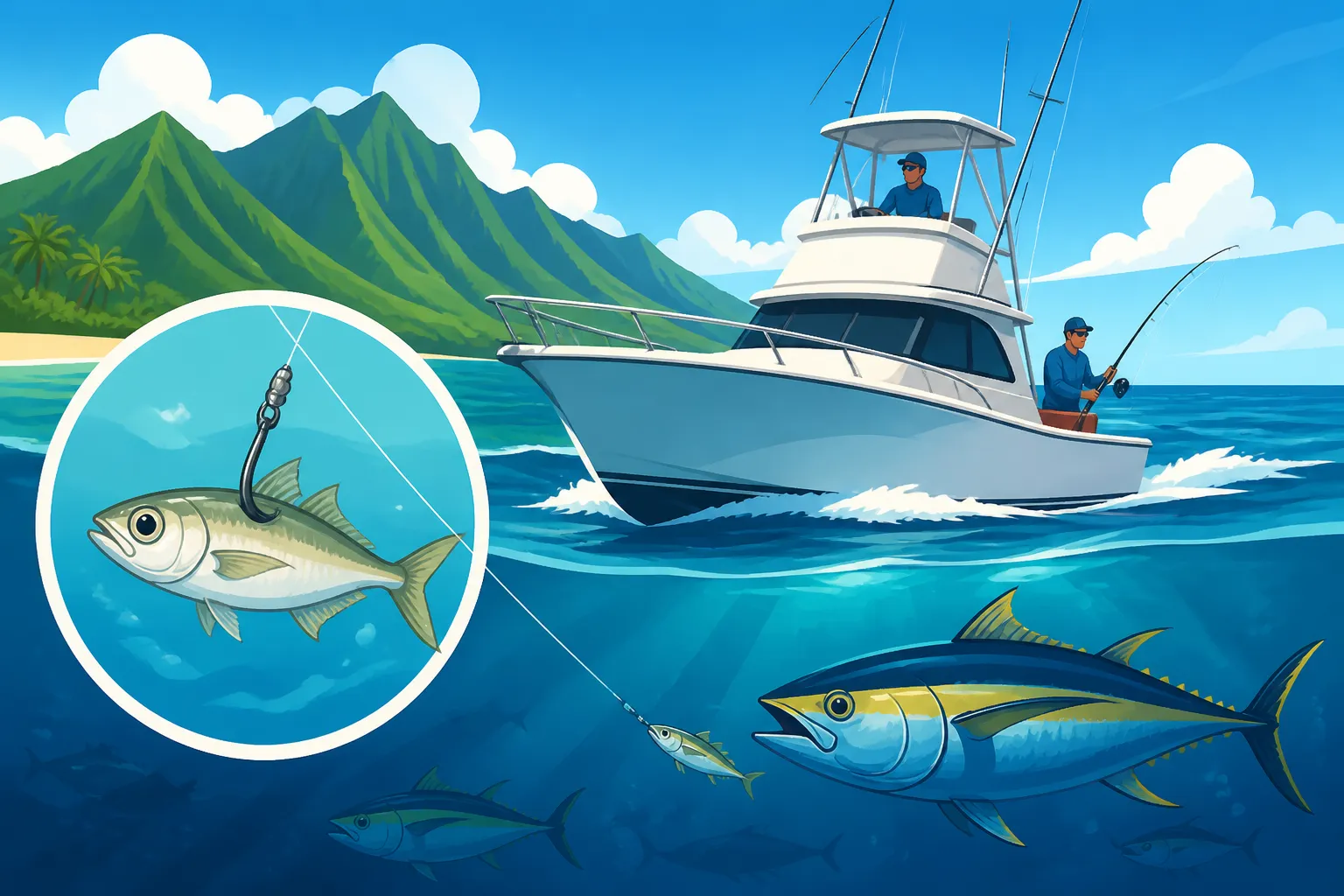
Imagine a perfectly rigged opelu or akule, swimming just off the stern of the boat, looking for all the world like a lost, easy meal. This isn't a piece of plastic with a hook in it; this is a living, breathing creature sending out distress signals and vibrations that predators can detect from a surprising distance. The irregular movements, the flashes of silver, the natural scent—it all screams "easy dinner" to a hungry blue marlin or a school of yellowfin tuna. This natural presentation is often the key to enticing a strike from a cautious or finicky fish that might otherwise ignore a fast-moving, artificial spread.
The anticipation when slow trolling live bait is almost palpable. You're not just waiting for a generic strike; you're often watching the live bait on the surface or through a transducer, seeing its behavior change as a predator approaches. That moment when the bait suddenly goes erratic, or the rod tip dips, is pure adrenaline. It's a testament to the power of a natural offering and the skill of the crew in presenting it perfectly. It's a connection to the raw, wild hunt of the open ocean.
Targeting Hawaii's Top Pelagics
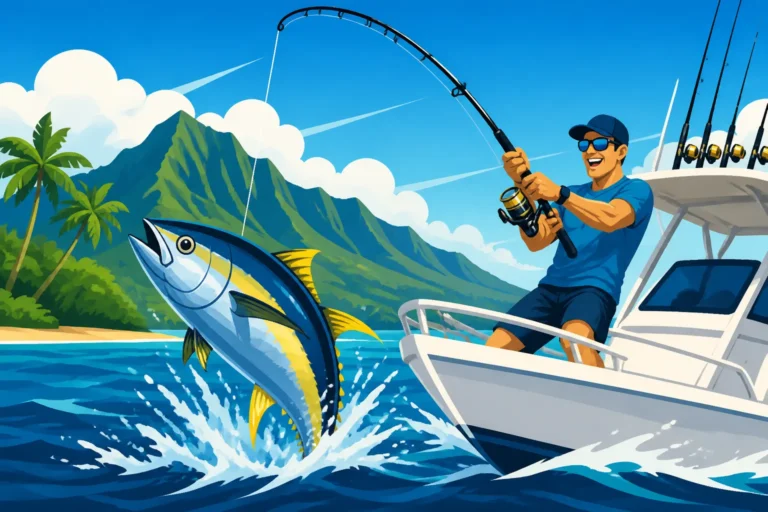
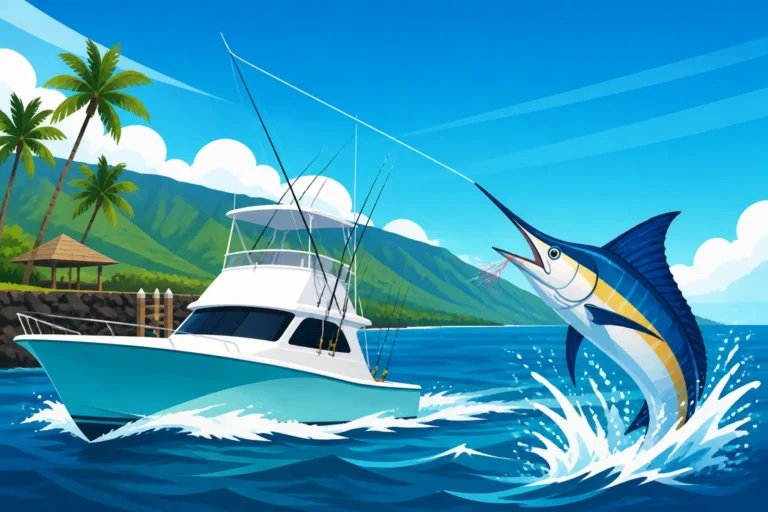
Slow trolling live bait truly shines when targeting some of Hawaii's most coveted game fish. Blue marlin, especially the grander-sized ones that Kona is famous for, often can't resist a well-presented live tuna or skipjack. These apex predators are designed to hunt real food, and a slow, vulnerable live bait is often too tempting to pass up. The tactic is also incredibly effective for large ahi (yellowfin tuna) that might be holding deeper or are wary of a surface lure blitz.
Beyond marlin and ahi, you'll find great success targeting majestic ono (wahoo) and vibrant mahimahi (dorado) with this method. Ono, known for their incredible speed and razor-sharp teeth, will readily engulf a live bait swimming through their ambush zones. Mahimahi, often found around floating debris or FADs (Fish Aggregating Devices), are aggressive feeders, and a lively baitfish is a surefire way to get their attention. The versatility of slow trolling live bait makes it a premier technique for a wide range of top-tier pelagic species here in the islands, allowing charters to adapt to what's biting best. For more on these incredible catches, check out Marlin Fishing off the Kona Coast, Ahi (Yellowfin Tuna) Fishing in Hawaii, and Ono (Wahoo) Fishing in Hawaii.
What Makes a Great Charter for Slow Trolling Live Bait?
Not all fishing charters are created equal, especially when it comes to specialized techniques like slow trolling live bait. This isn't just about having a boat and some rods; it requires specific expertise, equipment, and an intimate understanding of the local waters and fish behavior. When you're seeking out the best, you need to look beyond the basic offerings and dive into the details that truly make a difference.
The ideal slow trolling live bait charter boasts a crew that lives and breathes this method. They understand that success often hinges on hours of preparation, meticulous bait handling, and a deep knowledge of current conditions. It’s about more than just catching fish; it’s about providing a genuine, immersive experience in a very particular style of fishing. This dedication translates directly into higher success rates and a more rewarding day on the water for you, the angler.
Expertise in Bait Acquisition and Handling
Perhaps the single most critical factor for a successful live bait trip is the charter's ability to acquire and maintain healthy, lively bait. This isn't a trivial task; it often involves waking up before dawn to catch bait like opelu, akule, or skipjack, or having a reliable network for sourcing them. A great captain and crew will have designated bait wells that are properly circulated and aerated to keep the bait in prime condition, sometimes even using sophisticated chilling systems.
Beyond acquisition, the way bait is handled and rigged is paramount. A healthy baitfish presented poorly is far less effective than a slightly stressed one rigged perfectly. The crew should be adept at rigging live baits to swim naturally and effectively, whether bridling a small skipjack or slow-trolling an opelu. Their experience in matching the bait to the target species and the current conditions is invaluable. Without a good bait supply and expert handling, the whole premise of slow trolling live bait falls apart.
Specialized Gear and Vessel Setup
While any boat can theoretically troll a lure, slow trolling live bait requires specific gear and vessel modifications to be truly effective. Foremost among these are capacious, well-designed livewells that can keep a significant number of baitfish alive and frisky for hours, even days. These aren't just buckets with water; they're often custom-built, flow-through systems that mimic the bait's natural environment. The right rods, reels, and terminal tackle are also crucial. You'll need stout but sensitive rods capable of handling powerful strikes, paired with reels that can withstand the brutal runs of a large marlin or tuna.
The rigging itself must be top-notch—strong, sharp hooks, appropriate leader material, and specialized weights or kites if required. A charter that excels in this technique will often have a dedicated "bait station" on board, where the crew can efficiently rig and deploy multiple baits. Having sonar and fish finders that can clearly distinguish bait schools and target fish is also a huge advantage. This specialized equipment isn't just about convenience; it directly impacts the charter's ability to locate, present, and successfully land the fish you're after.
Captain's Local Knowledge
In Hawaii, local knowledge is king, and nowhere is this truer than in live bait fishing. A seasoned captain who has spent decades on these waters knows the subtle nuances of the ocean. They understand the currents, the thermoclines, where different bait species congregate at various times of the year, and where the big game fish are likely to be holding. They know the underwater topography, the pinnacles, and the drop-offs that act as natural hunting grounds.
This isn't knowledge you can get from a GPS chart plotter alone. It comes from countless hours on the water, observing, learning, and adapting. A great captain for slow trolling live bait can read the water, predict where bait schools might move, and anticipate where a marlin might be lurking. They know the Hawaii Fishing Seasons by Month and the Best Time of Year to Fish in Hawaii specific to different species and conditions. This intimate understanding of the ecosystem is what allows them to put you in the best position for a strike, making all the difference between a good day and an unforgettable one.
Finding Your Ideal Slow Trolling Live Bait Charter in Hawaii
So, you're convinced that slow trolling live bait is the way to go, but now the big question is: how do you find that perfect charter? With so many options available across the islands, it can feel a bit overwhelming. But by focusing on charters that explicitly offer or specialize in this technique, and by knowing the right questions to ask, you can narrow down your choices and find a crew that truly fits your fishing aspirations.
It's about doing your homework and communicating clearly. Don't assume all charters offer the same services or expertise. A quick phone call or a thorough look at a charter's online profile can save you a lot of disappointment and ensure you're stepping onto a boat geared up for the kind of fishing you want to do.
Researching and Vetting Charters
Start your search by looking specifically for charters that mention "live bait," "slow trolling," or "sportfishing for marlin and tuna" in their descriptions. Many charters will highlight their preferred methods. Pay close attention to reviews, especially those that mention the crew's expertise, the quality of their bait, and their success with this particular technique. Look for consistent praise regarding their professionalism and dedication to finding fish. Word-of-mouth recommendations from local tackle shops or experienced anglers can also be incredibly valuable.
Don't be afraid to delve into their social media or photo galleries. Do they consistently show photos of large pelagics caught on live bait? Do their boats look well-maintained and equipped with livewells? These visual cues can provide a lot of insight into their operation. Remember, a charter that prides itself on its live bait program will usually make it clear in their marketing and through the testimonials of their past clients.
Asking the Right Questions Before Booking
Once you've identified a few potential charters, pick up the phone or send an email. This is your chance to confirm their capabilities and ensure they align with your expectations. Here are some key questions to ask:
- "Do you regularly slow troll live bait?" (Some charters only do it occasionally or when other methods fail.)
- "How do you typically acquire your live bait?" (Listen for answers that indicate a proactive approach, like catching it fresh each morning, rather than just hoping it appears.)
- "What kind of live bait do you typically use, and for what species?"
- "What kind of livewell capacity do you have?"
- "What's your typical approach to a live bait trip? Do you spend time looking for bait schools first?"
- "Is the cost of live bait included, or is there an additional charge if we want to run specific baits?"
These questions will give you a clear picture of their commitment and expertise in the live bait game. A confident, knowledgeable crew will be happy to answer your detailed inquiries.
Leveraging Online Platforms
Online booking platforms can be a fantastic resource for connecting with charters that specialize in slow trolling live bait. Sites like FishingBooker allow you to filter by location, boat type, and sometimes even specific techniques or target species. Many listings on FishingBooker provide detailed descriptions of the boat's amenities, including livewells, and often feature reviews where previous clients can comment on their experience with live bait fishing. You can often see photos of the boat and its setup, which helps you visualize their live bait capabilities.
Using such platforms can help you compare multiple options side-by-side, read angler reviews, and directly communicate with captains to ask your specific questions before committing. It's a convenient way to ensure you're booking a charter that not only has the equipment but also the passion and experience for the nuanced art of slow trolling with live bait. For general advice on booking, check out How to Choose a Hawaii Fishing Charter and Best Fishing Charters in Hawaii.
Preparing for Your Slow Trolling Live Bait Adventure
Stepping onto a charter boat, especially one geared for a specialized technique, should be an exciting experience, not a stressful one. Knowing what to expect and how to prepare can significantly enhance your day on the water. While the charter crew will handle the lion's share of the work, a little foresight on your part will ensure you're comfortable, safe, and ready to capitalize on every opportunity.
Remember that slow trolling live bait often involves patience. It's not always a fast-paced, constant action affair. Sometimes the magic happens quickly, other times it's a long, steady wait for that one monumental bite. Being prepared for both scenarios—mentally and physically—is key to a truly enjoyable and potentially rewarding trip.
Essential Angler Preparations
First things first, make sure you're protected from the Hawaiian sun. Even on cloudy days, the UV index can be intense. Bring a wide-brimmed hat, sunglasses, and plenty of reef-safe sunscreen. Lightweight, long-sleeved fishing shirts and pants made of breathable, quick-drying material are ideal. It’s also wise to wear non-slip shoes with good traction, as boat decks can get wet and slick.
Hydration is critical. Bring more water than you think you'll need, and consider bringing snacks or a packed lunch, especially for longer trips. If you're prone to seasickness, take preventative measures well in advance. Consider medication or natural remedies, and remember that staying hydrated and eating light can help. Most importantly, bring an open mind and a sense of adventure. The ocean has a way of surprising us, and a positive attitude makes all the difference. For more packing tips, see What to Bring on a Hawaii Fishing Charter.
What to Expect Onboard
Once you're on board, the crew will typically go over safety procedures and explain the day's plan. For slow trolling live bait, this often involves an initial phase of catching or acquiring bait if it wasn't done before dawn. You might spend some time jigging or casting for smaller fish to fill the livewells. This can be an exciting part of the day in itself!
Once the baits are secured, the actual slow trolling begins. This is where patience comes in. The boat will move at a leisurely pace, often just fast enough to give the live baits a natural, enticing swim. The crew will be constantly monitoring the spread, the sonar, and the surrounding waters for signs of activity. When a fish hits, be prepared for an explosive, powerful fight. The crew will guide you through the process, but having a basic understanding of how to operate a fighting chair or stand-up tackle is beneficial. It’s an immersive experience where you're truly part of the hunt, and the reward is often a fish of a lifetime. The Kona Coast is particularly renowned for these experiences, so if you're there, look up Kona Coast Fishing Guide for more insights.
Disclaimer
This article is for general informational purposes only and does not constitute professional advice. Laws, prices and regulations vary by location and change over time. Consult a qualified professional for guidance on your specific situation.