Hawaii nonresident 7-day marine fishing license cost
Planning a fishing trip to Hawaii often brings up a lot of questions, especially when it comes to licenses. Many visitors understandably assume they'll need a specific permit, like a Hawaii nonresident 7-day marine fishing license, to cast a line in the beautiful ocean waters. This guide is here to clear up that common misconception and explain exactly what you do and don't need for fishing in Hawaii, so you can focus on the excitement of the catch.
The Surprising Truth: No General Marine Fishing License for Nonresidents (or Residents!) in Hawaii
Let's cut right to the chase because this is the most common point of confusion: as of right now, neither residents nor nonresidents need a general marine recreational fishing license to fish in Hawaii's state ocean waters. Yes, you read that correctly! For most forms of recreational saltwater fishing, whether you're casting from the shore, dropping a line from a kayak, or heading out on a private boat, you typically won't need to purchase a specific marine license. This is a unique aspect of Hawaii's fishing regulations that often surprises first-time visitors and even some long-time residents who might assume a license is always necessary, as it is in many other states.
Why This Fact Often Catches Visitors Off Guard
It's completely normal to assume a marine fishing license is required. Most states across the U.S. have some form of saltwater fishing license requirement for both residents and non-residents, often varying in duration from daily to annual. So, when you're planning a trip to a premier fishing destination like Hawaii, it’s a natural reflex to search for license information. The absence of a general marine license requirement here is largely due to historical practices and the state's approach to managing its vast ocean resources. However, it's crucial not to mistake this absence for a complete lack of rules. The ocean might be free of a general license fee, but it’s certainly not free of regulations. You'll still need to be acutely aware of specific rules for different species and locations.
What "State Waters" Really Mean for Anglers
When we talk about "Hawaii state waters," we're generally referring to the waters extending three nautical miles from the coastline of each island. This area includes the nearshore reefs, bays, and open ocean within that boundary. Beyond this three-mile mark, you enter federal waters, where some different regulations might apply, particularly for commercial operations, but for recreational anglers, the "no license required" rule generally holds true even further offshore unless you're targeting highly migratory species under specific federal permits (which usually applies more to commercial fishing or very specialized sportfishing). The most important takeaway here is that for the vast majority of recreational fishing experiences you'll have in Hawaii, from shore casting for papio to deep-sea trolling for mahi-mahi just a few miles out, you won't be asked to show a marine fishing license.
So, What Do You Need to Know for Marine Fishing in Hawaii?
While you can skip the step of buying a marine license, don't let that lull you into thinking it's a free-for-all. Hawaii is incredibly serious about protecting its marine ecosystems and ensuring sustainable fishing for generations to come. This means there are still plenty of rules you absolutely must follow. Ignorance of the law is never an excuse, and Hawaii's Department of Land and Natural Resources (DLNR) Division of Aquatic Resources (DAR) enforces these regulations diligently. If you're planning to fish, it's essential to familiarize yourself with the full suite of Hawaii Fishing Regulations Explained.
Marine Life Conservation Districts (MLCDs) and Other Restricted Areas
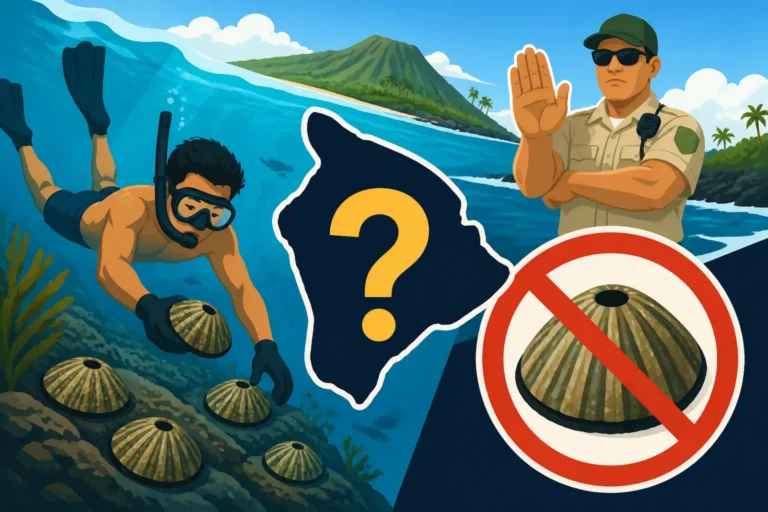
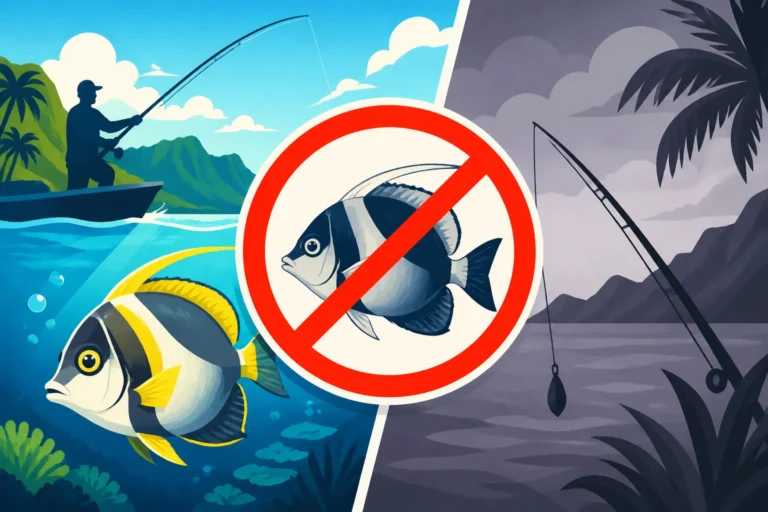
One of the most critical things for any angler to understand in Hawaii is where you cannot fish, or where fishing is heavily restricted. Hawaii has established several Marine Life Conservation Districts (MLCDs) and other protected areas, like Natural Area Reserves and Fisheries Management Areas, which have very strict rules, often prohibiting any form of fishing or even the collection of marine life. For example, popular tourist spots like Hanauma Bay on Oahu are MLCDs where fishing is strictly forbidden. Similarly, areas designated as Fish Replenishment Areas (FRAs) or specific no-take zones will have their own unique set of rules. Always check the local signs and the DLNR website for the specific area you plan to fish. You definitely don't want to accidentally cast a line in a protected area and face hefty fines or worse. For a deeper dive, check out our guide on Hawaii Marine Life Conservation Districts, Explained.
Bag and Size Limits by Species
Even outside of protected areas, you can't just keep every fish you catch. Hawaii has specific Hawaii Bag and Size Limits by Species for many popular fish, crustaceans, and other marine life. These limits are designed to prevent overfishing and allow fish populations to thrive. For instance, there are minimum and maximum size limits for certain types of parrotfish (uhu), moi (Pacific threadfin) have a closed season, and even popular pelagics like ahi (yellowfin tuna) have bag limits for recreational anglers.
It's not enough to know the general rule; you need to know the specific details for the species you're targeting. For example:
- Uhu (Parrotfish): Different species of uhu have varying size limits and some even have gear restrictions.
- Moi (Pacific Threadfin): This highly prized fish has a specific closed season (June-August) to protect its spawning period, and strict size limits outside of that.
- Ulua (Giant Trevally) and Papio (Juvenile Trevally): There are strict minimum size limits for these powerful game fish.
Always have a measuring tape handy and be prepared to release undersized or oversized fish carefully. These regulations can change, so a quick check of the DLNR DAR website before your trip is always a good idea.
Gear Restrictions and Permitted Fishing Methods
Beyond where and what you can catch, there are also rules about how you can catch fish. Certain fishing methods, gear types, and even bait types may be restricted or prohibited in various areas or for specific species. For example, some areas may restrict the use of gill nets, throw nets, or certain types of traps. Spearfishing also has its own set of rules, including restrictions on Hawaii SCUBA Spearfishing Ban in many areas and specific gear requirements for breath-hold spearfishing. You also need to be mindful of regulations concerning collecting baitfish. Knowing these restrictions beforehand ensures you're fishing legally and responsibly. When assembling your tackle box, whether you're buying local or stocking up on Amazon, make sure all your gear complies with Hawaii's regulations.
Freshwater Fishing: Where Licenses Are Required
Now, here's where the license conversation changes entirely: freshwater fishing in Hawaii absolutely requires a license for individuals aged 18 and older. This is a critical distinction from marine fishing. While Hawaii isn't widely known for its freshwater angling compared to its abundant ocean fisheries, there are indeed opportunities to fish for introduced species like rainbow trout, peacock bass, largemouth bass, and tilapia in specific reservoirs and streams. If you plan to explore these options, a freshwater fishing license is a non-negotiable requirement. For a full breakdown of these rules, check out our guide on Hawaii Freshwater Fishing License and Rules.
Nonresident Freshwater License Options and Costs
For nonresidents looking to enjoy Hawaii's limited but unique freshwater fisheries, the good news is that there are flexible license options available, including a 7-day tourist license. This makes it convenient for visitors who only plan a short freshwater excursion.
Here's a breakdown of the current costs for nonresident freshwater fishing licenses:
| License Type | Cost (Effective 2024) | Notes |
|---|---|---|
| 7-Day Tourist Freshwater | $10.00 | Ideal for short visits, valid for seven consecutive days. |
| 30-Day Tourist Freshwater | $20.00 | Good for longer stays or multiple freshwater trips within a month. |
| Annual Nonresident Freshwater | $20.00 | If you plan to visit multiple times a year or stay for an extended period. |
Please note: These prices are subject to change by the DLNR. It's always best to verify the most current fees directly on the DLNR website before purchasing.
As you can see, the specific query "Hawaii nonresident 7-day marine fishing license cost" actually points to a freshwater need. The $10.00 7-day tourist freshwater license is quite affordable, making it accessible for visitors who want to try their hand at catching trout in Kokee or bass in Wahiawa. This cost directly addresses the format of your initial query, but for the correct type of water! You can find more details on the Hawaii 7-day tourist freshwater license cost in our dedicated article.
How to Purchase a Freshwater License
Purchasing your Hawaii freshwater fishing license is generally a straightforward process, whether you prefer the convenience of online buying or the personal touch of a local vendor.
Online Purchase Options and Convenience
The easiest and most common way to buy your freshwater license is directly through the Hawaii DLNR's Division of Aquatic Resources (DAR) online licensing system. This platform is accessible 24/7, allowing you to purchase your license well in advance of your trip. The process typically involves:
- Visiting the Official Website: Navigate to the DLNR DAR licensing portal.
- Creating an Account: If you don't already have one, you'll need to create a profile, providing basic personal information.
- Selecting License Type: Choose the "Non-resident Freshwater Fishing License" and your desired duration (e.g., 7-day tourist).
- Payment: Complete the transaction using a credit card.
- Printing/Digital Copy: Once purchased, you'll usually receive an email confirmation with a printable license. It's highly recommended to print a physical copy and carry it with you, or at least have a digital copy saved on your phone. You can learn more about Printing or Carrying a Digital Fishing License in Hawaii.
The online system is incredibly convenient, especially if you're planning your trip from afar. Just make sure you're on the official government site to avoid any third-party scams.
Local Vendors and the In-Person Experience
For those who prefer a more traditional approach or need a last-minute license, you can also purchase freshwater fishing licenses from authorized vendors across the islands. These vendors often include tackle shops, sporting goods stores, and sometimes even general stores in more rural areas.
- Benefits of In-Person Purchase: This option allows you to ask local experts for advice on fishing conditions, hot spots, and recommended gear. Many local tackle shop owners are lifelong anglers themselves and can offer invaluable insights that you won't find online.
- Finding a Vendor: The DLNR website usually provides a list of authorized license agents. A quick search for "Hawaii fishing license vendors near me" once you arrive on the island can also point you in the right direction. While you're at the local shop, you might pick up some essential local bait or tackle that's harder to find elsewhere. Or, if you're looking for common accessories like a wide-brimmed hat or polarized sunglasses, you might find a broader selection on Amazon for delivery before you leave.
Popular Freshwater Fishing Spots
Once you have your freshwater license, you might be wondering where to put it to good use. While options are fewer than marine spots, they offer a unique angling experience.
- Wahiawa Reservoir (Oahu): This is arguably the most popular freshwater fishing destination in Hawaii, famous for its peacock bass, largemouth bass, tilapia, and channel catfish. It's a serene, beautiful spot with specific rules for access and boat use. Make sure you're up to date on the Hawaii Wahiawa Reservoir Fishing Rules.
- Kokee Public Fishing Area (Kauai): Nestled in the mountains of Kauai, this area offers the chance to catch rainbow trout. It's a truly unique fishery, with a specific Hawaii Kokee Trout Fishing Season Dates that typically runs from June to September.
- Nuuanu Reservoir (Oahu): Another option on Oahu, though often with more restrictive access and different species.
These freshwater fisheries provide a different kind of challenge and a wonderful opportunity to experience the islands' interior beauty.
Essential Resources for All Anglers in Hawaii
Navigating fishing regulations in an unfamiliar place can be daunting, even without a general marine license requirement. But with a bit of preparation and knowing where to look, you can ensure your fishing adventure is both successful and fully compliant with local laws.
Navigating the DLNR Division of Aquatic Resources Website
Your absolute best friend for staying informed about Hawaii's fishing regulations is the official website of the Hawaii Department of Land and Natural Resources (DLNR), specifically the Division of Aquatic Resources (DAR) section. This is the authoritative source for all current rules, including:
- Regulation Handbooks: Often available as downloadable PDFs, these comprehensive guides detail all bag limits, size restrictions, closed seasons, and prohibited gear.
- Updates and News: Regulatory changes happen. The website will have the latest information on any new rules, emergency closures, or adjustments to existing laws.
- MLCD Maps: Detailed maps showing the boundaries of Marine Life Conservation Districts and other restricted areas are often available.
- License Sales: As mentioned, this is where you can purchase your freshwater fishing license online.
Make it a habit to check this site before your trip and even periodically during your stay, especially if you plan to fish in different areas or target various species. Many experienced anglers even keep a printed copy of the most relevant regulations in their tackle box, right alongside their hooks and lines.
Local Knowledge and Tackle Shops
While official websites are crucial, there's no substitute for local knowledge. When you arrive in Hawaii, make it a point to visit a local tackle shop. These establishments are more than just places to buy bait and lures; they're community hubs where experienced local anglers gather and share information.
- Ask Questions: Don't be shy! Ask about current fishing conditions, what's biting, the best spots (within reason, as some local spots are closely guarded secrets!), and any recent regulation changes. They can often clarify nuances of the rules that might not be immediately obvious in written guides.
- Gear Advice: Local shop owners can recommend the best lures, baits, and tackle specifically suited for Hawaii's unique marine environment. Sometimes, generic gear from bigger online retailers like Amazon might not be perfectly suited for the volcanic rock bottoms or specific current conditions found here.
- Cultural Respect: They can also provide insights into local customs and etiquette, which are very important in Hawaii's fishing culture. Understanding and respecting traditional fishing practices and community norms will enhance your experience.
Embrace the aloha spirit, chat with the locals, and you'll not only gain valuable fishing intelligence but also a deeper appreciation for the islands and their people.
Disclaimer
Please remember that fishing regulations, costs, and availability of licenses can change. Always consult the official Hawaii Department of Land and Natural Resources (DLNR) Division of Aquatic Resources (DAR) website or contact them directly for the most current and accurate information before planning your fishing trip. This guide is for informational purposes only and should not be considered legal advice.