Is SCUBA Spearfishing Legal in Hawaii?
It’s a question that brings up a lot of passionate debate and, frankly, frustration for many visitors and even some newer residents to Hawaii: Can you use SCUBA gear to spearfish in our beautiful waters? The image of gliding effortlessly underwater, perfectly positioned to target that prized fish, is certainly appealing. However, the reality is far different from what many imagine. This comprehensive guide is here to clear up any confusion, explain the specific laws, and help you understand why certain regulations are in place to protect Hawaii's precious marine environment.
The Blunt Truth: SCUBA Spearfishing is Largely Prohibited in Hawaii
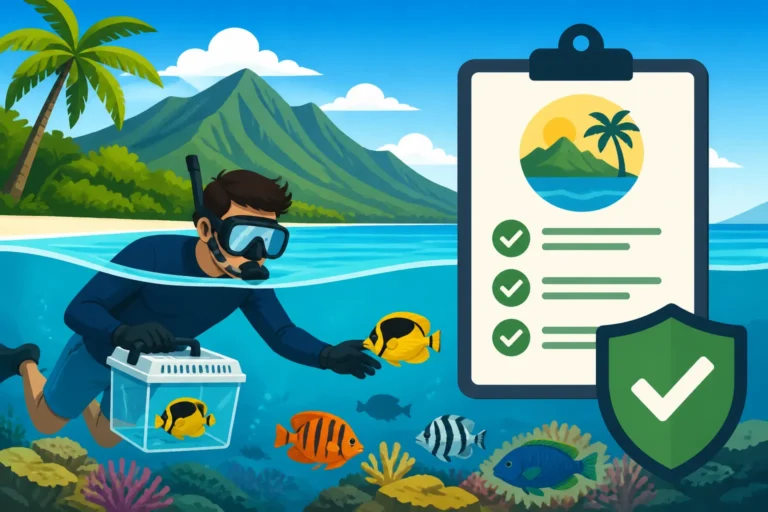
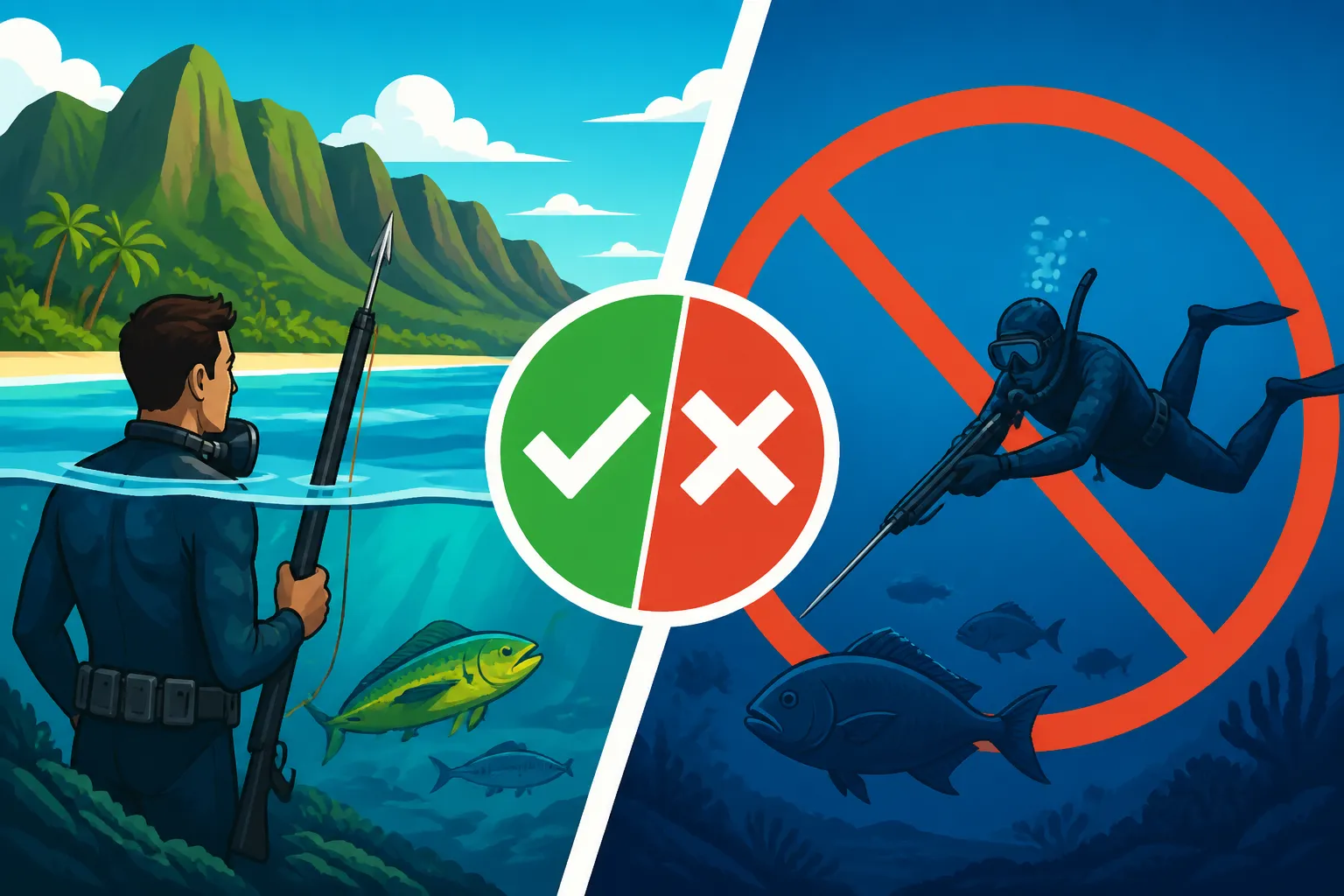
Let's get straight to it: for recreational anglers, using SCUBA gear to spearfish is generally illegal in Hawaii. This isn't just a suggestion; it's a firm regulation enforced by the state. Many people arrive in Hawaii with a vision of underwater hunting, perhaps from experiences in other parts of the world, only to find that their gear is effectively rendered useless for spearfishing here. This often comes as a shock, leading to disappointment and a lot of head-scratching about the "why."
What the Law Says and Why It Exists
Hawaii Revised Statutes (HRS) §188-30 explicitly prohibits the use of SCUBA or similar underwater breathing apparatus when taking or attempting to take any fish or aquatic life. This blanket ban covers a vast majority of the marine resources that anglers would typically target. The rationale behind this law is deeply rooted in conservation and the principle of fair chase.
Imagine a fish on the reef, relying on its natural camouflage, speed, and intimate knowledge of its hiding spots to evade predators. When an angler descends on SCUBA, they effectively remove many of these natural advantages. The diver can stay submerged for extended periods, move slowly and deliberately, and pursue fish into their sanctuaries without the natural limitations of breath-hold diving. This gives the diver an undeniable, often unfair, advantage, making it far too easy to deplete fish populations, especially slow-moving or territorial reef fish like certain parrotfish (uhu) or goatfish (kumu). The law aims to level the playing field, ensuring that fish have a fighting chance and that their populations remain healthy for future generations. For a broader understanding of what you can and cannot do, it's always wise to review the Hawaii Fishing Regulations Explained.
Historical Context and Conservation Efforts
The prohibition on SCUBA spearfishing isn't a new, arbitrary rule; it's the result of decades of observation and concern over the health of Hawaii's unique marine ecosystems. In the past, when SCUBA spearfishing was more prevalent, certain species were heavily impacted. Reef systems, which are the lifeblood of our ocean environment, began to show signs of stress from overharvesting.
Hawaii's coral reefs are incredibly diverse but also fragile. They provide critical habitat, food, and breeding grounds for countless species. Allowing divers to systematically hunt fish with the extended bottom time and mobility afforded by SCUBA would quickly lead to localized depletion, affecting the entire food web. The DLNR (Department of Land and Natural Resources) Division of Aquatic Resources (DAR) continuously monitors these populations, and regulations like the SCUBA spearfishing ban are essential tools in their arsenal to ensure sustainability. It's part of a larger effort, alongside specific bag and size limits for various species and seasonal closures, to manage our fisheries responsibly. For instance, species like the beloved moi have specific closed seasons to protect spawning fish, demonstrating a holistic approach to conservation.
Exceptions and Nuances: Where SCUBA Might Be Allowed
While the general rule is "no SCUBA for spearfishing," there are a few highly specific exceptions and critical distinctions to understand. These aren't loopholes for recreational anglers but rather tightly controlled circumstances that serve particular scientific or management objectives.
Commercial Fishing and Research Permits
It is exceedingly rare, but certain commercial fishing operations or scientific research projects may be granted special permits by the DLNR that allow the use of SCUBA for harvesting specific aquatic resources. These permits are not issued lightly. They often come with stringent conditions, target specific non-native or invasive species (like taape or roi, which are unfortunately abundant on some reefs), or are part of critical scientific studies to monitor fish health or reef ecosystems.
For instance, a research team studying fish behavior might use SCUBA to observe and even tag fish, but taking fish would require explicit authorization. Similarly, commercial divers targeting certain deep-water species might use specialized gear, but again, this operates under a different licensing structure entirely, distinct from recreational spearfishing. The application and approval process for such permits is extensive, requiring detailed justification and adherence to strict protocols. These are not options available to the average recreational diver looking to catch dinner.
Shore-based Spearfishing vs. SCUBA
It's absolutely crucial to distinguish between spearfishing with SCUBA gear and traditional, breath-hold spearfishing. While SCUBA spearfishing is largely banned, breath-hold spearfishing (also known as freediving spearfishing) is a deeply rooted tradition in Hawaii and remains a popular and legal method of harvesting fish, provided you adhere to all other regulations.
When you're freediving, you are limited by your lung capacity, which requires significant skill, physical fitness, and an intimate understanding of the ocean. This natural limitation provides fish with a much greater chance of escape, aligning with the "fair chase" principle. Many local anglers prefer this method not just because it's legal, but because it connects them more deeply to the ocean and the traditions of their ancestors. If you're considering this method, it's vital to familiarize yourself with Hawaii Spearfishing Regulations to ensure you're compliant with all rules, including those pertaining to specific species, bag limits, and protected areas. Remember, you'll still need to follow Hawaii Bag and Size Limits by Species even when freediving.
Understanding the Penalties and Enforcement
Breaking fishing regulations in Hawaii, particularly those concerning SCUBA spearfishing, isn't just a slap on the wrist. The state takes these offenses very seriously, and the penalties can be substantial, impacting your wallet and potentially leading to more severe legal trouble.
Fines, Confiscation, and Legal Ramifications
If you are caught spearfishing with SCUBA gear in Hawaii, you could face significant fines. These fines can range from hundreds to thousands of dollars per offense, depending on the severity and specific circumstances. Beyond monetary penalties, one of the most immediate and impactful consequences is the confiscation of your gear. This means your expensive SCUBA tanks, regulators, BCD, speargun, fins, and any fish you've caught will likely be seized by enforcement officers. This can be a devastating loss for any diver or angler.
In some cases, especially for repeat offenders or those engaging in egregious violations, the charges could escalate beyond simple fines, potentially leading to criminal charges. This isn't just a possibility; the DLNR's Division of Conservation and Resources Enforcement (DOCARE) officers are actively patrolling Hawaii's waters and shorelines, especially in popular diving and fishing areas. They are highly trained and equipped to detect and apprehend individuals violating these laws. Ignorance of the law is generally not accepted as an excuse.
How to Stay Compliant and Avoid Trouble
The best way to avoid trouble is to fully understand and respect Hawaii's fishing regulations. Here's what you need to do:
- Educate Yourself: Before you even get in the water, take the time to read the current regulations provided by the Hawaii DLNR Division of Aquatic Resources. These are often available online in PDF format and detail everything from licensing requirements (Do you need a Hawaii Fishing License Guide for 2026?) to specific species rules and restricted areas.
- Know Your Gear: Understand that if your breathing apparatus allows you extended bottom time, it's likely prohibited for spearfishing. This includes SCUBA, rebreathers, and hookah systems.
- Respect Marine Life Conservation Districts (MLCDs): These are highly protected areas where fishing activity, including spearfishing of any kind, is often heavily restricted or completely prohibited. Always check the rules for specific locations, such as the various Hawaii Marine Life Conservation Districts, Explained. Fishing in these areas carries even harsher penalties.
- Observe and Learn: If you're unsure, watch what local, experienced anglers are doing. They are often the best source of real-world information on what's allowed and what's not, and they generally adhere strictly to regulations to protect their local resources.
- When in Doubt, Don't: If there's any ambiguity about whether an activity or piece of gear is legal for spearfishing, err on the side of caution. The potential consequences far outweigh the risk.
Alternative Approaches for Ethical and Legal Harvesting
Just because SCUBA spearfishing is off-limits doesn't mean you can't enjoy the thrill of the hunt or the reward of fresh, self-caught fish in Hawaii. There are numerous ethical and legal ways to engage with the marine environment and harvest aquatic resources.
Freediving and Breath-Hold Spearfishing
As mentioned, freediving, or breath-hold spearfishing, is the primary legal and culturally significant method for spearfishing in Hawaii. This technique demands incredible skill, breath control, physical fitness, and an innate understanding of fish behavior and reef structure. It transforms the hunt into a genuine challenge of human ability against the instincts of wild fish.
- The Challenge: Unlike SCUBA, freediving limits your bottom time, forcing you to be highly selective, efficient, and respectful of the fish's natural defenses. You learn to approach quietly, utilize currents, and take advantage of natural cover, all while managing your oxygen.
- The Gear: For freediving, you'll need a good quality mask, snorkel, and long fins designed for efficiency. A proper freediving wetsuit can help with buoyancy and warmth. Spearguns used for freediving are typically pole spears or band-powered guns. Many experienced freedivers source their quality freediving fins or masks from reputable online retailers like Amazon, ensuring they have the right equipment for effective breath-hold diving. For specialized gear like low-volume masks and long carbon fins, you'll find a wide selection.
- The Reward: Successfully spearing a fish on a single breath is an incredibly rewarding experience, connecting you to the ocean in a profound way that echoes ancient Hawaiian practices. It fosters a deep appreciation for both the ocean and the resource you're harvesting. If you're serious about this, exploring Best Spearfishing Techniques for Hawaii Reefs can give you a significant head start.
Pole Fishing and Other Traditional Methods
If freediving isn't your cup of tea, there's a vast world of traditional and modern pole fishing methods that are perfectly legal and widely practiced. Shore fishing, for example, is incredibly popular and accessible. You can cast from beaches, rocky points, and piers using various techniques to target a wide array of species.
- Whipping: This is a dynamic casting technique using lighter tackle, often targeting papio (juvenile trevally) or other smaller reef fish. It's an active and engaging way to fish from shore.
- Slide Baiting: For those targeting larger game fish like ulua (giant trevally) from shore, slide baiting is a popular technique that involves casting a weight and then sending a live or dead bait out along the line. It's a game of patience and brute strength.
- Bottomfishing: Whether from shore or boat, bottomfishing targets species that live on or near the seabed, such as snapper (opakapaka, onaga) or other reef fish. This can be a relaxing yet rewarding experience.
- Trolling: For offshore enthusiasts, trolling with lures or bait behind a boat is a classic method for catching pelagic species like marlin, ahi (yellowfin tuna), ono (wahoo), and mahimahi.
For those transitioning to pole fishing, you can find a wide array of beginner-friendly fishing rods, reels, and tackle on Amazon. They offer everything from basic spinning combos for whipping to heavier surfcasting setups for ulua. Many anglers also find great success in learning how to catch How to Catch Ulua from Shore or How to Catch Papio on Hawaii's Shoreline using these legal methods. These methods offer fantastic opportunities to enjoy Hawaii's diverse fishery while remaining fully compliant with all state regulations.
No matter which legal fishing method you choose, always remember to respect the ocean, adhere to all rules, and practice sustainable fishing habits to help preserve Hawaii's incredible marine resources for generations to come.
Disclaimer
Please remember that fishing regulations in Hawaii, as with any jurisdiction, are subject to change. While we strive to provide the most current and accurate information, it is always your responsibility to verify all rules and laws with the Hawaii Department of Land and Natural Resources (DLNR) Division of Aquatic Resources (DAR) before engaging in any fishing activities. This guide is for informational purposes only and should not be considered legal advice.