Wahiawa Reservoir Fishing Guide
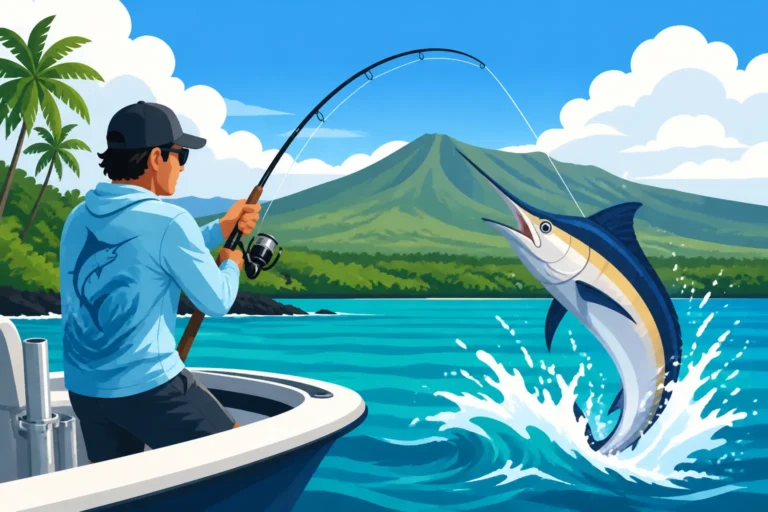
It's easy to get swept away by the allure of Hawaii's deep blue ocean, imagining epic battles with marlin or ahi just offshore. But what if you're craving a different kind of angling adventure, away from the crashing waves and saltwater spray? Many visitors and even kama'aina overlook the unique freshwater fishing opportunities available, especially on Oahu. This comprehensive guide will take you on a deep dive into Wahiawa Reservoir, revealing everything you need to know to unlock its hidden potential and enjoy a truly distinct Hawaiian fishing experience.
Understanding Wahiawa Reservoir: A Freshwater Oasis on Oahu
When most people think of fishing in Hawaii, their minds immediately drift to vast ocean horizons or picturesque shorelines. But tucked away in the heart of Oahu lies a true freshwater gem: Wahiawa Reservoir. It's a fantastic spot that offers a completely different, yet equally rewarding, angling experience, often catching visitors by surprise.
A Brief History and Unique Ecosystem
Wahiawa Reservoir, also known as Lake Wilson, isn't a natural lake. It was actually created back in the early 1900s to support the booming pineapple and sugar cane industries on Oahu, serving as a vital irrigation source for the surrounding agricultural lands. Over the decades, it has evolved into the largest freshwater body on the island, transforming into a unique ecosystem that sustains a diverse population of introduced fish species. It’s a stark contrast to the typical saltwater paradise Hawaii is famous for, and that's precisely what makes it so special for anglers seeking something different.
The reservoir is fed by several streams, including the Kaukonahua Stream, which bring fresh nutrients and create varied habitats, from shallow coves to deeper channels. Because it was an artificial creation, the fish populations here are entirely a result of introductions over time, primarily to establish a sport fishery. This human intervention has, in many ways, crafted a unique angling destination unlike almost anywhere else in the islands. The biggest challenge, and sometimes a source of frustration for newcomers, is simply navigating the specific permit requirements and understanding that this isn't your average "drop a line anywhere" kind of spot. It demands a bit of homework, but the rewards are absolutely worth it.
Key Fish Species You'll Find
Wahiawa Reservoir is renowned for its vibrant array of freshwater game fish, offering exciting opportunities for anglers of all skill levels. While Hawaii's native freshwater fish are generally small and found in streams, Wahiawa boasts impressive introduced species that thrive in its warm waters.
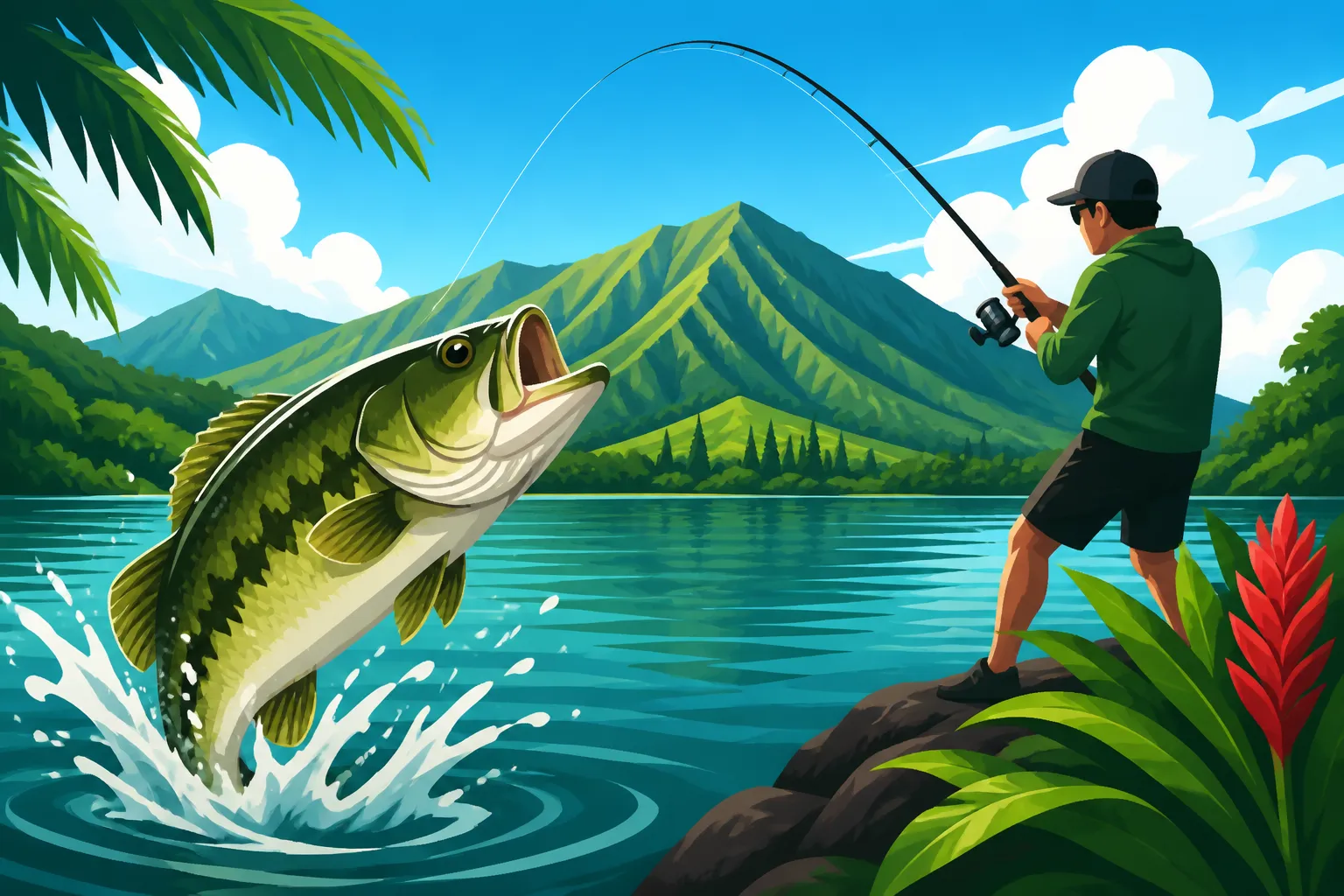
The undisputed king of Wahiawa Reservoir is the Peacock Bass. These aren't your typical subtle freshwater fish; they're aggressive, beautiful, and put up a spectacular fight, making them a top target for many. Originating from the Amazon, their vibrant colors and powerful strikes make catching a peacock bass an unforgettable experience. You'll also find healthy populations of Largemouth Bass, which provide a classic bass fishing challenge. These fish are known for their ambush tactics and explosive topwater strikes, especially during dawn and dusk. For those looking for something a bit different, Tilapia are also plentiful. While not typically considered a sport fish by some, they can be great fun on light tackle, and they're excellent table fare. Finally, Channel Catfish cruise the deeper, murkier waters, offering a strong pull and a different kind of angling puzzle, often best targeted with bait on the bottom. Each species offers its own unique challenge and reward, ensuring that a day spent on the reservoir is rarely dull. If you're keen to learn more about these specific targets, we have detailed guides on topics like Peacock Bass in Wahiawa Reservoir, Largemouth Bass in Hawaii's Reservoirs, Tilapia in Hawaii's Freshwater Reservoirs, and Channel Catfish in Hawaii's Reservoirs.
Access and Permitting Essentials
Alright, let's talk brass tacks: getting onto Wahiawa Reservoir to fish isn't as simple as just showing up with a rod. This is a common point of frustration for many, as Hawaii’s fishing regulations can sometimes feel like a labyrinth. However, it's crucial to understand that these rules are in place to manage the fishery responsibly. To fish in Wahiawa Reservoir, you absolutely need a freshwater fishing license. This isn't optional, and ignoring it can lead to hefty fines. The Hawaii Division of Aquatic Resources (DAR) oversees these regulations, and they're pretty strict about compliance.
First, you’ll need a valid Hawaii Freshwater Game Fishing License Cost or, if you're visiting, a Hawaii Freshwater License Cost for Nonresidents. These can be obtained online through the Department of Land and Natural Resources (DLNR) website, or by visiting authorized license vendors across the islands. It’s usually a pretty straightforward process, but make sure to apply well in advance of your trip, especially if you're relying on snail mail for a physical license. Beyond the general license, Wahiawa Reservoir specifically requires an additional access permit. This special permit is typically issued by the State of Hawaii, Department of Land and Natural Resources, and details for it are often outlined within the broader Wahiawa Reservoir Fishing Rules. This second permit usually comes with specific regulations regarding access points, permitted hours, and sometimes even restrictions on bait or tackle. Always double-check the most current regulations directly with the DLNR before heading out, as rules can change. It might seem like a bit of a bureaucratic hurdle, but once you have your permits in hand, the fishing experience is well worth the effort!
Prime Fishing Spots and How to Get There
Wahiawa Reservoir might look like a big body of water on the map, but knowing where to focus your efforts can make all the difference. Just like ocean fishing, certain spots here hold more fish, and understanding how to reach them is key to a successful outing.
Shoreline Access Points
For those who prefer to keep their feet firmly planted on solid ground, there are several shoreline access points around Wahiawa Reservoir, though they aren't always immediately obvious or abundant. The most commonly recognized and accessible areas are along the eastern and northern edges of the reservoir, particularly near the public access points off Avocado Street and around the Wahiawa Botanical Garden area. These spots often feature open banks where you can cast out without too much obstruction. Parking can sometimes be a bit tricky, often requiring street parking and a short walk, so be mindful of local signage and private property.
Anglers frequently find success targeting the numerous coves and points along these shorelines. These areas provide structure and deeper water transitions that hold baitfish and, consequently, the predatory bass and peacock bass. It’s not uncommon to see local anglers working spinnerbaits or soft plastics along these banks. While the shore fishing can be productive, it's essential to manage expectations; covering a lot of water can be challenging, and the best spots might require some exploration and a willingness to hike a bit. Safety is also paramount, so always wear appropriate footwear and be aware of slippery banks or uneven terrain.
Boat and Kayak Launch Areas
To truly unlock the full potential of Wahiawa Reservoir, getting out on the water in a boat or kayak is often the way to go. This allows you to reach those untouched coves, submerged structures, and deeper channels that shore anglers can't access. The main public boat launch is located on the reservoir's eastern side, near the dam. This launch provides a concrete ramp for trailered boats, and there's usually ample parking available. However, there are very strict rules regarding boat use on Wahiawa Reservoir. For instance, gasoline-powered outboards are often restricted or have specific horsepower limits to protect water quality. Electric trolling motors are generally preferred and highly effective for navigating the reservoir's diverse habitats.
Before you even think about launching, ensure your vessel complies with all Hawaii Boating Laws for Anglers, including safety equipment and registration. If you're bringing a kayak or canoe, while they might not always require full registration, understanding Are Kayaks Required to Be Registered in Hawaii? is still important. Kayaks and stand-up paddleboards are incredibly popular on Wahiawa because they offer stealthy access to shallow weed beds and tight coves where peacock bass love to hide. Just remember to always check your gear, pack plenty of water, and wear your personal flotation device (PFD) – safety first, always! Many anglers even choose to book a guided trip through services like FishingBooker, where experienced local guides provide all the necessary equipment and navigate the regulations for you, ensuring a hassle-free day on the water.
Seasonal Considerations for Wahiawa
Understanding the ebb and flow of the seasons can significantly impact your success rate at Wahiawa Reservoir. Unlike the dramatic seasonal changes on the mainland, Hawaii’s climate is relatively consistent, but subtle shifts in weather, rainfall, and water temperature still play a crucial role in fish behavior. Generally, the warmer months, typically from late spring through early fall (April to October), are prime time for targeting the reservoir's most aggressive inhabitants, especially the peacock bass. During this period, the water temperatures are consistently warm, encouraging these tropical fish to be more active and to feed closer to the surface. This is when topwater action can be absolutely electrifying!
However, the "cooler" months (November to March), while not as scorching, can still offer excellent fishing, particularly for largemouth bass and catfish. The fish might move into slightly deeper water or hold tight to structure, requiring different tactics. Heavy rainfall, which is more common in Hawaii during the winter months, can also affect water clarity and levels. While a little rain can sometimes spark a bite, excessive runoff can muddy the water, making it harder for fish to see lures and for anglers to spot fish. It's always a good idea to check local weather forecasts and consider recent rainfall before heading out. For a broader understanding of how the seasons impact fishing across the islands, you might find our guide on Hawaii Fishing Seasons by Month quite helpful in putting Wahiawa into a larger context.
Mastering Techniques for Wahiawa's Freshwater Giants
Fishing Wahiawa Reservoir isn't just about showing up; it's about understanding the unique habits of its inhabitants and employing the right techniques to entice them. Each species calls for a slightly different approach, and being versatile will definitely pay off.
Lures and Baits for Peacock Bass
Peacock bass are, simply put, pure adrenaline. These aggressive predators often hit lures with such force that it can take your breath away. When it comes to lures, topwater presentations are often the most exciting and effective, especially during dawn and dusk or on overcast days. Poppers, walk-the-dog style baits (like a Zara Spook), and prop baits that create a commotion on the surface are incredibly effective at drawing out explosive strikes. The visual aspect of a peacock bass blowing up on a topwater lure is something every angler should experience.
Beyond topwater, subsurface lures like shallow-running crankbaits in bright colors (chartreuse, firetiger, or those mimicking tilapia patterns) also work wonders, particularly when fish are holding a bit deeper in weed lines or around submerged structure. Lipless crankbaits and spinnerbaits with silver or gold blades can cover a lot of water and draw reactive strikes. For a more subtle approach, soft plastic jerkbaits or swimbaits rigged weedless can be incredibly effective when worked slowly through submerged vegetation. While artificial lures are king, live baits like small tilapia or prawns can also be irresistible, though live bait regulations need to be strictly followed. You can really dive deep into the specific strategies for these incredible fish with our dedicated guide on Best Techniques for Peacock Bass in Wahiawa Reservoir.
Tactics for Largemouth Bass and Tilapia
While peacock bass get a lot of the spotlight, Wahiawa Reservoir also offers fantastic fishing for largemouth bass, which often demand a more nuanced approach, and tilapia, which are a blast on light tackle. For largemouth, classic bass techniques shine here. Think Texas-rigged or wacky-rigged soft plastic worms, creature baits, or senkos worked slowly along drop-offs, around submerged timber, or near lily pads. Green pumpkin, black, and junebug are reliable colors. Largemouth tend to be a bit more structure-oriented than peacocks, so focusing your casts precisely around cover is crucial. Spinnerbaits and chatterbaits can also be very effective for covering water and triggering reaction bites, especially if you're trying to locate schooling fish.
Tilapia, on the other hand, are often found in large schools and can be a fantastic target for beginners or for some light-tackle fun. They aren't particularly picky eaters. Small pieces of bread, corn, or even tiny worms fished under a bobber can lead to non-stop action. They prefer shallow, warmer water, often found grazing near the banks or in open patches of weeds. While they don't offer the powerful fight of a bass, their sheer numbers can make for an entertaining and productive day. The key for both species is often patience and observation; watch for subtle signs of activity, like ripples on the water or baitfish scattering, to pinpoint where they might be lurking.
Bank Fishing vs. Boat Fishing Strategies
Choosing between bank fishing and boat fishing at Wahiawa Reservoir significantly impacts your strategy and the kind of experience you'll have. Each has its pros and cons, catering to different preferences and skill levels.
Bank Fishing Strategies:
For the shore-bound angler, the primary strategy revolves around covering accessible water effectively. You'll want to focus on casting long distances, especially with heavier lures like spoons, spinnerbaits, or even weighted soft plastics, to reach deeper pockets and submerged structures further out. Fan-casting from various angles at a single spot can help you cover a broader area. Patience is crucial, as you can't easily reposition. Pay close attention to subtle changes in the bank – a rocky point, a patch of lily pads, or an undercut bank – as these are prime ambush points for both largemouth and peacock bass. Early mornings and late evenings are often the most productive times, as fish move closer to the shore to feed. Using natural cover to your advantage, like large trees or bushes, can help you approach fish undetected.
Boat Fishing Strategies:
Stepping into a boat, whether it's a kayak, canoe, or a small skiff with an electric motor, opens up a world of possibilities. The biggest advantage is mobility, allowing you to access virtually any part of the reservoir, including those secluded coves and deep offshore structures that hold trophy fish. With a boat, you can employ techniques like trolling small crankbaits or spinnerbaits to cover vast areas quickly, or use a fish finder to pinpoint submerged humps, weed lines, and schools of baitfish. Vertical jigging or pitching jigs and soft plastics into dense cover becomes much more feasible. Drifting with the wind or current while casting to different types of structure is also a highly effective strategy. If you're new to boat fishing on the reservoir or just want to maximize your chances, considering a guided trip is a fantastic option. Many experienced local guides, often found through platforms like FishingBooker, specialize in Wahiawa Reservoir and can put you right on the fish, providing all the necessary gear and invaluable local knowledge. This not only enhances your chances of success but also ensures you're fishing safely and within all regulations.
Essential Gear and Responsible Angling
Getting your gear dialed in and practicing responsible angling are just as important as knowing where and how to fish. Having the right tools for the job and respecting the environment ensures a productive and sustainable fishery for everyone.
Recommended Rods, Reels, and Line
When gearing up for Wahiawa Reservoir, versatility is key, but it also pays to be prepared for strong fighters. For peacock bass and larger largemouth, a medium-heavy to heavy action casting rod, typically 6'6" to 7'6" in length, paired with a baitcasting reel is ideal. This setup provides the power needed to cast heavier lures, set the hook firmly, and pull strong fish out of heavy cover. For line, 30-50 lb braided line is a popular choice for its strength and sensitivity, often tied to a 15-20 lb fluorocarbon leader for stealth in the clear water.
For a more all-around approach or for targeting smaller bass and tilapia, a medium to medium-heavy spinning rod (6' to 7' long) with a matching spinning reel is perfect. Spool it with 10-15 lb braided line, again with a fluorocarbon leader of similar strength. This lighter setup is excellent for throwing smaller lures, soft plastics, and bait under a bobber, offering a more nuanced feel for lighter bites. Don't forget a good pair of pliers for hook removal, a net if you're targeting bigger fish, and plenty of extra tackle – snags happen, especially around the reservoir's abundant underwater structure.
Safety and Comfort on the Water
Even though Wahiawa Reservoir is a freshwater body, safety and comfort should never be overlooked. The Hawaiian sun can be incredibly intense, even on cloudy days, so protecting yourself from its rays is paramount. Always bring a wide-brimmed hat, polarized sunglasses (which also help you spot fish!), and plenty of reef-safe sunscreen. Lightweight, long-sleeved shirts and pants made from quick-drying, UV-protective fabric are highly recommended to prevent sunburn and keep you cool. Hydration is another critical factor; bring more water than you think you'll need, especially if you're spending several hours out on the water.
Beyond sun protection, consider the terrain if you're bank fishing. Sturdy, closed-toe shoes with good grip are essential for navigating potentially slippery or uneven banks. If you're heading out on a boat or kayak, safety is even more critical. Ensure you have all the required Life Jacket Requirements for Hawaii Boaters on board and, ideally, wear yours at all times, especially if you're not a strong swimmer or if conditions are choppy. A basic first-aid kit is always a good idea for minor cuts and scrapes. Don't forget insect repellent, particularly during dawn and dusk, as mosquitoes can be prevalent. Being prepared allows you to focus on the fishing, not on discomfort or potential hazards.
Conservation and Regulations Reminder
As stewards of Hawaii's unique aquatic environments, practicing responsible angling is not just a recommendation—it's a necessity. Wahiawa Reservoir, despite being an artificial lake, is a valuable ecosystem that requires care and respect. One of the most important principles here, especially for the prized peacock bass and largemouth bass, is to embrace catch-and-release fishing. While tilapia and catfish are often encouraged to be kept for consumption due to their invasive status, preserving the bass populations through careful handling and release ensures a robust fishery for future generations.
Always be aware of and strictly adhere to the specific Hawaii Fishing Regulations Explained for Wahiawa Reservoir. This includes any daily bag limits, minimum size requirements, and species-specific rules outlined by the Hawaii Division of Aquatic Resources (DLNR). For instance, there are typically limits on how many bass you can keep, and specific rules about live bait usage to prevent the introduction of new invasive species. Never, ever release any non-native species into the reservoir that are not already present, and definitely do not transport fish from the reservoir to other bodies of water. Make sure to properly dispose of all trash, fishing line, and old tackle. Leaving no trace is fundamental. Many reputable guides, which you can find on platforms like FishingBooker, are excellent resources for understanding and practicing these conservation efforts firsthand, demonstrating proper handling techniques and adherence to all local rules. Checking the Reading the Hawaii DLNR Fishing Regulations thoroughly before your trip is an absolute must to ensure you're fishing legally and ethically.
Wahiawa Reservoir Freshwater Fishing Guide
Here's a quick overview to help you plan your Wahiawa Reservoir fishing adventure:
| Species | Common Baits/Lures | Best Habitat | Key Tips |
|---|---|---|---|
| Peacock Bass | Topwater poppers, walk-the-dog, crankbaits, spinnerbaits | Weed lines, submerged structure, shallow coves | Target early morning/late evening, use aggressive retrieves, focus on cover. |
| Largemouth Bass | Soft plastic worms (Texas/Wacky rig), jigs, chatterbaits | Lily pads, submerged timber, drop-offs, shaded areas | Slow retrieves, precise casts to structure, look for subtle bites. |
| Tilapia | Bread, corn, small worms, tiny jigs | Shallow warm water, near banks, open weed patches | Light tackle, small hooks, fish under a bobber, great for beginners. |
| Channel Catfish | Stink bait, cut bait, shrimp, worms | Deeper channels, muddy bottoms, low light | Bottom fishing rigs, fish near feeder creeks, best at night or overcast days. |
Disclaimer
Please note that fishing regulations, access rules, and environmental conditions can change. Always consult the latest Hawaii Department of Land and Natural Resources (DLNR) Division of Aquatic Resources (DAR) rules and local advisories before planning your fishing trip to Wahiawa Reservoir. Your safety and adherence to regulations are your responsibility.