Lanai Fishing Spots
Oh, Lanai! It’s one of those magical Hawaiian islands that whispers promises of untouched beauty and quiet serenity, but for us anglers, it often presents a bit of a mystery. Unlike the more bustling islands with their well-known fishing piers and popular charter fleets, Lanai feels a bit more off-the-beaten-path. You might be wondering where to even begin looking for a decent fishing spot, especially when so much of the island is privately owned or less developed. Don't worry, I totally get that feeling of wanting to explore without stepping on toes or wasting precious fishing time. This guide is all about peeling back the layers of Lanai, revealing the best spots to cast a line, whether you’re a seasoned local or an adventurous visitor.
The Allure of Fishing Lanai's Pristine Waters
There’s something truly special about fishing on Lanai. It’s not just about the fish you catch; it’s about the experience of connecting with an island that still holds onto much of its untouched charm. While many envision bustling harbors, Lanai offers a different, more intimate fishing journey, often requiring a bit more planning and a spirit of adventure.
Why Lanai Stands Apart for Anglers
Lanai, affectionately known as the "Pineapple Isle," boasts a coastline that’s rugged, dramatic, and surprisingly diverse. Unlike Oahu or Maui, where urban development often encroaches on prime fishing grounds, Lanai offers vast stretches of undeveloped shoreline, pristine reefs, and deep blue waters that drop off quickly into productive pelagic hunting grounds. This relative lack of human pressure means that the marine ecosystems around Lanai are often healthier and more vibrant, supporting a robust population of both inshore and offshore species. You might find yourself casting into waters where the only other sounds are the crashing waves and the cries of seabirds, a truly rare commodity in today's world. This solitude is a huge draw for anglers seeking a peaceful escape, away from crowded fishing spots and the constant hum of tourist activity. The island's unique geology, with its dramatic cliffs and hidden coves, creates a multitude of micro-habitats that attract various species, making every fishing trip a discovery.
Navigating Access on the "Pineapple Isle"
One of the biggest hurdles for anglers visiting Lanai is understanding land access. A significant portion of the island is owned by Pulama Lanai, the company managing Larry Ellison's properties, which means many areas are private or have restricted access. This can be incredibly frustrating when you’re looking at a map and seeing what looks like prime shoreline, only to realize it’s off-limits or requires specific permissions. However, don't let this deter you! There are still plenty of fantastic public access points and trails, particularly along the coastlines, that lead to incredible fishing opportunities. The key is to do your homework before you head out, and sometimes, the best way to get to certain spots is with a 4×4 vehicle. Getting around Lanai requires a bit of planning, and sometimes, a little patience. While some main roads are paved, venturing off the beaten path to those more secluded fishing spots often means navigating unpaved, sometimes rough, dirt tracks. This is where a rental Jeep or other sturdy 4WD vehicle becomes not just a convenience, but a necessity. Always pay attention to "Private Property" signs and stick to designated public access areas to ensure you're fishing legally and respectfully. Understanding the nuances of access is crucial for a smooth and enjoyable fishing trip on Lanai.
Top Shore Fishing Hotspots on Lanai
For many, shore fishing is the most accessible and enjoyable way to experience Lanai's aquatic bounty. With miles of coastline, there are numerous spots where you can set up shop, cast a line, and truly soak in the island's natural beauty.
Manele Bay and Hulopoe Bay: Rules and Opportunities
Manele Bay is often the first point of contact for many visitors, as it's home to the island's only commercial harbor. It's a bustling hub where ferries arrive from Maui, and where fishing charters often depart. The harbor itself can be a decent spot for catching smaller reef fish, especially for keiki (children) or those looking for a quick, easy outing. You might find papio (juvenile trevally), goatfish, or even some small snappers lurking around the docks. However, just adjacent to Manele Bay is the stunning Hulopoe Bay, which is a designated Marine Life Conservation District (MLCD). This means that all fishing, as well as the taking of any marine life, is strictly prohibited. It’s crucial to respect these boundaries, not only to avoid heavy fines but also to help preserve this incredible marine ecosystem. Hulopoe Bay is a fantastic spot for snorkeling and admiring fish in their natural habitat, but your fishing gear should stay packed away here. The purpose of a MLCD is to protect and replenish marine resources, so respecting the rules in areas like Hulopoe Bay is vital for the long-term health of Hawaii's fish populations. For detailed information on specific restrictions, always refer to the official Hawaii Marine Life Conservation Districts Explained guidelines.
Exploring Shipwreck Beach (Kaiolohia)
On the northern coast of Lanai lies Shipwreck Beach, or Kaiolohia, a rugged, windswept stretch of sand that's as famous for its dramatic shipwrecks as it is for its unique fishing opportunities. Getting here typically requires a 4×4 vehicle, making the journey part of the adventure. The beach gets its name from numerous vessels, including a large oil tanker, that have run aground on the treacherous shallow reefs. These wrecks, while a stark reminder of the ocean's power, also create artificial reef structures that attract a variety of fish. Here, you can target species like ulua (giant trevally), papio, and various reef fish. The strong currents and exposed nature of the beach mean you’ll need heavier tackle and a good understanding of surf fishing techniques. It’s not a spot for the faint of heart, but for those who enjoy a challenge and a truly wild setting, Kaiolohia offers immense rewards. Be mindful of the ever-present currents and swell, and always prioritize safety. This remote location means you're unlikely to encounter many other anglers, providing a true sense of solitude. The journey itself, traversing Lanai's dusty roads, builds anticipation for the raw beauty that awaits. The wrecks themselves, slowly being reclaimed by the ocean, add a hauntingly beautiful backdrop to your fishing endeavors.
The Wild Shores of Polihua Beach
Further west along Lanai's northern coast, past Shipwreck Beach, you'll find Polihua Beach. This is another incredibly remote and often desolate stretch of sand, famous for its strong currents, high winds, and stunning views of Molokai across the channel. Access, again, is typically via a 4×4 vehicle. Polihua is not necessarily known for its calm, easy fishing, but its isolation and pristine environment make it an appealing destination for experienced shore anglers seeking large pelagic species that venture close to shore. Ulua and papio are often targeted here, especially during periods of higher surf or strong currents that bring baitfish within casting range. The raw power of the ocean at Polihua can be mesmerizing, but it also demands respect. It’s crucial to be aware of the powerful shore break and dangerous currents, making this a spot best suited for experienced anglers who understand the risks of heavy surf fishing. Pack plenty of water, sunscreen, and snacks, as there are no services nearby. The sheer expanse of undeveloped beach provides an unparalleled sense of freedom and connection with nature, making the effort to reach it well worth it for those craving a truly wild fishing experience. You’ll definitely want a sturdy surf rod and heavy line to contend with the conditions and potential catches.
Nearshore and Reef Fishing by Small Craft
For those who enjoy getting out on the water without the full commitment of an offshore charter, exploring Lanai's nearshore waters and reefs by kayak, stand-up paddleboard (SUP), or small boat can be incredibly rewarding.
Kayaking and Stand-Up Paddleboard Fishing Adventures
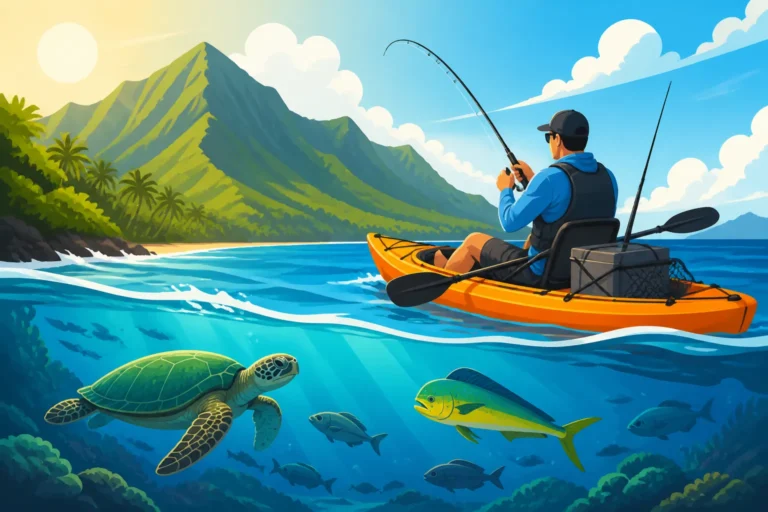
Paddling around Lanai's coastline opens up a whole new world of fishing possibilities, allowing you to access remote coves and reef systems that are inaccessible from shore. Kayak fishing has exploded in popularity, and for good reason—it’s quiet, environmentally friendly, and puts you right in the thick of the action. From a kayak or SUP, you can target a variety of reef fish like snapper, trevally, and goatfish, often by casting small lures or live bait into reef channels or around bommies (coral heads). Manele Bay, just outside the MLCD boundaries, can be a great launch point for exploring the southern coast. You can paddle eastward towards areas where the reef systems are healthy and hold a good population of fish. The western coast, particularly around areas like Kaumalapau Harbor (though fishing within the harbor itself might have restrictions), also offers intriguing possibilities, but can be more exposed to prevailing winds and swells. Always check local weather and ocean conditions before heading out, as conditions can change rapidly. Safety should always be your top priority: wear a PFD (personal flotation device), carry a marine radio or fully charged cell phone in a waterproof case, and let someone know your float plan. Small, stealthy crafts like kayaks allow you to approach fish without spooking them, offering a unique advantage over larger boats. You can slowly troll small lures or jigs, or simply drift and cast, enjoying the tranquility of the open water. For more information on navigating these waters safely, refer to Hawaii Boating Laws for Anglers.
Targeting Lanai's Abundant Reef Species from Small Boats
If you have access to a small powerboat, or are considering renting one (though options are limited on Lanai itself, bringing one over from Maui might be an option for residents), you can expand your reach considerably. Small boats allow you to venture further out from shore to target deeper reef structures and submerged pinnacles. Lanai's waters are teeming with a diverse array of reef fish, from the delectable opakapaka (pink snapper) and onaga (ruby snapper) to various trevally species and the colorful uhu (parrotfish). Bottomfishing with bait or jigs is a highly effective technique for these species. Look for sudden changes in depth, rocky outcrops, or areas marked by fish finders as holding structure. The areas just outside of Hulopoe Bay MLCD, or along the extensive reefs that skirt the island, can be incredibly productive. Be sure to check Hawaii Bag and Size Limits by Species for specific regulations on all the species you might encounter. With a small boat, you also have the flexibility to chase birds working bait schools, which could lead to opportunities for targeting schooling pelagics like skipjack tuna (aku) or mahimahi if they come close enough to shore. The advantage of a boat, even a small one, is the ability to cover more ground and adjust to changing conditions, finding where the fish are active on any given day.
Deep Sea Fishing Charters from Manele Harbor
For many anglers visiting Hawaii, the ultimate dream is to battle a powerful offshore pelagic species. Lanai, despite its smaller size, offers fantastic deep-sea fishing opportunities, especially for those targeting big game.
The Thrill of Offshore Pelagic Hunting
Lanai's geographical location provides quick access to incredibly deep waters, making it an excellent base for offshore fishing. Just a short run from Manele Harbor, you can find yourself in prime territory for yellowfin tuna (ahi), mahimahi, ono (wahoo), and of course, the majestic marlin. The waters between Lanai and Maui, often referred to as the Alalakeiki Channel, are particularly productive, as currents here concentrate baitfish, attracting larger predators. Whether you're trolling lures for aggressive mahimahi or targeting monster ahi with live bait or chunking, the potential for a world-class catch is very real here. These big game species are powerful fighters, promising an unforgettable battle that will test your strength and skill. The anticipation of a reel screaming as a marlin takes the bait, or the splash of a leaping mahimahi, is what draws so many to these rich waters. Beyond the thrill of the catch, the sheer beauty of being far offshore, with the islands of Lanai and Maui as your backdrop, is an experience in itself.
Choosing the Right Charter Experience
Since there are no major tackle shops or extensive fishing rental options on Lanai, booking a guided charter is often the most practical and effective way to experience its offshore fishing. Charters typically depart from Manele Harbor, where experienced captains know the local waters and fish behavior intimately. When choosing a charter, consider what you want to target. Some charters specialize in marlin, others in tuna, and many will target whatever is biting best. Look for reputable operations with experienced crews who prioritize safety and ethical fishing practices. Reading reviews and asking for recommendations can be incredibly helpful. Websites like FishingBooker are a great resource for comparing different charter boats, checking their availability, and understanding their offerings, allowing you to find one that perfectly matches your preferences, whether it's a half-day trip chasing mahimahi or a full-day quest for a grander marlin. They often list what gear is provided, what species they target, and their catch policy. Don't be shy about asking questions about the boat, the crew's experience, and what's included in the price. A good charter captain will be happy to share their knowledge and make sure you have the best possible experience. For an overview of what to consider, check out How to Choose a Hawaii Fishing Charter.
Here's a handy comparison of common charter options:
| Charter Type | Duration | Target Species | Experience Level | Best For | Notes |
|---|---|---|---|---|---|
| Half-Day Offshore | 4-6 hours | Mahimahi, Ono, Skipjack Tuna, smaller Yellowfin | Beginner to Intermediate | Families, shorter trips, targeting eating fish | Often trolling, good introduction to offshore fishing. |
| Full-Day Offshore | 8-10 hours | Marlin, Ahi (Yellowfin Tuna), Spearfish | Intermediate to Advanced | Serious anglers, trophy fish | More time to reach prime grounds, various techniques (trolling, chunking). |
| Bottomfishing | 4-6 hours | Opakapaka, Onaga, uku, various Snapper/Grouper | All levels | Targeting specific reef/deepwater species | Can be done on shorter trips, usually bait fishing with electric reels. |
| Private Charter | Customizable | Any, dedicated focus | Any | Groups, personalized experience | Higher cost but exclusive use of boat, flexible itinerary. |
| Shared Charter | Fixed duration | Any, whatever's biting | Any | Solo anglers, budget-conscious groups | Share boat with other anglers, often less flexible on target species. |
Seasonal Considerations and Best Practices
Understanding the seasons and adhering to best practices are crucial for a successful and responsible fishing experience on Lanai. The ocean is a dynamic environment, and recognizing its patterns will greatly improve your chances of a great day on the water.
Weather Patterns and Ocean Conditions
Hawaii's weather is generally good year-round, but specific seasons do influence fishing conditions. The summer months (roughly May to September) typically bring calmer seas and warmer water, which can be ideal for offshore trolling for marlin, mahimahi, and ono. However, even in summer, afternoon winds can kick up, making inshore waters choppy. Winter (October to April) often brings larger swells, especially to the northern coasts, making shore fishing at places like Shipwreck Beach more challenging but potentially rewarding for those targeting ulua in heavy surf. Bottomfishing, on the other hand, can often be excellent year-round, as deep-water species are less affected by surface conditions, though strong currents can make holding bottom difficult. Always check the marine forecast before you head out, whether by boat or foot, and be prepared for changing conditions. Pay attention to wind direction, swell height, and tide charts. These factors can dramatically impact not only your comfort but also the safety and productivity of your fishing trip.
Respecting Marine Life and Regulations
Lanai’s pristine environment is a treasure, and as anglers, it’s our responsibility to help keep it that way. Always adhere to all Hawaii fishing regulations, which include bag and size limits, closed seasons for certain species (like Hawaii Moi Closed Season Explained), and protected areas like the Hulopoe Bay MLCD. The Hawaii Division of Aquatic Resources (DAR) website is your best resource for the most current information. Beyond legal requirements, practicing good stewardship means minimizing your impact. Avoid leaving any trash behind, dispose of fishing line properly, and consider practicing catch-and-release, especially for species you don't intend to eat or if you've already met your bag limit. If you're releasing fish, do so quickly and carefully to maximize their survival chances. This also extends to wildlife interactions; maintain a respectful distance from monk seals, sea turtles, and dolphins, as these animals are protected. Remember that fishing without a required license in Hawaii can lead to significant penalties, so ensure you understand Do You Need a Fishing License in Hawaii and have the proper documentation. Being a responsible angler ensures that future generations can enjoy the same incredible fishing opportunities you do.
Essential Gear and Practical Tips for Lanai Anglers
Having the right gear and understanding a few local customs can make all the difference in your Lanai fishing adventure. Given the island's remote nature, being prepared is paramount.
Shoreline Setup Recommendations
For shore fishing on Lanai, versatility is key. You'll likely encounter a mix of rocky shoreline, sandy beaches, and powerful surf.
- Rods and Reels: A medium-heavy to heavy spinning rod (9-12 feet) paired with a robust spinning reel (size 6000-10000) spooled with 30-60 lb braided line is a good all-around setup. This will give you the casting distance needed for surf fishing and the power to handle larger papio or even ulua. For lighter action and smaller reef fish, a 7-8 foot medium-action rod with a 4000-5000 size reel spooled with 15-20 lb braid is perfect for whipping or throwing smaller lures.
- Terminal Tackle: A variety of hooks (circle hooks are great for catch and release and often mandatory for certain baits), swivels, and leader material (fluorocarbon in 40-100 lb test for heavier setups, 20-40 lb for lighter) are essential. Don't forget an assortment of sinkers (pyramid, Sputnik, or bank sinkers) to hold bottom in current.
- Lures and Bait: For papio, small casting lures like Kastmasters, Tady jigs, or even plastic grubs can be effective. For ulua, fresh bait like squid, whole akule, or moi are often preferred, fished on a sliding sinker rig. Check what baitfish are prevalent in the area you plan to fish and try to "match the hatch" with your lures or bait choices.
- Accessories: A sturdy backpack, a small cooler for bait and your catch, pliers, a knife, a headlamp for early morning or late evening fishing, and a first-aid kit are all must-haves. Don't forget plenty of water and sun protection!
Remember, if you plan to target specific species like Ulua, you might want to look into How to Catch Ulua from Shore for more specialized techniques and gear.
Respecting the Aina and Local Customs
In Hawaii, the concept of "Aloha Aina" – love of the land – is deeply ingrained. This extends to the ocean as well. When fishing on Lanai, it’s not just about following the rules, but also about showing respect for the environment, the local community, and traditional practices.
- Leave No Trace: Always pack out everything you pack in, and if you see any trash, consider picking it up. Our natural environment is sacred, and keeping it clean is everyone's responsibility.
- Be Mindful of Others: Lanai is a small island with a close-knit community. Be courteous to other anglers, beachgoers, and local residents. Share the shoreline respectfully, and if you're fishing near residential areas, be mindful of noise and privacy.
- Understand Traditional Practices: Fishing ("lawai'a") has been a fundamental part of Hawaiian culture for centuries. Many traditional practices emphasize sustainability and respect for the resource. While you might not engage in traditional methods, understanding this respect for the ocean helps foster a deeper appreciation for the experience. For example, knowing about Hawaii traditional and customary fishing rights explained can provide valuable context.
- Ask for Advice (Respectfully): Locals often have invaluable knowledge about fishing spots, techniques, and current conditions. If you approach them respectfully and genuinely, many are often happy to share tips. Just remember that some spots are cherished family secrets, so don't push if someone isn't forthcoming.
- Support Local: If you do need to buy anything, try to support local businesses on the island. This helps the Lanai community thrive and contributes to a sustainable future for everyone.
By embracing these principles, you not only ensure a more enjoyable fishing trip for yourself but also contribute positively to the preservation of Lanai’s unique natural and cultural heritage.
Disclaimer
The information provided in this guide is for general informational purposes only and is subject to change. Fishing regulations, access points, and environmental conditions can vary. Always consult the latest regulations from the Hawaii Division of Aquatic Resources (DAR) and local advisories before engaging in any fishing activities. Personal safety should always be your top priority.