Best shore fishing spots at Waimea Bay
Navigating the myriad of incredible fishing opportunities in Hawaii can feel overwhelming, especially when you're dreaming of reeling in something truly special right from the shore. Finding those truly productive spots that consistently yield good catches, while also being accessible and enjoyable, is a challenge many anglers face. You want to avoid crowded tourist traps and discover the local favorites. This guide is here to walk you through the best shore fishing spots at Waimea Bay, giving you the insider knowledge you need for a successful and memorable day on the water.
Why Waimea Bay is a Shore Fishing Gem
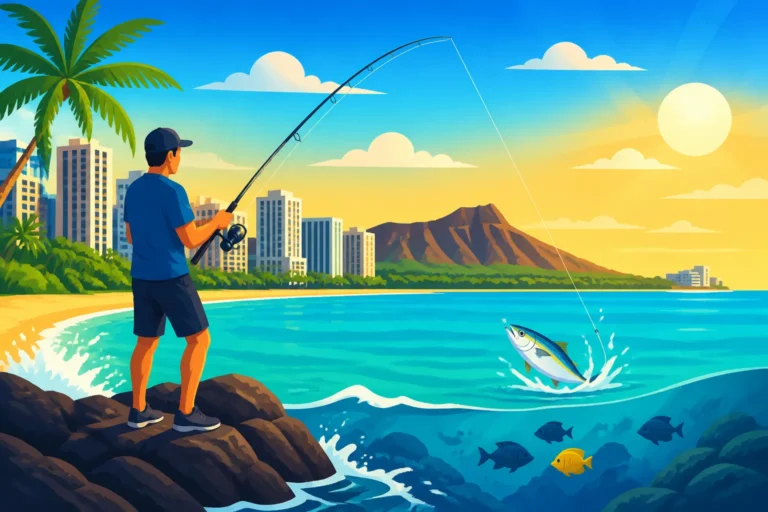
Waimea Bay, on Oahu's iconic North Shore, isn't just a world-famous surfing destination; it's a surprisingly versatile and productive spot for shore anglers. While many associate it with massive winter waves and daredevil surfers, the calmer summer months reveal a rich marine ecosystem that thrives close to shore. Even in winter, when the surf is up, specific tactics can still yield impressive results. The bay's unique blend of deep channels, sandy flats, rocky outcrops, and a river mouth creates a diverse habitat that attracts a wide variety of fish species, making it a true treasure for those who prefer to cast from solid ground.
Understanding Waimea's Unique Geography and How it Affects Fishing
Waimea Bay's distinct topography is what makes it such a special fishing spot. At its heart lies a significant sandy beach, but beneath the surface, and particularly towards the mouth of the bay, there's a deeper channel that offers excellent opportunities. This channel acts as a highway for larger predatory fish, especially during incoming and outgoing tides. On either side of the main sandy expanse, you'll find rocky points and smaller reef structures. These rocky areas provide crucial cover and feeding grounds for a host of reef fish and smaller baitfish, which in turn attract larger game species.
During the summer, when the ocean is typically calm, these features are easily accessible, allowing anglers to target different zones with specific techniques. The Waimea River, which empties into the bay, also plays a crucial role. After heavy rains, the freshwater runoff can draw certain species to the brackish water, and the river mouth itself provides a unique environment for fish that tolerate varied salinity levels. Understanding these nuances – the deep channel, the sandy flats for foraging, the rocky structure for ambush predators, and the river's influence – is key to unlocking Waimea's full potential as a shore fishing destination.
Target Species and What Makes Them Thrive Here
Waimea Bay is a magnet for several popular shore fishing species. Among the most sought-after are papio (juvenile Giant Trevally or ulua). These hard-fighting fish are often found patrolling the edges of the sandy flats and around rocky structures, particularly during dawn and dusk. As they grow, they become ulua, and while catching a trophy-sized ulua from shore is a challenge, it's certainly not impossible at Waimea, especially with specialized sliding bait techniques targeting the deeper channel. The presence of baitfish in the bay is a major draw for both papio and ulua.
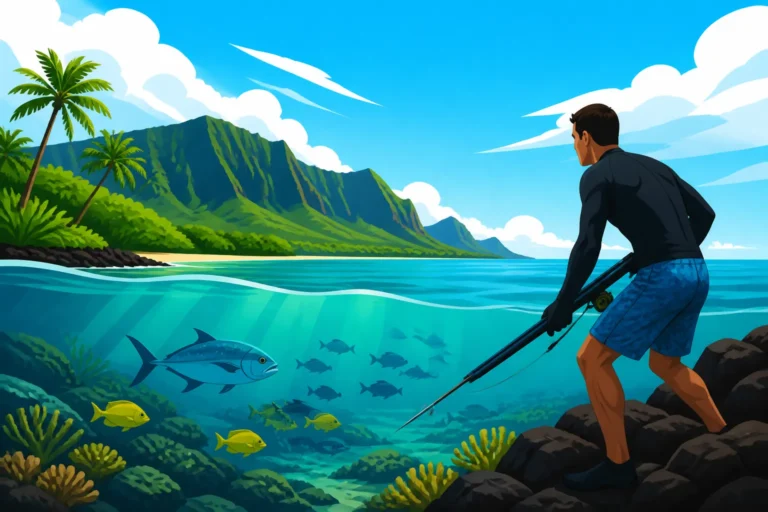
You'll also find various species of goatfish (like kumu and weke), which are excellent eating and often forage in the sandy areas, especially where there's some mixed rock. Moi (Pacific Threadfin) can sometimes be found closer to shore, particularly during their spawning season, often feeding on small crustaceans in the surf. Akule (Bigeye Scad) schools will occasionally move into the bay, providing exciting opportunities for those ready to cast small lures or use sabiki rigs to catch them for bait or dinner. Even some types of perch and smaller reef fish like uhu (parrotfish) can be caught around the rocky areas, though uhu are often targeted by spearfishing. The abundance of food sources, from small crabs and shrimp to schools of baitfish, is what truly makes Waimea Bay such a vibrant and productive ecosystem for these shore-dwelling species. Remember to always check the Hawaii Bag and Size Limits by Species to ensure you're compliant with local regulations.
Prime Shore Fishing Locations within Waimea Bay
While the entire expanse of Waimea Bay offers opportunities, certain areas stand out as particularly promising. Each section requires a slightly different approach, but knowing where to focus your efforts will drastically improve your chances of a successful outing.
The Sandy Beach Stretch: Casting into the Channel
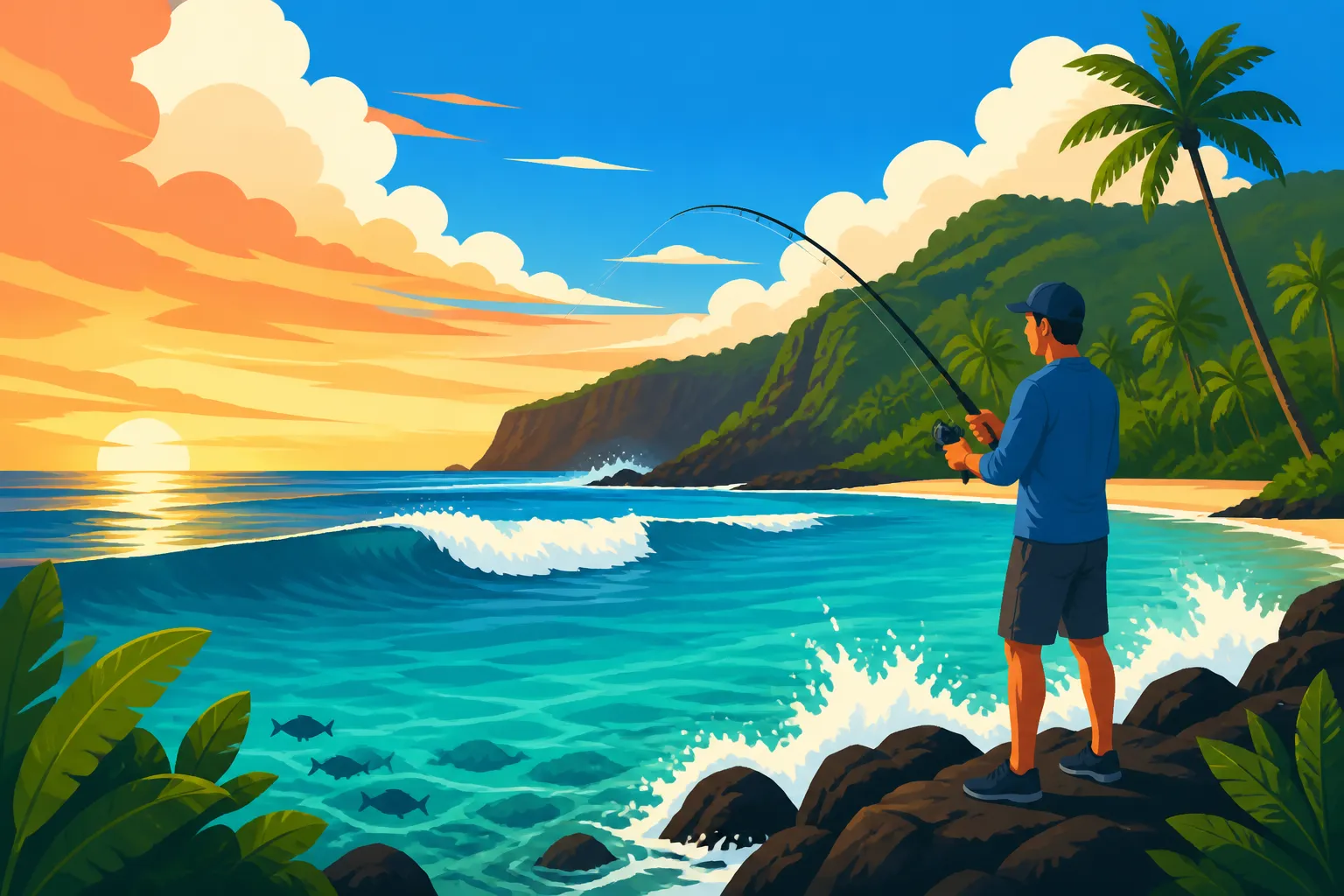
The main sandy beach at Waimea Bay, famous for its towering waves in winter and calm, inviting waters in summer, is surprisingly productive for shore fishing, especially if you know where to cast. The key here is the deeper channel that runs out from the center of the bay. Many anglers make the mistake of casting just beyond the first break, but the real action for larger predatory fish, particularly papio and ulua, often happens further out in that deeper water.
To effectively fish this area, you'll want a sturdy surf rod capable of launching heavy baits or lures a considerable distance. Early mornings and late afternoons, particularly around tide changes, are prime times. Look for any signs of baitfish activity—nervous water, birds diving, or small fish jumping—as these are clear indicators that predators are nearby. Using a sliding bait rig with a live bait (if available and legal) or a large chunk of cut bait cast into the channel can be incredibly effective for larger ulua. For papio, whipping with medium-sized metal jigs or topwater lures can yield explosive strikes as they patrol the edge of the deeper water. Anglers looking for local insights or even guided shore trips might consider platforms like FishingBooker to connect with experienced Oahu guides who know the specific nuances of fishing this unique sandy stretch and its underlying channel.
Rocky Points and Reefs: Hunting Structure Dwellers
On both the northern and southern flanks of Waimea Bay, you'll find rocky points and scattered reef structures that extend into the water. These areas are completely different from the sandy beach and offer distinct fishing opportunities. The rocks and reefs provide shelter and feeding grounds for a variety of fish species, including smaller papio, goatfish, and sometimes even moi. The structure also attracts smaller baitfish, making it an excellent ambush point for predators.
Fishing these rocky areas requires a different approach. You'll want to use heavier leader material to prevent abrasion on the sharp coral and rocks. Shore Fishing Techniques for Hawaii often include casting jigs, soft plastics, or even natural baits like limu (seaweed) or small pieces of shrimp into pockets, channels, and along the reef edge. Be prepared for snags, as the bottom can be very rough. Watching the incoming waves and currents is crucial here; fish often congregate in areas where food is washed in or where currents create eddies around the rocks. Safety is paramount when fishing rocky shorelines, especially with fluctuating swell. Always be mindful of rogue waves and slippery surfaces. These spots are perfect for targeting those reef-dwelling species that prefer to hide and ambush their prey rather than cruise open waters.
Waimea River Mouth: Brackish Water Opportunities
The Waimea River empties into the bay, and the confluence of fresh and saltwater creates a unique fishing environment. This brackish water zone can be surprisingly productive, attracting species that tolerate varied salinity levels. After heavy rains, the river mouth can become discolored, but this runoff often washes food into the bay, drawing fish to the area.
While not typically known for the big pelagic species, the river mouth can be an excellent spot for smaller papio, various types of perch, and even tilapia that may venture from further upstream. Techniques here often involve lighter tackle, casting small jigs or natural baits like earthworms or small pieces of shrimp directly into the mixing waters. The currents here can be complex, so understanding how the river flow interacts with the ocean tides is important. Fishing during an outgoing tide, when the river water is pushing out, can sometimes concentrate fish along the edges of the current seams. However, always be aware of any local rules regarding fishing directly within the river itself, as these can differ from ocean regulations. This spot offers a more sheltered fishing experience compared to the open bay, making it a good option on days with higher surf.
Essential Gear and Techniques for Waimea Bay Shore Fishing
Having the right tackle and knowing how to use it effectively is paramount for success at Waimea Bay. The diverse environments within the bay demand versatility in your gear choices and fishing methods.
Recommended Rods, Reels, and Line Setups
For the main sandy beach and casting into the deeper channel, a heavy-duty surfcasting setup is ideal.
- Rods: Look for rods in the 10-13 foot range, rated for 4-10 oz lures/weights. Brands like Daiwa, Shimano, or local custom builders offer excellent options. These longer rods are essential for achieving the distance needed to reach the channel and for handling larger fish in the surf.
- Reels: Pair your rod with a robust spinning reel in the 6000-10000 size class, or a conventional reel if you prefer, capable of holding 300+ yards of line. Ensure it has a smooth, powerful drag system.
- Line: Spool up with 30-50 lb braided mainline for its casting distance and sensitivity, backed by a strong fluorocarbon leader of 60-100 lb, especially if targeting ulua. The braid-to-fluoro connection should be strong and reliable, like an FG knot.
For fishing the rocky points and river mouth, a slightly lighter but still robust setup will offer more maneuverability and sensitivity.
- Rods: A 7-9 foot medium-heavy spinning rod, rated for 1-4 oz, is often perfect. This allows for precise casting into tight pockets and good control around structure.
- Reels: A 4000-6000 size spinning reel with a good drag is sufficient.
- Line: 20-30 lb braided mainline with a 30-50 lb fluorocarbon leader. The heavier leader is still recommended for abrasion resistance against rocks and coral.
Remember, whatever your setup, ensure your knots are strong and you regularly check your line for nicks and abrasions, especially after fishing around structure.
Baits and Lures That Get Bites
The choice of bait or lure depends heavily on your target species and the specific area you're fishing in Waimea Bay.
For papio and ulua in the channel and around deeper structure:
- Live Baits: Small baitfish like opelu or akule (if you can catch them with a sabiki rig), or even large shrimp, are irresistible to these predators. A live bait suspended under a balloon or drifted with a sliding sinker rig can be incredibly effective.
- Cut Baits: Large chunks of fish (like mackerel, skipjack tuna, or even smaller reef fish) fished on the bottom are a classic choice for ulua.
- Lures: Metal jigs (2-5 oz) in chrome, blue/silver, or green/silver patterns are excellent for whipping, especially during a run of baitfish. Topwater poppers and stickbaits can also elicit aggressive strikes from papio.
For goatfish, moi, and smaller reef species around rocky areas and sandy flats:
- Natural Baits: Pieces of fresh shrimp, limu (certain types of seaweed favored by moi), small pieces of squid, or even crab bits on a simple Carolina rig or high-low rig are highly effective. Best Bait for Moi from Shore is often fresh shrimp or limu.
- Small Jigs: Soft plastic grub tails or small bucktail jigs can imitate small crustaceans or baitfish.
- Opihi: For those targeting moi specifically, crushed opihi (limpets, legally harvested) can be a phenomenal bait if you have access to them.
For the Waimea River mouth:
- Worms and Shrimp: Simple earthworms or small pieces of market shrimp are usually best for the mixed bag of fish found here.
- Small Spinners/Jigs: Ultrasensitive light tackle with small spinnerbaits or micro jigs can entice smaller papio or perch.
Experimentation is key, but these are solid starting points that have proven effective time and again in Hawaiian waters.
Mastering Casting and Retrieval Techniques
Achieving good casting distance and employing the right retrieval techniques will significantly increase your success rate.
- Distance Casting: For the main beach, mastering a proper surfcasting technique (often involving a pendulum cast or overhead power cast) is crucial. This is less about brute strength and more about smooth, coordinated body movement to load the rod effectively. Practice in open areas away from people to get your technique down. When casting heavier weights, always ensure you have a finger stall or similar protection to prevent line cuts.
- Precision Casting: Around the rocky points and river mouth, accuracy trumps distance. You'll need to cast into specific pockets, channels, or along current lines. A side-arm cast or a simple overhead cast with a shorter rod allows for better control.
- Retrieval Techniques:
- Whipping for Papio: This involves a fast, erratic retrieve with metal jigs or topwater lures, mimicking a fleeing baitfish. Vary your retrieve speed and add pauses or jerks to trigger strikes. Best Techniques for Whipping for Papio often involve a steady retrieve with occasional twitches.
- Bottom Fishing: For ulua or goatfish with bait, cast out and let your bait settle on the bottom. Keep a taut line to feel bites, but avoid retrieving too quickly. A slow, steady retrieve to check your bait every 15-20 minutes is standard.
- Float Fishing: If using a float for moi or other species, cast out and let the current carry your bait naturally. Watch the float constantly for any dips or movement.
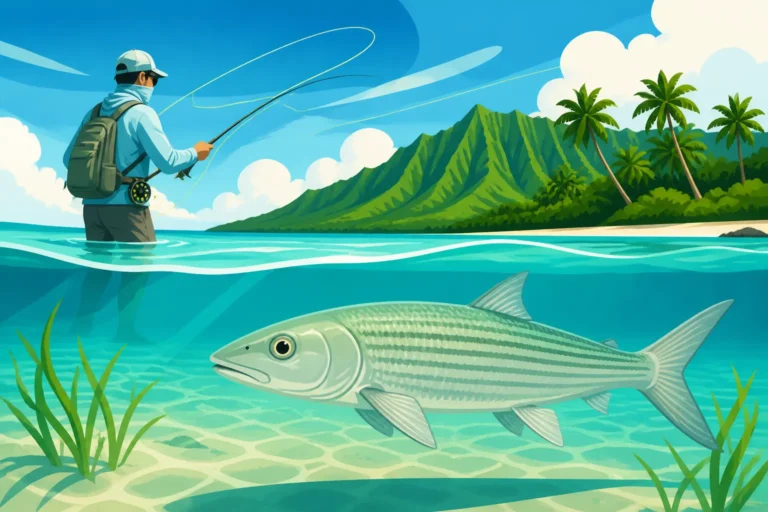
- Wading Techniques for Hawaii Shore Fishing: If you plan to wade out onto the reef flats (always exercise extreme caution and know the conditions), a slow, deliberate retrieve with jigs or flies can be effective for bonefish or other reef dwellers, but Waimea Bay is not primarily known for wadeable flats for bonefish.
Remember, presentation is everything. Make your bait or lure look as natural and enticing as possible to the fish.
Tides, Seasons, and Safety: Maximizing Your Waimea Experience
Beyond just gear and technique, understanding the environmental factors and local regulations can profoundly impact your fishing success and safety at Waimea Bay.
Best Times to Fish: Tides, Currents, and Seasonal Considerations
The timing of your fishing trip to Waimea Bay is just as important as your gear.
- Tides and Currents: For most shore fishing, the incoming and outgoing tides are often the most productive. The moving water stirs up bait, creates current seams, and generally triggers a feeding response in many species. Slack tide, when the water is still, tends to be slower. Observing the current patterns at Waimea, particularly near the river mouth and around the rocky points, will help you identify where fish might be congregating to feed.
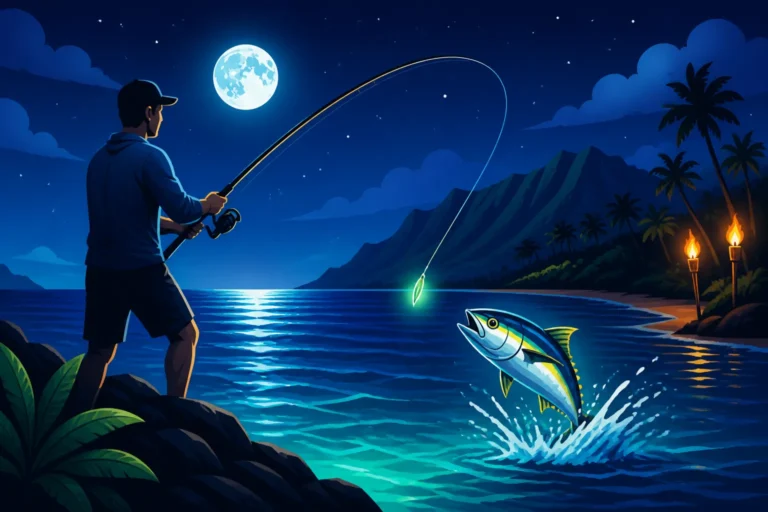
- Time of Day: Dawn and dusk are almost universally the best times for predatory fish like papio and ulua. The lower light conditions give them an advantage over their prey. Night fishing can also be incredibly productive for ulua, especially during incoming tides and darker moon phases.
- Seasonal Changes: Waimea Bay is most accessible and calm during the summer months (roughly May through September). During this period, the sandy beach and rocky areas are safer to navigate, and the water is clearer, making it easier to spot structure and fish. This is the prime season for general shore fishing. The Best Time of Year to Fish in Hawaii for calm waters usually aligns with summer. In contrast, the winter months (October through April) bring massive surf to the North Shore, making shore fishing from the main beach extremely dangerous or impossible. During winter, anglers might still find opportunities at the river mouth or in very sheltered spots if the swell isn't directly impacting them, but caution is paramount. It’s a good idea to check surf reports before heading out.
Navigating Regulations and Practicing Safe Angling
Fishing in Hawaii comes with its own set of rules and, more importantly, a deep respect for the ocean and its resources.
- Hawaii Fishing Regulations Explained: Always, always be familiar with the latest regulations set forth by the Hawaii Department of Land and Natural Resources (DLNR) Division of Aquatic Resources (DAR). These regulations cover everything from Hawaii Bag and Size Limits by Species to closed seasons for certain species like moi. You don't need a specific marine fishing license for general recreational shoreline fishing in Hawaii if you're a resident, but for non-residents, or for freshwater fishing, licenses are required. Make sure you understand whether you need one for your specific activity.
- Respecting Wildlife: Hawaii is home to many protected species, including Hawaiian Monk Seals and various sea turtles. If you encounter these animals, give them a wide berth and never harass or attempt to feed them. Report any injured or entangled wildlife to local authorities.
- Environmental Responsibility: Practice "leave no trace" principles. Pack out everything you pack in, including all fishing line, hooks, and trash. Avoid walking on or disturbing coral reefs. If you need to release a fish, do so quickly and carefully to maximize its chances of survival.
- Safety First: The ocean can be unpredictable. When fishing Waimea Bay, especially during periods of swell, always be aware of your surroundings. Never turn your back on the ocean. Fish with a buddy if possible. Wear appropriate footwear with good grip, especially on rocky surfaces. Be mindful of currents, waves, and slippery rocks. A local guide, perhaps found through services like FishingBooker, can provide invaluable on-the-ground safety advice and knowledge of local conditions.
Waimea Bay Shore Fishing Overview
Here’s a quick summary of the prime spots and what to expect:
| Fishing Spot Area | Primary Target Species | Recommended Techniques | Key Considerations |
|---|---|---|---|
| Main Sandy Beach | Papio, Ulua, occasional Akule | Distance casting, sliding bait | Deep channel access, early mornings/late afternoons. |
| Rocky Points & Reefs | Papio, Goatfish, Moi | Jigging, bait fishing | Abrasion-resistant leader, watch for snags, sturdy footwear. |
| Waimea River Mouth | Papio, Perch, Tilapia | Light tackle, natural bait | Brackish water, variable currents, potential runoff. |
Whether you're looking for the thrill of a hard-fighting papio or the challenge of a trophy ulua, Waimea Bay offers a captivating shore fishing experience. Understanding its unique features, arming yourself with the right knowledge, and respecting the ocean will lead to many rewarding days on Oahu's North Shore.
Disclaimer
Please be aware that fishing regulations, conditions, and fish populations can change. Always consult the latest official Hawaii Department of Land and Natural Resources (DLNR) Division of Aquatic Resources (DAR) regulations before any fishing trip. The information provided here is for general guidance and informational purposes only. Local knowledge and adherence to current rules are essential for responsible and successful angling.