Best shore fishing spots at Poipu
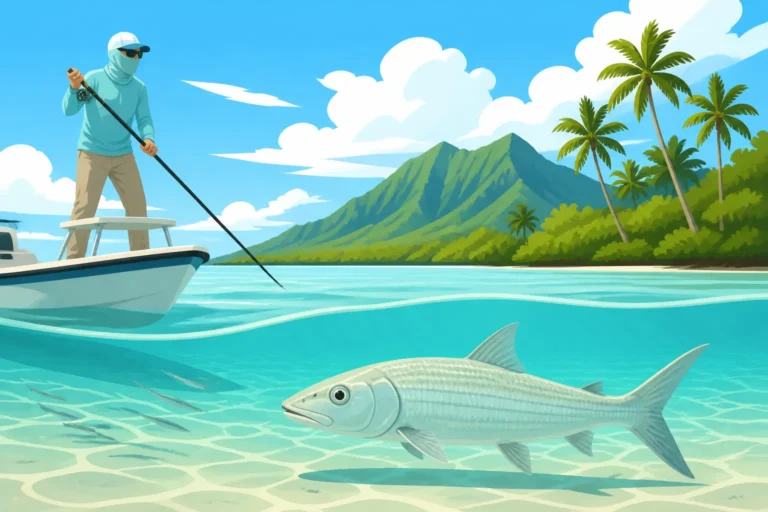
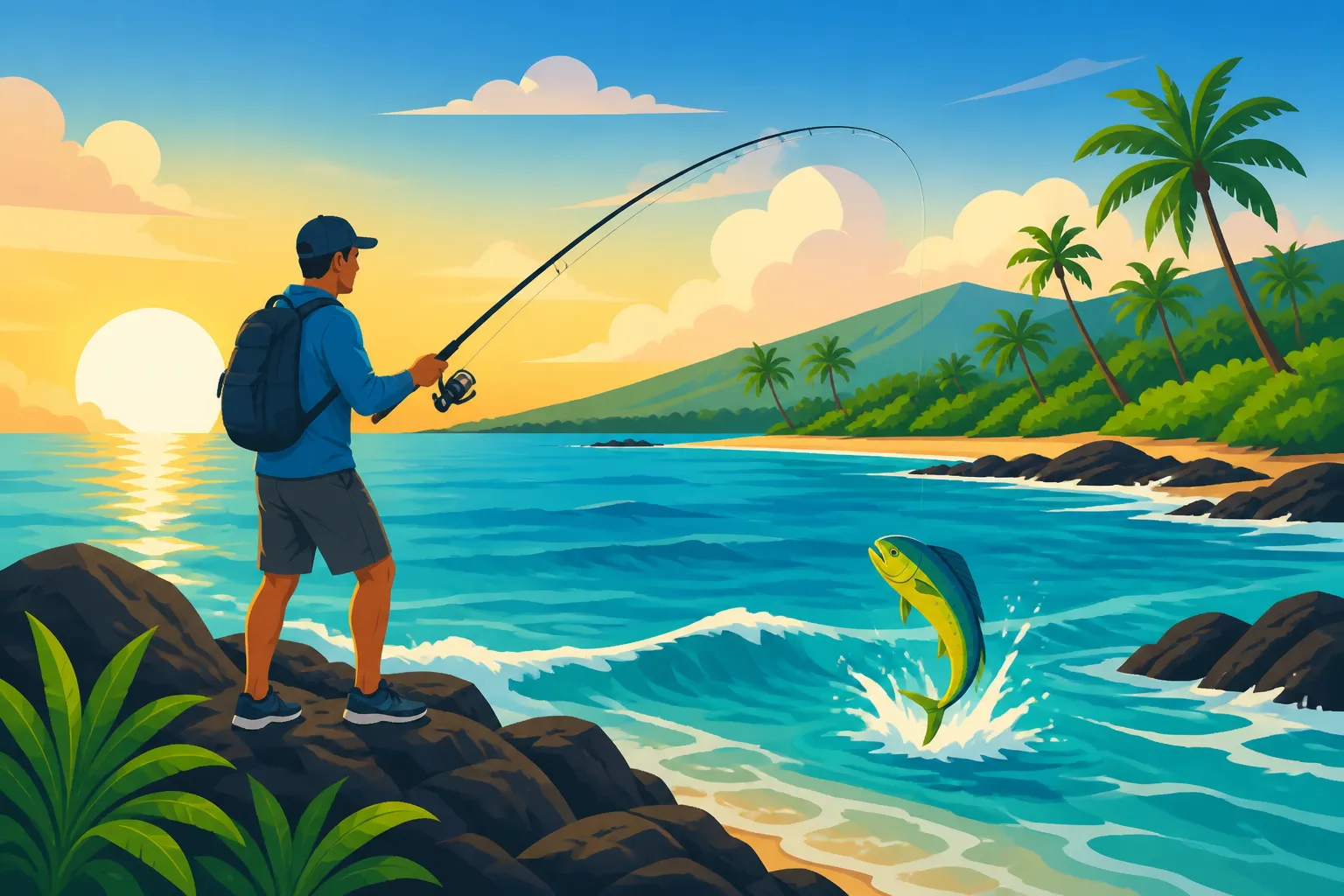
Trying to figure out the best shore fishing spots in Poipu can feel like you're trying to solve a puzzle with half the pieces missing, especially if you're visiting or new to the island. With so many beautiful beaches, it's tough to know where the good fishing truly is without getting tangled in protected areas or just casting into empty water. This guide is here to untangle that mystery, giving you the lowdown on Poipu's top shore fishing locations, what you can expect to catch, and the essential tips to make your outing a successful one.
Understanding Poipu's Unique Shoreline for Fishing
Poipu, located on Kauai's sunny South Shore, is famous for its stunning beaches and vibrant coral reefs. While this makes for incredible snorkeling and swimming, it also creates a fascinating and often challenging environment for shore anglers. Knowing the lay of the land, or rather, the lay of the ocean floor, is crucial to finding success here.
The Reefs, Channels, and Sandy Stretches
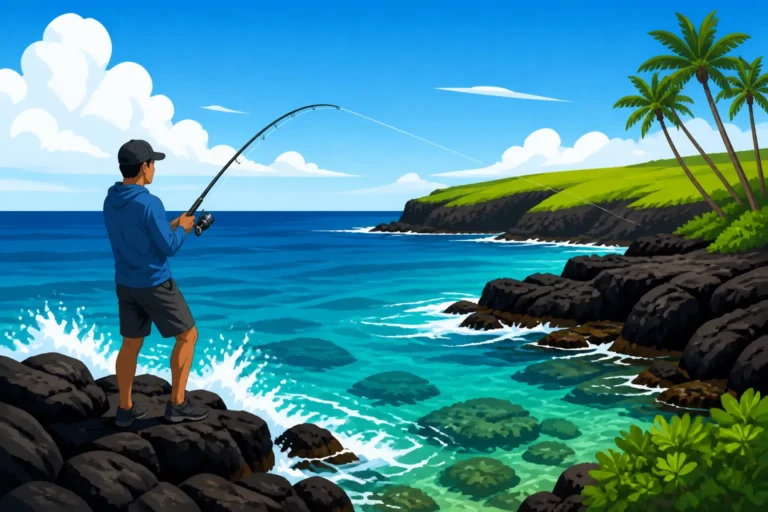
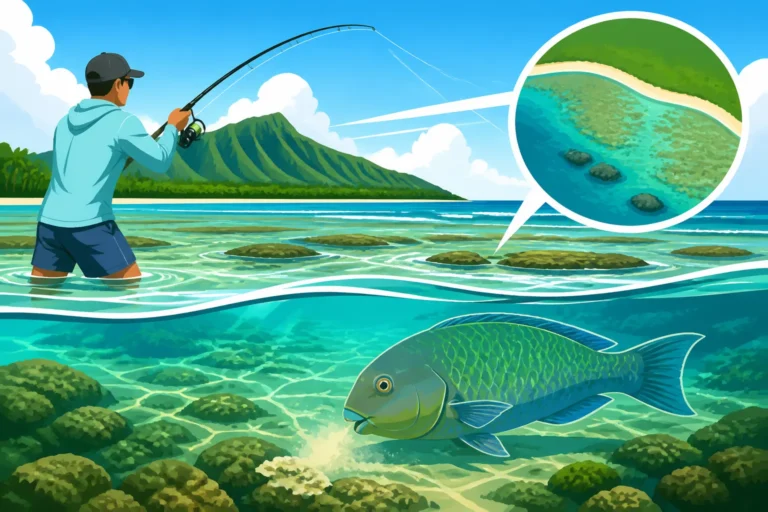
The coastline around Poipu is a beautiful mosaic of different underwater habitats, each attracting distinct types of fish. You'll find extensive shallow reef flats, often teeming with smaller reef fish like triggerfish and parrotfish (uhu). These flats are wonderful for light tackle action, especially if you're targeting small papio or other reef dwellers. However, fishing directly on the most pristine, vibrant coral can be a no-go in certain protected areas, so always check local regulations. For example, some areas are part of a Hawaii Marine Life Conservation Districts, Explained, where fishing is highly restricted or entirely prohibited.
Interspersed with these reefs are deeper channels and sandy pockets. These are often the highways and feeding grounds for larger predatory fish. Papio (juvenile trevally), small ulua, and even moi (Pacific threadfin) love to cruise these transition zones, ambushing baitfish moving between the reef and open water. The sandy stretches, particularly near natural rock formations or where streams enter the ocean, can hold surprising numbers of flatfish or goatfish (kumu, weke). Understanding where these different features meet is key. Look for areas where the reef abruptly drops off into sand, or where natural currents carve out deeper paths. These are prime ambush points for hungry fish.
Safety is paramount when navigating Poipu's varied shoreline. The reefs can be sharp and slippery, especially at low tide, and strong currents can develop around points and channels. Always wear sturdy reef shoes, and never turn your back on the ocean.
Tides, Swell, and Water Clarity Considerations
The ocean is constantly changing, and understanding these dynamics can significantly impact your fishing success in Poipu.
Tides: Tides play a massive role here, especially on the shallower reef flats. A rising tide often brings cooler, oxygenated water and baitfish closer to shore, making for excellent fishing opportunities. Conversely, a falling tide can sometimes concentrate fish in deeper channels or pull them further offshore. For species like moi, which prefer sandy bottoms near the surf, the incoming tide can be magical. Always check a local tide chart before heading out. Some spots might be inaccessible or dangerous during certain tides, while others really come alive. For instance, a high tide might allow you to reach areas that are too shallow or reef-laden at low tide.
Swell: Poipu's south-facing beaches are more exposed to south swells, which typically occur during summer months. While big swells can make fishing dangerous and stir up the bottom, a moderate swell can actually be beneficial. It creates white water, dislodges food, and provides cover for predatory fish, making them more confident to feed closer to shore. If the swell is too large, however, it's best to stay off the rocks and seek more sheltered areas or just enjoy the show from a safe distance. Conversely, a completely flat ocean, while calm, can make fish wary, especially in clear water. Learning to read the ocean and how different swells affect wave action and current is a skill that takes time, but it's invaluable for a shore angler in Hawaii.
Water Clarity: Hawaii's waters are generally incredibly clear, which is beautiful for swimming but can make fishing a bit more challenging. Fish can easily spot you and your line. This is where longer casts, lighter leaders, and stealth become important. After heavy rains, runoff from streams can cloud the water, especially in bay areas. While some anglers prefer clearer water, murky conditions can sometimes work in your favor by providing cover for fish and making your line less visible. However, heavily muddied water often means less oxygen and fewer active fish. Pay attention to recent weather patterns and how they might affect the clarity at your chosen spot.
Top Shore Fishing Spots in Poipu and Nearby
Poipu offers a fantastic variety of shore fishing opportunities, from easily accessible beach parks to more rugged, adventurous stretches of coastline. Remember, the key to finding success is often patience and adapting your techniques to the specific conditions of each spot. Also, make sure you have your Hawaii Fishing License Guide for 2026 in order before heading out.
Poipu Beach Park and Koloa Landing Area
This area is one of the most popular and accessible spots for shore fishing in Poipu, making it a great starting point, especially for families or beginners. Poipu Beach Park itself has a mix of sandy areas and rocky outcrops, particularly around the point near Spouting Horn. The main beach can be crowded with swimmers and snorkelers during the day, so early mornings or late afternoons are often best for fishing.
Around the Koloa Landing area, you'll find more rocky coastline, providing excellent structure for fish. There's often a bit more depth here, and the currents can be stronger, bringing in a wider variety of species. Look for small channels and sandy patches between the rocks. Papio are a common catch here, often willing to strike small spoons, grubs, or natural baits like shrimp or limpet. Moi, though seasonal and regulated by Hawaii Moi Closed Season, Explained, can also be found in the sandy surf zones. Keep an eye out for small schools of baitfish, as these are a sure sign that predators are nearby. Light spinning tackle, around 7-9 feet, with 10-15 lb test line and a fluorocarbon leader, is ideal for whipping small lures or fishing bait on a Carolina rig. While you'll mostly be targeting smaller reef fish and papio from shore, if you're dreaming of bigger game offshore, consider looking up options on FishingBooker for a charter out of Port Allen or Nawiliwili.
Shipwreck Beach (Keoniloa Bay)
A short drive east of the main Poipu resort area, Shipwreck Beach offers a more rugged and exposed fishing experience. This long, sandy beach is famous for its strong surf, which makes it a popular spot for bodyboarders and surfers. For anglers, this means big waves and strong currents, which can be both challenging and rewarding. This isn't a spot for light tackle or the faint of heart; you'll need sturdy gear and a keen awareness of the ocean.
The main target species here are often larger papio and ulua (giant trevally). The turbulent waters and shifting sand provide an excellent environment for these powerful predators to hunt. You'll want to employ heavy surfcasting gear – rods 10-12 feet or longer, paired with robust reels spooled with 20-30 lb mono or braided line, and heavy leaders. Sliding bait rigs, with a whole opelu or chunks of squid, are popular for targeting ulua here. Casting out beyond the breaking waves into the deeper channels can yield impressive results. However, always exercise extreme caution; rogue waves and strong rip currents are common, especially around the rocky cliffs on the east end of the beach. It's a spot that truly exemplifies How to Catch Ulua from Shore – requiring power and patience. If you're looking for an unforgettable offshore adventure after trying your hand at Shipwreck, remember you can easily find and book deep-sea fishing trips on FishingBooker.
Mahaulepu Beach Heritage Site (A Bit Further East)
For the adventurous angler seeking solitude and a truly wild fishing experience, Mahaulepu Beach is an absolute gem. This area, east of Shipwreck Beach, is largely undeveloped and requires a bit more effort to access, usually via a dirt road (check current access conditions, as parts are on private land). The reward is a breathtaking coastline with diverse fishing opportunities, from expansive sandy beaches to rocky points and sheltered coves.
Mahaulepu offers a mix of conditions. The sandy beaches are excellent for surfcasting for ulua and papio, similar to Shipwreck, but often with less pressure. The rocky points and coves provide opportunities for whipping or bait fishing for various reef species, as well as larger papio and even small moi. Because of its remote nature, the fish here tend to be less pressured and can be more aggressive. Anglers often spend an entire day exploring different sections of the Mahaulepu coastline, trying various techniques. You might encounter anything from small papio near the shore to larger ulua lurking in deeper pockets. This spot is perfect for those who enjoy the journey as much as the catch, truly embodying the spirit of Shore Fishing Techniques for Hawaii. As with any remote area, inform someone of your plans and bring plenty of water and sun protection. While less common for charters due to its remote access, if you ever consider extending your fishing endeavors beyond shore, platforms like FishingBooker are ideal for finding specialized guided trips elsewhere on Kauai or other islands.
Essential Gear and Techniques for Poipu Shore Fishing
Fishing successfully from Poipu's diverse shoreline means having the right tools and knowing how to use them. It's not just about brute strength; often, finesse and understanding the local conditions are what make the difference.
Rods, Reels, and Line for Varied Conditions
When you're packing for a Poipu shore fishing adventure, versatility is your best friend. You'll likely want at least two setups if you plan to hit different types of spots.
For "whipping" or light tackle action, targeting smaller papio, moi, or other reef fish, a medium-light to medium action spinning rod, about 7 to 9 feet in length, is ideal. Pair this with a 2500-4000 series spinning reel spooled with 10-20 lb braided line. Braid offers excellent casting distance and sensitivity, which is crucial in clear Hawaiian waters. A good quality fluorocarbon leader, 15-25 lb test, is essential to combat the fish's keen eyesight and protect against abrasion from coral or rocks. This setup is perfect for throwing small artificial lures like soft plastic grubs, small spoons, or even pencil poppers. You can learn more about specific techniques for these smaller fish in our guide on How to Catch Papio on Hawaii's Shoreline.
If you're aiming for larger game like ulua, especially at spots like Shipwreck or Mahaulepu, you'll need heavier artillery. A heavy action surf rod, 10 to 12 feet or even longer, is critical for casting heavy baits long distances and handling powerful fish in strong currents. Match this with a robust 8000-14000 series spinning reel or a conventional reel, spooled with 30-50 lb braided line. A heavy monofilament shock leader (50-100 lb test) tied to a strong fluorocarbon bite leader (60-100 lb test) is a must. This heavy tackle is for fighting big fish that can quickly run into structure or out into the open ocean. Remember, when you're targeting big ulua, you're looking for a serious battle, so don't skimp on quality gear. For those really seeking to hook up with a trophy, and maybe even take it offshore, fishing charters found on FishingBooker often provide top-of-the-line gear tailored for these battles.
Baits, Lures, and Rigs that Get Bites
The choice of bait or lure depends heavily on your target species and the specific spot you're fishing.
Natural Baits: For most shore fishing in Poipu, natural baits are incredibly effective. Fresh shrimp, limpet (opihi), or chunks of squid are excellent choices for papio, moi, and various reef fish. For larger ulua, a whole small opelu (mackerel scad), akule (bigeye scad), or even a small piece of skipjack tuna (aku) are prime baits. These can be fished on a sliding bait rig, allowing the fish to take the bait naturally before feeling the weight of your sinker. Be sure to check the Hawaii Bag and Size Limits by Species for any baitfish you might be collecting yourself.
Artificial Lures: Lures are fantastic for covering ground and actively searching for fish. Small soft plastic grubs (like a 2-3 inch curly tail grub in pearl white or chartreuse) on a light jig head are deadly for papio and other opportunistic feeders. Small metal spoons (1/2 to 1 oz) that mimic baitfish are also very effective when "whipping." For topwater action, especially at dawn or dusk, small poppers or walk-the-dog style lures can draw exciting strikes from papio. Matching the hatch – using lures that resemble the local baitfish – is always a good strategy.
Rigs:
- Carolina Rig: A sliding sinker above a swivel, with a 1-3 foot fluorocarbon leader tied to a hook. Great for presenting bait naturally on the bottom in sandy or mixed terrain.
- Drop Shot Rig: A weight at the bottom, with a hook tied a foot or two above it. Good for keeping bait suspended just off the bottom over rocky areas.
- Sliding Bait Rig (Ulua Rig): A heavy pyramid or bank sinker attached to a sliding clip on your main line, which then goes to a heavy swivel, followed by a long, heavy leader (6-10 feet) with a large circle hook. This allows the bait to drift naturally while the weight holds bottom, critical for wary ulua.
Safety and Etiquette for Anglers
Fishing in Hawaii isn't just about catching fish; it's about respecting the ocean, the land, and the local culture.
Ocean Safety First: Never turn your back on the ocean. Rogue waves are a real threat, especially on exposed coastlines like Shipwreck Beach. Always wear appropriate footwear, like sturdy reef shoes or tabis, to protect your feet from sharp coral and slippery rocks. Be mindful of rising tides and strong currents. If in doubt, don't risk it. Check local weather and surf forecasts before heading out.
Respect the Aina (Land) and Kai (Sea): Pack out everything you pack in, and then some. Leave no trace of your presence. Avoid disturbing nesting birds, monk seals, or turtles. If you encounter protected marine life, give them plenty of space. You can often see green sea turtles feeding close to shore at Poipu. Remember, disturbing them is illegal and harmful.
Know the Regulations: Hawaii has specific fishing regulations, including bag limits, size limits, and closed seasons for certain species. For example, there are rules governing Hawaii Uhu (Parrotfish) Size and Bag Limits and Hawaii Moi Closed Season, Explained. It’s your responsibility to know these rules, which are enforced by the Hawaii Department of Land and Natural Resources (DLNR) Division of Aquatic Resources (DAR). Always check the latest information before you fish. Also, remember that in some areas, you might need a freshwater license if you venture inland, but for saltwater shore fishing, Hawaii residents generally don't need a license, though non-residents do. So, if you're visiting, make sure to read up on Do You Need a Fishing License in Hawaii.
Be Mindful of Others: Poipu is a popular tourist destination. Be courteous to swimmers, snorkelers, and other beachgoers. Avoid casting near people, and be aware of your surroundings. Share the aloha. If you're on a public beach and someone wants to swim, move to a less crowded spot or offer to pause your fishing until they've moved on.
Here's a quick comparison of Poipu's top shore fishing spots:
| Fishing Spot | Primary Target Species | Best Techniques | Access Difficulty | Key Considerations |
|---|---|---|---|---|
| Poipu Beach Park / Koloa Landing | Papio, Moi, Reef Fish | Whipping (lures), Bait (Carolina rig) | Easy | Crowded, small fish, light tackle |
| Shipwreck Beach | Ulua, Papio | Surfcasting (sliding bait) | Moderate | Strong surf, currents, large fish, heavy tackle required |
| Mahaulepu Beach | Ulua, Papio, Reef Fish | Surfcasting, Whipping, Bait | Moderate/Hard | Remote, rugged, less crowded, diverse terrain, check access |
Remember, every day on the water is a learning experience. The ocean constantly changes, and what worked yesterday might not work today. Stay flexible, observe, and most importantly, enjoy the beauty and challenge of shore fishing in Poipu!
Disclaimer
Fishing carries inherent risks, including injury and drowning. Always prioritize safety, understand local regulations, and be aware of ocean conditions. This guide is for informational purposes only and does not substitute for professional advice or personal judgment. The author and publisher are not responsible for any accidents or incidents that may occur.