Best public fishing access near Princeville
Finding those perfect public fishing spots near Princeville can feel like searching for hidden treasure – especially when you're just trying to enjoy the stunning North Shore of Kauai without navigating a maze of private access or crowded tourist traps. It’s frustrating when you just want to cast a line into Hawaii's beautiful waters, but aren't sure where you're even allowed to be. This guide will cut through the confusion and highlight the best public fishing access points around Princeville, giving you the real scoop on where to go and what to expect.
The North Shore's Charm and Challenges for Anglers
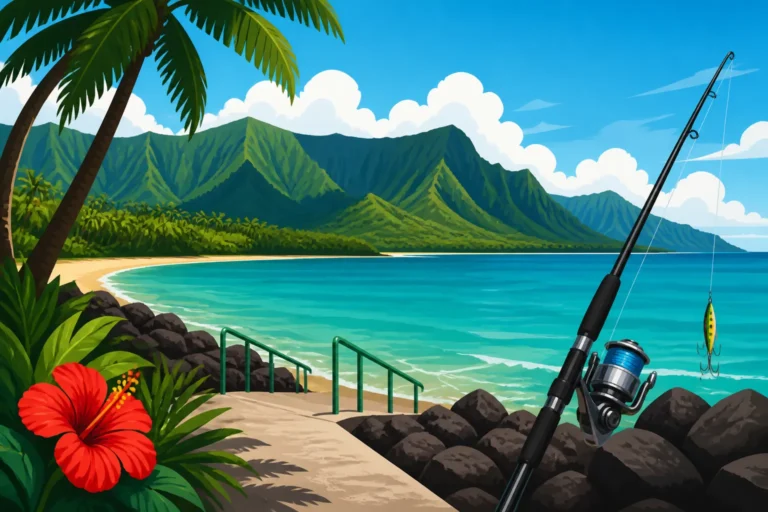
Princeville, nestled on Kauai's dramatic North Shore, offers some of the most breathtaking scenery in all of Hawaii. Think lush, verdant cliffs dropping into turquoise waters, pristine beaches, and that unmistakable feeling of paradise. For an angler, it sounds like a dream, right? And it absolutely can be! However, this very beauty also presents a unique set of challenges when it comes to finding public fishing access. Many of the most picturesque stretches of coastline are flanked by private residences, resorts, or protected areas, making it tricky to just pull over and start fishing. You often need to know the specific public easements or beach parks where access is guaranteed.
The North Shore’s ocean conditions can also be a significant factor. While the summer months generally bring calmer waters, the winter swells can be truly massive, making shore fishing impractical, if not downright dangerous, on many exposed coastlines. It’s essential to always check local surf reports and conditions before heading out, as safety should always be your top priority. But don't let these challenges deter you – with a little local knowledge, you can still find incredible opportunities to connect with Hawaii's aquatic life.
Types of Fish You Might Encounter
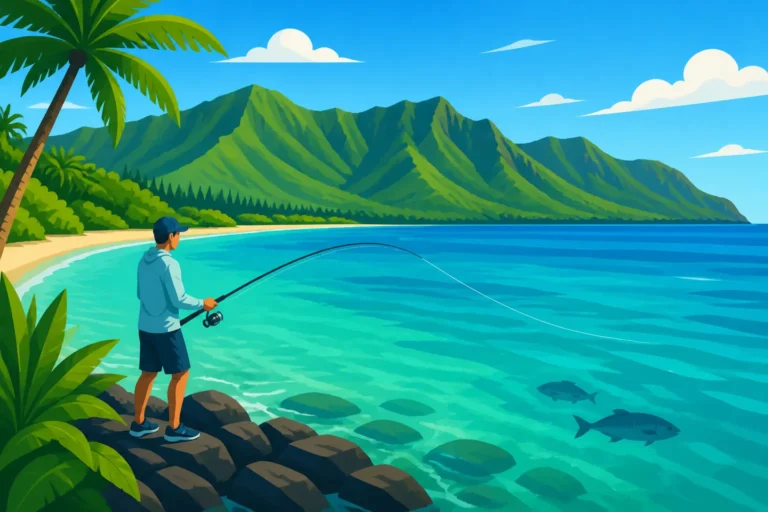
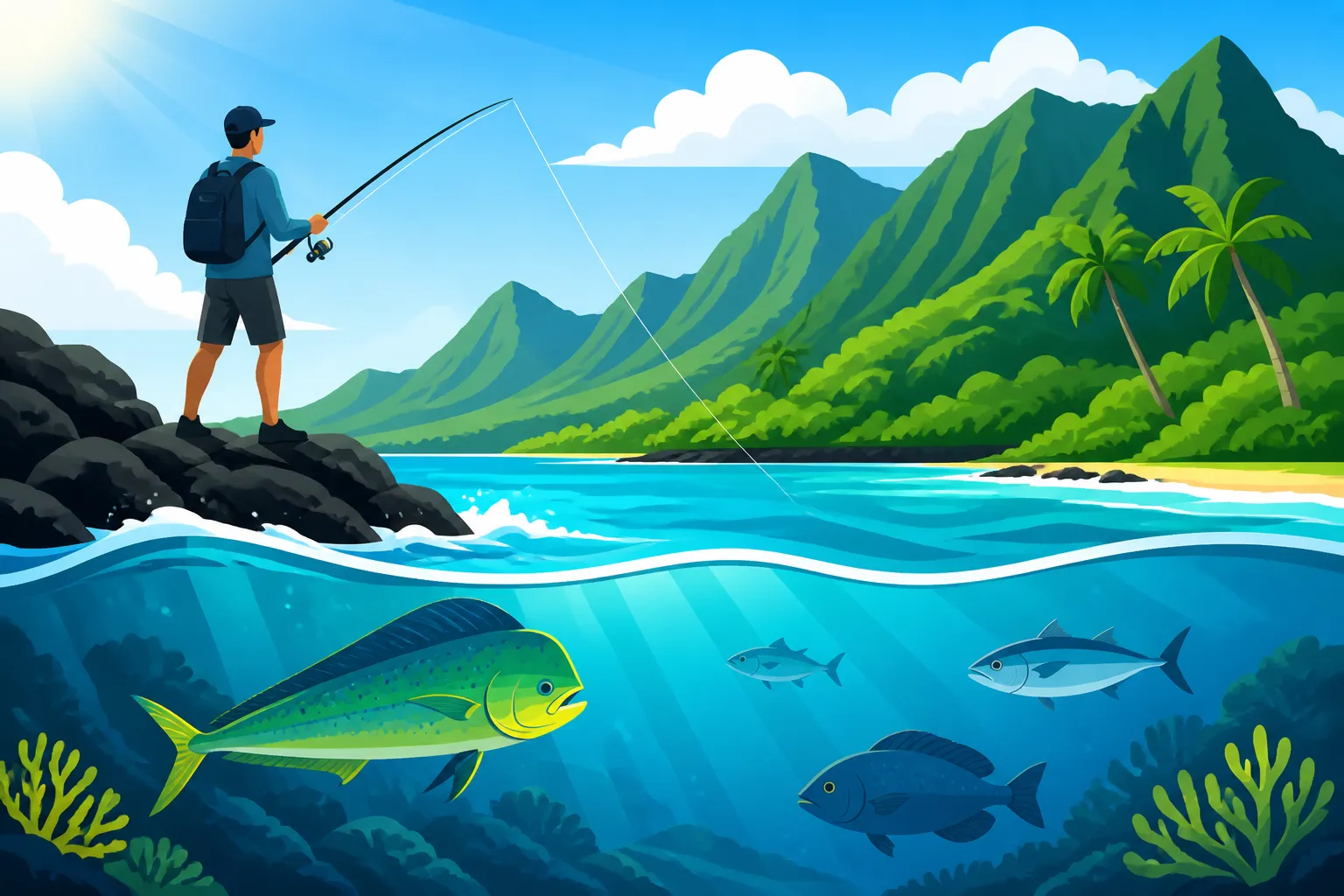
When fishing from shore around Princeville, you're primarily targeting inshore species that frequent the reefs, sandy bottoms, and rocky ledges. One of the most sought-after game fish here is the papio, which is the juvenile stage of the ulua (Giant Trevally). These feisty fighters are a blast on light tackle. You might also encounter moi (Pacific Threadfin), especially in calmer, sandy areas, though they have specific closed seasons and size limits you'll need to be aware of. Other common catches include various reef fish like goatfish (kumu, weke), triggerfish (humuhumu), and occasionally barracuda.
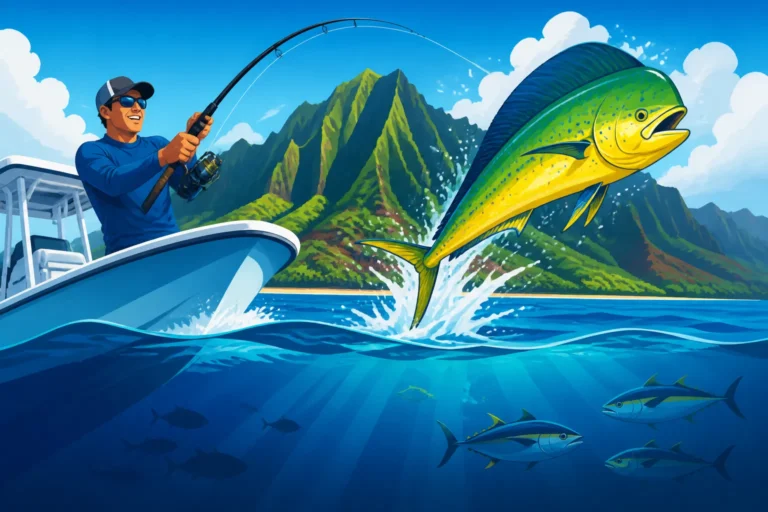
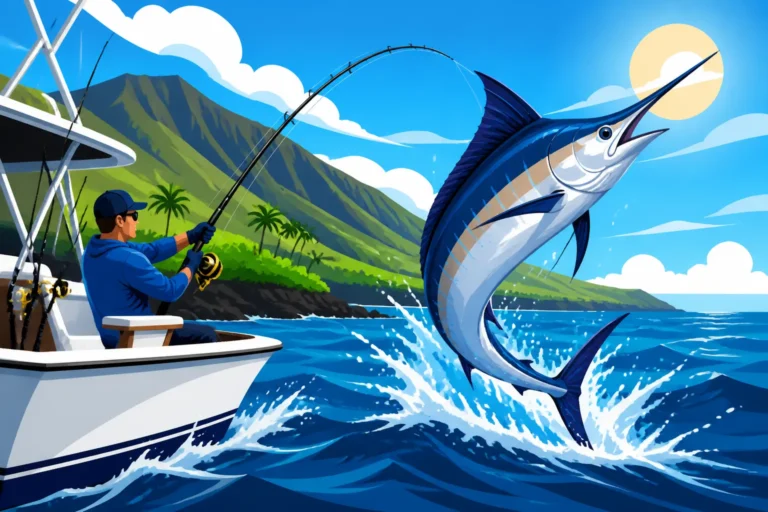
For those venturing out into deeper waters via kayak or a charter, the possibilities expand significantly to include pelagic species like mahimahi (dolphin fish), ono (wahoo), and even smaller ahi (yellowfin tuna). Even from shore, sometimes larger ulua or even smaller predatory jacks can cruise close enough to the shoreline to offer a thrilling surprise. Remember, knowing what you're targeting can help you select the right bait and tackle, increasing your chances of a successful day.
Top Public Fishing Access Points Near Princeville
Navigating where to fish near Princeville often comes down to knowing the specific public access points that offer both legal entry and good fishing prospects. Here are some of the best spots where you can wet a line without worry.
Hanalei Bay Beach Park
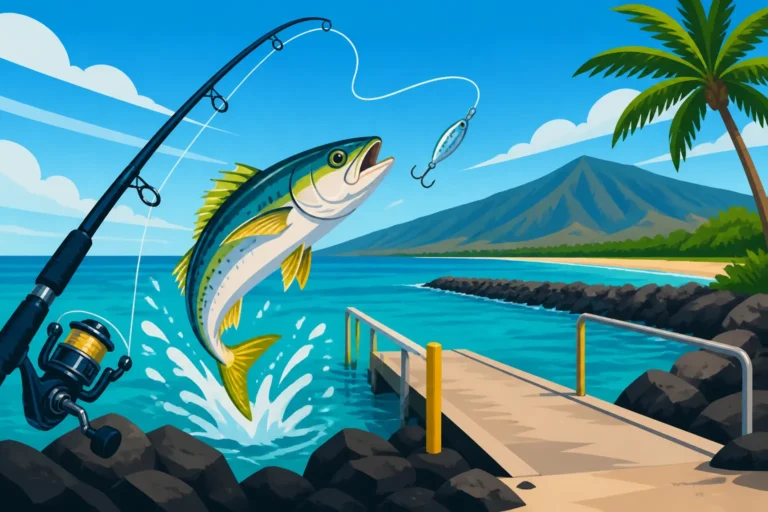
Hanalei Bay is arguably one of the most iconic and beautiful bays in all of Hawaii, and thankfully, it offers excellent public fishing access. The bay itself is massive, with nearly two miles of crescent-shaped sandy beach. The main public access point is at Hanalei Bay Beach Park, particularly near the historic Hanalei Pier. The pier itself is a popular spot for both locals and visitors, perfect for families or those who prefer not to wade into the surf.
From the pier, you can cast for papio, various reef fish, and occasionally akule or opelu if schools are passing through. Live bait, cut bait, or small artificial lures often work well here. The sandy bottom around the pier transitions to reef on either side, offering a diverse habitat. If you prefer shore casting, the entire length of the beach is public. Be mindful of swimmers and surfers, especially during peak hours. The calmer waters within the bay are great for float fishing or throwing light lures for smaller papio. It's a fantastic place to spend a day, whether you're actively fishing or just soaking in the incredible scenery. Just make sure you understand the nuances of the Hawaii Fishing Regulations Explained before you head out, particularly around bag and size limits.
Kalihiwai Bay
Just a short drive east of Princeville, Kalihiwai Bay offers another fantastic public fishing opportunity. This smaller, picturesque bay is less crowded than Hanalei, providing a more secluded feel. Access is generally good, with a public beach access road leading down to the bay. The fishing here can be quite diverse due to the mix of sandy bottom and rocky outcroppings.
Anglers often target papio, ulua, and various reef species by casting from the shore. The mouth of the Kalihiwai River, which empties into the bay, can also be a hotspot, especially after a good rain, as it washes nutrients and baitfish into the ocean. Using a sliding bait rig with a whole live baitfish like opelu or akule can be effective for larger predators here. Always be respectful of private properties that border the bay and stick to the marked public access paths. It’s a bit more rugged than Hanalei, which often means fewer people and a better chance at a peaceful fishing experience.
Waioli Beach Park (Pine Trees)
Affectionately known as "Pine Trees" by locals due to the ironwood trees lining its shore, Waioli Beach Park is located further into Hanalei Bay, west of the pier. This spot is renowned more for surfing, but it also provides excellent public fishing access, especially for those looking to cast beyond the main crowds of the pier. The expansive sandy beach here gives way to some reef structure and channels further out, making it an interesting place for shore anglers.
You can often find good success here using whipping techniques for papio or casting larger baits for ulua. The currents can be stronger here than right at the pier, so be prepared with appropriate casting weight. Dawn and dusk are often the most productive times, as fish move closer to shore to feed. This area truly exemplifies the North Shore's natural beauty, offering a serene backdrop to your fishing adventure. Remember that while ocean access is usually public below the high tide line, respecting local communities and private land is paramount. For those interested in what species are found in these areas, you might want to read our guide on Fish Species of Hawaii.
Anini Beach Park
For a completely different experience, head to Anini Beach Park, located a bit further east of Kalihiwai. Anini is famous for its extensive fringing reef, which creates a massive, shallow, calm lagoon protected from the open ocean swells. This makes it an ideal spot for families, beginners, and those seeking calmer water species.
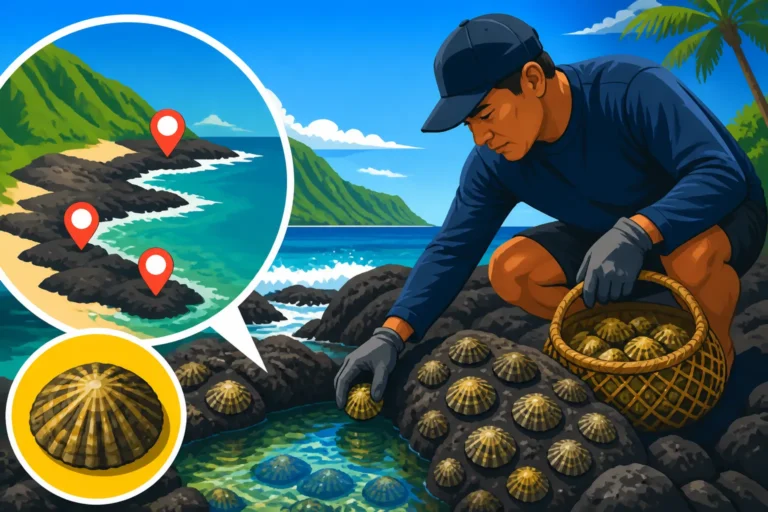
While you won't be targeting large pelagics here, Anini is fantastic for light tackle fishing for smaller reef fish like triggerfish, goatfish, and juvenile jacks. It’s also a prime location for crabbing and limu (seaweed) gathering, often done by local families. Wading the flats with ultra-light tackle or even a fly rod for small papio can be incredibly rewarding. The protected waters mean you can often fish here even when the rest of the North Shore is experiencing large surf. Due to the sensitive nature of the reef, practicing catch and release is highly encouraged, and always ensure you're not disturbing the coral. Make sure to check the Hawaii Bag and Size Limits by Species to ensure you're compliant with local rules for any kept fish.
Essential Tips for Princeville Anglers
Fishing in Hawaii, especially on the North Shore, comes with its own set of responsibilities and best practices. Adhering to these tips will not only ensure a more enjoyable trip for you but also help preserve these precious resources for future generations.
Respecting Local Customs and Regulations
Hawaii has a deep-rooted cultural connection to the ocean, and traditional practices of fishing (makai) are highly valued. Always approach local anglers with respect and aloha. Observe quietly before asking questions, and never fish in areas that are clearly marked as kapu (forbidden) or culturally significant. It's also crucial to be fully aware of all fishing regulations set by the Hawaii Department of Land and Natural Resources (DLNR). This includes understanding closed seasons for certain species like moi, minimum and maximum size limits, and bag limits.
Furthermore, you absolutely need a freshwater fishing license if you plan to fish in any freshwater areas on Kauai, such as the Kokee Public Fishing Area Guide. While most ocean fishing doesn't require a state license for residents, certain exemptions and rules apply. It's always best to be informed. You can find detailed information on the Hawaii Fishing License Guide for 2026. FishingBooker is a great resource to learn about local guides who are intimately familiar with these rules and cultural practices, ensuring you have a respectful and legal fishing experience.
Gear Recommendations for North Shore Fishing
Your gear choice will largely depend on where and what you're targeting. For general shore fishing around Princeville's bays and beaches, a versatile medium-heavy spinning rod (7-9 feet) paired with a 4000-6000 size reel spooled with 20-30 lb braided line is a good starting point. This setup will allow you to cast good distances and handle most inshore species. For leader material, 20-50 lb fluorocarbon is usually sufficient.
If you're targeting larger ulua with sliding baits, you'll want a much heavier setup – think a 10-12 foot heavy-action surf rod with a large conventional reel (like a Penn Senator or similar) spooled with 50-80 lb mono or braid, and a very heavy leader. For lighter action in calm bays or for smaller papio, a 6-7 foot light spinning rod with 8-15 lb line can be incredibly fun. Always bring a variety of hooks, sinkers, swivels, and a selection of lures, including Kastmasters, poppers, and soft plastics. Don't forget a sturdy pair of pliers for hook removal and a measuring tape to ensure your catch meets size limits.
Safety First: Understanding Ocean Conditions
The ocean around Princeville is beautiful, but it can also be powerful and unpredictable. Always prioritize safety. Before heading out, check the local marine forecast and surf reports. The North Shore is famous for its winter swells, which can make shore fishing extremely dangerous due to large waves, powerful rip currents, and slippery rocks. Never turn your back on the ocean. rogue waves can appear without warning and sweep you off your feet or into the water.
If you're fishing from rocky points, wear appropriate footwear with good grip and consider a personal flotation device (PFD), especially if conditions are even slightly rough. Inform someone of your fishing plans and expected return time. Be aware of tidal changes, as certain spots may become inaccessible or dangerous at high or low tide. If you're considering a boat trip, perhaps through a platform like FishingBooker, ensure the charter company has all the necessary safety equipment and experienced captains, adhering to all Hawaii Boating Laws for Anglers. Sun protection (hat, sunglasses, sunscreen) and hydration are also non-negotiable under the Hawaiian sun.
| Public Access Point | Primary Target Species | Common Techniques | Best For | Typical Conditions |
|---|---|---|---|---|
| Hanalei Bay Pier | Papio, Reef Fish, Akule | Bait, Lures, Float | Families, Beginners | Generally Calm (Summer) |
| Hanalei Bay Beach | Papio, Ulua, Reef Fish | Whipping, Sliding Bait | Shore Casters | Varied (can be wavy) |
| Kalihiwai Bay | Papio, Ulua, Reef Fish | Sliding Bait, Lures | Secluded Fishing | Moderate (can be strong currents) |
| Waioli Beach Park | Papio, Ulua | Whipping, Heavy Casting | Experienced Shore | Wavy, Stronger Currents |
| Anini Beach Park | Small Reef Fish, Papio | Light Tackle, Wading | Families, Light Tackle | Very Calm (Protected Lagoon) |
Disclaimer
Please note that fishing regulations in Hawaii are subject to change. Always consult the most current regulations from the Hawaii Department of Land and Natural Resources (DLNR) Division of Aquatic Resources (DAR) before fishing. This guide is for informational purposes only and does not constitute legal advice. Adherence to all local, state, and federal laws is the responsibility of the angler. Be mindful of marine protected areas and private property.